Zhangmen Education files for IPO, will education stocks rebound?
1. Company Profile
$ZHANGMEN EDUCATION INC (ZMENY.US)$, founded by Zhang Yi in 2014, has now become a leading online education company in China.The company focuses on providing high-quality online customized education services for primary and secondary school students, including all-subject education and comprehensive quality education. Its main brands include: Zhangmen One-on-One, Zhangmen Youke, and Zhangmen Kids.
Currently, the company's revenue is mainly composed of three business segments,They are: 1) One-on-one courses, accounting for 93% of total revenue in 2020; 2) Small-class courses, accounting for 2% of total revenue in 2020; and 3) Other businesses, accounting for 5%.
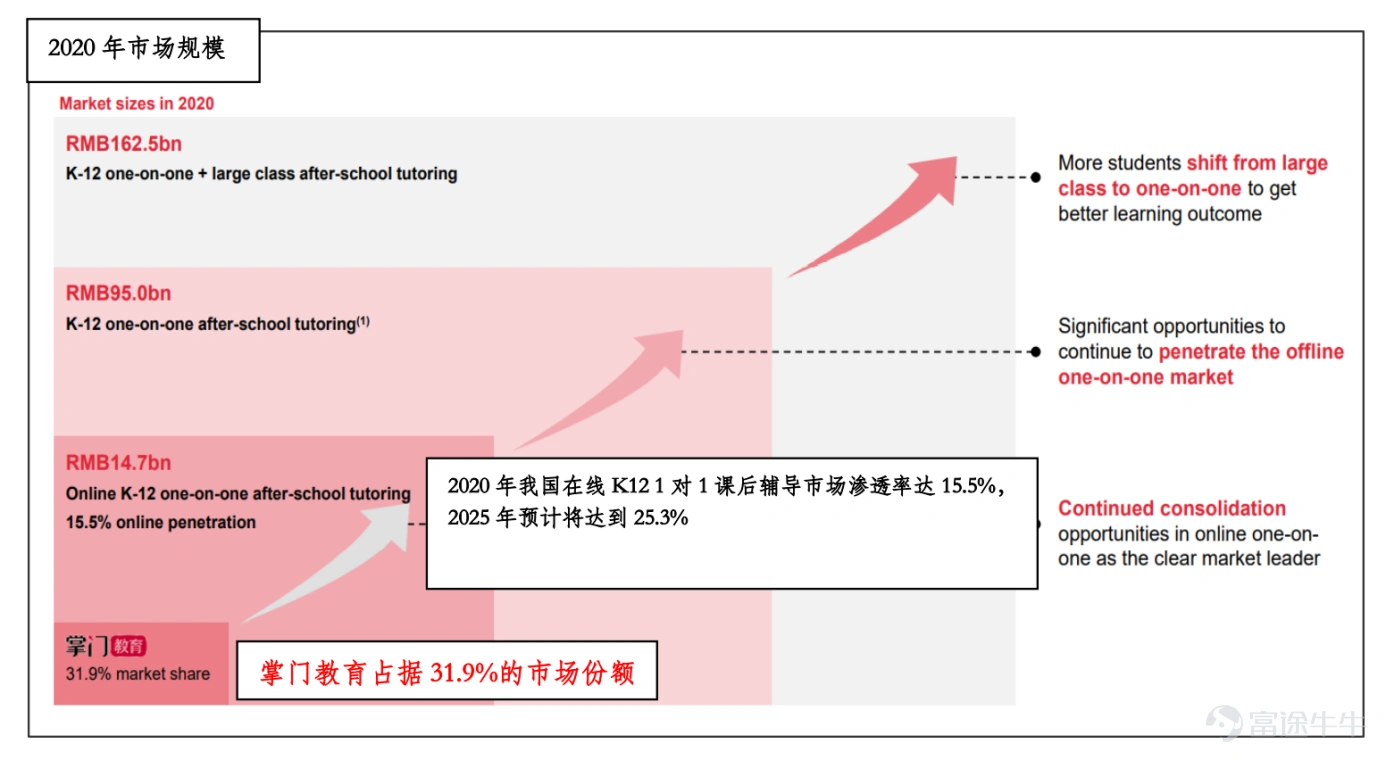
According to the Frost & Sullivan report, in the one-on-one course segment, Zhanmen Education is the absolute leader among domestic online K12 one-on-one after-school tutoring service providers, with a market share as high as 31.9%, surpassing the combined total of the other top ten companies in the industry. In the small-class course segment, Zhanmen Education ranks among the top three domestic online K12 small-class after-school tutoring service providers, and its business growth rate in Q4 2020 ranked first among the top five companies in the industry.
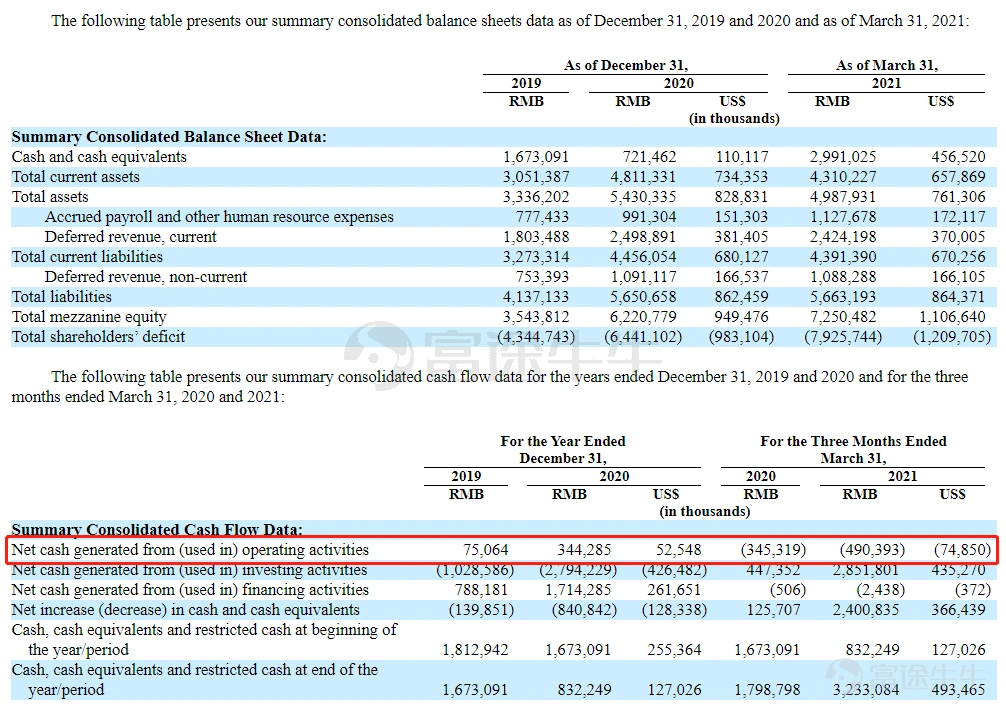
In terms of financial data,,As of 2020, the company's total revenue was 4.018 billion yuan, representing a year-on-year increase of 50.6% from 2.669 billion yuan in 2019. During the same period, the gross margin increased by 7% from 38% in 2019 to 45% in 2020. In addition to maintaining rapid revenue growth and improving gross margins, Zhanmen Education's operating cash flow also remained very healthy, with its net cash flow from operating activities increasing by 359% year-on-year from 75 million yuan in 2019 to 344 million yuan in 2020.
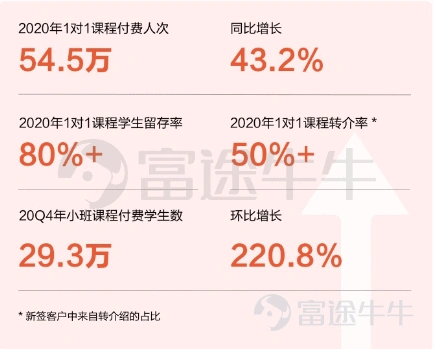
In terms of operational data,As of 2020, the number of paying students in the company’s one-on-one courses reached 545,000, representing a year-on-year increase of 43%. Moreover, in 2020, the student retention rate for one-on-one courses exceeded 80%, and the referral rate for courses was over 50%. Regarding small-class courses, although Zhanmen Education only launched them in Q3 2020, by the end of 2020, the number of paying students in small-class courses had reached 293,000, reflecting a quarterly sequential growth of 221%.
In summary, it is not difficult to see that Zhanmen Education is a leading company in a niche area within the online K12 training industry, characterized by sound business development and stable operations. Due to intense competition in the online K12 training sector and the influence of industry policies, market investors have returned to rationality, placing greater emphasis on the long-term value and health of online education companies.
For Zhanmen Education, market challenges are mainly reflected in five aspects:
1) Whether the business model of one-on-one course tutoring can be justified compared to small-class or large-class courses;
2) How it will respond to fierce competition within the industry?
3) The impact of stricter national regulations on online K12 training and the latest industry policies issued, and how they specifically affect the company?
4) Considering that Zhanmen Education has already become the absolute industry leader in its niche segment with a commanding market share, what is the company’s future growth potential?
5) What is its actual performance like? What core information does the financial report reveal;
Below, we will explore each of the above questions in turn, as these five key issues are directly related to the investment value of Zhanmen Education.
Two,FiveBig IssuesExplore
1. Business Model
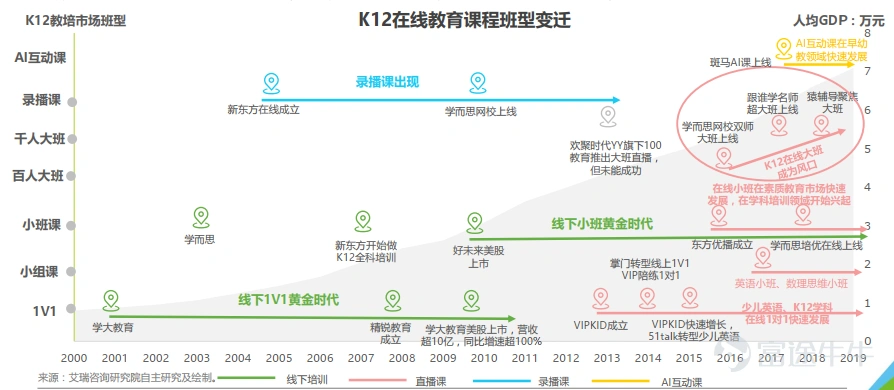
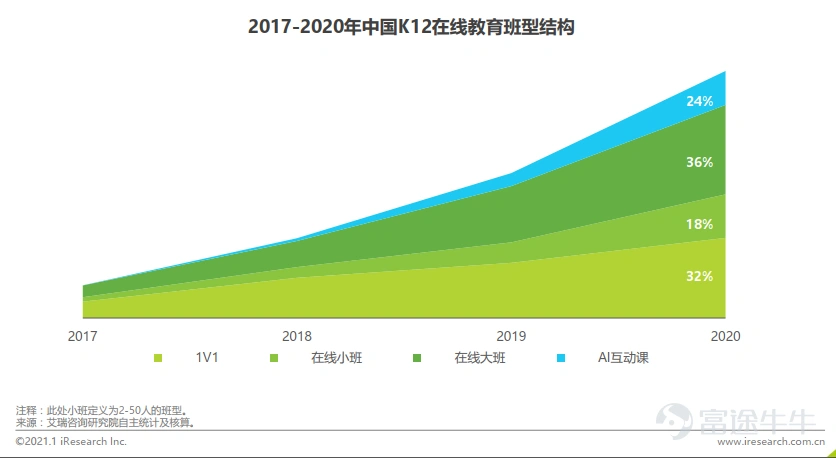
From an industry historical perspective, the course model of online K12 training has undergone multiple evolutions and currently mainly includes four types of course models: large classes (accounting for 36% of all class structures), small classes (18%), one-on-one (32%), and AI interactive courses (24%). Zhanmen Education primarily adopts two models at present—online one-on-one and online small classes—with a primary focus on online one-on-one. According to 2020 revenue statistics, this model generated revenue of up to 3.74 billion yuan, accounting for 93% of total revenue, while the revenue share of online small class courses was only 2%. Therefore, we will focus on discussing the online one-on-one business model.


The online one-on-one model refers to one teacher providing online tutoring to one student. It has the advantages of high personalization, customization, strong interactivity, and effective teaching results.

In essence, investors’ biggest concern about the online one-on-one model is that it lacks economies of scale, with marginal costs unable to decrease, thereby affecting the company’s gross profit margin. So, is this really the case? This can be verified by comparing the gross profit margins of listed companies operating under different models.
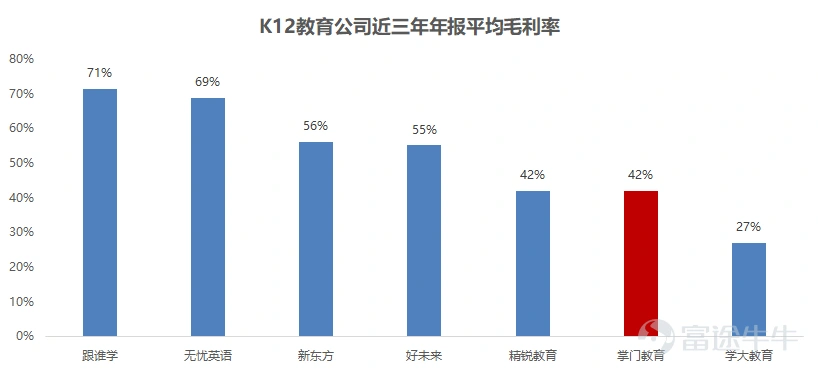
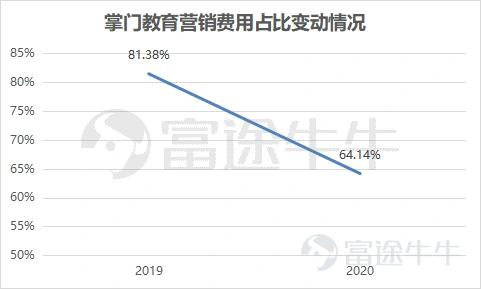
Data shows that K12 education companies primarily operating in the online one-on-one model indeed have overall gross margins lower than their peers using other models, but the gap is not significant. For instance, Zhangmen Education's gross margin is 42%, while New Oriental and TAL Education’s stand at 56% and 55%, respectively. A 10% difference in gross margin does not negate the online one-on-one model, as for online K12 training companies, the largest expenditure is not the cost of operations but rather the high marketing/sales expenses due to fierce competition for customer acquisition. Marketing expenses typically account for over 70% of revenue for K12 training companies, and for some companies, marketing costs even exceed 100% of revenue.

In summary, based on the presentation of gross margin results and the relative advantages and disadvantages of various course models, we do not agree with the view that the online one-on-one business model cannot work.After all, the differences in gross margin among online one-on-one model companies are relatively large, but the differences compared to companies adopting other models are not particularly significant, with a 10% gap still within an acceptable range.
Additionally, the key factor determining whether K12 education companies can be profitable currently lies in marketing investment rather than the teaching model. From the perspective of cost structure, Zhangmen Education's marketing expenses as a proportion of revenue noticeably decreased in 2020 compared to 2019.

2. Industry Competition
Aside from the business model, the extremely intense competition within the K12 training sector is also a core reason for investor concern.
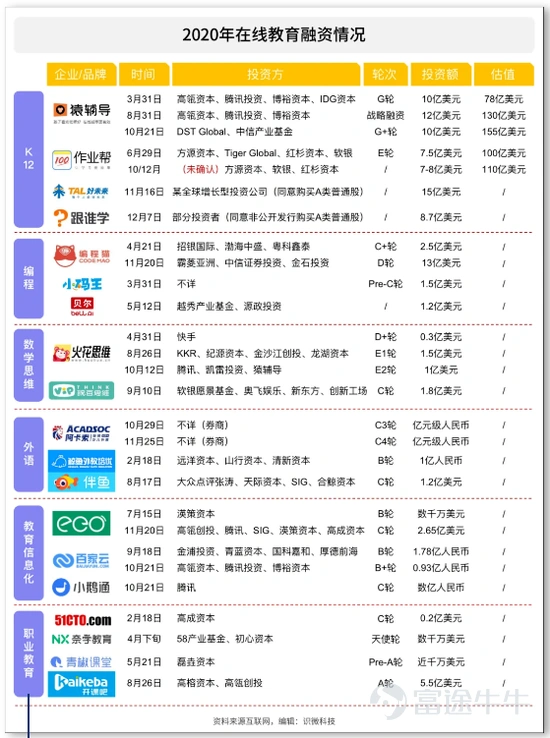
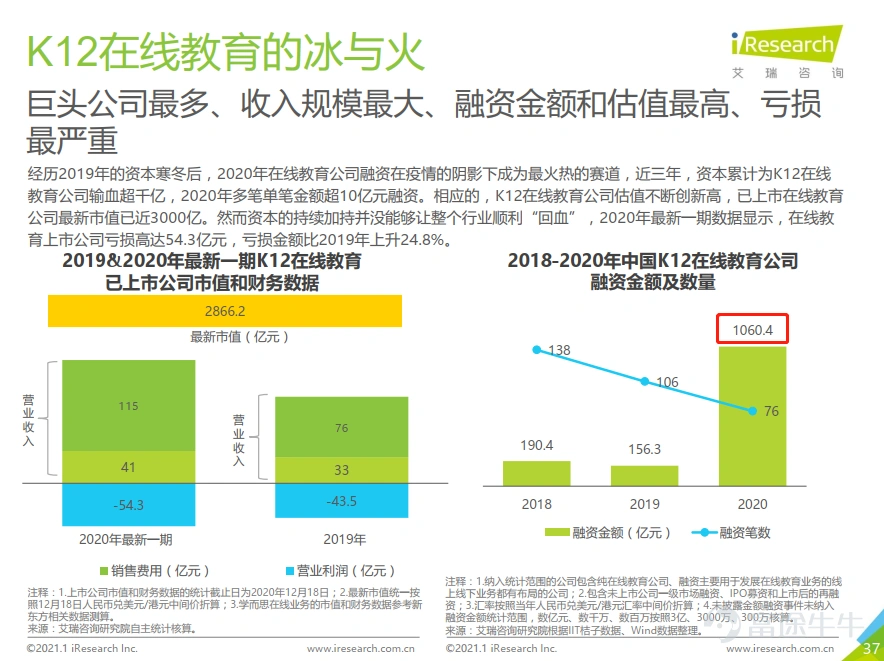
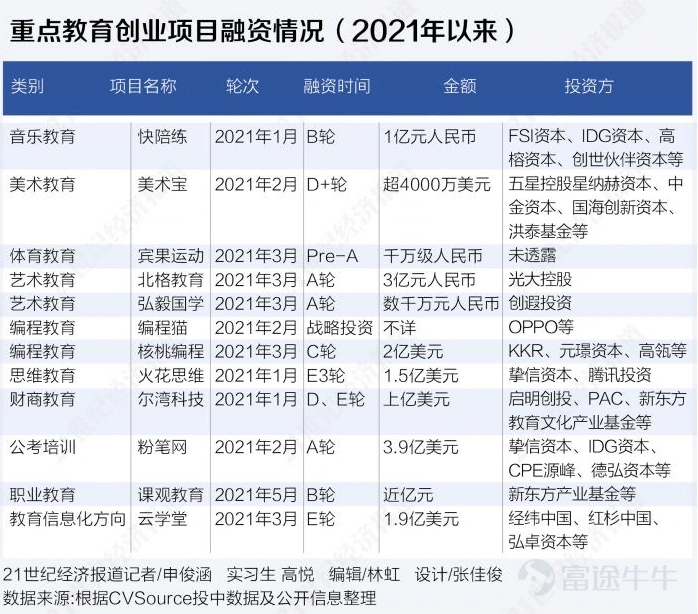
Multiple data sources (iResearch, Shiji Technology, NetEase, etc.) show that in 2020, financing for online education companies exceeded 50 billion yuan, reaching a historical high. From the beginning of 2021 to date, incomplete statistics indicate that the scale of financing for online education companies has surpassed 1 billion US dollars. The influx of substantial capital into the online education industry has directly resulted in relentless competition among major online education companies, intensifying internal industry struggles, and significantly increasing customer acquisition costs across the entire sector.


In this regard, we believe that the overall competition in online education is indeed very intense. However, the direct competitors of Zhanmen Education are not comprehensive K12 training companies like TAL Education or New Oriental Education, because until now, there are not many enterprises in the K12 field that focus on one-on-one tutoring as their main business. Although online education platforms such as Yuanfudao, Zuoyebang, TAL Education (TAL), and Gaotu Techedu (GOTU) have ventured into the one-on-one model, their primary revenue source still comes from large-class or small-class models.
Zhanmen Education's true direct competitors are in the niche track, specifically peers in online one-on-one tutoring (such as former Xueba100 and Haifeng Education). Compared to them, Zhanmen Education has obvious competitive advantages. This can be validated by Zhanmen Education’s absolute leading position in the niche track of online one-on-one tutoring, as its market share alone reaches 31.9%, surpassing the combined total of the other top ten companies in the industry.
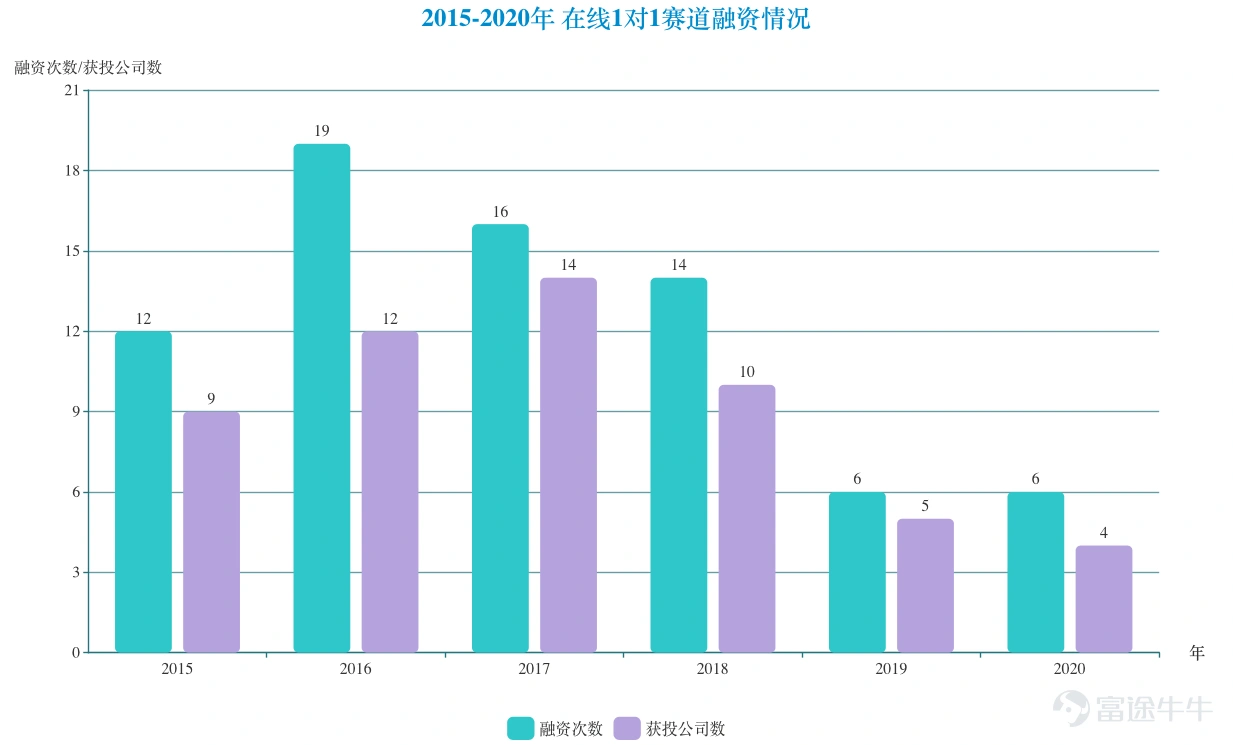
It is worth mentioning that online one-on-one tutoring was once the most fiercely competitive niche track within the online K12 training industry (which can be simply understood as = online large classes + online small classes + online one-on-one), especially during the peak financing period of 2017-2018.

However, after extremely brutal and fierce competition, Zhanmen Education became the final and largest winner in this niche track.Former competitors such as Liyou Education and Xueba1on1 were successively defeated by the end of 2018, and Haifeng Education, which had received over $100 million in Series C financing, also basically ceased operations in 2019. Zhanmen Education's ability to stand out in the most competitive track fully demonstrates how strong its core competitiveness is.
So, how did Zhanmen Education defeat its competitors and gradually grow into an industry leader amid such brutal competition? This involves an analysis of its core competitiveness.
According to its prospectus, Zhanmen Education believes that its core advantages lie in the following six points:
1) Industry leadership and brand power:One-on-one tutoring market share: 31.9%, greater than the combined total of the other top ten companies in the industry; ranked among the top three in small-class tutoring, with the fastest growth rate in Q4 2020 among the top five companies in the industry.
2) High-quality teaching team:3.8% acceptance rate (strict screening); well-structured promotion path, low turnover rate.
3) Empowerment through advanced technologies like AI and big data:Strong teaching support allows teachers to focus on teaching; optimized teaching experience for personalized education; better teacher-student and parent interaction to enhance learning outcomes; core data includes over 48,000 knowledge topics, more than 11 million smart lesson plans, over 130 million structured exercises, more than 500 content research experts, and four major research institutes.
4) Digital systems improve operational efficiency
5) Economies of scale bring business synergy:Zhangmen Education (teacher resources, localized content, efficient scheduling, rich data); —— Zhangmen Youke (293,000 paying students; Q4 2020 220.8% quarter-over-quarter growth; ~50% of teachers from Zhangmen 1-on-1)
6) Management focuses on the education field
In this regard, we believe that the true capability helping Zhangmen Education stand out from the competition,should be refined operational capabilities., specifically referring to products that are good, have high conversion efficiency, and lower customer acquisition costs than competitors. For example, assuming that Zhangmen Education's operational efficiency is 1.5 times that of its competitors, it can be simply understood as: for every 100 million yuan Zhangmen Education spends on marketing, its competitors need to spend 1.5 billion yuan; if Zhangmen Education invests 2 billion yuan, its competitors need to invest 3 billion yuan; if Zhangmen Education invests 5 billion yuan, its competitors need to invest 7 billion yuan.
Of course, real business competition is not as simple as the above, because competition between companies is multi-dimensional. Taking refined operation capabilities as an example, the supporting factors behind it cannot be separated from: the score-improving effect of one-on-one products, standardized teaching and research capabilities, students' personalized data and AI capabilities. Behind these factors, there are underlying factors, namely the founding team’s insight into the industry, execution ability, and financing capabilities.
In summary, benefiting from advantages in teaching research, brand influence, and technological superiority, Zhangmen Education's leading position in the one-on-one online training field is difficult to shake easily.
However, considering that Zhangmen Education is currently expanding beyond the one-on-one online model, such as into the small online class model, we believe that Zhangmen Education will face increasing competitive pressure from top K12 training companies (such as TAL Education Group and New Oriental). The specific impact requires continuous tracking.
3. Regulatory Policy
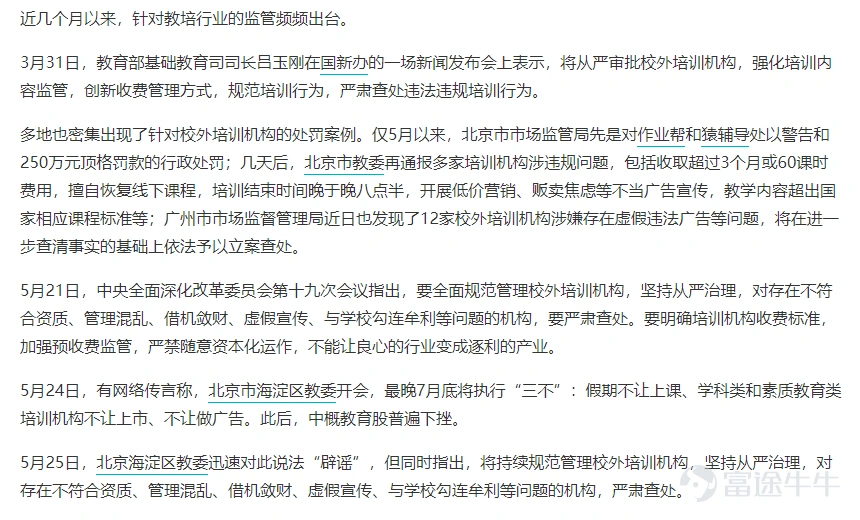
Stricter industry regulation should be one of the reasons investors are most concerned about K12 training companies. Since the beginning of this year, the state has indeed frequently introduced regulatory measures targeting the education and training industry. For instance, on the afternoon of May 21, the 19th meeting of the Central Committee for Deepening Overall Reform reviewed and approved the 'Opinion on Further Reducing the Homework Burden and Off-Campus Training Burden for Students in the Compulsory Education Stage.' As a result, the much-anticipated 'double reduction' policy in the education and training industry is about to officially land.

The meeting pointed out that it is necessary to comprehensively standardize and manage off-campus training institutions, adhere to strict governance, and seriously investigate institutions with issues such as lack of qualifications, chaotic management, profiteering under false pretenses, deceptive advertising, or colluding with schools for profit. Clear standards for training institution fees must be established, prepayment supervision strengthened, arbitrary capitalization operations strictly prohibited, and prevent the conscientious industry from becoming a profit-driven one.
In this regard, we believe that K12 training companies will face further rectification, but the purpose of the policy is to regulate rather than shut down. In the short term, there may be some impact, but in the long run, it is beneficial for the healthy development of the industry.
Specifically, regarding the impact on Zhangmen Education, we believe that it mainly affects the IPO valuation due to investors being more cautious about the future prospects of listed companies in the K12 training sector.
In summary, the current regulatory storm faced by the K12 training industry will indeed impact the short-term operational performance of companies within the industry. However, we believe that in the medium to long term, stricter regulation will directly result in non-compliant companies being eliminated, and ultimately, the clear beneficiaries will be the industry leaders. Considering Zhangmen Education’s relatively abundant funds and its strong self-sustaining ability, its true long-term survival pressure is also minimal.
4. Growth potential
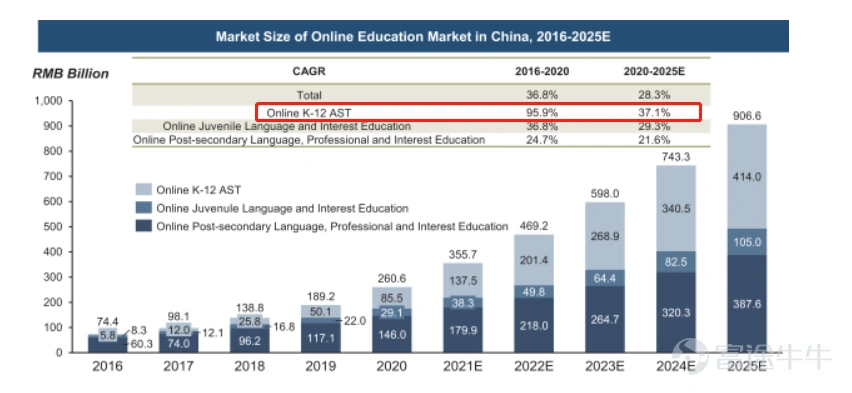
From the perspective of the overall industry, according to the Frost & Sullivan report, the penetration rate of the online K12 training industry still has significant room for growth. In terms of the entire online K12 sector, the compound annual growth rate (CAGR) over the past four years has been 96%, which is extremely rapid. The total industry revenue remains around 85.5 billion yuan and is expected to maintain a CAGR of 37% over the next five years, reaching an estimated market size of 414 billion yuan by 2025. Thus, currently, the online K12 training industry is still in a high-growth phase, far from reaching its ceiling.

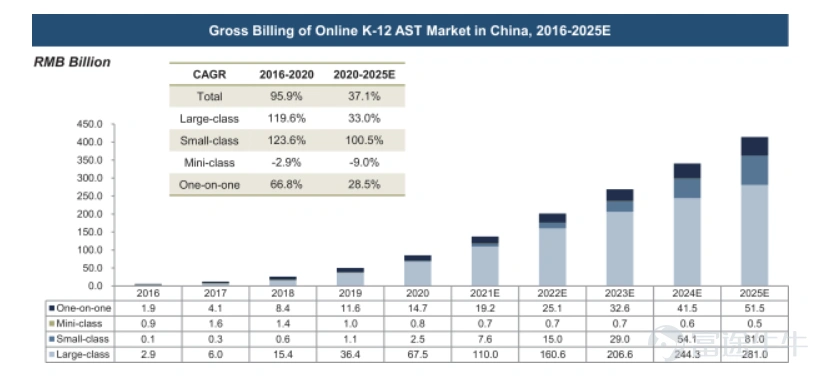
Specifically, within the sub-sector of one-on-one online K12 tutoring, the CAGR over the past five years was as high as 67%. It is projected that the CAGR for the next five years will remain at 29%, with the corresponding industry size growing from 14.7 billion yuan in 2020 to 51.5 billion yuan by 2025! Considering Zhanmen Education's current revenue scale is approximately 4 billion yuan, there is still a tenfold growth potential ahead.


In summary, it is not difficult to see that Zhanmen Education’s revenue ceiling is very broad. Of course, expansion on the demand side does not necessarily mean that Zhanmen Education will capture this incremental growth; more importantly, the supply-side flexibility needs to be considered, meaning the final competitive landscape of the industry.
5. Performance Highlights
Simply analyzing the three main financial statements, it is obvious that although Zhanmen Education has yet to turn a profit, its revenue has maintained rapid growth.


In fact, benefiting from its business model, Zhanmen Education’s advance receipts and operating cash flow are relatively healthy, and the company also possesses self-sustaining capabilities. Additionally, deferred revenue, a leading indicator of future performance growth, has also shown healthy growth for Zhanmen Education.

Moreover, compared to financial metrics, the health of core operational indicators is even more critical. Taking the most important metric—paying student enrollments—as an example, Zhanmen Education’s paying student numbers in 2020 and Q1 2021 both showed rapid growth, indicating a very positive trend in its business operations.

III. Investment Conclusion
All analyses lead to the final investment conclusion.
After examining the five key aspects—business model, industry competition, regulatory policies, growth potential, and performance—we believe that the one-on-one online tutoring business model of Zhangmen Education is viable. The company itself possesses strong core competitiveness, evidenced by becoming the ultimate and largest winner in the fiercely competitive online one-on-one tutoring niche, with a market share far exceeding that of other competitors. Additionally, given the company's robust financial position, stable cash flow generation, formidable competitiveness, and the industry’s vast growth prospects, it is highly likely to maintain medium to high growth rates moving forward.
However, considering the regulatory policy's suppression of investor sentiment and its short-term negative impact on operations, the post-IPO stock price performance of Zhangmen Education will still depend on whether it can resolve the issue of profitability.
Risk Disclaimer: The above content only represents the author's view. It does not represent any position or investment advice of Futu. Futu makes no representation or warranty.Read more
Comments
to post a comment
22
13