The Fed raises interest rates for the first time in three years! How will the market react?

8:30 PM tonight! CPI is here—will US stocks hit new highs or fall into a new pit?
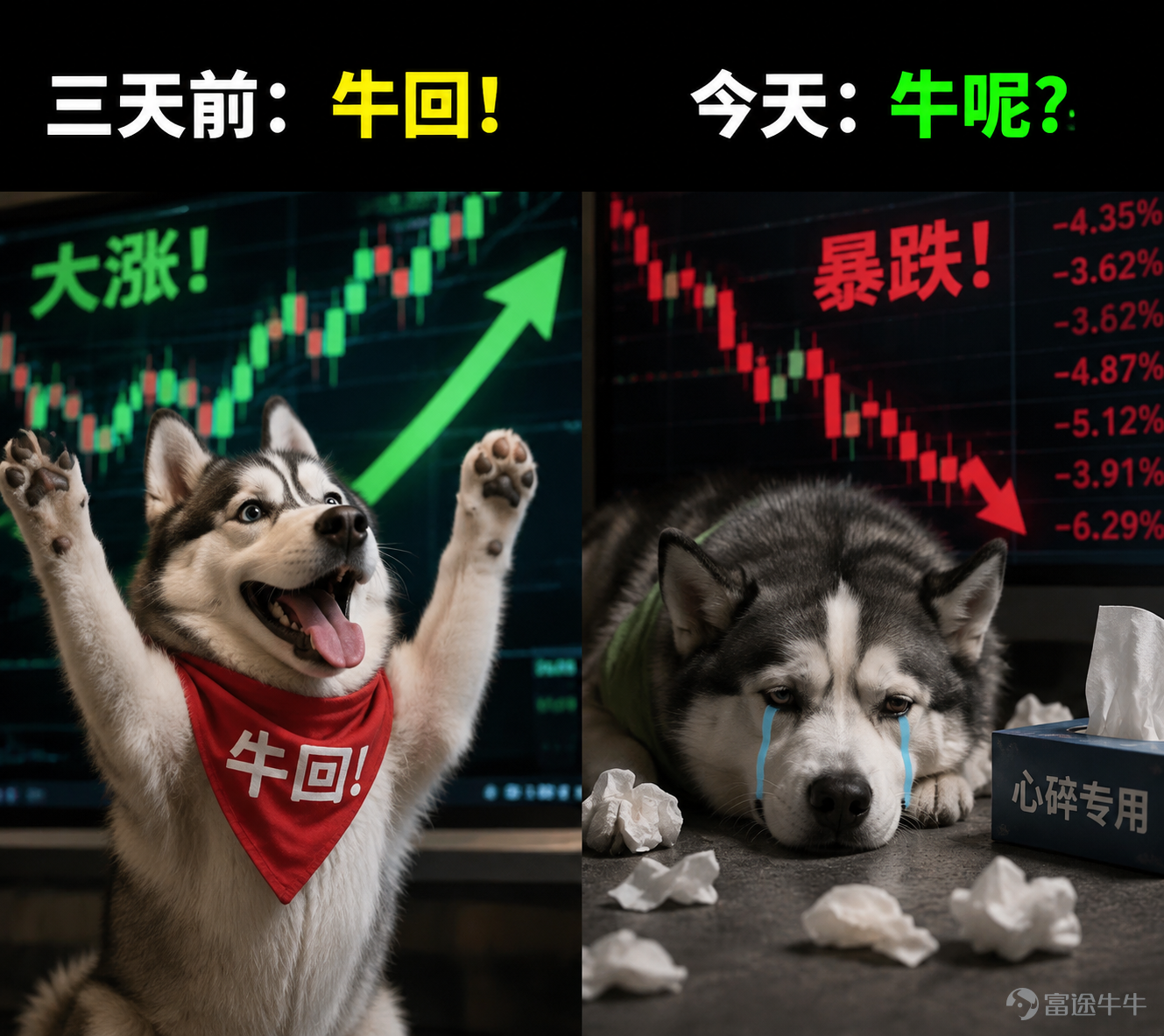
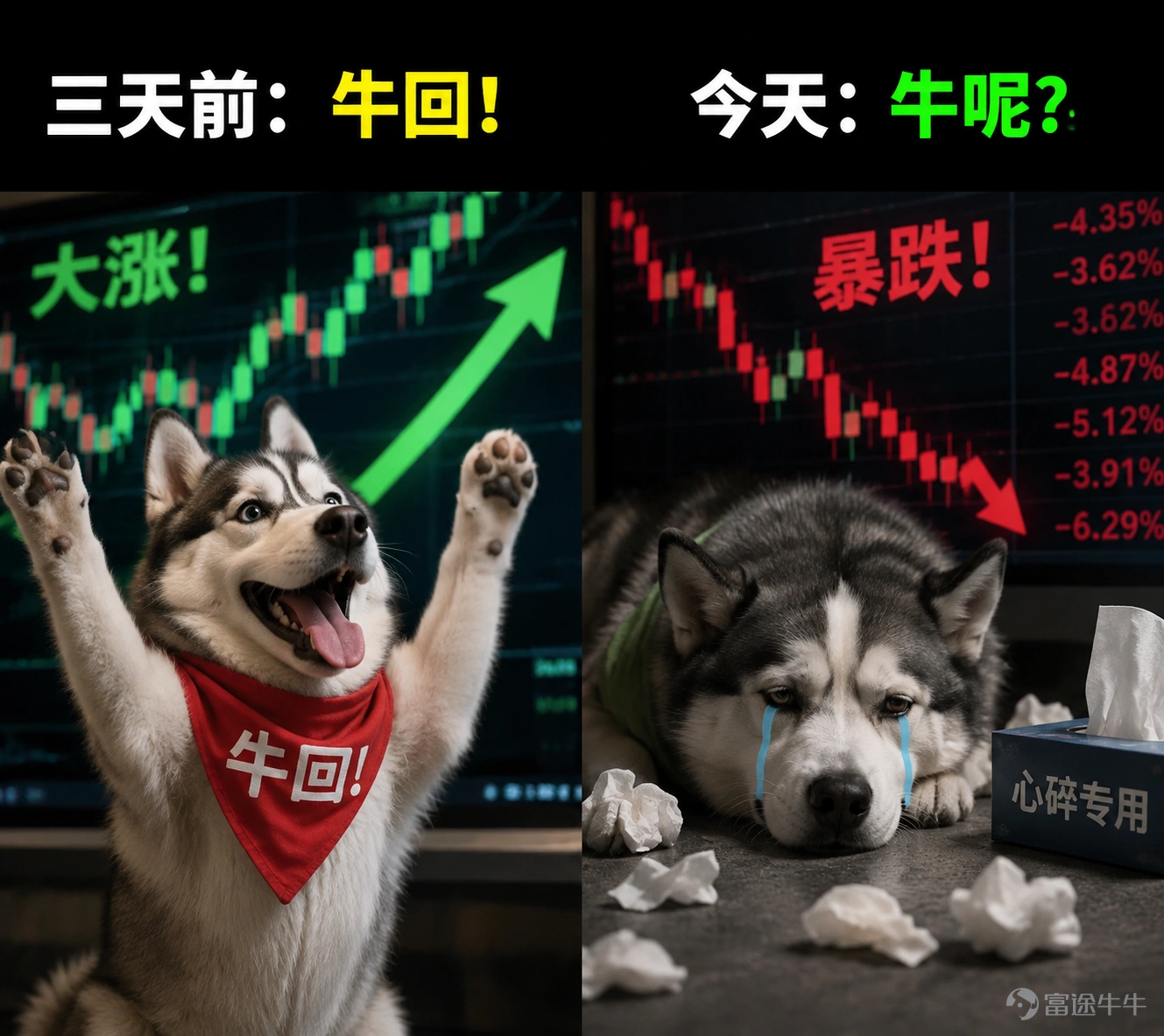
U.S. stocks have already fallen for two consecutive days this Tuesday. The S&P 500 closed at 7,753, down 0.06%; the Nasdaq dropped 0.32%; and the Dow Jones Industrial Average fell 0.11% to close at 53,975. Just three days ago, when it was hovering near the all-time high of 7,757, everyone was shouting 'The bull is back!' Now, panic is already setting in.
Because everyone is waiting for tonight’s 8:30 p.m. release—the U.S. July CPI data.
First, let’s see what the market is betting on.
The market broadly expects the headline CPI year-over-year rate to ease from 3.5% to3.4%, and core CPI to decline from 2.6% to2.5%. The Cleveland Fed forecasts headline CPI will rise just 0.09% month-over-month, while Goldman Sachs projects core CPI up 0.19%—slightly below consensus.
The logic is simple: lower inflation → reduced rate hike expectations → US stocks keep soaring.
But what if it doesn’t drop?
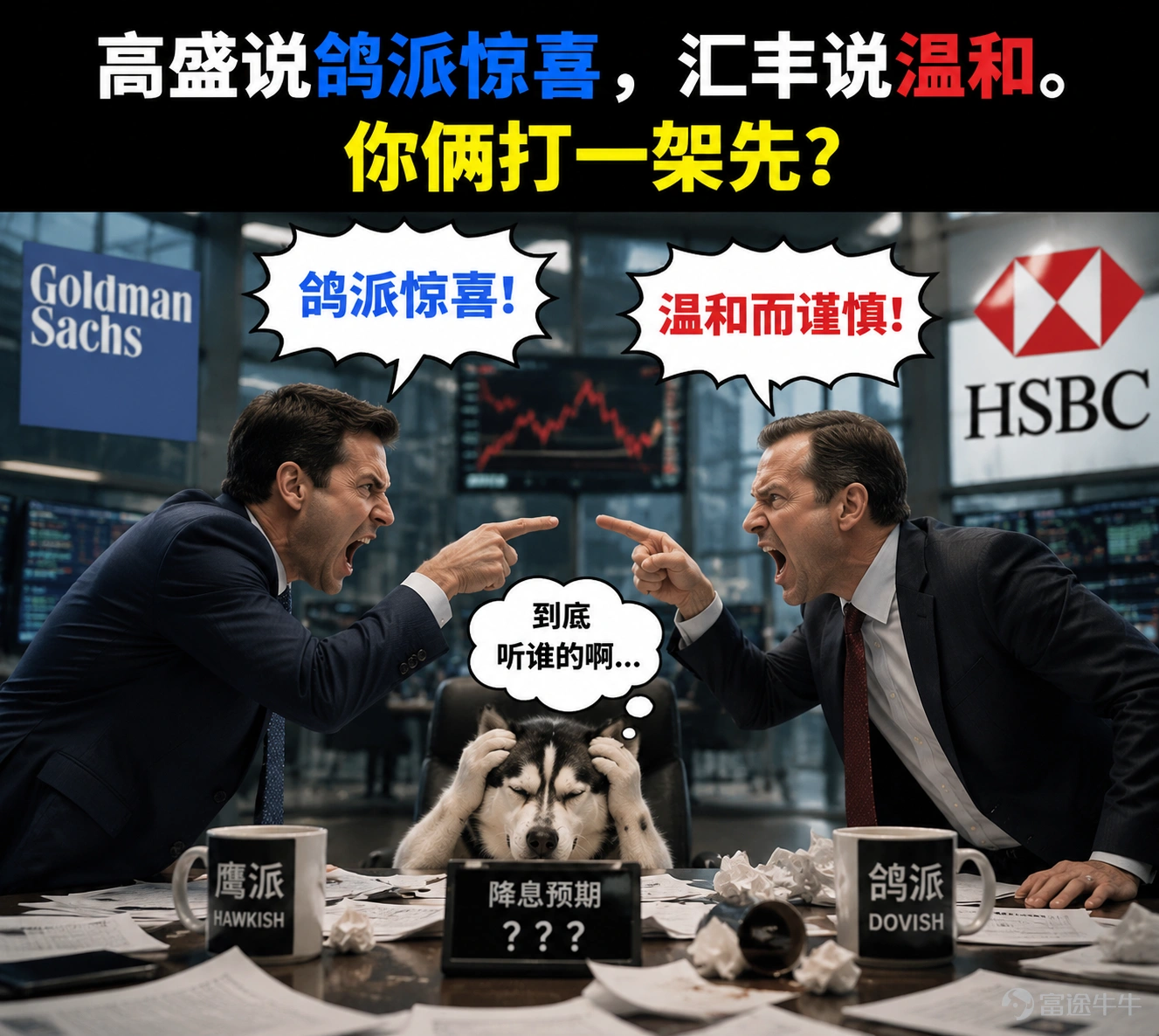
Bank of America economists noted that a report in line with expectations “would strengthen the Fed’s case for hiking rates in September.” Meeting expectations would actually be bearish. It’s a convoluted logic—good news is bad news, bad news is good news, and even good news that isn’t strong enough counts as bad news.
At the Fed, the show has already begun.
Just before the CPI release, Goolsbee turned hawkish: “We do have an inflation problem, and people hate inflation.” Harker went even further—she said the Fed “may need more than one rate hike.” According to CME data:There’s a 52% probability of unchanged rates in September and a 48% chance of a rate hike. It’s essentially a coin toss.
This coin will land right before your eyes tonight at 20:30—*snap*. Guess right, and the market rewards you with a strong bullish candle; guess wrong, and it slaps you hard—your position vanishes, and you’re left numb.
But inflation is only Side A for tonight—the flip side is Iran.
Talks over the Strait of Hormuz have collapsed again. Houthi forces attacked commercial vessels in the Red Sea, killing four crew members. Brent crude has risen for a sixth consecutive day, nearing $90. Rising oil prices fuel higher inflation expectations, which in turn boost the likelihood of further rate hikes.
Iran is doing the shorts’ dirty work—and not even charging for it.
The technicals have already turned against bulls.
The S&P 500 hit an intraday high of 7,767 yesterday—its opening print was the session high—before selling off steadily to a low of 7,717 and closing at 7,728. It opened high and sold off all day, forming a solid bearish candle with no meaningful pushback from bulls.
The MACD histogram has already dipped below the zero line. Of the 12 moving average indicators, six signal bullishness and six bearishness—deadlocked. The Williams %R has entered oversold territory, indicating short-term sentiment has turned pessimistic. Bank of America has raised its year-end S&P targets to 8,000, 8,234, and 8,541. But current technicals are telling you one thing: expect a near-term pullback first.
Key price levels:
The first support level for the S&P sits at 7,715—the index tested that yesterday, hitting a low of 7,717. If that level fails to hold, the next stop is the 7,700–7,648 range.
The Nasdaq Composite posted a low of 26,372 yesterday and closed at 26,445. Immediate support lies between 26,372 and 26,200, with the next major psychological floor at the 26,000 mark. Resistance stands near 26,672 on the upside.
The S&P 500 closed at 7,757.64 last Friday, marking a record high close. The index had earlier touched an intraday high of 7,793.68 on Wednesday during this rally.
One-sentence summary:
CPI data came in fine, but the market isn’t buying it. Rate-cut expectations are fading, inflation remains elevated, oil prices are rising, and technical indicators are weakening.
Set aside the 7,757 peak for now in the short term. Wait for the next catalyst.
Risk Disclaimer: The above content only represents the author's view. It does not represent any position or investment advice of Futu. Futu makes no representation or warranty.Read more


Comments
to post a comment
8