
English
Back
Open Account
北交所開市!如何把握投資機會?
格隆汇GuruClub
joined discussion · Nov 16, 2021 09:09

The Beijing Stock Exchange Opens—In Search of the Next 'Ning Wang'

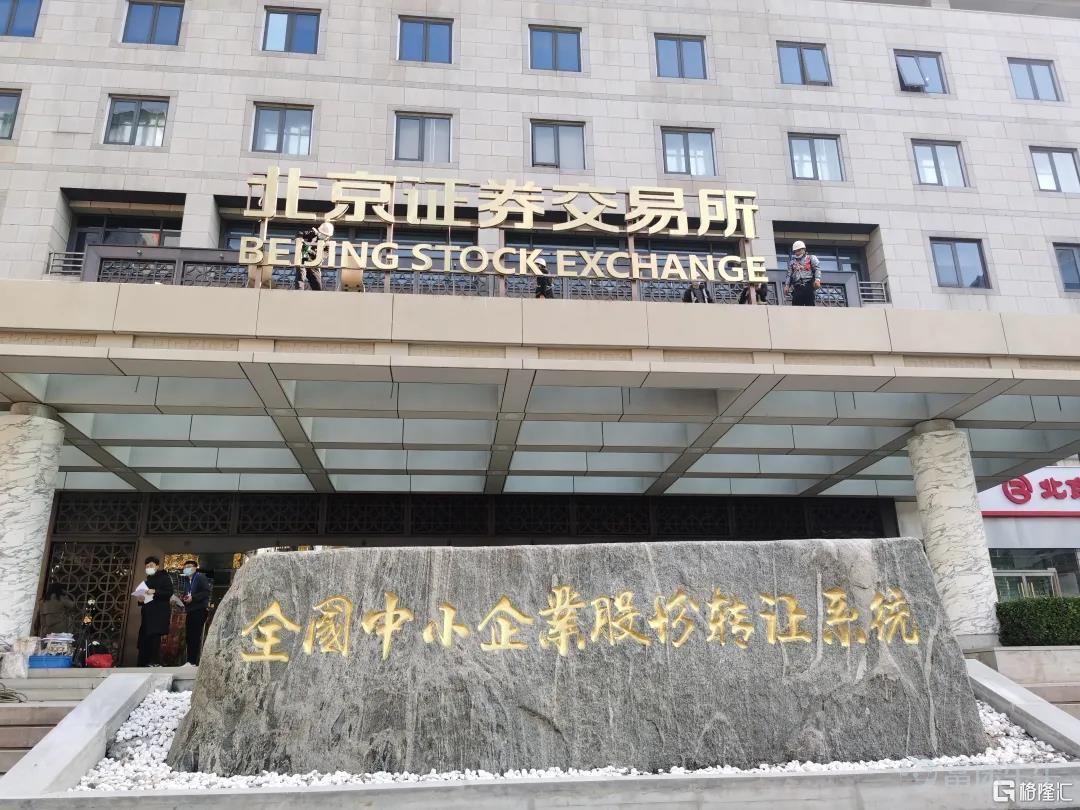
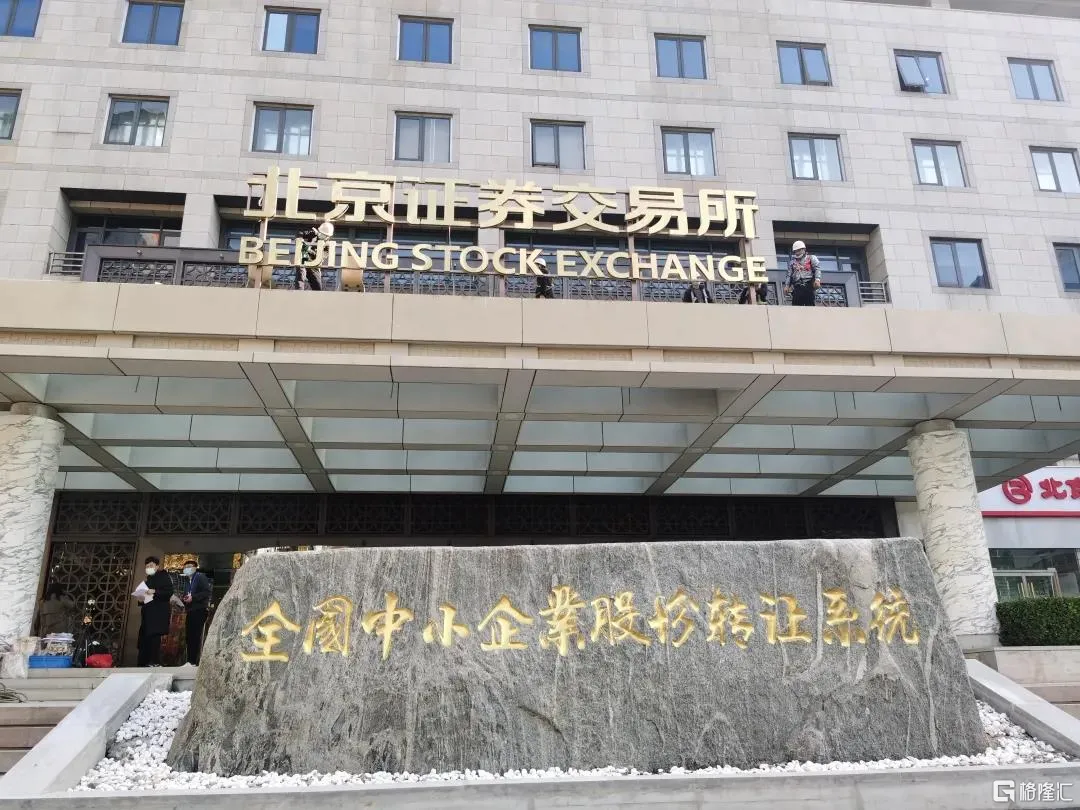
At 9:30 a.m. on November 15, the Beijing Stock Exchange officially commenced trading.This is an important and historic moment.
At 9:30 a.m. on November 15, the Beijing Stock Exchange officially commenced trading. This marks a significant and historic moment. Millions of investors are eagerly anticipating that the Beijing Stock Exchange will bring a fresh new look and transformative change to China's capital market. Yet Rome was not built in a day; the establishment and listing on the Beijing Stock Exchange represent a win-win situation for the nation, the people, and investors alike. However, it will still take time before the exchange can truly shine and fulfill its due historical responsibility. Regardless, today marks the first step—The Beijing Stock Exchange has truly arrived! 1 Ice and Fire Today, a total of 81 stocks were listed: 10 new shares and 71 transfers from the Select Tier of the New Third Board. The market has adopted markedly different attitudes toward the two groups. Ten newly listed stocks posted minimum gains of over 112%, with the highest surging as much as 494%—all attributable to N Tongxin. The company specializes in constant-velocity drive shafts and related components, serving the truck, bus, construction-equipment, and special-vehicle markets. From 2016 to 2020, its revenue and net profit attributable to owners recorded compound annual growth rates of 20.68% and 39.58%, respectively; in the first half of this year, these figures grew by 8.58% and 6.9%, respectively. Over the past five years, its gross margin has remained broadly stable at around 35%, while its net margin has climbed from 12.5% in 2016 to 21.13% in 2020. During the same period, its return on equity rose from 8.12% to 19.26%. In addition, N Tongxin's initial public offering price-to-earnings ratio was only 15.45 times, and given its solid profitability, today's sharp stock-price surge was entirely expected. In addition, N Dadi and N Zhisheng both surged by more than 230%, ranking among the top gainers. The main rationale behind the sharp rally...
Millions of investors are eagerly anticipating that the Beijing Stock Exchange will bring a fresh new look and transformative change to China's capital market. Yet Rome was not built in a day; the establishment and listing on the Beijing Stock Exchange represent a win-win situation for the nation, the people, and investors alike. However, it will still take time before the exchange can truly shine and fulfill its due historical responsibility.
Regardless, today marks the first step—the Beijing Stock Exchange has truly arrived!
1
Ice and Fire
Today, a total of 81 stocks were listed: 10 new shares and 71 transfers from the Select Tier of the New Third Board. The market has adopted markedly different attitudes toward the two groups.
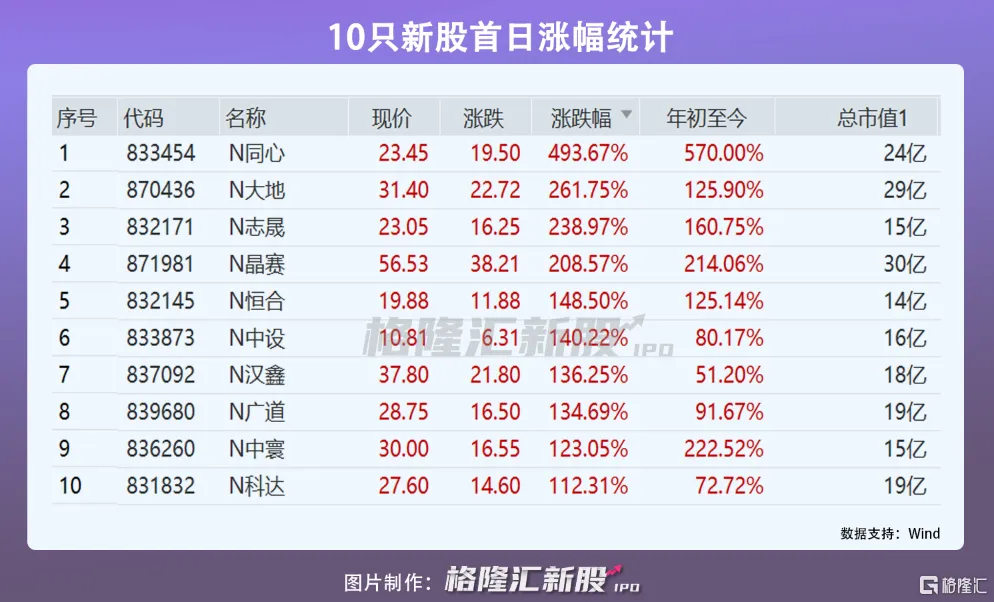
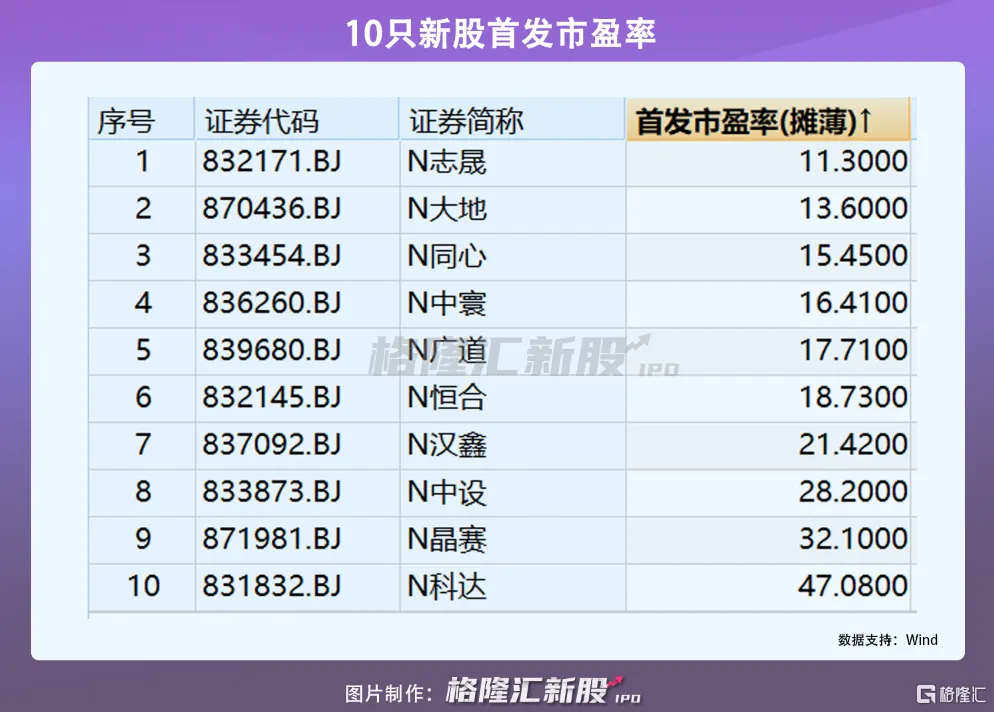
The 10 new stocks saw minimum gains of over 112%, with the highest surge reaching 494%—all for N Tongxin.The company specializes in constant-velocity and non-constant-velocity drive shafts and related components, serving the truck, bus, construction equipment, and special-purpose vehicle markets. From 2016 to 2020, its revenue and net profit attributable to owners posted compound annual growth rates (CAGRs) of 20.68% and 39.58%, respectively; in the first half of this year, these figures grew by 8.58% and 6.9%, respectively. Over the past five years, the gross margin has remained broadly stable at around 35%, while the net profit margin has risen from 12.5% in 2016 to 21.13% in 2020. During the same period, return on equity increased from 8.12% to 19.26%. In addition, N Tongxin's IPO price-to-earnings ratio was only 15.45 times, and given its solid profitability, today's sharp stock-price surge was entirely expected.
At 9:30 a.m. on November 15, the Beijing Stock Exchange officially commenced trading. This marks a significant and historic moment. Millions of investors are eagerly anticipating that the Beijing Stock Exchange will bring a fresh new look and transformative change to China's capital market. Yet Rome was not built in a day; the establishment and listing on the Beijing Stock Exchange represent a win-win situation for the nation, the people, and investors alike. However, it will still take time before the exchange can truly shine and fulfill its due historical responsibility. Regardless, today marks the first step—The Beijing Stock Exchange has truly arrived! 1 Ice and Fire Today, a total of 81 stocks were listed: 10 new shares and 71 transfers from the Select Tier of the New Third Board. The market has adopted markedly different attitudes toward the two groups. Ten newly listed stocks posted minimum gains of over 112%, with the highest surging as much as 494%—all attributable to N Tongxin. The company specializes in constant-velocity drive shafts and related components, serving the truck, bus, construction-equipment, and special-vehicle markets. From 2016 to 2020, its revenue and net profit attributable to owners recorded compound annual growth rates of 20.68% and 39.58%, respectively; in the first half of this year, these figures grew by 8.58% and 6.9%, respectively. Over the past five years, its gross margin has remained broadly stable at around 35%, while its net margin has climbed from 12.5% in 2016 to 21.13% in 2020. During the same period, its return on equity rose from 8.12% to 19.26%. In addition, N Tongxin's initial public offering price-to-earnings ratio was only 15.45 times, and given its solid profitability, today's sharp stock-price surge was entirely expected. In addition, N Dadi and N Zhisheng both surged by more than 230%, ranking among the top gainers. The main rationale behind the sharp rally...
In addition, N Dadi and N Zhisheng both surged by more than 230%, ranking among the top gainers. One of the main drivers behind these sharp rallies is the upward revision of valuations, as their initial public offering price-to-earnings ratios were only 13.6x and 11.3x, respectively.
At 9:30 a.m. on November 15, the Beijing Stock Exchange officially commenced trading. This marks a significant and historic moment. Millions of investors are eagerly anticipating that the Beijing Stock Exchange will bring a fresh new look and transformative change to China's capital market. Yet Rome was not built in a day; the establishment and listing on the Beijing Stock Exchange represent a win-win situation for the nation, the people, and investors alike. However, it will still take time before the exchange can truly shine and fulfill its due historical responsibility. Regardless, today marks the first step—The Beijing Stock Exchange has truly arrived! 1 Ice and Fire Today, a total of 81 stocks were listed: 10 new shares and 71 transfers from the Select Tier of the New Third Board. The market has adopted markedly different attitudes toward the two groups. Ten newly listed stocks posted minimum gains of over 112%, with the highest surging as much as 494%—all attributable to N Tongxin. The company specializes in constant-velocity drive shafts and related components, serving the truck, bus, construction-equipment, and special-vehicle markets. From 2016 to 2020, its revenue and net profit attributable to owners recorded compound annual growth rates of 20.68% and 39.58%, respectively; in the first half of this year, these figures grew by 8.58% and 6.9%, respectively. Over the past five years, its gross margin has remained broadly stable at around 35%, while its net margin has climbed from 12.5% in 2016 to 21.13% in 2020. During the same period, its return on equity rose from 8.12% to 19.26%. In addition, N Tongxin's initial public offering price-to-earnings ratio was only 15.45 times, and given its solid profitability, today's sharp stock-price surge was entirely expected. In addition, N Dadi and N Zhisheng both surged by more than 230%, ranking among the top gainers. The main rationale behind the sharp rally...
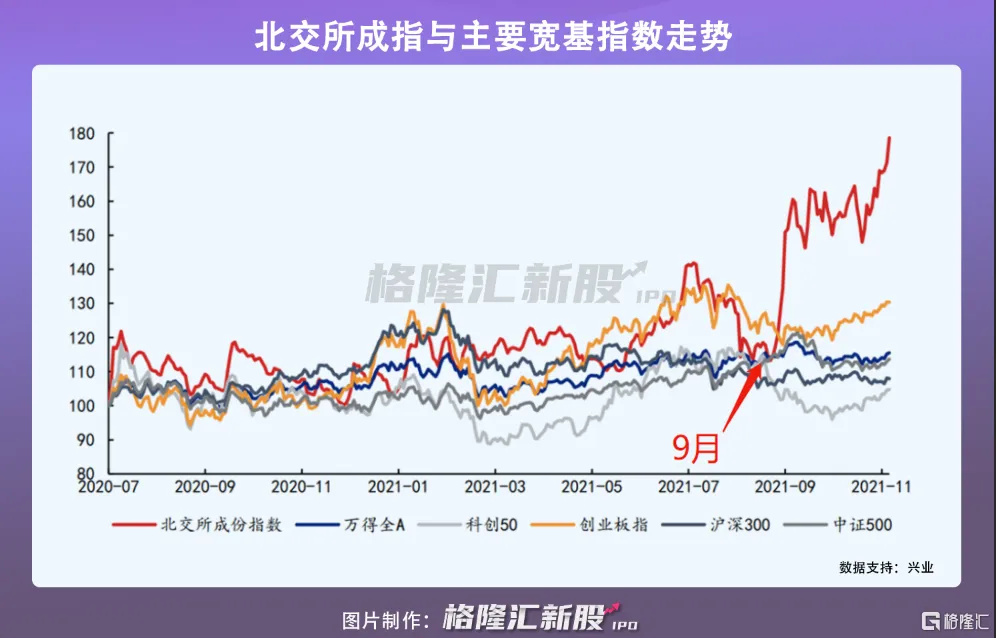
However, on the very first day that 59 stocks from the Select Tier of the New Third Board were listed on the Beijing Stock Exchange, they all turned sharply lower. Sixteen of these stocks plunged by more than 10%, including Tonghui Information, Yintu Network, Shibi Bai, and Changhong Energy, while 40 stocks fell by over 7%, accounting for a whopping 50% of the total. The underlying rationale for this widespread plunge is that the 'shoe has finally dropped': back in early September, when the establishment of the Beijing Stock Exchange was announced, the Select Tier experienced a substantial rally, driving valuation levels up too quickly and even giving rise to a notable bubble.
At 9:30 a.m. on November 15, the Beijing Stock Exchange officially commenced trading. This marks a significant and historic moment. Millions of investors are eagerly anticipating that the Beijing Stock Exchange will bring a fresh new look and transformative change to China's capital market. Yet Rome was not built in a day; the establishment and listing on the Beijing Stock Exchange represent a win-win situation for the nation, the people, and investors alike. However, it will still take time before the exchange can truly shine and fulfill its due historical responsibility. Regardless, today marks the first step—The Beijing Stock Exchange has truly arrived! 1 Ice and Fire Today, a total of 81 stocks were listed: 10 new shares and 71 transfers from the Select Tier of the New Third Board. The market has adopted markedly different attitudes toward the two groups. Ten newly listed stocks posted minimum gains of over 112%, with the highest surging as much as 494%—all attributable to N Tongxin. The company specializes in constant-velocity drive shafts and related components, serving the truck, bus, construction-equipment, and special-vehicle markets. From 2016 to 2020, its revenue and net profit attributable to owners recorded compound annual growth rates of 20.68% and 39.58%, respectively; in the first half of this year, these figures grew by 8.58% and 6.9%, respectively. Over the past five years, its gross margin has remained broadly stable at around 35%, while its net margin has climbed from 12.5% in 2016 to 21.13% in 2020. During the same period, its return on equity rose from 8.12% to 19.26%. In addition, N Tongxin's initial public offering price-to-earnings ratio was only 15.45 times, and given its solid profitability, today's sharp stock-price surge was entirely expected. In addition, N Dadi and N Zhisheng both surged by more than 230%, ranking among the top gainers. The main rationale behind the sharp rally...
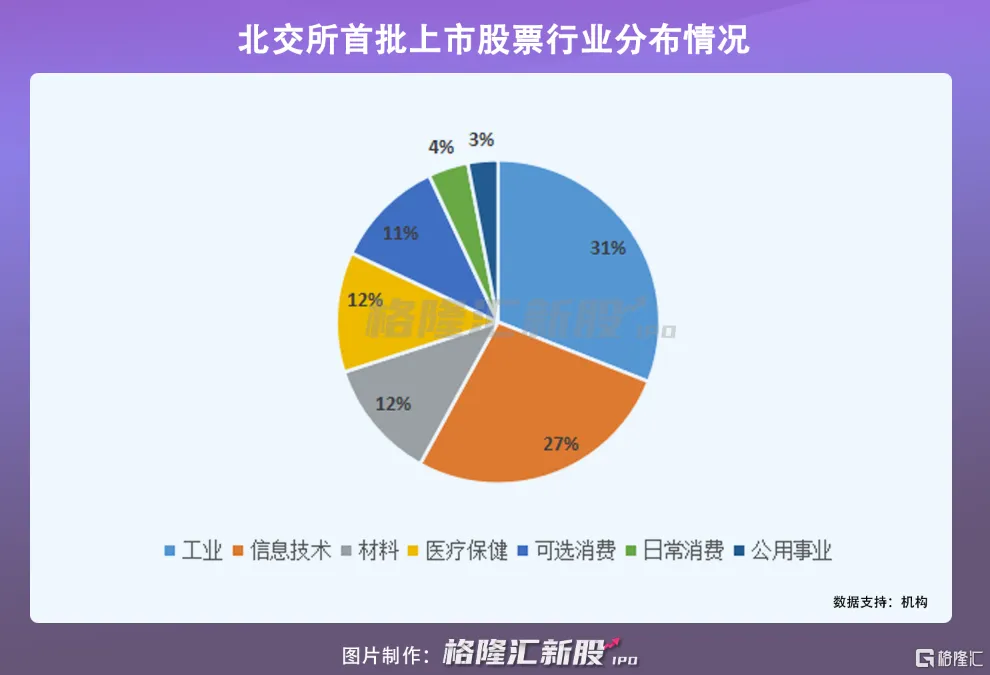
The initial cohort of 81 companies is concentrated in sectors such as advanced manufacturing and modern services, with the industrial sector accounting for 31% and information technology for 27%; the materials and healthcare sectors each account for 12%. Meanwhile, the Beijing Stock Exchange currently lists 16 'specialized, refined, distinctive, and innovative' enterprises, representing 19.8% of the total number but only 14.9% of the total market capitalization.
At 9:30 a.m. on November 15, the Beijing Stock Exchange officially commenced trading. This marks a significant and historic moment. Millions of investors are eagerly anticipating that the Beijing Stock Exchange will bring a fresh new look and transformative change to China's capital market. Yet Rome was not built in a day; the establishment and listing on the Beijing Stock Exchange represent a win-win situation for the nation, the people, and investors alike. However, it will still take time before the exchange can truly shine and fulfill its due historical responsibility. Regardless, today marks the first step—The Beijing Stock Exchange has truly arrived! 1 Ice and Fire Today, a total of 81 stocks were listed: 10 new shares and 71 transfers from the Select Tier of the New Third Board. The market has adopted markedly different attitudes toward the two groups. Ten newly listed stocks posted minimum gains of over 112%, with the highest surging as much as 494%—all attributable to N Tongxin. The company specializes in constant-velocity drive shafts and related components, serving the truck, bus, construction-equipment, and special-vehicle markets. From 2016 to 2020, its revenue and net profit attributable to owners recorded compound annual growth rates of 20.68% and 39.58%, respectively; in the first half of this year, these figures grew by 8.58% and 6.9%, respectively. Over the past five years, its gross margin has remained broadly stable at around 35%, while its net margin has climbed from 12.5% in 2016 to 21.13% in 2020. During the same period, its return on equity rose from 8.12% to 19.26%. In addition, N Tongxin's initial public offering price-to-earnings ratio was only 15.45 times, and given its solid profitability, today's sharp stock-price surge was entirely expected. In addition, N Dadi and N Zhisheng both surged by more than 230%, ranking among the top gainers. The main rationale behind the sharp rally...
In the second quarter, the first batch of 81 companies posted revenue growth of 34.1%, second only to the STAR Market, maintaining robust overall growth. Net profit growth in Q2 was 36%, significantly lower than that of the STAR Market and slightly below that of the Main Board, but marginally higher than that of the ChiNext.
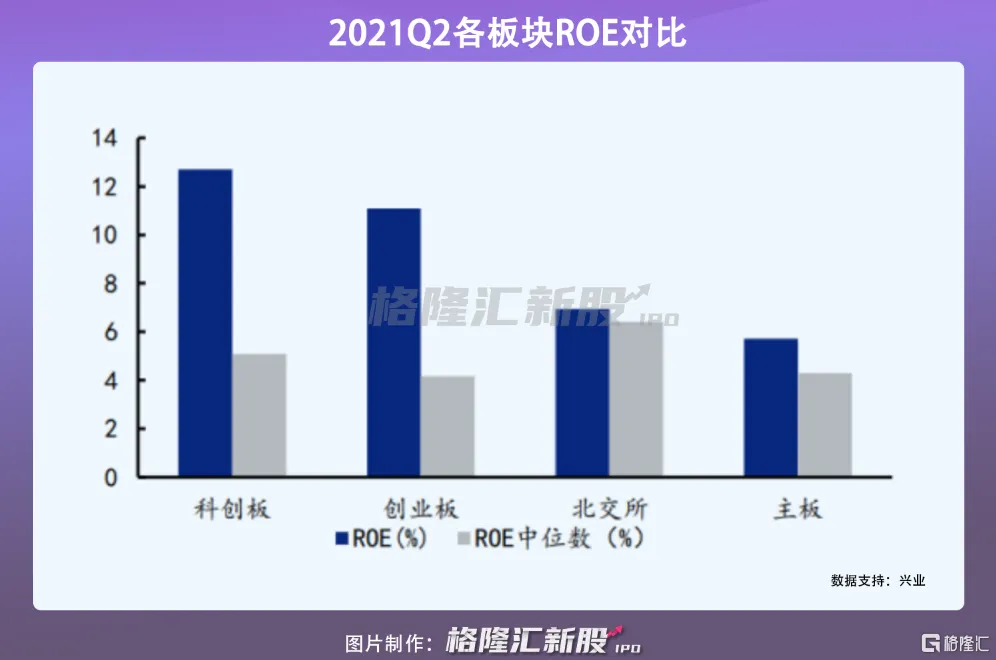
The gross profit margin for Q2 was 27%, higher than that of the Main Board but broadly on par with the ChiNext Board, though lower than the STAR Market. In terms of return on equity (ROE), Q2 stood at 6.93%, exceeding the Main Board but significantly below both the ChiNext Board and the STAR Market. Research and development expenditure as a percentage of revenue was 4.54%, matching the ChiNext Board and falling short of the STAR Market; however, R&D spending grew at a robust 48.9% year-on-year, the fastest among all market segments.
At 9:30 a.m. on November 15, the Beijing Stock Exchange officially commenced trading. This marks a significant and historic moment. Millions of investors are eagerly anticipating that the Beijing Stock Exchange will bring a fresh new look and transformative change to China's capital market. Yet Rome was not built in a day; the establishment and listing on the Beijing Stock Exchange represent a win-win situation for the nation, the people, and investors alike. However, it will still take time before the exchange can truly shine and fulfill its due historical responsibility. Regardless, today marks the first step—The Beijing Stock Exchange has truly arrived! 1 Ice and Fire Today, a total of 81 stocks were listed: 10 new shares and 71 transfers from the Select Tier of the New Third Board. The market has adopted markedly different attitudes toward the two groups. Ten newly listed stocks posted minimum gains of over 112%, with the highest surging as much as 494%—all attributable to N Tongxin. The company specializes in constant-velocity drive shafts and related components, serving the truck, bus, construction-equipment, and special-vehicle markets. From 2016 to 2020, its revenue and net profit attributable to owners recorded compound annual growth rates of 20.68% and 39.58%, respectively; in the first half of this year, these figures grew by 8.58% and 6.9%, respectively. Over the past five years, its gross margin has remained broadly stable at around 35%, while its net margin has climbed from 12.5% in 2016 to 21.13% in 2020. During the same period, its return on equity rose from 8.12% to 19.26%. In addition, N Tongxin's initial public offering price-to-earnings ratio was only 15.45 times, and given its solid profitability, today's sharp stock-price surge was entirely expected. In addition, N Dadi and N Zhisheng both surged by more than 230%, ranking among the top gainers. The main rationale behind the sharp rally...
As such, the overall quality of the first batch of 81 companies is not as strong as expected, and they still lag considerably behind those listed on the STAR Market and the ChiNext Board.Compared with other boards, companies listed on the Beijing Stock Exchange must achieve significantly higher and more robust earnings growth to offset the uncertainty surrounding their future development if they are to command similarly high valuations. Unfortunately, however, this cohort of listed firms starts from a low performance base, and their growth rates are generally even slower than those on other boards.
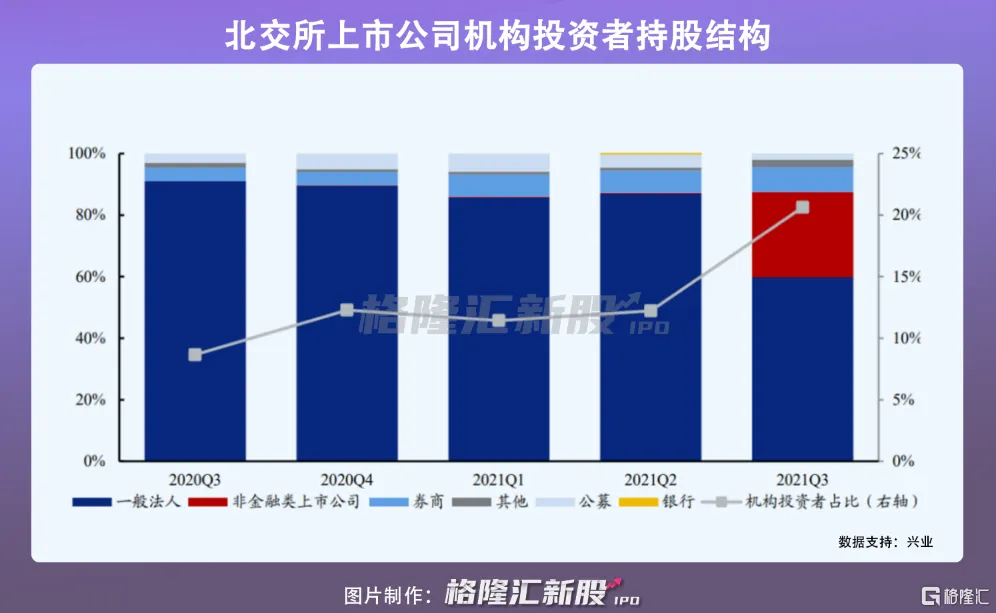
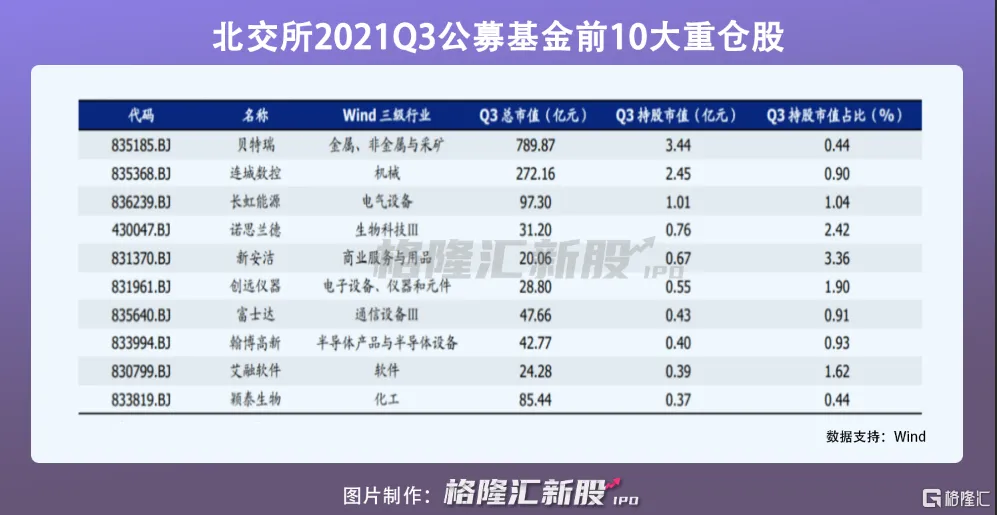
We must clearly recognize that among the 81 listed companies, there is a mixed bag; high-quality, promising stocks may account for only a very small proportion.This is also the key rationale behind why public mutual funds held only 0.43% of these companies' shares in the third quarter.
At 9:30 a.m. on November 15, the Beijing Stock Exchange officially commenced trading. This marks a significant and historic moment. Millions of investors are eagerly anticipating that the Beijing Stock Exchange will bring a fresh new look and transformative change to China's capital market. Yet Rome was not built in a day; the establishment and listing on the Beijing Stock Exchange represent a win-win situation for the nation, the people, and investors alike. However, it will still take time before the exchange can truly shine and fulfill its due historical responsibility. Regardless, today marks the first step—The Beijing Stock Exchange has truly arrived! 1 Ice and Fire Today, a total of 81 stocks were listed: 10 new shares and 71 transfers from the Select Tier of the New Third Board. The market has adopted markedly different attitudes toward the two groups. Ten newly listed stocks posted minimum gains of over 112%, with the highest surging as much as 494%—all attributable to N Tongxin. The company specializes in constant-velocity drive shafts and related components, serving the truck, bus, construction-equipment, and special-vehicle markets. From 2016 to 2020, its revenue and net profit attributable to owners recorded compound annual growth rates of 20.68% and 39.58%, respectively; in the first half of this year, these figures grew by 8.58% and 6.9%, respectively. Over the past five years, its gross margin has remained broadly stable at around 35%, while its net margin has climbed from 12.5% in 2016 to 21.13% in 2020. During the same period, its return on equity rose from 8.12% to 19.26%. In addition, N Tongxin's initial public offering price-to-earnings ratio was only 15.45 times, and given its solid profitability, today's sharp stock-price surge was entirely expected. In addition, N Dadi and N Zhisheng both surged by more than 230%, ranking among the top gainers. The main rationale behind the sharp rally...
It is also worth noting that, as of the end of the third quarter, the upper limit on the assets under management for public mutual funds eligible to invest in companies listed on the Beijing Stock Exchange stood at 34.655 billion yuan, yet the actual investment amounted to only 1.118 billion yuan, representing just 3.23% of the available allocation.Moreover, public mutual funds continue to concentrate their heavy holdings in higher-market-cap companies, such as Betray, Liancheng CNC, and Changhong Energy, while casting a vote of no confidence in smaller-cap firms.
At 9:30 a.m. on November 15, the Beijing Stock Exchange officially commenced trading. This marks a significant and historic moment. Millions of investors are eagerly anticipating that the Beijing Stock Exchange will bring a fresh new look and transformative change to China's capital market. Yet Rome was not built in a day; the establishment and listing on the Beijing Stock Exchange represent a win-win situation for the nation, the people, and investors alike. However, it will still take time before the exchange can truly shine and fulfill its due historical responsibility. Regardless, today marks the first step—The Beijing Stock Exchange has truly arrived! 1 Ice and Fire Today, a total of 81 stocks were listed: 10 new shares and 71 transfers from the Select Tier of the New Third Board. The market has adopted markedly different attitudes toward the two groups. Ten newly listed stocks posted minimum gains of over 112%, with the highest surging as much as 494%—all attributable to N Tongxin. The company specializes in constant-velocity drive shafts and related components, serving the truck, bus, construction-equipment, and special-vehicle markets. From 2016 to 2020, its revenue and net profit attributable to owners recorded compound annual growth rates of 20.68% and 39.58%, respectively; in the first half of this year, these figures grew by 8.58% and 6.9%, respectively. Over the past five years, its gross margin has remained broadly stable at around 35%, while its net margin has climbed from 12.5% in 2016 to 21.13% in 2020. During the same period, its return on equity rose from 8.12% to 19.26%. In addition, N Tongxin's initial public offering price-to-earnings ratio was only 15.45 times, and given its solid profitability, today's sharp stock-price surge was entirely expected. In addition, N Dadi and N Zhisheng both surged by more than 230%, ranking among the top gainers. The main rationale behind the sharp rally...
On the first day, the Beijing Stock Exchange experienced a stark contrast between fervor and rationality.
2
Searching for 'King Ning'
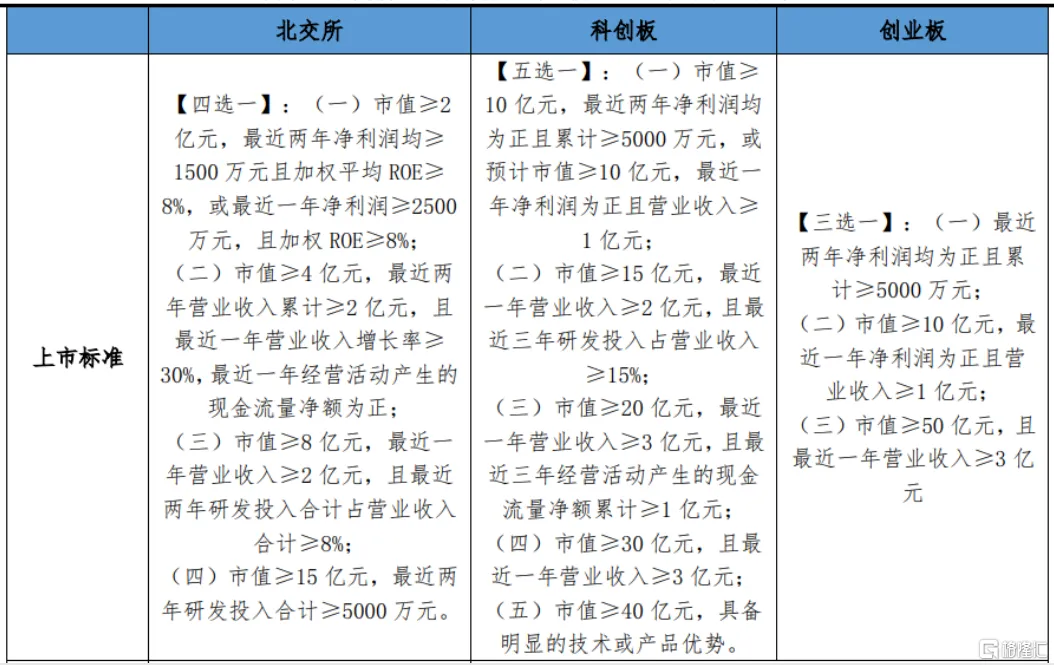
The Beijing Stock Exchange has very low listing thresholds, significantly lower than those of the STAR Market and the ChiNext Board. Of the four listing criteria, the first two focus on small and micro enterprises with strong financial performance and robust profitability. To precisely support the financing needs of SMEs, the Beijing Stock Exchange adopts a more lenient market-capitalization requirement of just 200 million yuan, far below the 1 billion yuan threshold for the STAR Market. The remaining two criteria emphasize R&D metrics, with the clear objective of sustaining the independent innovation capacity of SMEs.
At 9:30 a.m. on November 15, the Beijing Stock Exchange officially commenced trading. This marks a significant and historic moment. Millions of investors are eagerly anticipating that the Beijing Stock Exchange will bring a fresh new look and transformative change to China's capital market. Yet Rome was not built in a day; the establishment and listing on the Beijing Stock Exchange represent a win-win situation for the nation, the people, and investors alike. However, it will still take time before the exchange can truly shine and fulfill its due historical responsibility. Regardless, today marks the first step—The Beijing Stock Exchange has truly arrived! 1 Ice and Fire Today, a total of 81 stocks were listed: 10 new shares and 71 transfers from the Select Tier of the New Third Board. The market has adopted markedly different attitudes toward the two groups. Ten newly listed stocks posted minimum gains of over 112%, with the highest surging as much as 494%—all attributable to N Tongxin. The company specializes in constant-velocity drive shafts and related components, serving the truck, bus, construction-equipment, and special-vehicle markets. From 2016 to 2020, its revenue and net profit attributable to owners recorded compound annual growth rates of 20.68% and 39.58%, respectively; in the first half of this year, these figures grew by 8.58% and 6.9%, respectively. Over the past five years, its gross margin has remained broadly stable at around 35%, while its net margin has climbed from 12.5% in 2016 to 21.13% in 2020. During the same period, its return on equity rose from 8.12% to 19.26%. In addition, N Tongxin's initial public offering price-to-earnings ratio was only 15.45 times, and given its solid profitability, today's sharp stock-price surge was entirely expected. In addition, N Dadi and N Zhisheng both surged by more than 230%, ranking among the top gainers. The main rationale behind the sharp rally...
Listing Procedures on the Beijing Stock Exchange vs. the STAR Market and the ChiNext Board, Source: Ze Ping Macro
Since the establishment of the Beijing Stock Exchange, individuals and companies that genuinely embrace innovation will find it easier than ever to experience a dramatic change in fortune. They will receive stronger policy support and gain access to more capital.By leveraging the power of direct financing in the capital markets, technological innovation will no longer remain empty talk for small and medium-sized entrepreneurs. This is crucial both for the nation and its people.
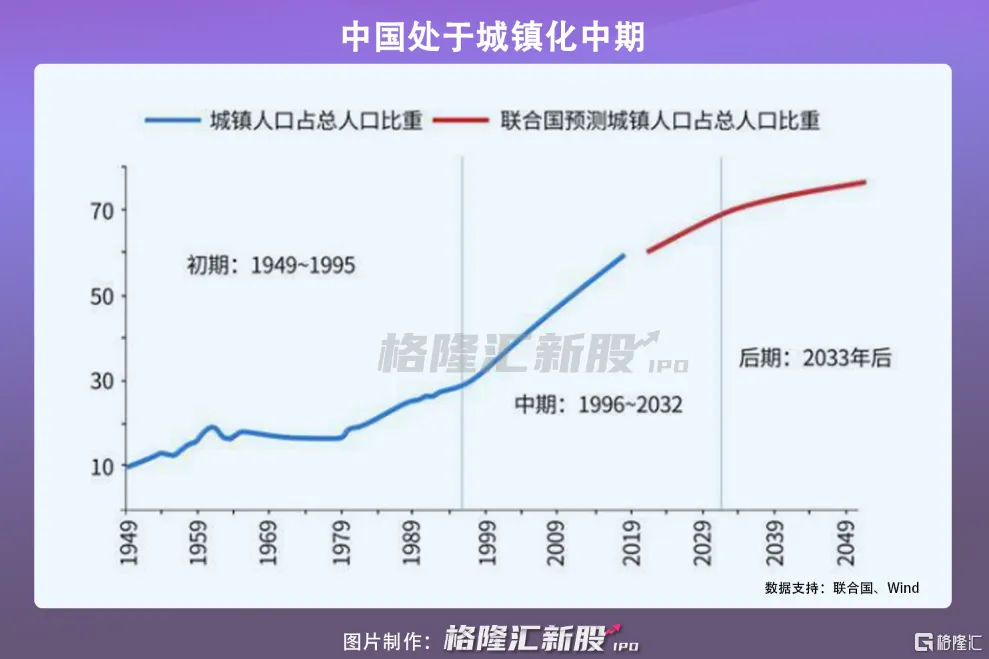
For many years, real estate has acted as both the engine and stabilizer of China's economic growth. Today, China’s urbanization rate has risen to nearly 64%, surpassing the global average of 55.3%, and is set to move closer to the target of 80% in the coming years. Clearly, the golden age of real estate is over, and its ability to drive rapid, high-quality economic growth is steadily declining.
At 9:30 a.m. on November 15, the Beijing Stock Exchange officially commenced trading. This marks a significant and historic moment. Millions of investors are eagerly anticipating that the Beijing Stock Exchange will bring a fresh new look and transformative change to China's capital market. Yet Rome was not built in a day; the establishment and listing on the Beijing Stock Exchange represent a win-win situation for the nation, the people, and investors alike. However, it will still take time before the exchange can truly shine and fulfill its due historical responsibility. Regardless, today marks the first step—The Beijing Stock Exchange has truly arrived! 1 Ice and Fire Today, a total of 81 stocks were listed: 10 new shares and 71 transfers from the Select Tier of the New Third Board. The market has adopted markedly different attitudes toward the two groups. Ten newly listed stocks posted minimum gains of over 112%, with the highest surging as much as 494%—all attributable to N Tongxin. The company specializes in constant-velocity drive shafts and related components, serving the truck, bus, construction-equipment, and special-vehicle markets. From 2016 to 2020, its revenue and net profit attributable to owners recorded compound annual growth rates of 20.68% and 39.58%, respectively; in the first half of this year, these figures grew by 8.58% and 6.9%, respectively. Over the past five years, its gross margin has remained broadly stable at around 35%, while its net margin has climbed from 12.5% in 2016 to 21.13% in 2020. During the same period, its return on equity rose from 8.12% to 19.26%. In addition, N Tongxin's initial public offering price-to-earnings ratio was only 15.45 times, and given its solid profitability, today's sharp stock-price surge was entirely expected. In addition, N Dadi and N Zhisheng both surged by more than 230%, ranking among the top gainers. The main rationale behind the sharp rally...
Against this macroeconomic backdrop, the driver of economic growth will gradually shift to a new 'carriage' powered by scientific and technological innovation. Technological innovation is key to expanding the overall economic pie and serves as the primary productive force, making it even more critical at a time when pressure on economic growth is mounting. Moreover, in the context of global competition, hard technologies and industries are among the most direct manifestations of national competitiveness.
Furthermore, the technology industry exhibits a strong clustering effect: a single breakthrough often gives rise to an entirely new industrial chain, which in turn can support successive cohorts of middle- and high-income groups, thereby promoting a relatively more balanced distribution of wealth.
A healthy pattern of wealth distribution forms the foundation for a country’s long-term stability and sustained prosperity. This fundamentally differs from the concentration of high income and wealth resulting from monopolies. Monopoly leads to a 'when my flower blooms, all others wither' scenario, whereas innovation fosters a 'when one flower blooms, all others flourish.'
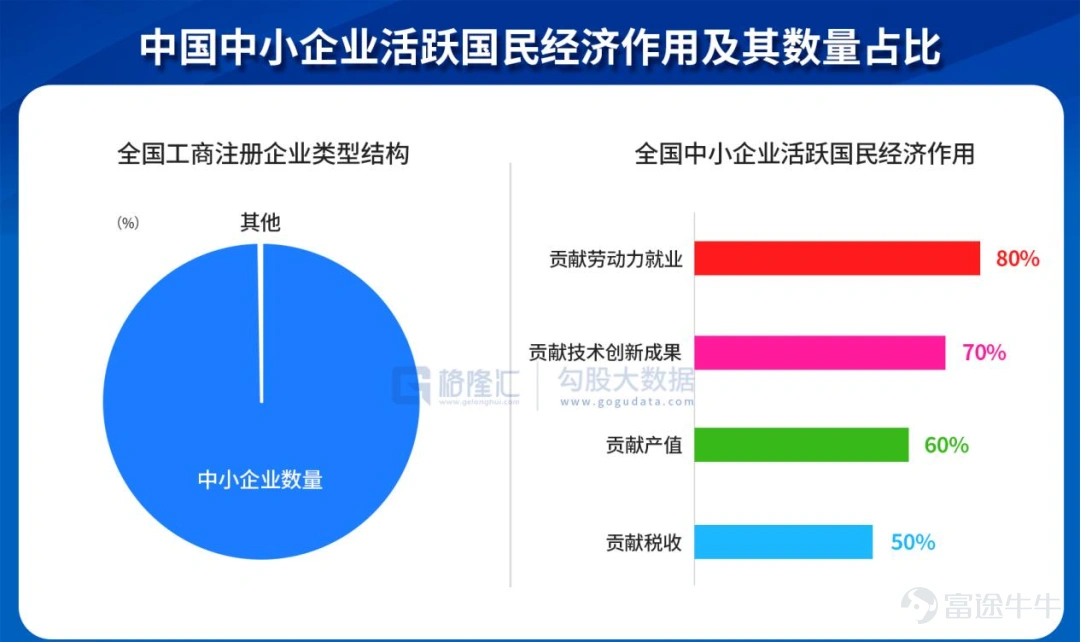
At the heart of all this lies the small and medium-sized enterprise sector, as it is the mainstay of employment in China. By revitalizing SMEs, we revitalize the Chinese economy and move closer to the goal of common prosperity.
At 9:30 a.m. on November 15, the Beijing Stock Exchange officially commenced trading. This marks a significant and historic moment. Millions of investors are eagerly anticipating that the Beijing Stock Exchange will bring a fresh new look and transformative change to China's capital market. Yet Rome was not built in a day; the establishment and listing on the Beijing Stock Exchange represent a win-win situation for the nation, the people, and investors alike. However, it will still take time before the exchange can truly shine and fulfill its due historical responsibility. Regardless, today marks the first step—The Beijing Stock Exchange has truly arrived! 1 Ice and Fire Today, a total of 81 stocks were listed: 10 new shares and 71 transfers from the Select Tier of the New Third Board. The market has adopted markedly different attitudes toward the two groups. Ten newly listed stocks posted minimum gains of over 112%, with the highest surging as much as 494%—all attributable to N Tongxin. The company specializes in constant-velocity drive shafts and related components, serving the truck, bus, construction-equipment, and special-vehicle markets. From 2016 to 2020, its revenue and net profit attributable to owners recorded compound annual growth rates of 20.68% and 39.58%, respectively; in the first half of this year, these figures grew by 8.58% and 6.9%, respectively. Over the past five years, its gross margin has remained broadly stable at around 35%, while its net margin has climbed from 12.5% in 2016 to 21.13% in 2020. During the same period, its return on equity rose from 8.12% to 19.26%. In addition, N Tongxin's initial public offering price-to-earnings ratio was only 15.45 times, and given its solid profitability, today's sharp stock-price surge was entirely expected. In addition, N Dadi and N Zhisheng both surged by more than 230%, ranking among the top gainers. The main rationale behind the sharp rally...
In the medium to long term, the establishment of the Beijing Stock Exchange holds great significance for both the nation and its people—but is it investor-friendly?
Of course, it won’t be favorable, because whether you trade directly on the Main Board, ChiNext, or the STAR Market, there’s an 80% chance you’ll lose money—and the same holds true for the Beijing Stock Exchange, where most traders end up losing and exiting. It’s hard to accept, but this is the stark reality.
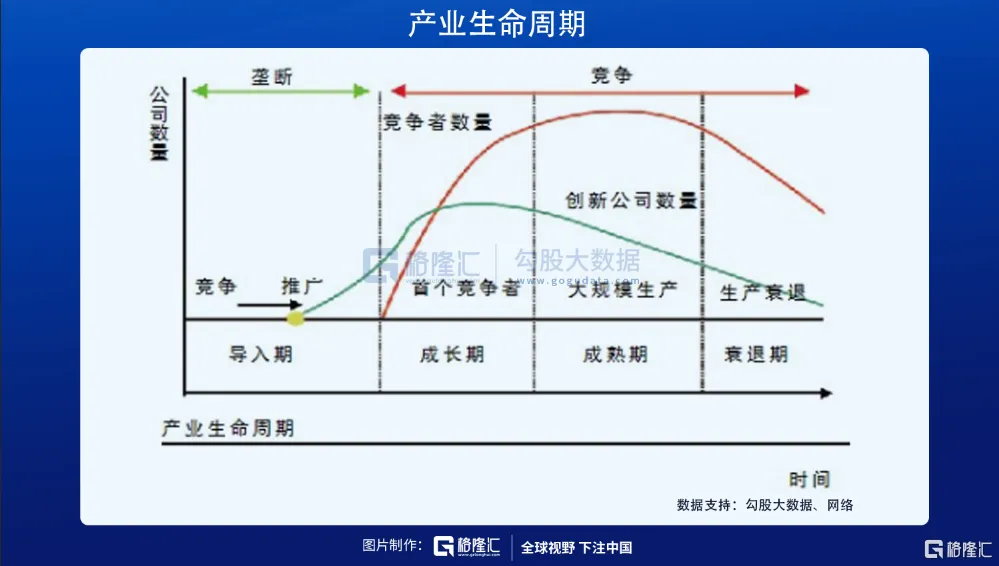
However, I also believe this will create more opportunities for savvy investors to capture major investment opportunities across the entire spectrum—from zero to one and from one to infinity.At present, leading companies on the main board—such as Vanke, Gree, Shangji, and Changgao—are largely in the maturity phase of their industry life cycles. With little room for incremental growth in the sector, these firms are experiencing sluggish earnings growth, declining future returns, and diminishing investment appeal.
At 9:30 a.m. on November 15, the Beijing Stock Exchange officially commenced trading. This marks a significant and historic moment. Millions of investors are eagerly anticipating that the Beijing Stock Exchange will bring a fresh new look and transformative change to China's capital market. Yet Rome was not built in a day; the establishment and listing on the Beijing Stock Exchange represent a win-win situation for the nation, the people, and investors alike. However, it will still take time before the exchange can truly shine and fulfill its due historical responsibility. Regardless, today marks the first step—The Beijing Stock Exchange has truly arrived! 1 Ice and Fire Today, a total of 81 stocks were listed: 10 new shares and 71 transfers from the Select Tier of the New Third Board. The market has adopted markedly different attitudes toward the two groups. Ten newly listed stocks posted minimum gains of over 112%, with the highest surging as much as 494%—all attributable to N Tongxin. The company specializes in constant-velocity drive shafts and related components, serving the truck, bus, construction-equipment, and special-vehicle markets. From 2016 to 2020, its revenue and net profit attributable to owners recorded compound annual growth rates of 20.68% and 39.58%, respectively; in the first half of this year, these figures grew by 8.58% and 6.9%, respectively. Over the past five years, its gross margin has remained broadly stable at around 35%, while its net margin has climbed from 12.5% in 2016 to 21.13% in 2020. During the same period, its return on equity rose from 8.12% to 19.26%. In addition, N Tongxin's initial public offering price-to-earnings ratio was only 15.45 times, and given its solid profitability, today's sharp stock-price surge was entirely expected. In addition, N Dadi and N Zhisheng both surged by more than 230%, ranking among the top gainers. The main rationale behind the sharp rally...
Looking ahead, we are focusing on emerging growth sectors and on small and medium-sized companies with the potential to grow into industry giants, aiming to capture the rewards of their expansion.In the past, exchange listing thresholds were high, and most companies that went public were already mid- to large-sized enterprises that had already passed their most robust growth phase, leaving limited room for secondary-market activity.
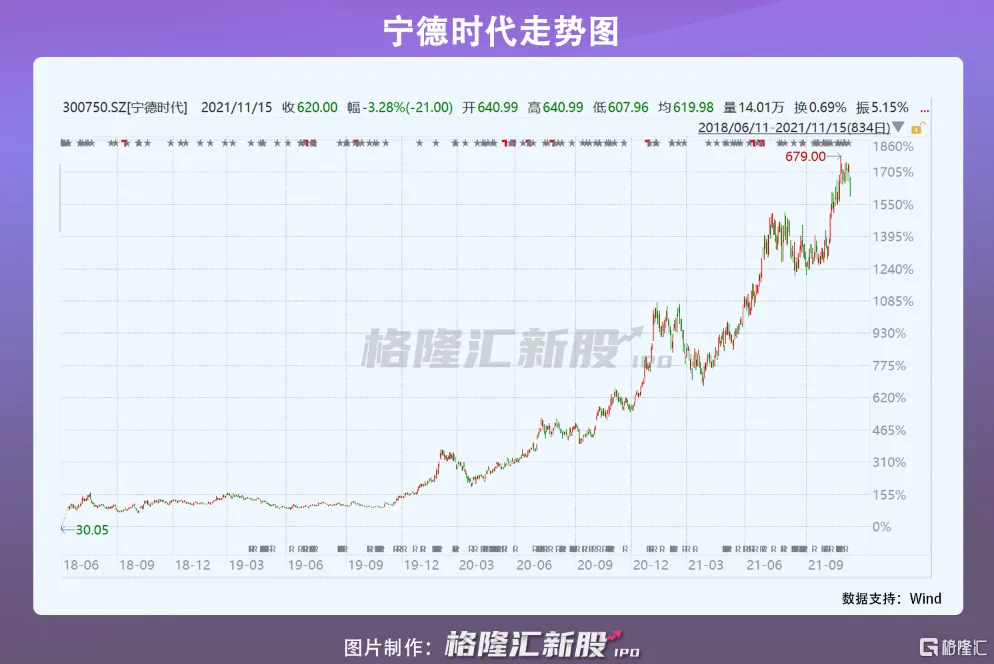
In the future, the Beijing Stock Exchange will also see the emergence of super companies like Aier Eye Hospital and CATL. CATL was listed on the ChiNext Board in June 2018, with an initial market capitalization of RMB 60 billion, which has since increased by 23.7 times. If the Beijing Stock Exchange had existed back then and CATL had been listed earlier, wouldn't investors have been able to enjoy even greater growth dividends!
At 9:30 a.m. on November 15, the Beijing Stock Exchange officially commenced trading. This marks a significant and historic moment. Millions of investors are eagerly anticipating that the Beijing Stock Exchange will bring a fresh new look and transformative change to China's capital market. Yet Rome was not built in a day; the establishment and listing on the Beijing Stock Exchange represent a win-win situation for the nation, the people, and investors alike. However, it will still take time before the exchange can truly shine and fulfill its due historical responsibility. Regardless, today marks the first step—The Beijing Stock Exchange has truly arrived! 1 Ice and Fire Today, a total of 81 stocks were listed: 10 new shares and 71 transfers from the Select Tier of the New Third Board. The market has adopted markedly different attitudes toward the two groups. Ten newly listed stocks posted minimum gains of over 112%, with the highest surging as much as 494%—all attributable to N Tongxin. The company specializes in constant-velocity drive shafts and related components, serving the truck, bus, construction-equipment, and special-vehicle markets. From 2016 to 2020, its revenue and net profit attributable to owners recorded compound annual growth rates of 20.68% and 39.58%, respectively; in the first half of this year, these figures grew by 8.58% and 6.9%, respectively. Over the past five years, its gross margin has remained broadly stable at around 35%, while its net margin has climbed from 12.5% in 2016 to 21.13% in 2020. During the same period, its return on equity rose from 8.12% to 19.26%. In addition, N Tongxin's initial public offering price-to-earnings ratio was only 15.45 times, and given its solid profitability, today's sharp stock-price surge was entirely expected. In addition, N Dadi and N Zhisheng both surged by more than 230%, ranking among the top gainers. The main rationale behind the sharp rally...
With careful exploration, the Beijing Stock Exchange will in the future give rise to "Ning Wang" and "Ai'er" in emerging sectors.Of course, it's no easy feat to unearth such opportunities and invest in them for outsized returns—this is the domain of savvy investors. The Beijing Stock Exchange does offer just such an opportunity. Yet for most participants, lacking a keen strategic vision and the discipline to stay the course, ending up as mere cannon fodder may well be their fate.
3
Epilogue
Overall, the Beijing Stock Exchange serves innovative small and medium-sized enterprises and is more inclusive compared to ChiNext and STAR Markets.This group of listed companies is not yet distinguished in quality and has notable shortcomings; however, most are in the early stages of their life cycles and remain highly adaptable, offering investors an opportunity to invest in cutting-edge hard-tech firms at an early stage.
Additionally, the Beijing Stock Exchange's pipeline of prospective listings, spanning both the Basic and Innovation tiers, includes numerous 'specialized, refined, distinctive, and innovative' small giants with market capitalizations of RMB 500 million or RMB 1 billion. Many of these companies operate in emerging sectors such as life sciences, semiconductors, and new energy, making this pool a substantial gold mine waiting to be tapped. However, given the mixed quality and sheer volume of candidates, identifying and uncovering these hidden gems will not be an easy task.
The Beijing Stock Exchange officially opened today—a moment of historic significance that we are privileged to witness. Moving forward, seizing the investment opportunities presented by the BSE and identifying the next 'Ning Wang' will be up to each of you to shine.
Risk Disclaimer: The above content only represents the author's view. It does not represent any position or investment advice of Futu. Futu makes no representation or warranty.Read more
Thumbs Up
1
2199 Views
Report
Comments
Write a Comment...
1