English
Back
Open Account
Apple and Microsoft both raise prices! Is AI-driven inflation showing a 'backlash effect'?

Futubull Options Sir
joined discussion · Jun 26 18:41 ·

Options Sir Breaks Down the Headlines | After Raising Prices, Apple Plunges—Can It Handle the Pressure from the Memory Boom?

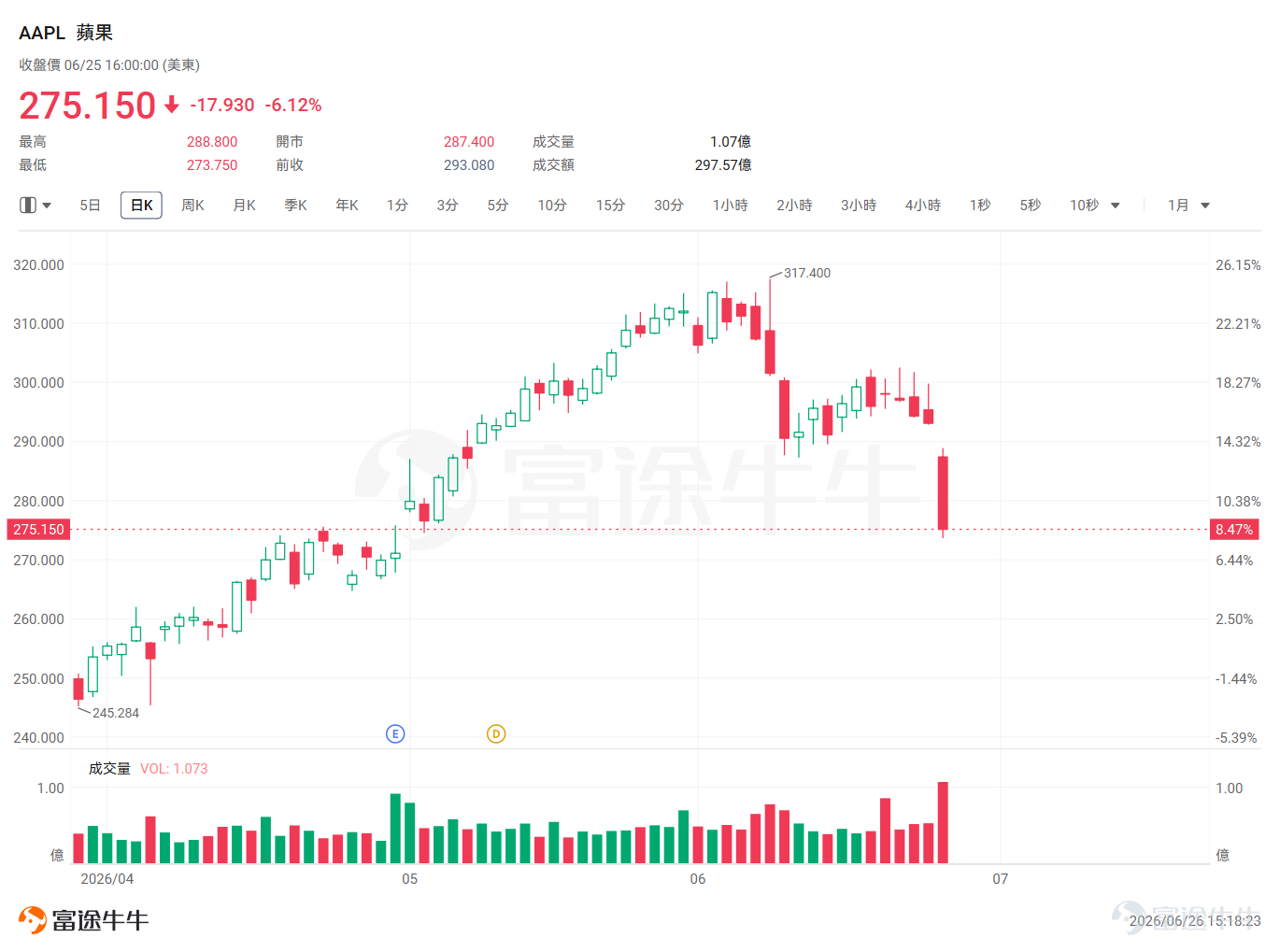
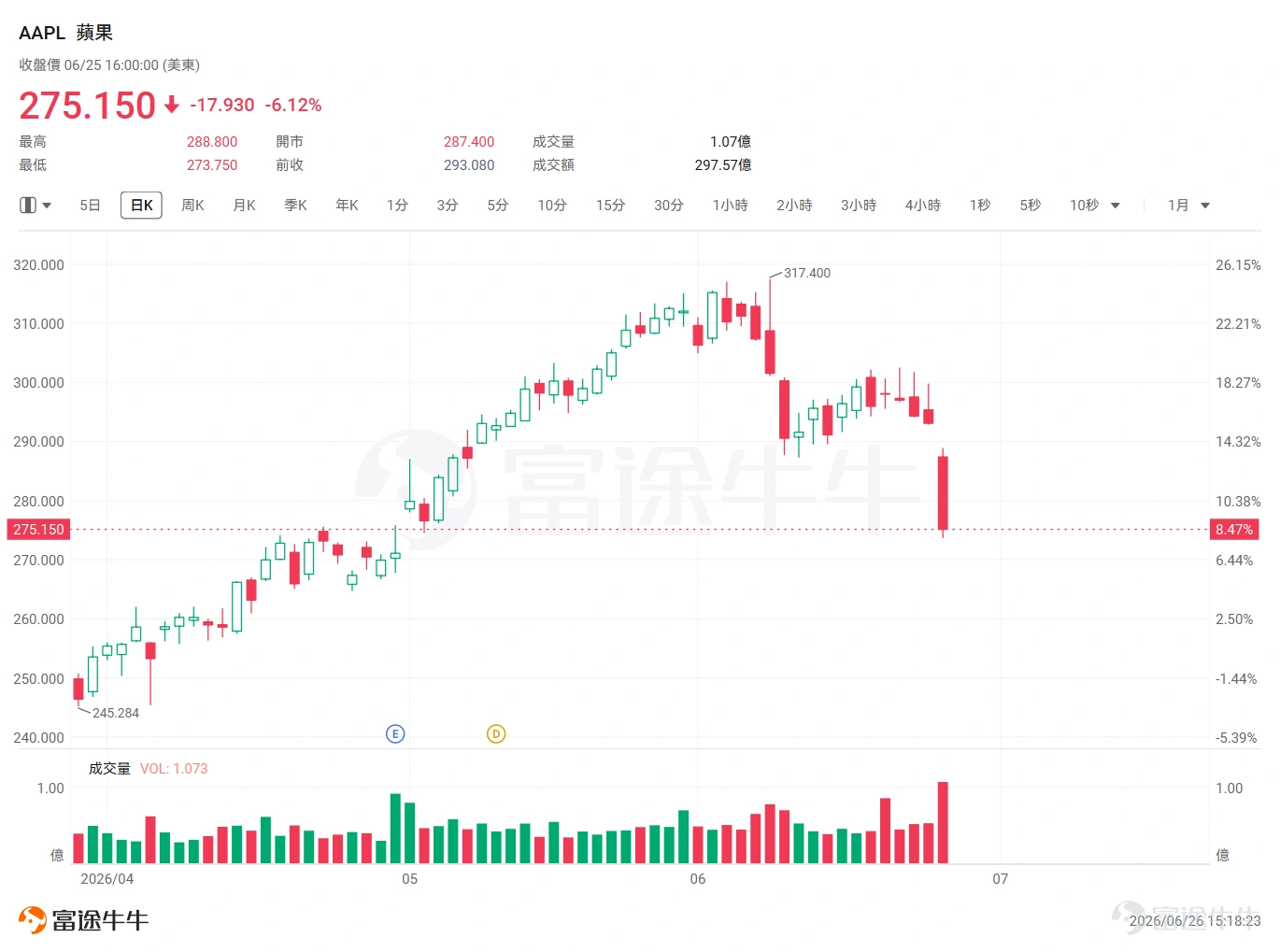
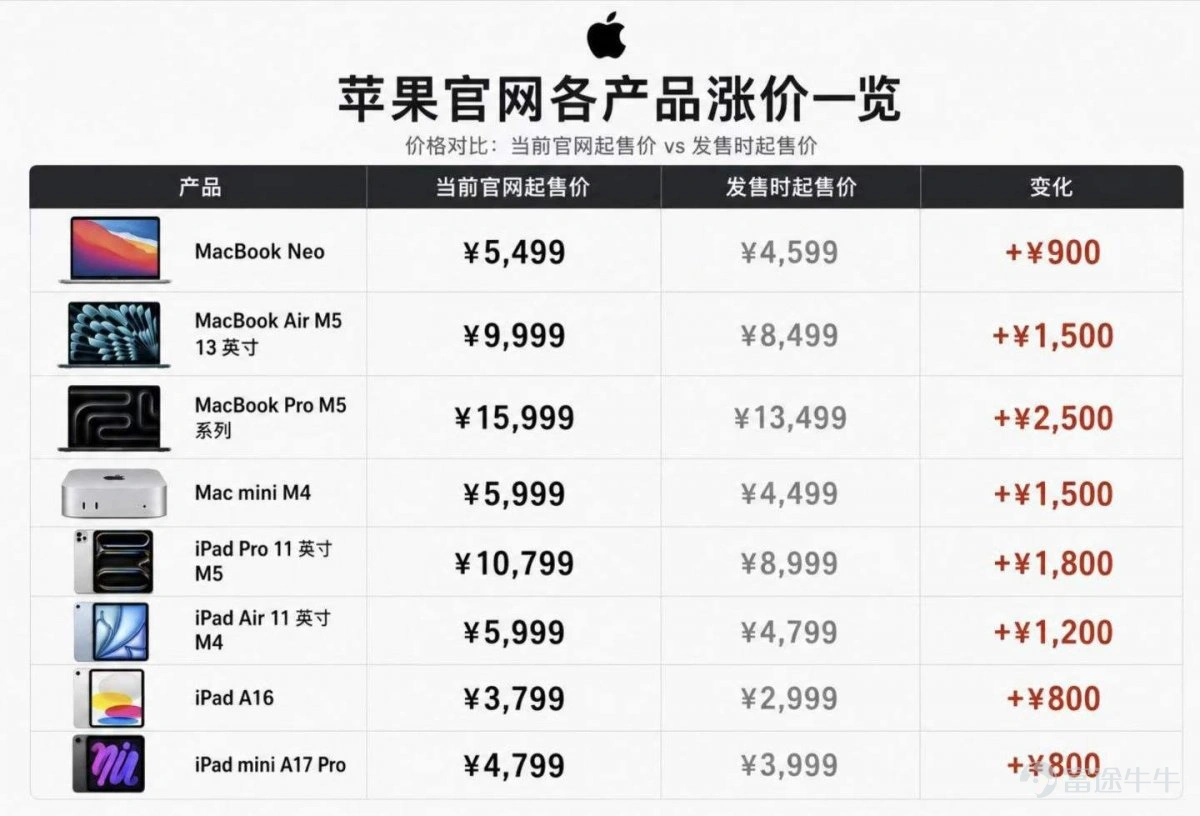
$Apple (AAPL.US)$ On Thursday, Apple raised prices across its product lineup—including Macs and iPads—by as much as $300, with the MacBook Air increasing by $200 and the iPad Air seeing a 25% price hike, marking the company’s largest global price adjustment in recent years. Following the announcement, Apple’s stock dropped sharply, closing down 6.12% yesterday.
$Apple (AAPL.US)$ On Thursday, Apple raised prices across its Mac, iPad, and other product lines globally, with increases as high as $300. The MacBook Air saw a $200 hike, while the iPad Air jumped by 25%, marking the company’s largest global price adjustment in recent years. Following the announcement, Apple’s stock dropped sharply, closing down 6.12% yesterday. The source of pressure is clear: memory inflation This move sends a straightforward message: even Apple’s formidable supply chain capabilities are no longer sufficient to fully absorb the pressure caused by tight memory supply. Previously, the market largely viewed rising memory prices as a story confined to suppliers—when NAND prices climbed, memory suppliers $Micron Technology (MU.US)$ $SK Hynix (000660.KR)$$Samsung Electronics (005930.KR)$$SanDisk (SNDK.US)$$Western Digital (WDC.US)$ and $Roundhill Memory ETF (DRAM.US)$ all benefited.Apple’s action reveals another side of the supply chain: the ability to push memory suppliers to raise prices has now become a cost challenge for downstream consumer electronics brands. Micron’s strong earnings are another signal of price transmission The impact of Micron’s latest quarterly results on downstream product pricing adjustments cannot be ignored. Itsmobile and client solutions business revenue reached $11.5 billion, up 49% quarter-over-quarter...
The source of pressure is clear: memory inflation.
The message behind this move is straightforward: even Apple’s formidable supply chain capabilities are no longer sufficient to fully absorb the pressure caused by tight memory supply. Previously, the market largely viewed rising memory prices as a story confined to suppliers—when NAND prices increased, memory suppliers $Micron Technology (MU.US)$ $SK Hynix (000660.KR)$$Samsung Electronics (005930.KR)$$SanDisk (SNDK.US)$$Western Digital (WDC.US)$ and $Roundhill Memory ETF (DRAM.US)$ all benefited.Apple’s action reveals another side of the supply chain: the ability to push memory suppliers to raise prices has now become a cost challenge for downstream consumer electronics brands.
$Apple (AAPL.US)$ On Thursday, Apple raised prices across its Mac, iPad, and other product lines globally, with increases as high as $300. The MacBook Air saw a $200 hike, while the iPad Air jumped by 25%, marking the company’s largest global price adjustment in recent years. Following the announcement, Apple’s stock dropped sharply, closing down 6.12% yesterday. The source of pressure is clear: memory inflation This move sends a straightforward message: even Apple’s formidable supply chain capabilities are no longer sufficient to fully absorb the pressure caused by tight memory supply. Previously, the market largely viewed rising memory prices as a story confined to suppliers—when NAND prices climbed, memory suppliers $Micron Technology (MU.US)$ $SK Hynix (000660.KR)$$Samsung Electronics (005930.KR)$$SanDisk (SNDK.US)$$Western Digital (WDC.US)$ and $Roundhill Memory ETF (DRAM.US)$ all benefited.Apple’s action reveals another side of the supply chain: the ability to push memory suppliers to raise prices has now become a cost challenge for downstream consumer electronics brands. Micron’s strong earnings are another signal of price transmission The impact of Micron’s latest quarterly results on downstream product pricing adjustments cannot be ignored. Itsmobile and client solutions business revenue reached $11.5 billion, up 49% quarter-over-quarter...
Micron’s strong earnings are another signal of price transmission.
The impact of Micron’s latest quarterly results on downstream product pricing adjustments cannot be ignored. Itsmobile and client business revenue reached $11.5 billion, up 49% quarter-over-quarter, with a gross margin of 87% and an operating margin of 86%.
Micron stated that growth in this business segment was primarily driven byHigher pricing, while a decline in shipments (measured in bits) partially offset this increase. In other words, this is not a typical consumer electronics recovery driven by sales volume, but rather a price-driven reset.
Micron also noted that despite declining shipments of PCs and smartphones, industry revenue is still expected to grow, reflecting stronger demand for higher-priced premium devices. This sends an important signal to Apple investors: even with weak device shipment volumes, memory suppliers can continue to grow, as rising prices and product mix optimization are playing a critical role.

$Apple (AAPL.US)$ On Thursday, Apple raised prices across its Mac, iPad, and other product lines globally, with increases as high as $300. The MacBook Air saw a $200 hike, while the iPad Air jumped by 25%, marking the company’s largest global price adjustment in recent years. Following the announcement, Apple’s stock dropped sharply, closing down 6.12% yesterday. The source of pressure is clear: memory inflation This move sends a straightforward message: even Apple’s formidable supply chain capabilities are no longer sufficient to fully absorb the pressure caused by tight memory supply. Previously, the market largely viewed rising memory prices as a story confined to suppliers—when NAND prices climbed, memory suppliers $Micron Technology (MU.US)$ $SK Hynix (000660.KR)$$Samsung Electronics (005930.KR)$$SanDisk (SNDK.US)$$Western Digital (WDC.US)$ and $Roundhill Memory ETF (DRAM.US)$ all benefited.Apple’s action reveals another side of the supply chain: the ability to push memory suppliers to raise prices has now become a cost challenge for downstream consumer electronics brands. Micron’s strong earnings are another signal of price transmission The impact of Micron’s latest quarterly results on downstream product pricing adjustments cannot be ignored. Itsmobile and client solutions business revenue reached $11.5 billion, up 49% quarter-over-quarter...
Apple's margin risk has only been delayed, not eliminated.
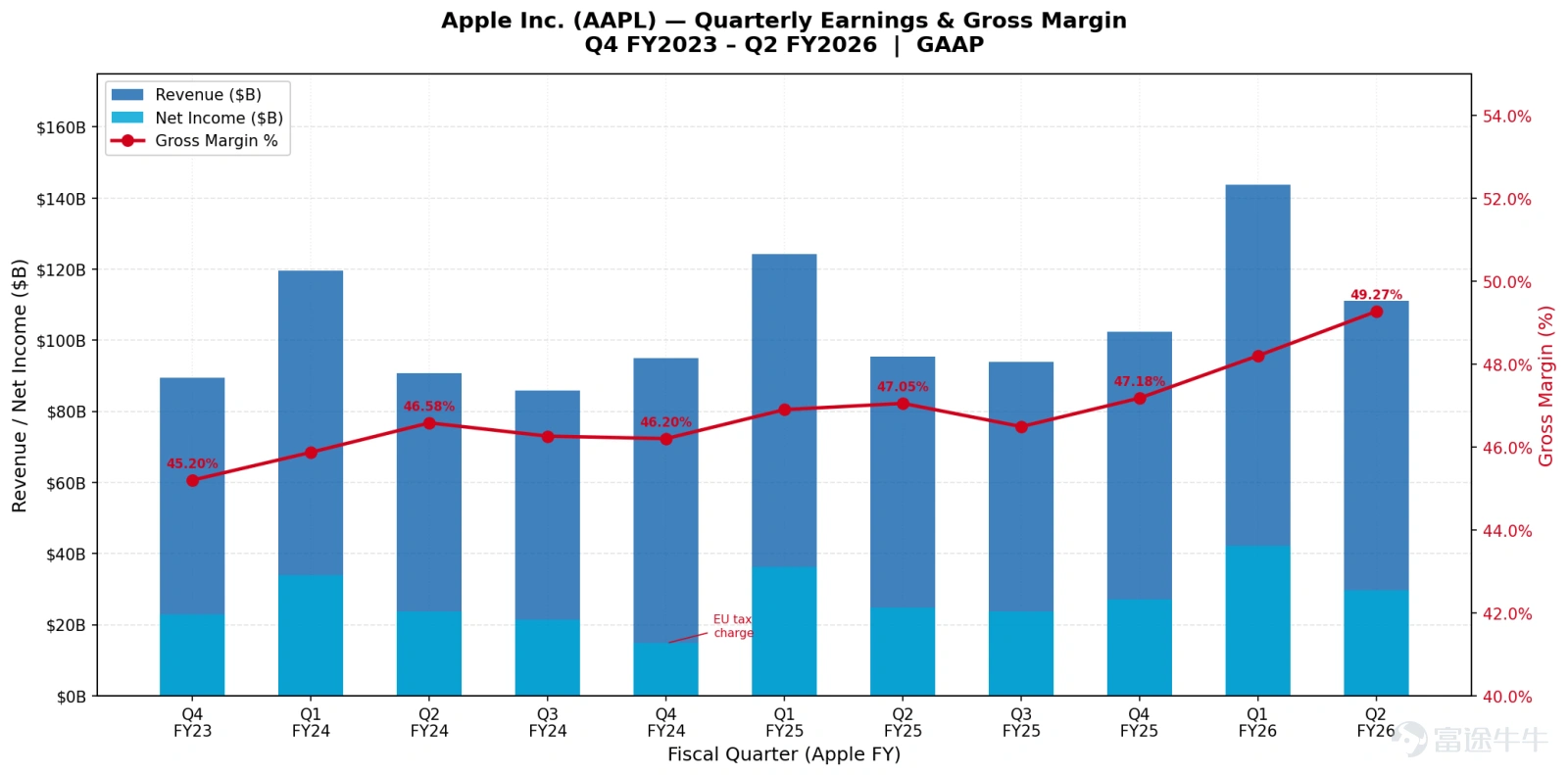
Apple reported still-strong margins. Inthe second quarter of fiscal year 2026, total gross margin was 49.3%, and product gross margin was 38.7%. The company benefited from a higher contribution from its services business, a premium product mix, foreign exchange factors, economies of scale, and early procurement decisions, allowing it to maintain strong financial performance.
However, future risks are now clearer. Existing inventory helped Apple cushion the initial impact of rising memory costs, but management has warned that memory costs will have a greater effect starting in the June quarter.
This leaves Apple facing tougher choices: either pass on higher costs to consumers, potentially weakening demand, or absorb more of the cost increases itself, risking a decline in product gross margins.Recent price increases suggest that fully absorbing the cost hikes is no longer realistic.
$Apple (AAPL.US)$ On Thursday, Apple raised prices across its Mac, iPad, and other product lines globally, with increases as high as $300. The MacBook Air saw a $200 hike, while the iPad Air jumped by 25%, marking the company’s largest global price adjustment in recent years. Following the announcement, Apple’s stock dropped sharply, closing down 6.12% yesterday. The source of pressure is clear: memory inflation This move sends a straightforward message: even Apple’s formidable supply chain capabilities are no longer sufficient to fully absorb the pressure caused by tight memory supply. Previously, the market largely viewed rising memory prices as a story confined to suppliers—when NAND prices climbed, memory suppliers $Micron Technology (MU.US)$ $SK Hynix (000660.KR)$$Samsung Electronics (005930.KR)$$SanDisk (SNDK.US)$$Western Digital (WDC.US)$ and $Roundhill Memory ETF (DRAM.US)$ all benefited.Apple’s action reveals another side of the supply chain: the ability to push memory suppliers to raise prices has now become a cost challenge for downstream consumer electronics brands. Micron’s strong earnings are another signal of price transmission The impact of Micron’s latest quarterly results on downstream product pricing adjustments cannot be ignored. Itsmobile and client solutions business revenue reached $11.5 billion, up 49% quarter-over-quarter...
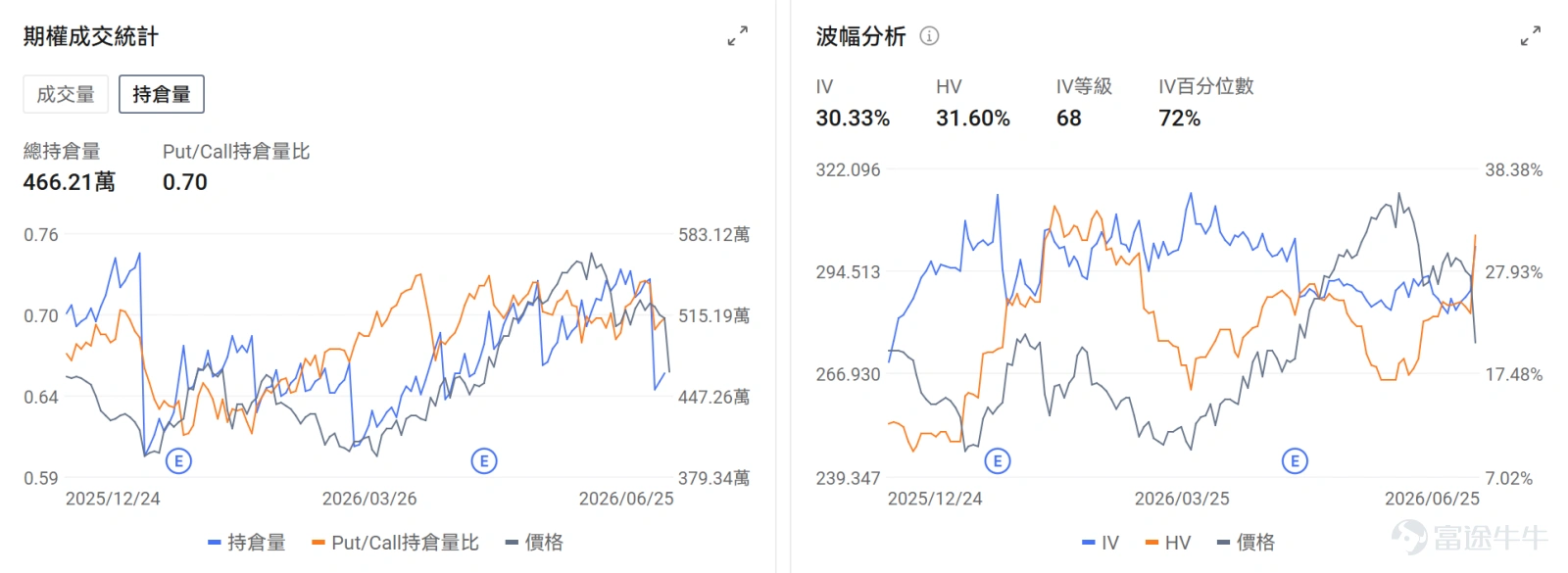
From the options market, traders’ expectations of downside pressure on Apple’s stock price appear relatively restrained. Although the stock declined on the day, the put/call volume ratio stood at 0.67 and the open interest ratio at 0.70, indicating a generally neutral outlook. However, implied volatility rose slightly to 30.33%, with its IV percentile at 72%, suggesting a modest increase in expected volatility.
$Apple (AAPL.US)$ On Thursday, Apple raised prices across its Mac, iPad, and other product lines globally, with increases as high as $300. The MacBook Air saw a $200 hike, while the iPad Air jumped by 25%, marking the company’s largest global price adjustment in recent years. Following the announcement, Apple’s stock dropped sharply, closing down 6.12% yesterday. The source of pressure is clear: memory inflation This move sends a straightforward message: even Apple’s formidable supply chain capabilities are no longer sufficient to fully absorb the pressure caused by tight memory supply. Previously, the market largely viewed rising memory prices as a story confined to suppliers—when NAND prices climbed, memory suppliers $Micron Technology (MU.US)$ $SK Hynix (000660.KR)$$Samsung Electronics (005930.KR)$$SanDisk (SNDK.US)$$Western Digital (WDC.US)$ and $Roundhill Memory ETF (DRAM.US)$ all benefited.Apple’s action reveals another side of the supply chain: the ability to push memory suppliers to raise prices has now become a cost challenge for downstream consumer electronics brands. Micron’s strong earnings are another signal of price transmission The impact of Micron’s latest quarterly results on downstream product pricing adjustments cannot be ignored. Itsmobile and client solutions business revenue reached $11.5 billion, up 49% quarter-over-quarter...
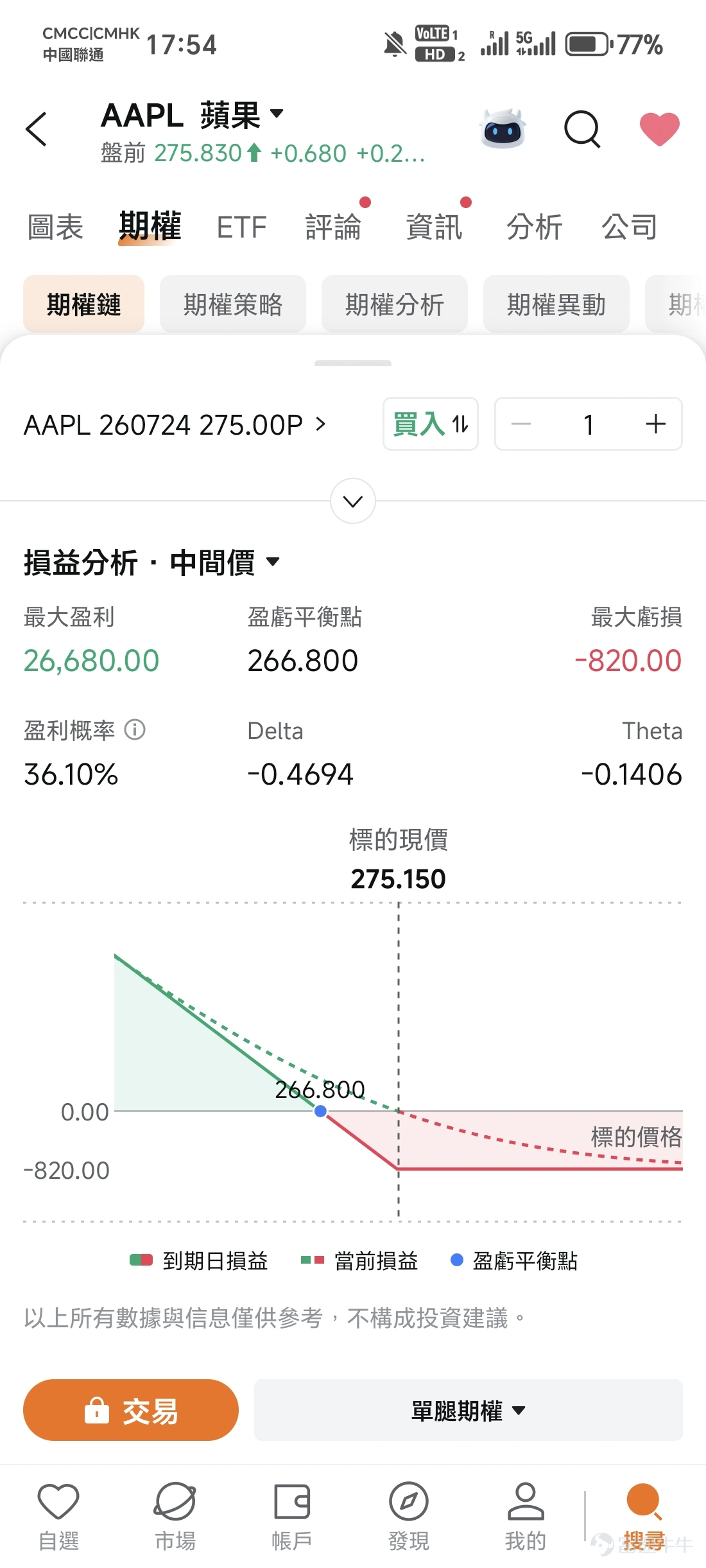
1. If you hold a significant long position in Apple for long-term growth but are concerned that bearish sentiment from upstream pressures could drive the share price lower
YesBuy protective put options. This option can partially hedge against losses from a decline in the underlying stock before expiration, shielding your equity position from further short-term drawdowns.
(The chart below illustrates the simulated profit and loss profile of this strategy at expiration. The displayed graphic is for illustrative purposes only, does not constitute investment advice or guarantees of any kind, reflects non-real-time data, and the prices shown do not represent actual market conditions.)
$Apple (AAPL.US)$ On Thursday, Apple raised prices across its Mac, iPad, and other product lines globally, with increases as high as $300. The MacBook Air saw a $200 hike, while the iPad Air jumped by 25%, marking the company’s largest global price adjustment in recent years. Following the announcement, Apple’s stock dropped sharply, closing down 6.12% yesterday. The source of pressure is clear: memory inflation This move sends a straightforward message: even Apple’s formidable supply chain capabilities are no longer sufficient to fully absorb the pressure caused by tight memory supply. Previously, the market largely viewed rising memory prices as a story confined to suppliers—when NAND prices climbed, memory suppliers $Micron Technology (MU.US)$ $SK Hynix (000660.KR)$$Samsung Electronics (005930.KR)$$SanDisk (SNDK.US)$$Western Digital (WDC.US)$ and $Roundhill Memory ETF (DRAM.US)$ all benefited.Apple’s action reveals another side of the supply chain: the ability to push memory suppliers to raise prices has now become a cost challenge for downstream consumer electronics brands. Micron’s strong earnings are another signal of price transmission The impact of Micron’s latest quarterly results on downstream product pricing adjustments cannot be ignored. Itsmobile and client solutions business revenue reached $11.5 billion, up 49% quarter-over-quarter...
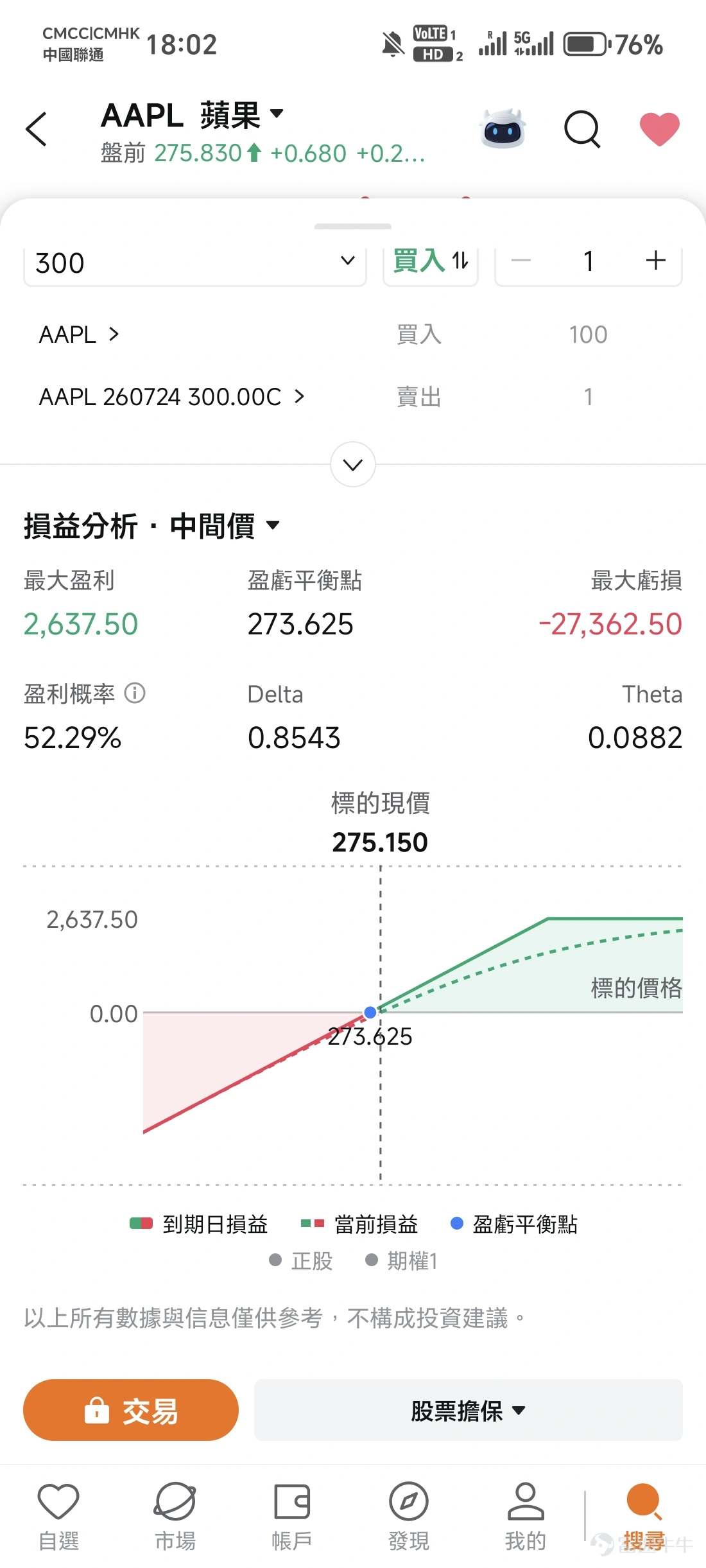
If you expect the stock price not to rise in the near term, you cancontinuously sell call options above resistance levels while holding the stock, implementing a covered call strategy. If the stock price remains below the strike price at expiration, the call expires worthless, and you keep the full premium as additional income. If the stock price rises above the strike price, the call is exercised, and you are obligated to sell your shares at the strike price, effectivelytaking profit and exiting your position at the strike price, though you forfeit any additional unrealized gains from further upside beyond that level.
(The chart below illustrates the simulated profit and loss profile of this strategy at expiration. The displayed graphic is for illustrative purposes only, does not constitute investment advice or guarantees of any kind, reflects non-real-time data, and the prices shown do not represent actual market conditions.)
$Apple (AAPL.US)$ On Thursday, Apple raised prices across its Mac, iPad, and other product lines globally, with increases as high as $300. The MacBook Air saw a $200 hike, while the iPad Air jumped by 25%, marking the company’s largest global price adjustment in recent years. Following the announcement, Apple’s stock dropped sharply, closing down 6.12% yesterday. The source of pressure is clear: memory inflation This move sends a straightforward message: even Apple’s formidable supply chain capabilities are no longer sufficient to fully absorb the pressure caused by tight memory supply. Previously, the market largely viewed rising memory prices as a story confined to suppliers—when NAND prices climbed, memory suppliers $Micron Technology (MU.US)$ $SK Hynix (000660.KR)$$Samsung Electronics (005930.KR)$$SanDisk (SNDK.US)$$Western Digital (WDC.US)$ and $Roundhill Memory ETF (DRAM.US)$ all benefited.Apple’s action reveals another side of the supply chain: the ability to push memory suppliers to raise prices has now become a cost challenge for downstream consumer electronics brands. Micron’s strong earnings are another signal of price transmission The impact of Micron’s latest quarterly results on downstream product pricing adjustments cannot be ignored. Itsmobile and client solutions business revenue reached $11.5 billion, up 49% quarter-over-quarter...
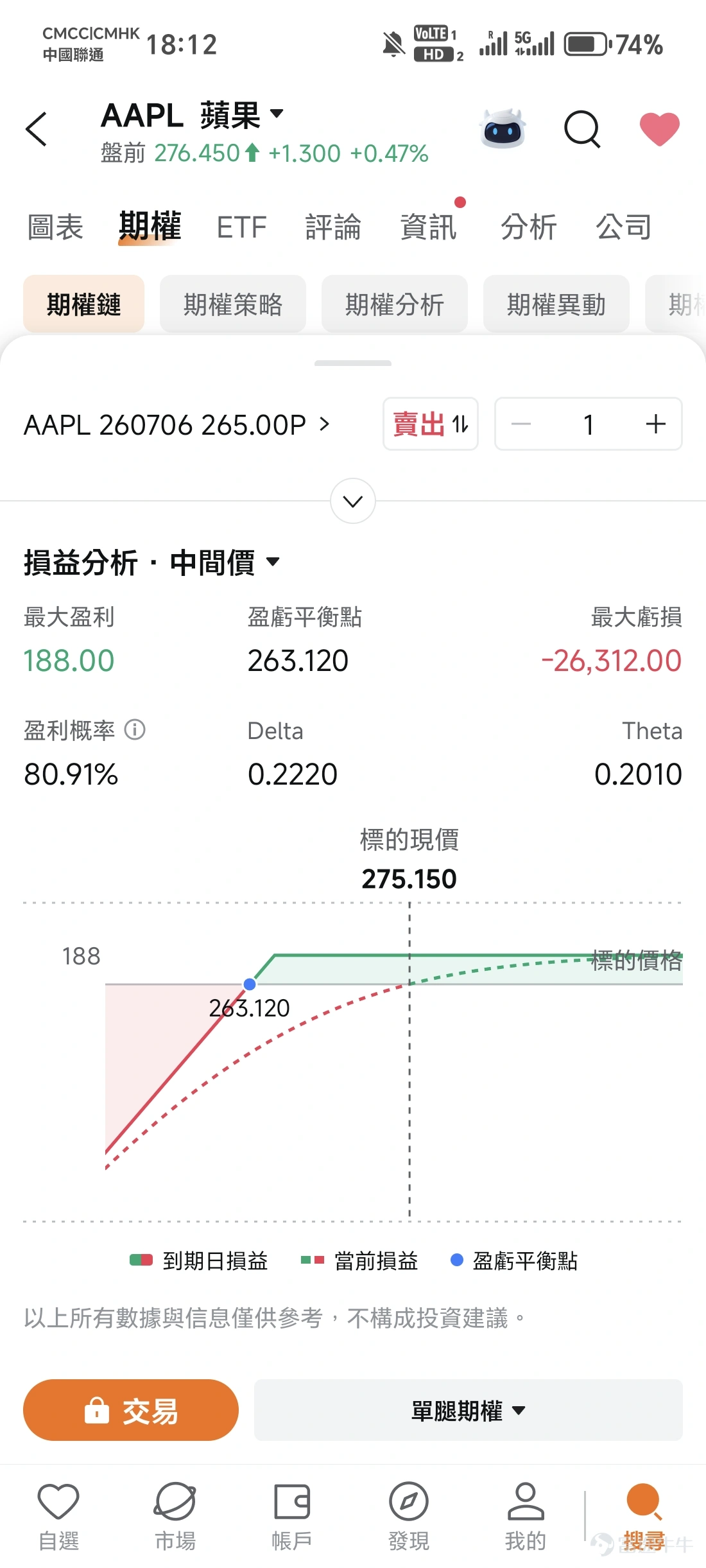
2. If you believe Apple is under short-term pressure but has solid support at current levels and you wish to enter a position near the lows
then you canOn the basis of holding sufficient cash, sell a put option at the price level where you'd like to enter the position.This short put position immediately generates premium income for you. Additionally, if the stock price falls below the strike price and the put is exercised, you can acquire the underlying shares at the strike price and wait for the opportunity of price appreciation.
(The chart below illustrates the simulated profit and loss profile of this strategy at expiration. The displayed graphic is for illustrative purposes only, does not constitute investment advice or guarantees of any kind, reflects non-real-time data, and the prices shown do not represent actual market conditions.)
$Apple (AAPL.US)$ On Thursday, Apple raised prices across its Mac, iPad, and other product lines globally, with increases as high as $300. The MacBook Air saw a $200 hike, while the iPad Air jumped by 25%, marking the company’s largest global price adjustment in recent years. Following the announcement, Apple’s stock dropped sharply, closing down 6.12% yesterday. The source of pressure is clear: memory inflation This move sends a straightforward message: even Apple’s formidable supply chain capabilities are no longer sufficient to fully absorb the pressure caused by tight memory supply. Previously, the market largely viewed rising memory prices as a story confined to suppliers—when NAND prices climbed, memory suppliers $Micron Technology (MU.US)$ $SK Hynix (000660.KR)$$Samsung Electronics (005930.KR)$$SanDisk (SNDK.US)$$Western Digital (WDC.US)$ and $Roundhill Memory ETF (DRAM.US)$ all benefited.Apple’s action reveals another side of the supply chain: the ability to push memory suppliers to raise prices has now become a cost challenge for downstream consumer electronics brands. Micron’s strong earnings are another signal of price transmission The impact of Micron’s latest quarterly results on downstream product pricing adjustments cannot be ignored. Itsmobile and client solutions business revenue reached $11.5 billion, up 49% quarter-over-quarter...
Finally, here's a small perk for fellow Futubull investors, welcome to claim it.Options Beginner Pack
*This event is exclusive to invited HK users. Click to learn more.Detailed event rules>>
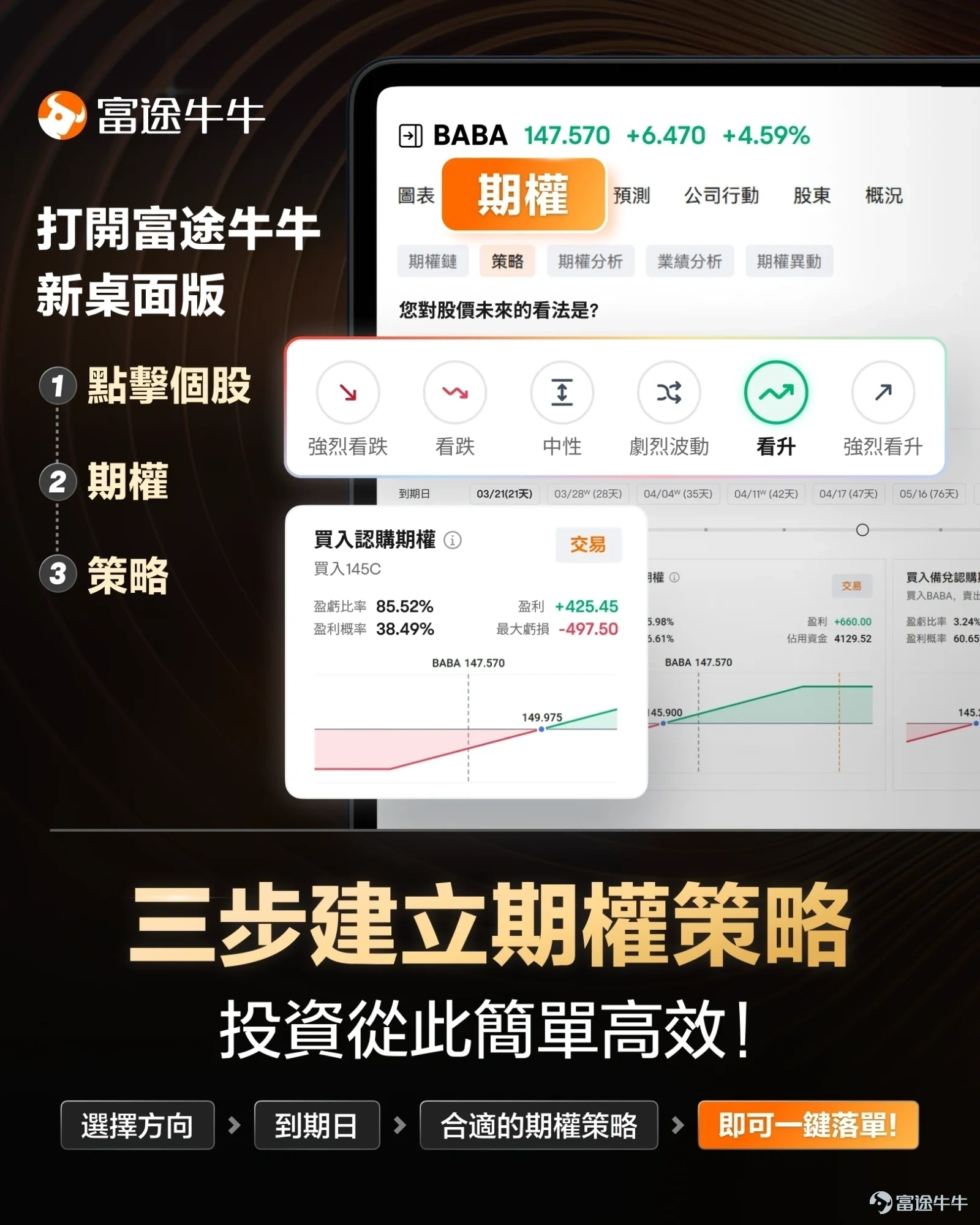
Market conditions are complex and volatile,Options StrategyOverwhelmed by too many choices? Futubull helps you set up your portfolio in three simple steps.Options Strategymaking investing simple and efficient!
$Apple (AAPL.US)$ On Thursday, Apple raised prices across its Mac, iPad, and other product lines globally, with increases as high as $300. The MacBook Air saw a $200 hike, while the iPad Air jumped by 25%, marking the company’s largest global price adjustment in recent years. Following the announcement, Apple’s stock dropped sharply, closing down 6.12% yesterday. The source of pressure is clear: memory inflation This move sends a straightforward message: even Apple’s formidable supply chain capabilities are no longer sufficient to fully absorb the pressure caused by tight memory supply. Previously, the market largely viewed rising memory prices as a story confined to suppliers—when NAND prices climbed, memory suppliers $Micron Technology (MU.US)$ $SK Hynix (000660.KR)$$Samsung Electronics (005930.KR)$$SanDisk (SNDK.US)$$Western Digital (WDC.US)$ and $Roundhill Memory ETF (DRAM.US)$ all benefited.Apple’s action reveals another side of the supply chain: the ability to push memory suppliers to raise prices has now become a cost challenge for downstream consumer electronics brands. Micron’s strong earnings are another signal of price transmission The impact of Micron’s latest quarterly results on downstream product pricing adjustments cannot be ignored. Itsmobile and client solutions business revenue reached $11.5 billion, up 49% quarter-over-quarter...
Option Risk Warning:An option is a contract that grants the holder the right—but not the obligation—to buy or sell an underlying asset at a predetermined price on or before a specified date. Option prices are influenced by multiple factors, including the current price of the underlying asset, the strike price, time to expiration, and implied volatility. Implied volatility reflects the market’s expectation of future price fluctuations over the life of the option and is derived by reverse-engineering the Black-Scholes pricing model. It is commonly used as a gauge of market sentiment. When investors anticipate greater volatility, they may be willing to pay higher premiums for options to hedge risk, leading to elevated implied volatility. Traders and investors use implied volatility to assess the relative attractiveness of option prices, identify potential mispricings, and manage risk exposure.
Disclaimer:This content does not constitute any offer, solicitation, recommendation, opinion, or guarantee of any securities, financial products, or tools. The risk of loss in trading options can be substantial. In some cases, losses may exceed the initial margin deposited. Even if you set contingent orders such as 'stop-loss' or 'limit' orders, these may not prevent losses. Market conditions may make such orders unexecutable. You may be required to deposit additional margin within a short period. If you fail to provide the required amount within the specified time, your open positions may be liquidated. However, you will still be responsible for any shortfall in your account. Therefore, before trading, you should study and understand options and carefully consider whether such trading is suitable for you based on your financial situation and investment objectives. If you trade options, you should be familiar with the procedures for exercising options and the rights and obligations upon exercise and expiration. Options trading carries extremely high risks and is not suitable for all investors. Investors should carefully readCharacteristics and Risks of Standardized Options
Risk Disclaimer: The above content only represents the author's view. It does not represent any position or investment advice of Futu. Futu makes no representation or warranty.Read more
Thumbs Up
18
Lol
1
Emm
1
Heart
2
512K Views
Report
Comments
Write a Comment...
22
23