
English
Back
Open Account
Negotiations remain deadlocked—will the U.S.-Iran deal materialize on schedule?
NANHUA FUTURES
joined discussion · Apr 1 09:35

RMB exchange rate: Both the US and Iran show willingness to ease Middle East conflict

[Market Review] In the previous trading session, the USD/CNY pair showed a volatile downward trend. Onshore RMB closed at 6.9181 against the dollar at 16:30, while the night session closed at 6.8881. The central parity rate of RMB against the dollar was set at 6.9194, weakening by 29 basis points. At the New York close, the US Dollar Index fell 0.62% to 99.88.
[Core Logic] Currently, both the US and Iran have signaled their willingness to de-escalate the Middle East conflict. Trump stated that the US might end military operations against Iran within two to three weeks, which is considered the clearest de-escalation signal so far. The Iranian President also expressed an intention to end the conflict, easing market concerns over geopolitical tensions, causing international oil prices to retreat. Additionally, the US labor market showed weakness, with job openings in February falling by 358,000 and hiring dropping to a six-year low, further intensifying concerns over the employment fundamentals. Amid cooling inflation expectations and growing worries over the labor market, the US Dollar Index edged lower. For the RMB, the latest data from the National Bureau of Statistics shows that the manufacturing PMI for March reached 50.4%, up 1.4 percentage points from February, returning to expansionary territory. This increase exceeded seasonal norms, reflecting stronger domestic economic recovery momentum. Sub-index analysis shows both the production index and new orders index returned to expansionary levels. Notably, the new orders index rose 3 percentage points month-on-month to 51.6%, signaling continuous improvement on the demand side. Based on the comprehensive PMI data, China’s economic fundamentals continue to improve steadily, with intrinsic growth momentum consolidating. Supported by a weaker dollar and strong domestic economic resilience, the RMB exchange rate against the dollar has shown strength.
[Strategy Recommendations] In the short term, export-oriented companies can consider locking in forward exchange contracts in batches around the 6.93 level to mitigate potential earnings erosion caused by currency depreciation. Importing firms, on the other hand, can adopt a rolling foreign exchange purchase strategy near the 6.85 mark.
[Key Information]
1) People's Bank of China: Leverage the integrated effects of incremental and existing policies, strengthen monetary policy control.
2) China’s manufacturing PMI rose to 50.4 in March, while the non-manufacturing PMI increased for the second consecutive month.
3) Trump stated that the war with Iran will end in 'two to three weeks.' Trump’s 'exit roadmap' emerged: willing to end the war first and leave the reopening of the Strait of Hormuz to European and Gulf allies.
4) The Iranian President expressed a willingness to end the war, provided there is assurance against future aggression. Iran’s Foreign Minister mentioned information exchanges with the US but no negotiations.
5) US JOLTS job openings for February fell to 6.882 million, with the hiring rate hitting a six-year low and the layoff rate edging up.
6) Eurozone inflation surged to 2.5% in March, marking the largest increase since 2022, strongly fueling expectations of an interest rate hike.
Author: Pan Xiang, NanHua Research Institute, Z0021448
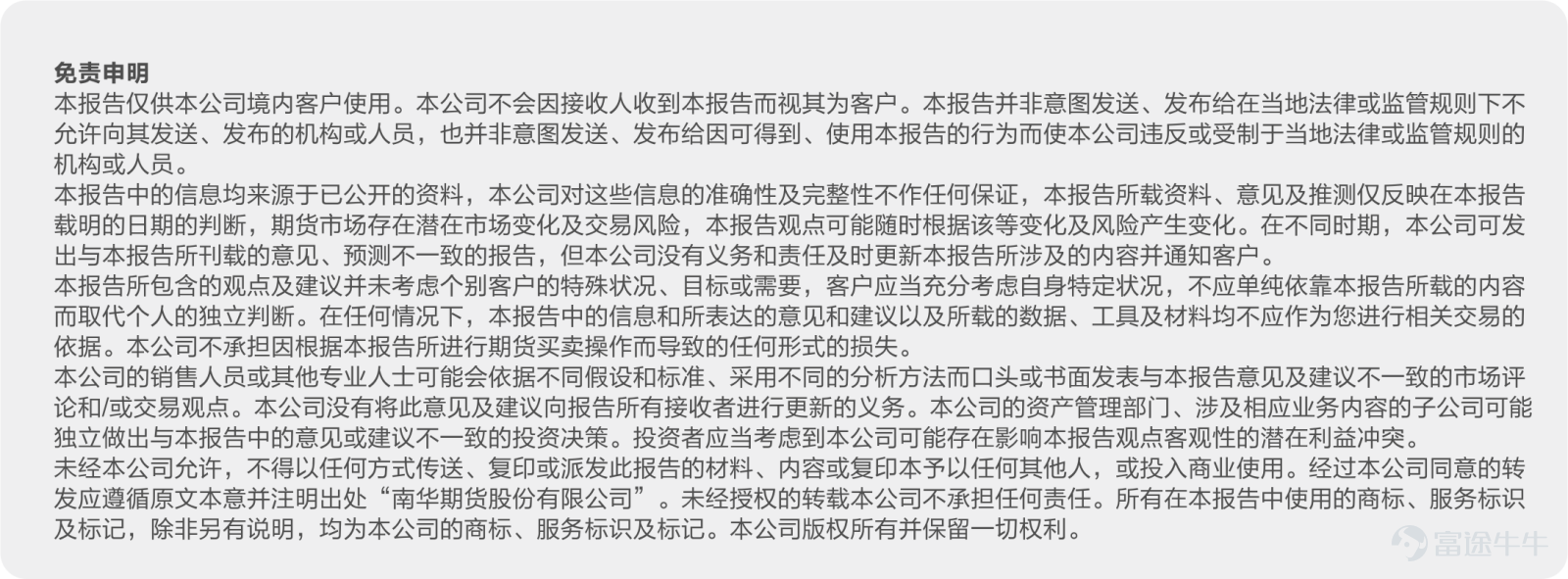
Important Disclaimer: The content and opinions in this article are for educational and reference purposes only and do not constitute any investment advice. The market carries risks, and investments should be made with caution.
[Market Review] In the previous trading session, the USD/CNY pair showed a volatile downward trend. Onshore RMB closed at 6.9181 against the dollar at 16:30, while the night session closed at 6.8881. The central parity rate of RMB against the dollar was set at 6.9194, weakening by 29 basis points. At the New York close, the US Dollar Index fell 0.62% to 99.88. [Core Logic] Currently, both the US and Iran have signaled their willingness to de-escalate the Middle East conflict. Trump stated that the US might end military operations against Iran within two to three weeks, which is considered the clearest de-escalation signal so far. The Iranian President also expressed an intention to end the conflict, easing market concerns over geopolitical tensions, causing international oil prices to retreat. Additionally, the US labor market showed weakness, with job openings in February falling by 358,000 and hiring dropping to a six-year low, further intensifying concerns over the employment fundamentals. Amid cooling inflation expectations and growing worries over the labor market, the US Dollar Index edged lower. For the RMB, the latest data from the National Bureau of Statistics shows that the manufacturing PMI for March reached 50.4%, up 1.4 percentage points from February, returning to expansionary territory. This increase exceeded seasonal norms, reflecting stronger domestic economic recovery momentum. Sub-index analysis shows both the production index and new orders index returned to expansionary levels. Notably, the new orders index rose 3 percentage points month-on-month to 51.6%, signaling continuous improvement on the demand side. Based on the comprehensive PMI data, China’s economic fundamentals continue to improve steadily, with intrinsic growth momentum consolidating. Supported by a weaker dollar and strong domestic economic resilience, the RMB exchange rate against the dollar has shown strength.
Risk Disclaimer: The above content only represents the author's view. It does not represent any position or investment advice of Futu. Futu makes no representation or warranty.Read more
144K Views
Report
Comments
Write a Comment...