[Publishing orders] The market is ups and downs, did your options make or lose?
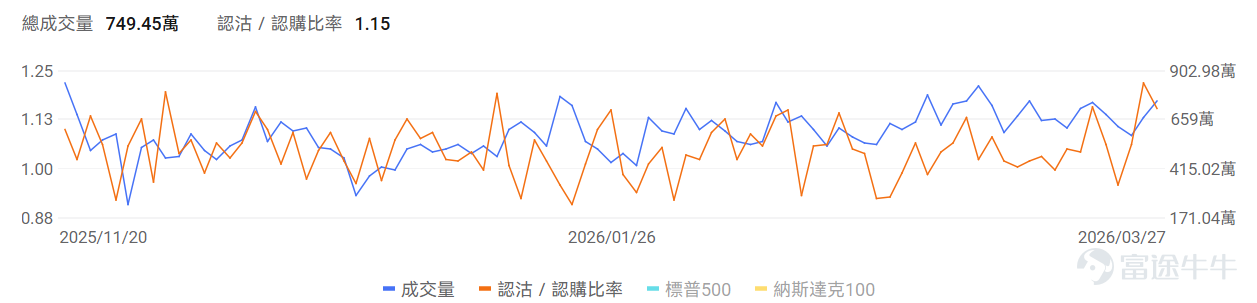
Index Options
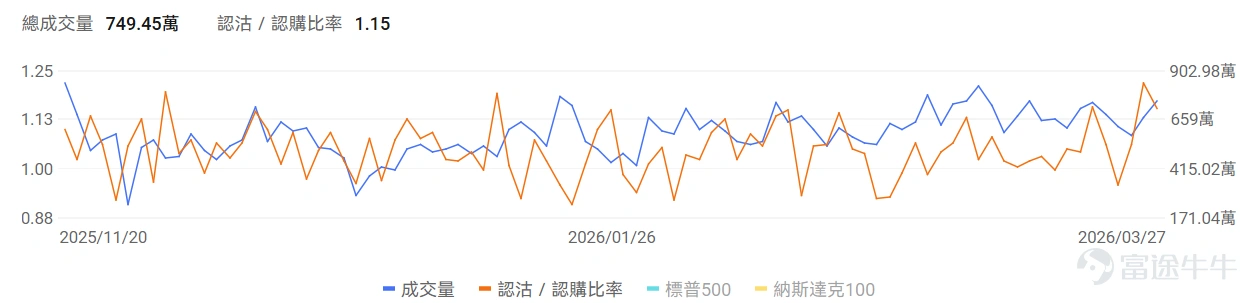
On March 27 Eastern Time, trading volume in the U.S. stock index options market rose, with a total of 7.49 million contracts traded. The put/call ratio fell to 1.15.

Single Stock Options
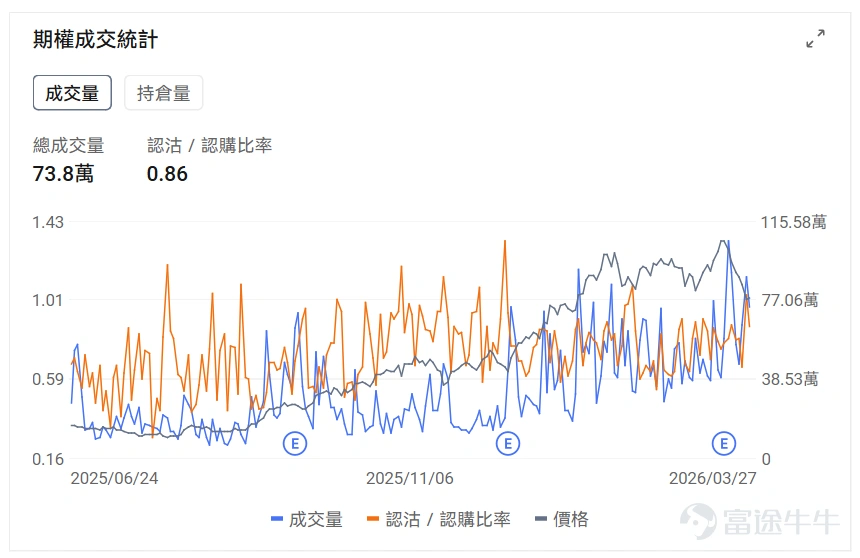
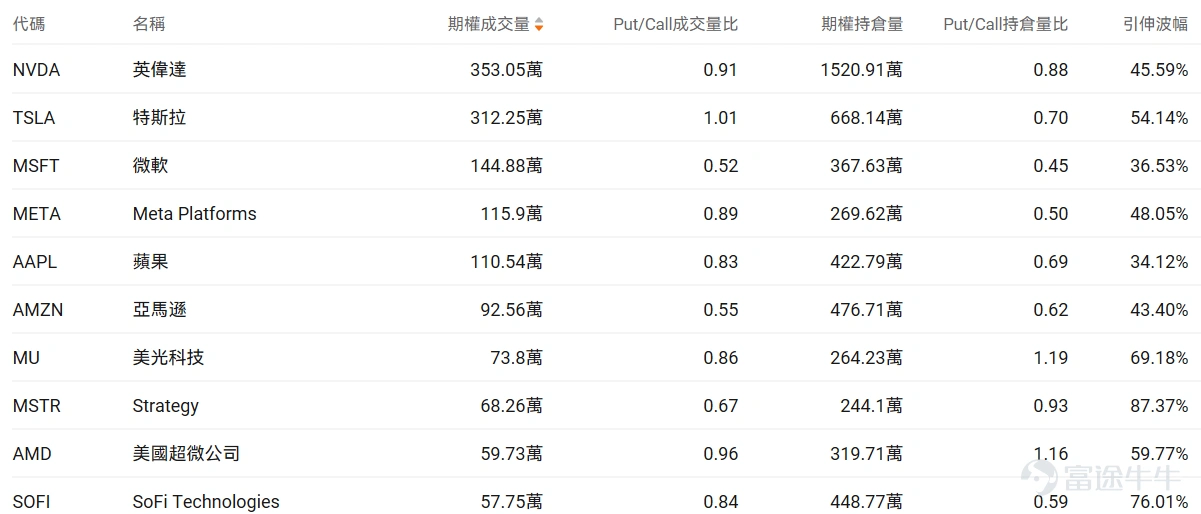
$Micron Technology (MU.US)$Closed up 0.50%, with 738,000 option contracts traded, and the put/call volume ratio dropped to 0.86. Micron Technology is in talks with Japan Display regarding the acquisition of an LCD panel production plant.

Observing unusual large option orders, major option players are predominantly bearish.

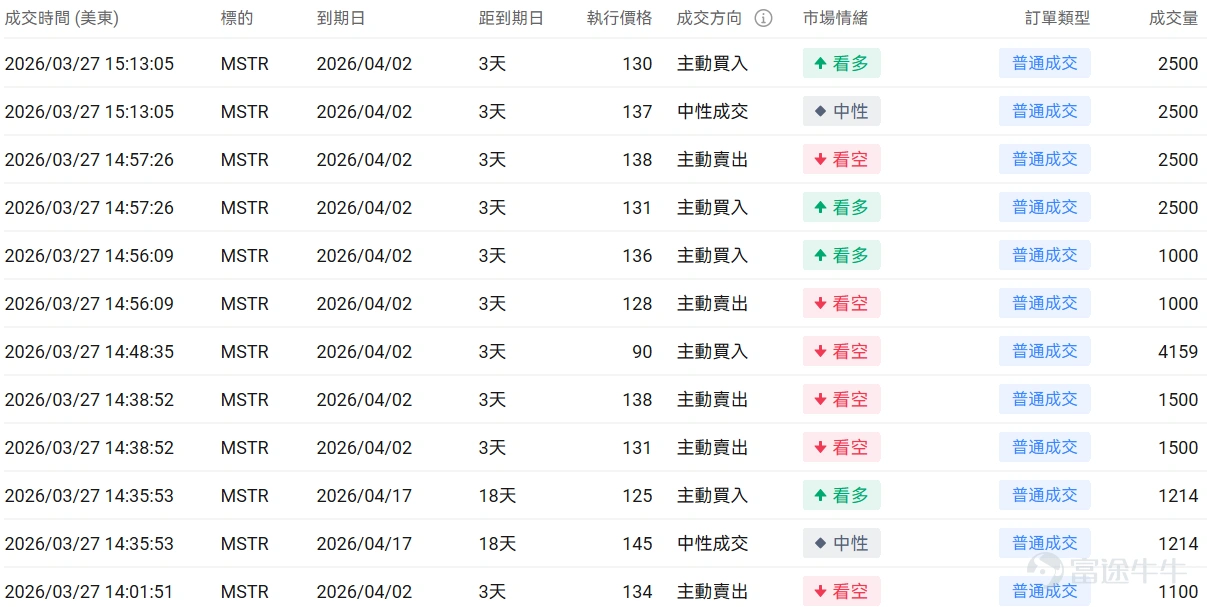
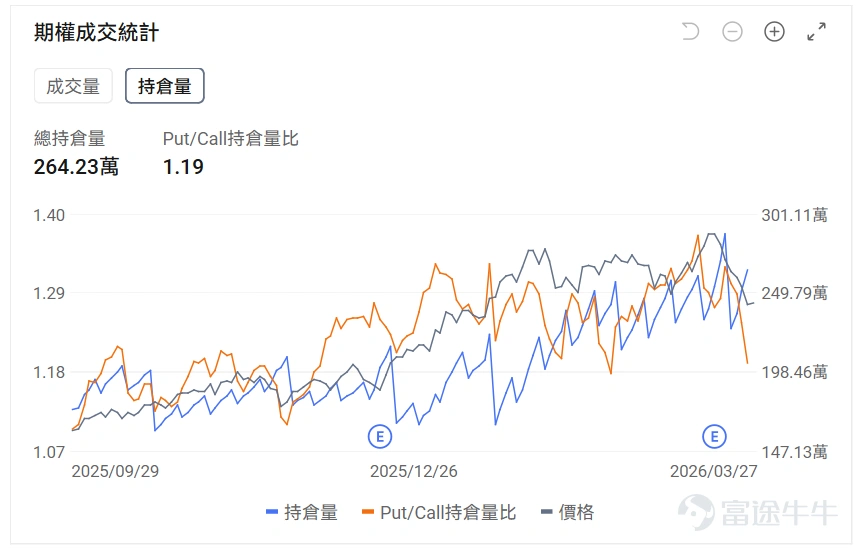
$Strategy (MSTR.US)$Closed down 5.19%, with 682,600 option contracts traded, and the put/call volume ratio rose to 0.67. Strategy's share price fell 6% to $125 due to Bitcoin dropping below $66,000 and an overall decline in the cryptocurrency sector.

Observing unusual large option orders, major option players are engaged in intense bullish-bearish battles.

Options Volume Leaderboard
Among the top 10 stocks by options trading volume,$Tesla (TSLA.US)$The highest put/call volume ratio reached 1.01. Tesla released the latest development video for Optimus 3 and announced small-scale trial production to begin in summer 2026.


Top 10 US stock options by trading volume

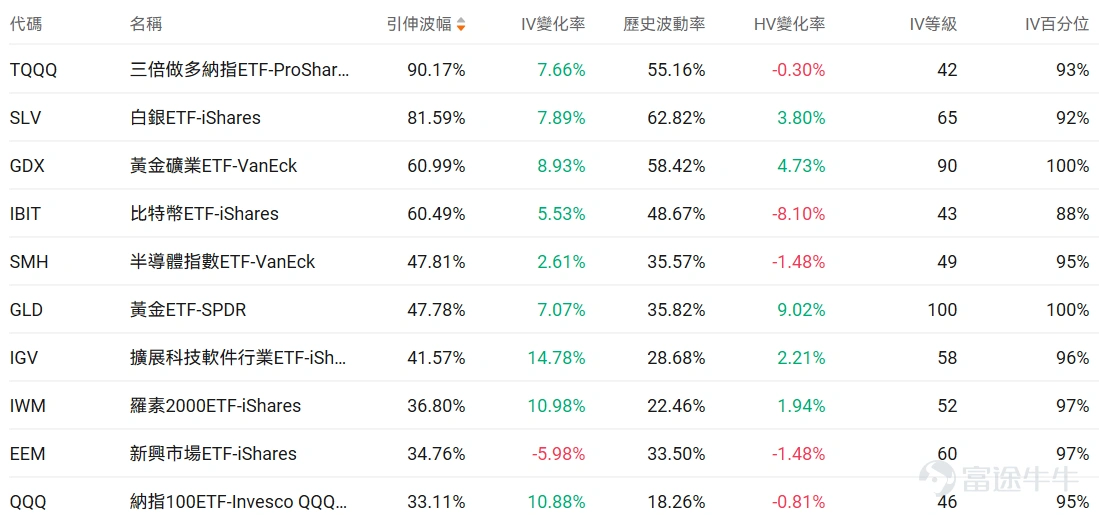
Top 10 US ETFs by options trading volume

Implied volatility leaderboard (underlying market cap > $10 billion and option volume > 100,000)
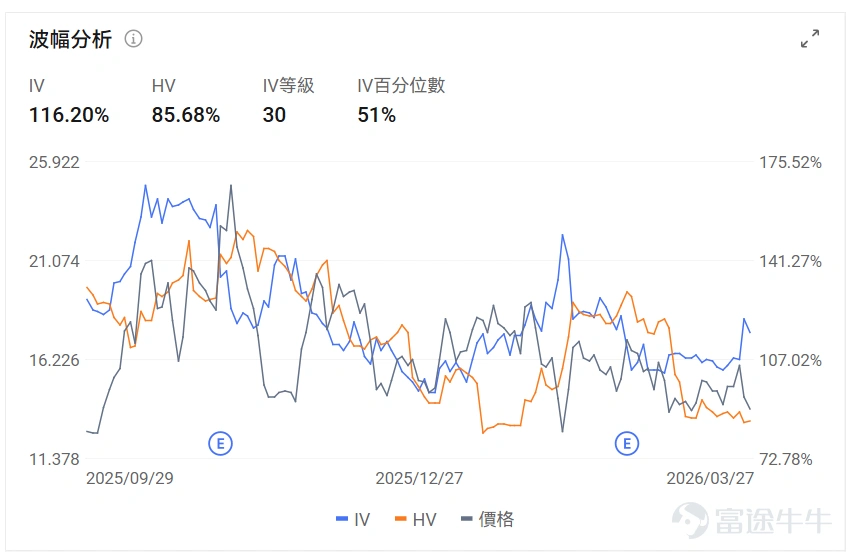
$Cipher Digital (CIFR.US)$Implied VolatilityThe highest increase reached 116.20%, a decrease of 3.82% from the previous trading day. Cipher Digital signed its third hyperscale AI lease agreement and secured a $200 million credit line.

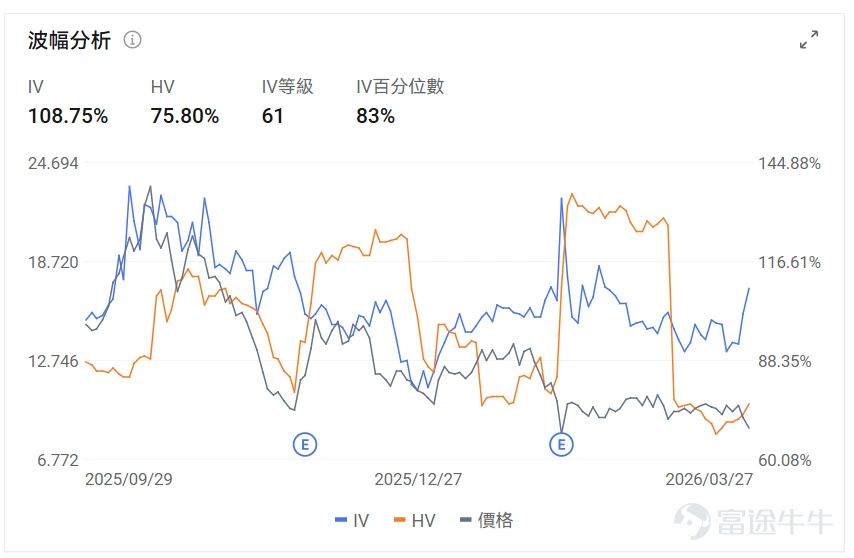
$CleanSpark (CLSK.US)$Implied volatility increased the most, reaching 108.75%, a rise of 7.40% from the previous trading day. CleanSpark's stock price fell 7% due to a pullback in Bitcoin, and cryptocurrency-related stocks were broadly under pressure.

Top 10 US stocks by options volatility (market cap > $10 billion and options trading volume > 100,000 contracts)

Top 10 US ETFs by implied volatility (market cap > $10 billion)

This event is exclusively for invited HK users, click to learn moreDetailed event rules >>

Risk Warning
An option is a contract that gives the holder the right, but not the obligation, to buy or sell an asset at a fixed price at any time on or before a specific date. The price of an option is influenced by several factors including the current price of the underlying asset, the strike price, time to expiration, and implied volatility.
Implied volatility reflects the market’s expectation of the future volatility of an option over a certain period. It is data derived inversely from the BS option pricing model and is generally considered an indicator of market sentiment. When investors anticipate higher volatility, they may be willing to pay more for options to hedge risks, resulting in higher implied volatility.
Traders and investors use implied volatility to assessOption priceattractiveness, identify potential mispricings, and manage risk exposure.Disclaimer
This content does not constitute any offer, solicitation, recommendation, opinion, or guarantee for any securities, financial products, or tools. The risk of loss in trading options can be substantial. In some cases, losses may exceed the initial margin deposited. Even if you set contingent orders such as 'stop-loss' or 'limit' orders, these may not prevent losses. Market conditions may prevent these orders from being executed. You might be required to deposit additional margin within a short period. If you fail to provide the required amount within the specified time, your open positions may be liquidated. However, you will still be responsible for any shortfall in your account. Therefore, before trading, you should study and understand options and carefully consider whether such trading is suitable for you based on your financial situation and investment objectives. If you trade options, you should be familiar with the procedures for exercising options and the rights and obligations upon exercise and expiration. Option trading involves extremely high risks and is not suitable for all investors. Investors should read carefully before engaging in any options trading strategy.Characteristics and Risks of Standardized Options。
Editor/Lee
Risk Disclaimer: The above content only represents the author's view. It does not represent any position or investment advice of Futu. Futu makes no representation or warranty.Read more
Comment (1)
to post a comment
6
8