English
Back
Open Account
YDDL
wrote a column · Mar 27 14:32

The global recycled copper market is moving towards a scale of tens of billions of US dollars, with the Asia-Pacific region leading growth as YDDL accelerates its layout in key regional opportunities

According to the 'Recycled Copper Market: Global Industry Analysis and Forecast (2023–2033)' report released by Persistence Market Research,The global recycled copper market is projected to grow from approximately USD 51.9 billion in 2026 to USD 105.1 billion by 2033, with a compound annual growth rate (CAGR) of 10.6%.This growth is primarily driven by the acceleration of global electrification, expanding demand for renewable energy and electric vehicles, as well as increased copper requirements spurred by artificial intelligence and data center infrastructure development.
According to the 'Recycled Copper Market: Global Industry Analysis and Forecast (2023–2033)' report published by Persistence Market Research,the global recycled copper market is expected to grow from approximately USD 51.9 billion in 2026 to USD 105.1 billion in 2033, with an annual compound growth rate of 10.6%. This growth is primarily driven by the acceleration of global electrification, the expansion of renewable energy and electric vehicle demand, and the increase in copper demand spurred by artificial intelligence and data center infrastructure construction. In this trend, recycled copper is gradually transforming from a traditional supplementary resource into a key component of the global copper supply system. The industry landscape is also rapidly consolidating around companies with compliance qualifications and large-scale processing capabilities. The Asia-Pacific region has become the core growth engine of the world The report points out thatthe Asia-Pacific region currently accounts for about 43% of the global recycled copper market share, and it is also the fastest-growing region. China remains a leader in copper consumption and recycled metal processing, while India continues to expand in the electric vehicle and photovoltaic sectors. The rise in metal demand brought about by Southeast Asia's manufacturing upgrades, along with Japan’s mature 'urban mine' recycling system, jointly support the rapid development of the regional market. Meanwhile, the electronics and electrical industry has become a significant application area for recycled copper...
Under this trend, recycled copper is gradually transforming from a traditionally supplementary resource into a key component of the global copper supply system, with the industry landscape increasingly consolidating around companies with compliance qualifications and large-scale processing capabilities.
Asia-Pacific emerges as the core growth engine globally
The report highlights that,The Asia-Pacific region currently accounts for approximately 43% of the global recycled copper market share,and it is also the fastest-growing region. China leads in copper consumption and recycled metal processing, India’s expansion in electric vehicles and solar energy continues, growing metal demand driven by Southeast Asia's manufacturing upgrades, and Japan’s mature 'urban mining' recycling system collectively support the rapid development of the regional market.
Meanwhile, the electronics and electrical industries have become major application areas for recycled copper, benefiting from the ongoing advancement of 5G networks, smart grids, and data center construction, indicating long-term growth potential. By comparison, North America and Europe are strengthening the use of recycled metals through policy frameworks, but overall, the Asia-Pacific region remains the core area for global recycled copper demand and growth.
YDDL: Deepening presence in Asia-Pacific, benefiting from structural growth
Amid evolving global and regional dynamics, $One and one Green Technologies (YDDL.US)$ the company continues to strengthen its strategic positioning in the Asia-Pacific market.
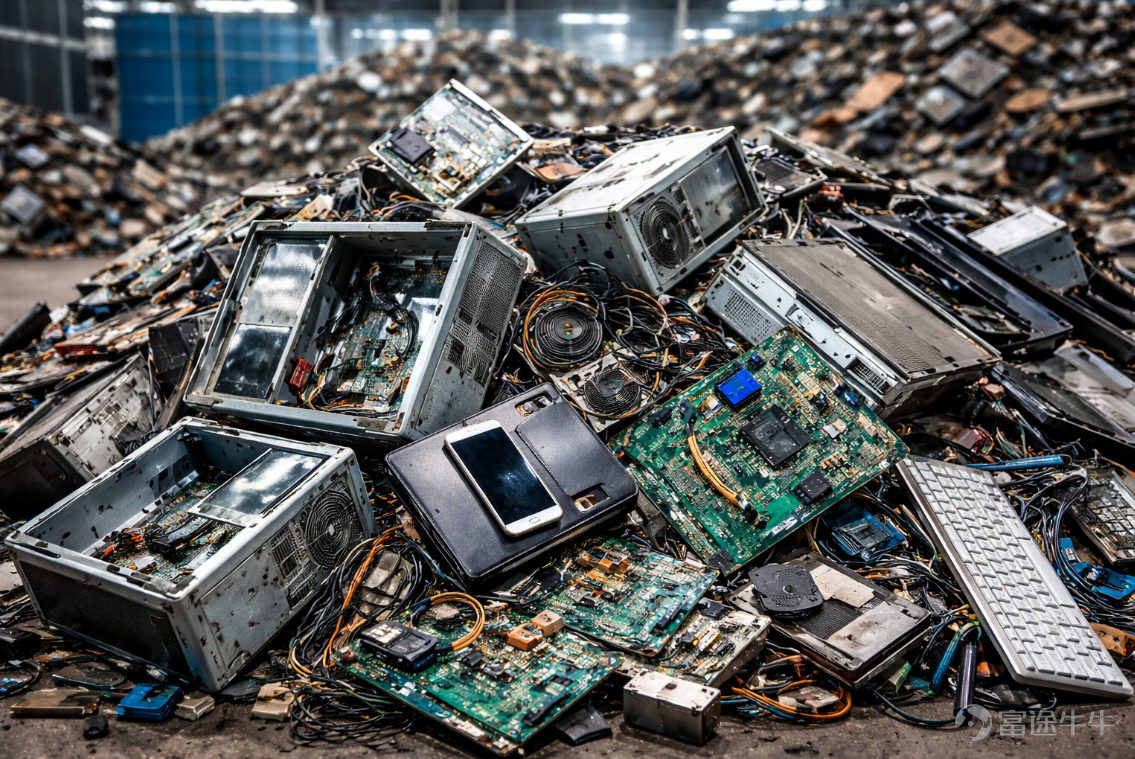
The company operates facilities in the Philippines with relevant environmental and hazardous waste treatment qualifications, enabling it to handle high-value industrial and electronic waste such as copper sludge, nickel sludge, and PCBs within a compliant framework. This capability allows the company to directly participate in the rapidly growing e-waste and recycled metal recovery systems in the region.
As Southeast Asia's manufacturing and electronics supply chains continue to concentrate within the region, the sources of high-grade waste materials are increasing. Coupled with stricter regulations driving industry consolidation, companies with compliance and processing capabilities are poised to capture higher market share.
E-waste and 'urban mining' drive long-term supply
The report further highlights that e-waste is one of the most promising sources of recycled copper. With the acceleration of consumer electronics upgrades and the expansion of AI infrastructure, the volume of global e-waste continues to rise, while current recycling rates remain low, indicating significant room for improvement in the supply of high-quality recycled copper.
In this context, the 'urban mining' model centered on e-waste is becoming a key pathway linking resource security with sustainable development.
$One and one Green Technologies (YDDL.US)$ In recent years, the company has been continuously upgrading its processing capabilities and optimizing its techniques to enhance the efficiency of copper and precious metals recovery from complex waste materials, thereby strengthening its competitiveness in the high value-added recycled metals sector.
Global supply chain restructuring enhances the strategic value of recycled copper
As the grade of native copper resources declines and mining cycles extend, compounded by uncertainties in geopolitical and trade environments, the manufacturing sector's reliance on a stable and sustainable copper supply continues to grow. Recycled copper, characterized by low energy consumption, low carbon emissions, and flexible supply, is becoming a crucial foundational material in the global industrial system.
Under this long-term trend, companies with regional presence, compliance credentials, and technical capabilities are expected to secure more significant positions in the process of restructuring the global supply chain.
Risk Disclaimer: The above content only represents the author's view. It does not represent any position or investment advice of Futu. Futu makes no representation or warranty.Read more
Thumbs Up
2
Yeah!
1
9201 Views
Report
Comments
Write a Comment...
3