
Approximately 80% of new listings are expected to rise on their debut in 2026; how will subsequent p

SHEIN comes to terms with reality

On September 1, SHEIN officially listed on the Hong Kong Stock Exchange. After six years of twists and turns, this former unicorn with a valuation of $100 billion finally made its critical leap into the capital markets. It debuted at an offering price of HK$48.56 per share, corresponding to a market capitalization of approximately $26.3 billion, marking the start of a new chapter.
Unlike the euphoria surrounding other IPOs, SHEIN’s bell-ringing ceremony today had a rather subdued tone.An early partner of SHEIN commented in an interview with 36Kr: “Is this a sense of closure? I don’t think so. Is it satisfaction? I don’t believe they are satisfied either. But not listing was never an option; it’s truly a mix of complex emotions.”
Compared to the peak valuation expectations of $100 billion, the pricing for this IPO is more rational, sending a clear signal: as the external tailwinds that once fueled its rapid growth undergo irreversible structural changes, SHEIN is experiencing a profound revaluation of its worth.
In the relatively short commercial history of cross-border e-commerce, SHEIN remains an outlier that defies easy classification.
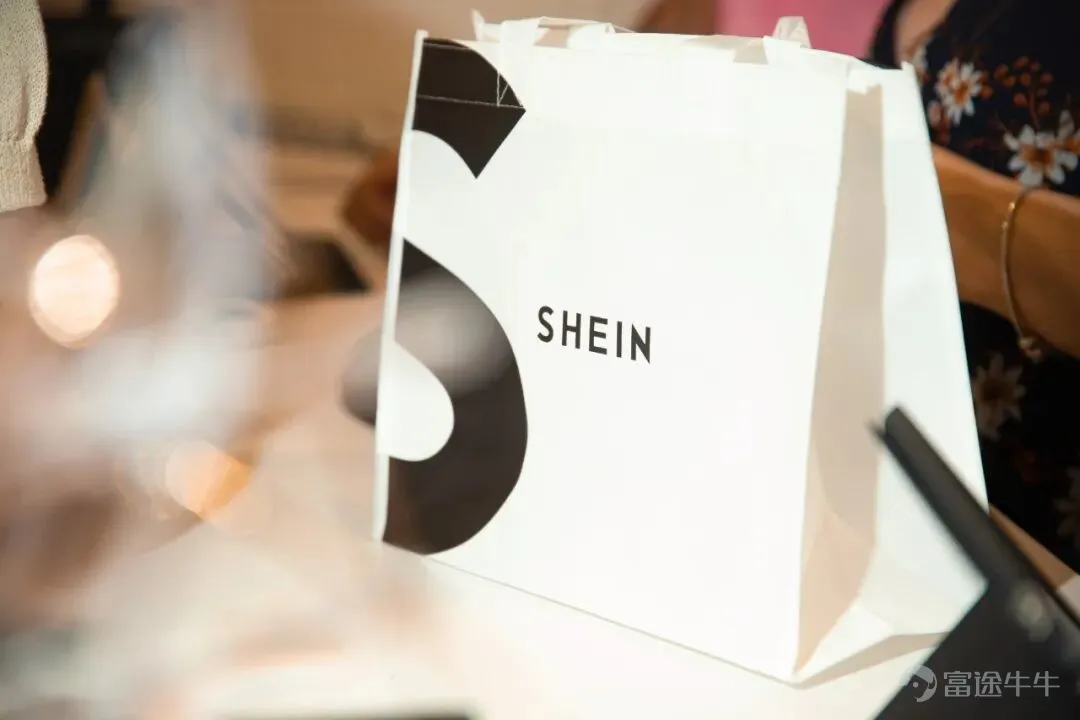
Image source: SHEIN official website
It rose during a unique historical turning point. The deep digitalization of global supply chains, combined with the concentrated explosion of social media traffic dividends, gave birth to the雏形 (prototype) of a global fast-fashion giant that grew from the fringes of an urban village in Panyu, Pearl River Delta.
With no owned factories and a long-standing focus on a purely online model, SHEIN leveraged a flexible supply chain system that deeply integrated data algorithms with apparel manufacturing. In just over a decade, it traversed a path that traditional retailers typically take decades to complete.
However, business history has repeatedly confirmed the same principle: there are no timeless enterprises, only enterprises of their time.
For SHEIN at present, accepting reality and expediting its IPO is a crucial step in proactively navigating changes and anchoring its future development.
1. SHEIN can no longer afford to wait
In Nancun Town, Panyu District, Guangzhou, hundreds of trucks stream out of this urban village every evening, carrying freshly sewn garments to destinations around the world.
From design to delivery, these garments take as little as seven days.It is precisely this speed that has propelled SHEIN to the throne of global fashion retail over the past decade.
However, SHEIN's path to going public has proven far more protracted than anticipated.
On September 1, 2026, SHEIN officially listed on the Main Board of the Hong Kong Stock Exchange, marking the largest fashion brand IPO in the Hong Kong market for 2026.
The IPO offered approximately 280 million Class B shares globally, with the final offer price set at HK$48.56 per share. Based on the opening price, the total market capitalization stood at approximately HK$205.243 billion. This figure represents a contraction of over 70% from its valuation peak of nearly $100 billion in 2022.

The significant valuation correction did not deter capital; SHEIN secured seven cornerstone investors for this IPO. However, the secondary market response was lukewarm. On its first day of trading, SHEIN's stock opened flat at HK$48.56 before rapidly weakening, falling nearly 10% intraday to a low of HK$43.72. At the close, the stock was quoted at HK$48.5, with a market capitalization of approximately HK$204.989 billion.
Counting from the initial launch of its listing preparations, SHEIN has been on this IPO journey for a full six years.
In 2022, SHEIN was in a phase of rapid business expansion, with its valuation hitting $100 billion, making it one of the most highly valued private companies globally. In the following years, SHEIN explored various listing routes before finally settling on Hong Kong as its destination.
A common question in the market is: given that current conditions are not at a peak in the capital markets and valuations have discounted significantly from their highs, why is SHEIN still insisting on listing now?
The answer may lie in SHEIN’s practical needs.
The most direct reason stems from the capital side. Since completing its financing round in 2022, early-stage investment capital has been tied up for four years. Primary market funds have defined lifecycles, and the pressure to exit continues to accumulate.
A deeper sense of urgency comes from SHEIN itself.In recent years, SHEIN has actively explored various growth strategies, expanding from a self-operated brand to a platform model, extending from a single brand to a multi-brand matrix, and transitioning from cross-border direct mail to global localized operations. Each of these initiatives requires substantial capital investment, making SHEIN more reliant than ever on funding support from the secondary market.
From another perspective, rather than betting on an uncertain future, it is better to complete the listing promptly based on its current performance foundation, after all, the window for IPOs will not remain open indefinitely.
For SHEIN, going public means more transparent financial disclosures and more standardized corporate governance. This not only serves as crucial support for meeting regulatory requirements worldwide but also enhances brand trust among consumers, suppliers, and partners. It is particularly beneficial for SHEIN’s expansion into markets with stricter compliance standards, such as Europe and the Middle East.
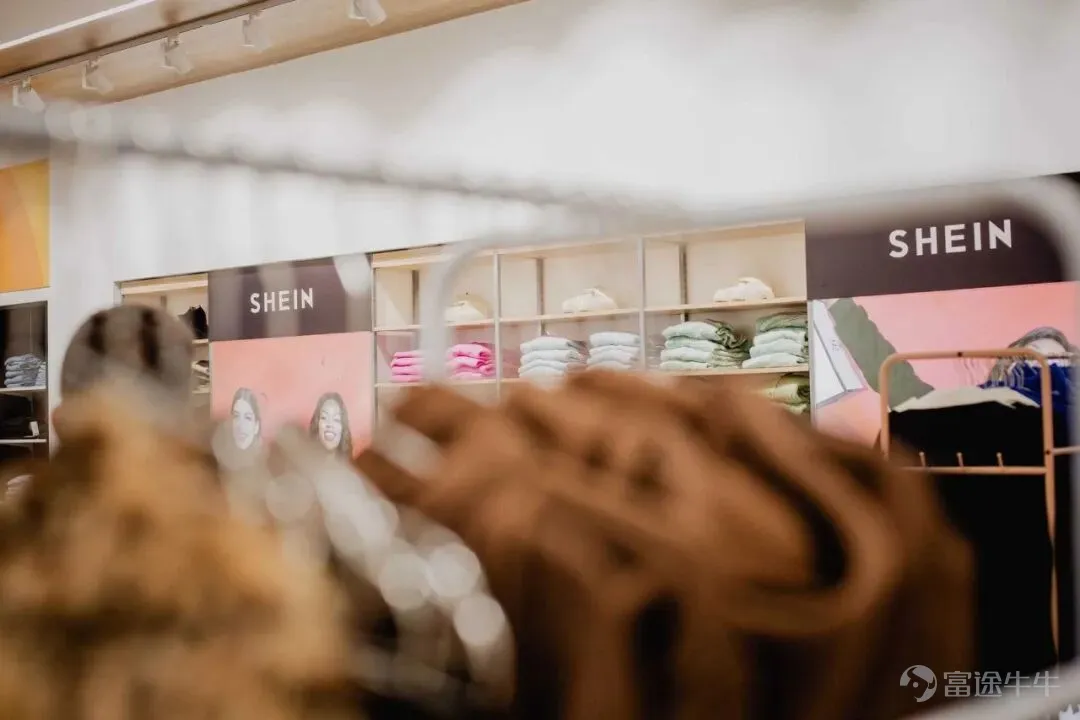
Image source: SHEIN official website
After years of twists and turns, consensus among various parties has become increasingly clear: successfully completing the listing is more important than short-term valuation levels.
As capital refocuses on the pricing logic of retail enterprises, placing greater emphasis on earnings visibility, supply chain transparency, and the sustainability of cross-border operations, SHEIN lets its actual performance and profitability speak for itself. A successful IPO would mark a new starting point for proving its long-term value to the market.
2. The supply chain remains a moat, but it is no longer a panacea.
In 2012, when a small cross-border e-commerce wedding dress website called SheInside quietly launched in Nanjing, no one could have predicted that it would grow into a stunning variable on the global fast-fashion landscape.
At that time, the global apparel retail order was still firmly controlled by giants like Zara and H&M. They built seemingly insurmountable barriers through decades of brand heritage, prime store networks in core commercial districts worldwide, and a repeatedly refined supply chain system.
SHEIN chose a path entirely different from that of traditional giants.Instead of investing resources in building high-end flagship stores, it placed its bets on the digital potential of the apparel manufacturing industry in China's Pearl River Delta.
At the time, the Pearl River Delta region had thousands of small and medium-sized apparel factories within a two-hour drive. These factories had long served as OEMs for major brands, possessing ample capacity but unstable orders, and advanced equipment but lagging informatization. What SHEIN did was connect this scattered capacity through a system, allowing data to directly direct production.
This is the flexible supply chain model known as 'small batch, quick response,' which later rewrote the rules of the fast-fashion industry. It was this differentiated choice that built SHEIN a core moat more隐蔽 (hidden) and harder to replicate than offline store networks.
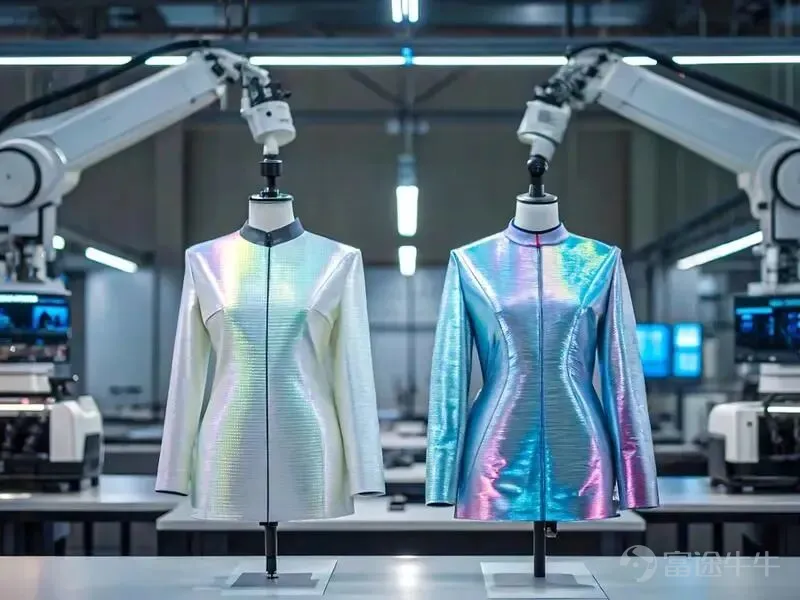
Image source: SHEIN official website
The results delivered by this supply chain system are impressive enough.
By the end of 2025, SHEIN’s active user base grew to 273 million, with operations covering approximately 160 markets globally. According to the post-hearing information package disclosed by the Hong Kong Stock Exchange, SHEIN has become the world’s largest online fashion retail platform based on 2025 apparel and footwear retail sales.
From the perspective of the overall global fashion industry landscape, data from CIC (China Insights Consultancy) shows that SHEIN held a market share of approximately 1.9% in the global fashion market in 2025, ranking second only to Nike and Inditex, the parent company of Zara.
Inventory efficiency better reflects the value of the supply chain. The traditional apparel industry is generally plagued by persistent inventory issues, with the average inventory ratio in China reaching as high as 30%, and inventory turnover days for international fast-fashion brands often exceeding 90 days. In contrast, SHEIN’s inventory turnover days in 2025 were only 36 days, with unsold inventory rates kept at low single-digit levels.
Achieving the world’s largest scale in online fashion retail with one-third of the industry’s inventory efficiency demonstrates the value of its flexible supply chain. The combination of low inventory, high turnover, and large volume is the most intuitive proof of this value.
Specifically, the core competitive advantage of this model is the "Large-scale Automated Test-and-Reorder" (LATR) operating model, which essentially replaces the traditional fast-fashion approach of "production-driven sales" with "sales-driven production."
The operational logic of traditional fast fashion involves brands forecasting trends 6–9 months in advance and placing large bulk orders of thousands or even tens of thousands of units with factories at once. Once production is complete, goods are distributed through channels, with inventory cleared via discounts at the end of the season.
SHEIN’s LATR model completely overturns this logic.Initial production runs for each new style are limited to just 100–200 units. After listing, rapid reorders are placed for popular items based on real-time sales feedback, with restocking completed in as little as five days. Production capacity can be continuously scaled up for hit products, while underperforming styles are immediately discontinued, limiting losses to the level of hundreds of units.
Supporting this model is a supply chain network comprising approximately 7,500 contract manufacturers. SHEIN provides them with free access to its proprietary digital management system, enabling end-to-end control over order processing, production, quality inspection, and outbound logistics. More importantly, SHEIN’s payment term is 30 days after shipment, with core suppliers potentially receiving payment within just 7 days. This is a highly attractive cooperation condition for small and medium-sized manufacturing enterprises facing tight cash flows.

Source: SHEIN official website
However, it must be acknowledged that this economic moat is not a panacea.SHEIN's rapid growth was never driven by supply chain factors alone; rather, it was the result of three converging forces: the cost advantages of Chinese manufacturing, the early cost window in cross-border retail, and the traffic dividends from the mobile internet boom.
To some extent, the agile supply chain acted more as an amplifier, maximizing these dividend effects. Now, as external tailwinds fade, the boundaries of this moat are becoming increasingly apparent.
The continuous rise in cross-border fulfillment costs and the peaking of traffic dividends are variables that cannot be ignored. As the global cross-border retail landscape undergoes broader changes, the cost advantage of the direct-mail model is gradually narrowing.
SHEIN's fulfillment expenses as a percentage of net revenue climbed from 42.1% in 2023 to 47.7% in the first quarter of 2026, dampening the market impact previously built on ultra-low prices.
In short, while the efficiency advantage of its supply chain remains, it has shifted from being a growth amplifier to an operational safety cushion. It can ensure the company survives competitive pressures but is unlikely to singly sustain SHEIN's high-speed growth anymore.
3. Shifting industry trends and changing growth rhythms mean SHEIN needs new growth drivers
If the supply chain represents SHEIN's existing moat, then identifying new growth engines is its incremental challenge for the future.
In terms of scale, SHEIN remains one of the leading fashion retailers globally, but its growth pace has clearly shifted.
Prospectus data shows that SHEIN achieved net revenue of $32.103 billion in 2023, which increased to $38.748 billion in 2024, a year-over-year growth of 21%; in 2025, it further reached $41.847 billion, but the year-over-year growth rate slowed to 8%.
Pressure on the profit side is more pronounced than on the revenue side. Net profit stood at $2.789 billion in 2023, surged to $3.365 billion in 2024, and then fell back to $2.064 billion in 2025, representing a year-on-year decline of 38.7%.

Image source: SHEIN official website
In the first quarter of 2026, the company reported a net loss of $99 million, including the impact of a $328 million change in the fair value of convertible redeemable preferred shares. This marked its first quarterly loss since it began disclosing financial data.
It is important to note that the Q1 loss was due to non-operating accounting adjustments rather than losses from core business operations. However, after excluding non-recurring items, operating profit for the quarter was $258 million, still down 25.9% from $348 million in the same period last year.
More noteworthy is the shift in revenue structure, which directly explains why SHEIN must seek new growth paths.
From a business structure perspective, self-operated business remains the absolute pillar of SHEIN's revenue. In 2025, revenue from self-operated products amounted to $37.107 billion, accounting for 88.7% of net revenue.
This also demonstrates that as SHEIN reaches high penetration levels among young users in its core markets, achieving growth solely through user acquisition becomes increasingly difficult, with the conversion efficiency from user growth to revenue growth continuing to decline.
From a regional perspective, mature markets in Europe and the US contribute the majority of revenue, while emerging markets have not yet grown into new growth engines. North America and Europe form SHEIN's base, but e-commerce and fast-fashion penetration rates in these two markets are already at high levels, indicating clear characteristics of competition for existing market share. Although emerging markets such as Latin America, Southeast Asia, and the Middle East are growing rapidly, their low bases make it difficult to offset the growth gap in mature markets in the short term.
The shift in growth drivers has never been the result of a single factor.As the growth effect from the supply chain gradually returns to normal, coupled with shifts in the global trade environment and industry cycles, SHEIN's slowing growth pace is actually a microcosm of the broader cross-border e-commerce and fast-fashion industries.
Faced with growth bottlenecks, SHEIN did not passively wait but proactively initiated a multi-dimensional strategic transformation. The core directions include platformization, brand incubation, a multi-brand matrix, and offline expansion, all essentially aimed at breaking through the growth boundaries of single-category and single-model operations.
Platformization was once a high-priority strategy within the company.In 2022, SHEIN officially launched its third-party marketplace business, opening the platform to third-party merchants and transitioning from a self-operated retailer to an e-commerce platform. In just three years, the proportion of platform service revenue rose from 2.7% in 2023 to 11.3% in 2025, and further reached 14.3% in the first quarter of 2026.
This type of revenue mainly comes from merchant commissions, marketing fees, and fulfillment service fees, representing an asset-light, high-gross-margin business that does not carry inventory risk. More importantly, the platform model allows for rapid expansion into non-apparel categories such as beauty, home goods, and consumer electronics (3C), breaking through the category ceiling inherent in the self-operated model. Currently, the GMV share of non-apparel categories on SHEIN has exceeded 35%.
Brand incubation and a multi-brand matrix constitute another key strategic layout.SHEIN launched the Xcelerator brand empowerment program, exporting its supply chain capabilities and traffic operation expertise to external emerging brands to help them grow rapidly.

Prospectus data shows that brands joining this program saw an average sales growth of approximately 15 times in their second year, with operating profit margins increasing by over 30%. Meanwhile, SHEIN is also building its own multi-brand matrix. In addition to its main brand, it owns sub-brands such as Dazy and MOTF, which target different styles and price points, and has acquired overseas brands like Everlane and Missguided, aiming to cover a broader consumer base and increase customer lifetime value.
Offline expansion has also shifted from tentative exploration to pilot programs.Previously, SHEIN adhered to a purely online route, only opening short-term pop-up stores for brand activities. In November 2022, its first offline experience store in Tokyo, featuring a 'try-but-not-buy' model, opened. Starting in 2025, SHEIN began launching its first permanent offline stores in France, exploring an integrated online-offline retail model. Although the number of offline stores is currently small and their contribution to revenue is negligible, this marks the beginning of SHEIN's exploration of multi-channel retailing.
Frankly speaking, while SHEIN's transformation direction is clear and initial results are visible, most initiatives are still in the investment phase and have not yet grown into core pillars capable of supporting overall growth.
SHEIN stands at a crossroads.
Looking ahead, it boasts an enviable asset base: a flexible supply chain with proven global competitiveness, brand recognition reaching hundreds of millions of young consumers, and a rapidly evolving platform ecosystem aiming to break down category boundaries.
These strengths were not built overnight, nor will they be easily erased by short-term earnings fluctuations. They serve as the starting point for SHEIN’s redefinition and represent the most resilient core of its underlying value.
But looking back, the pressure from reality is equally clear and urgent.The supply chain moat is not the only factor; when new growth drivers will deliver incremental gains remains uncertain. SHEIN must prove itself through sustained operational performance, and its IPO marks the beginning of this new journey.
(The header image in this article is sourced from SHEIN's official website.)
Original content by Lianxian Insight; Author: Wang Huiying; Editor: Zi Ye.
Risk Disclaimer: The above content only represents the author's view. It does not represent any position or investment advice of Futu. Futu makes no representation or warranty.Read more

Comments
to post a comment
1
2