Nasdaq hits new highs! Is the market trading around the AI Agent theme?

Nasdaq surges 1.5%! Micron and SK Hynix skyrocket? Is the AI tech theme losing momentum?
1. What is driving this round of sharp gains in memory stocks?
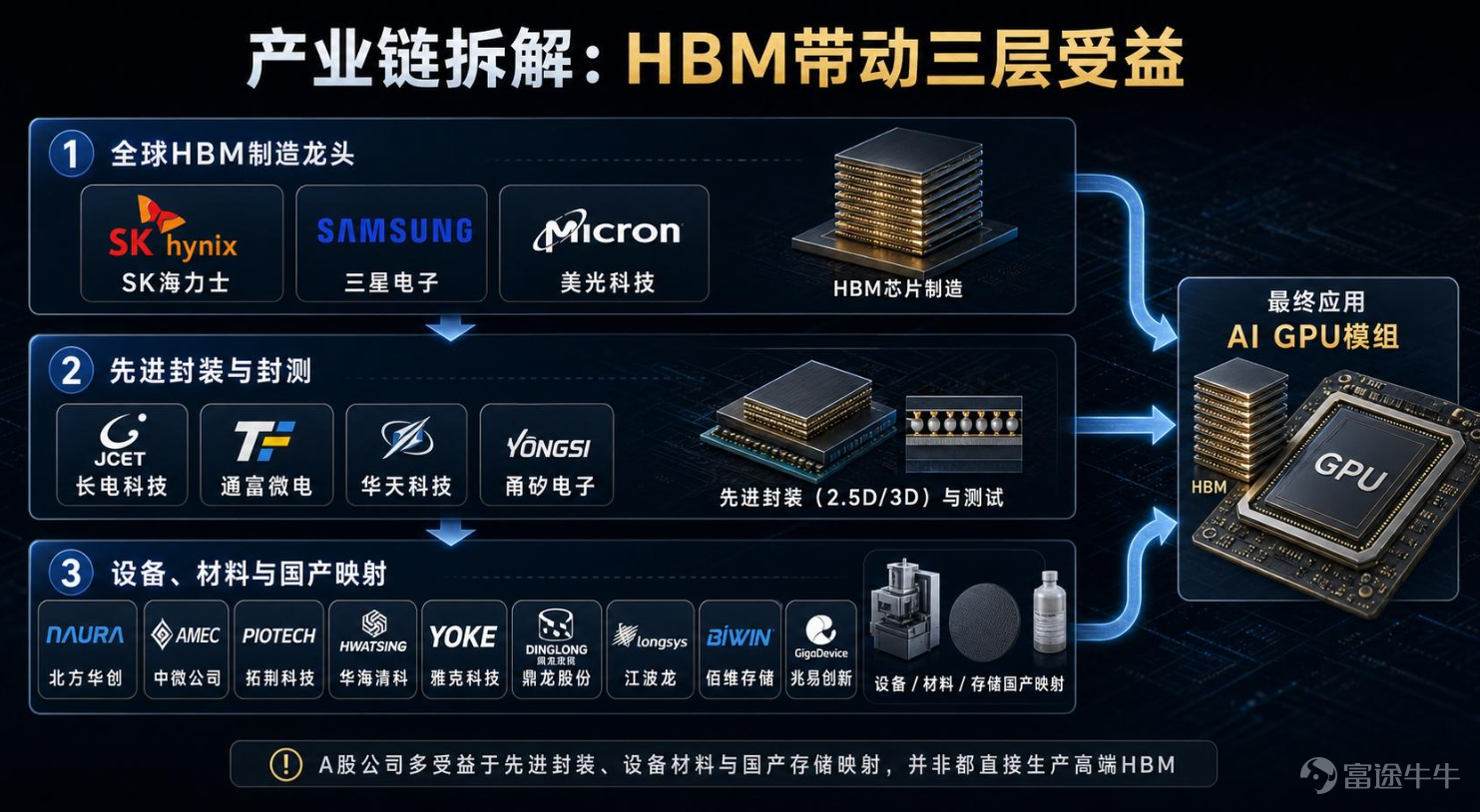
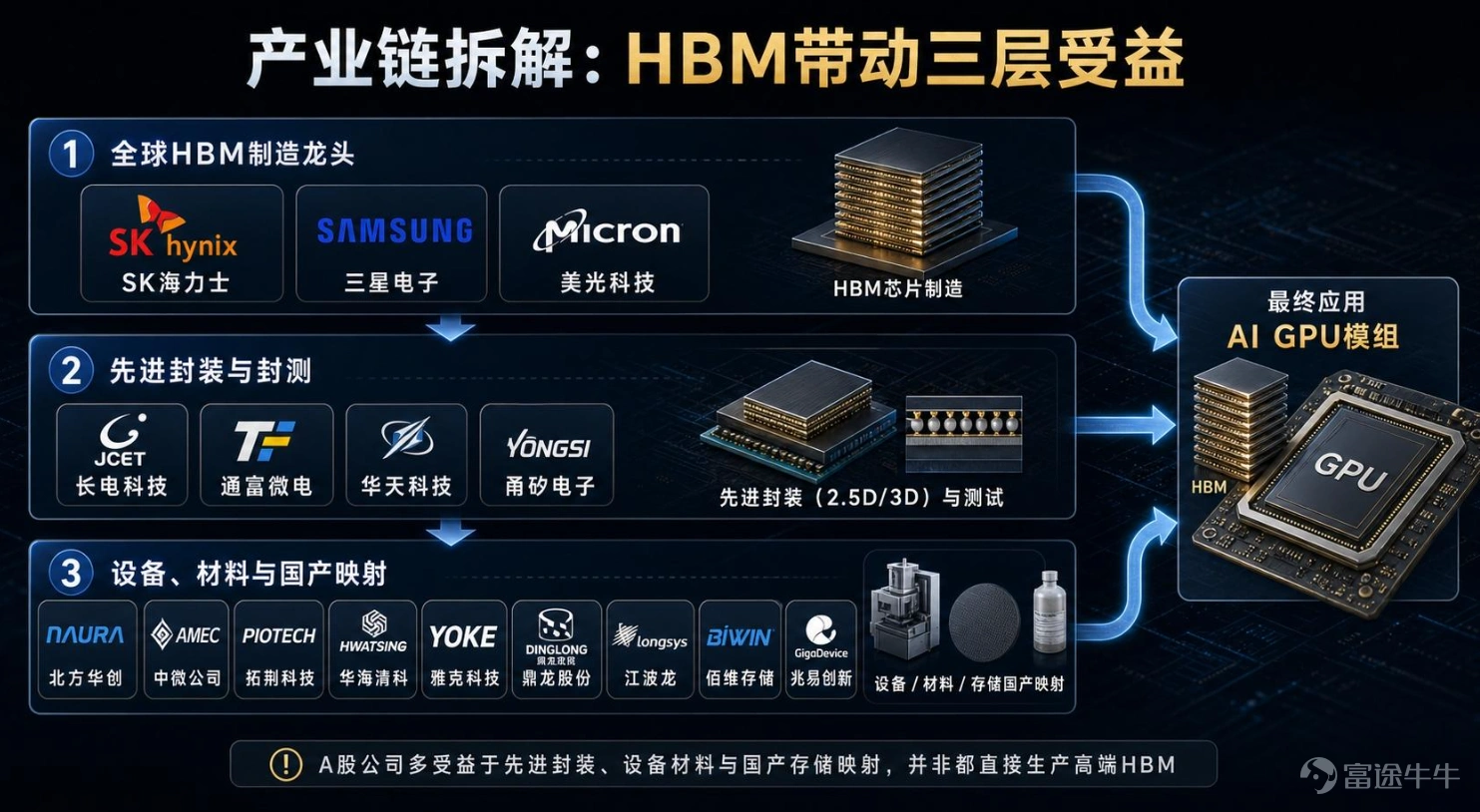
The Nasdaq rose 1.5%, with Micron (MU) and SK Hynix ADRs strengthening. The core driver is not mere speculative sentiment, but ratherthe resonance between AI computing power and the memory cycle,which has triggered capital reallocation:
1. Hard constraints on HBM supply and demand: AI servers require 8–10 times more DRAM than traditional servers. Samsung, Micron, and SK Hynix have allocated significant advanced production capacity to HBM, squeezing the supply of standard DRAM and NAND. Major manufacturers have disclosed that their HBM capacity through 2027 is largely committed to key clients, keeping spot prices on a continuous upward trend. Bank of America forecasts that memory spot prices will continue to rise by 10–20% in September. $Micron Technology (MU.US)$$Samsung Electronics (005930.KR)$
2. Major catalyst from SK Hynix: A massive KRW 40 trillion share buyback and cancellation, coupled with a commitment to return 50% of free cash flow to shareholders, signals strong confidence in future prosperity and directly ignites sentiment in the memory sector. $SK hynix (SKHY.US)$
3. Capital Rotation: Spreading from GPUs to Upstream HardwareIn the early stage, the market focused heavily on speculating on NVIDIA GPUs. Now, capital is realizing:The biggest bottleneck in AI computing power is not just GPUs, but also HBM memory.Capital is spreading to upstream hardware segments in the AI sector, with memory becoming the new focal point of the AI supply chain. $NVIDIA (NVDA.US)$
II. Is the AI Tech Theme Receding or Undergoing an Internal Shift?
Conclusion: The AI theme is not receding overall; rather, the AI sector is experiencing intense differentiation and rotational rebalancing. The era of broad-based gains has ended, entering a phase of "strict fundamental screening."。
1. Signs That Resemble a "Recession"
Significant pullbacks have occurred in some smaller AI stocks, optical modules, software applications, and second-tier chipmakers. Targets with high valuations but no earnings realization are being sold off, as crowded momentum trades from earlier periods take profits on a large scale.
The market has stopped blindly going all-in on AI. Stocks driven by narratives rather than fundamentals are being abandoned.
2. What signals prove that the AI main theme is not dead?
1. The core logic of hardware demand remains intact.NVIDIA's latest earnings report provides guidance for growth at the 70% level, global cloud providers' AI capital expenditures remain high, and the shortage of HBM and high-end memory is expected to persist until 2027, indicating no reversal in industry sentiment.
2. Capital has not completely left AI; it has merely switched tracks.Flows have shifted from certain AI applications and second-tier computing power assets tomemory, leading GPU makers, and AI servers.These are tangible orders in hard-tech segments with tight supply and demand. The sharp rallies in Micron and SK Hynix are the result of this capital rotation.
3. At the index level, the Nasdaq and the Philadelphia Semiconductor Index remain strong, despite internal divergence.It is not a broad-based bear market.
3. Current Market Contradictions (Key Focus)
1. Bullish Catalyst: The narrative around a super cycle in memory chips is gaining strengthOriginal manufacturers continue to raise guidance, spot prices are rising, major players are buying back shares, and production capacity is locked up, creating broad-based demand for memory productsCombines AI growth logic with the reversal logic of the traditional memory cycleA double dividend.
2. Risks cannot be ignored
Long-term US Treasury yields remain the biggest source of volatility: rising interest rates suppress all high-valuation tech stocks. If yields spike again, both memory and AI sectors will face valuation compression.
Memory stock prices have surged significantly in the short term, fully pricing in expectations for price hikes. If subsequent price increases fall short of expectations, a sharp correction is likely.
The market rally is structural: while memory stocks are surging, many AI sub-sectors are still declining,This is not a broad-based bull market, making stock selection significantly more difficult。
4. Brief Summary
1. The recent rally in Micron and SK Hynix is driven by a combination of factors:AI computing power bottlenecks + reversal of the memory cycle + share buyback catalysts + capital rotationrather than mere thematic speculation.
2. The AI main theme has not completely faded, but the era of broad-based rallies is over.The market has shifted from "concept hype" to a structural trend focused on "order books and supply gaps." Capital is rotating from small-cap AI application stocks toward memory chips and core computing hardware.
3. Going forward, watch two key indicators: changes in long-term US Treasury yields; and spot prices for HBM and DRAM, along with order guidance from major manufacturers.
Risk Disclaimer: The above content only represents the author's view. It does not represent any position or investment advice of Futu. Futu makes no representation or warranty.Read more


Comment (1)
to post a comment
2