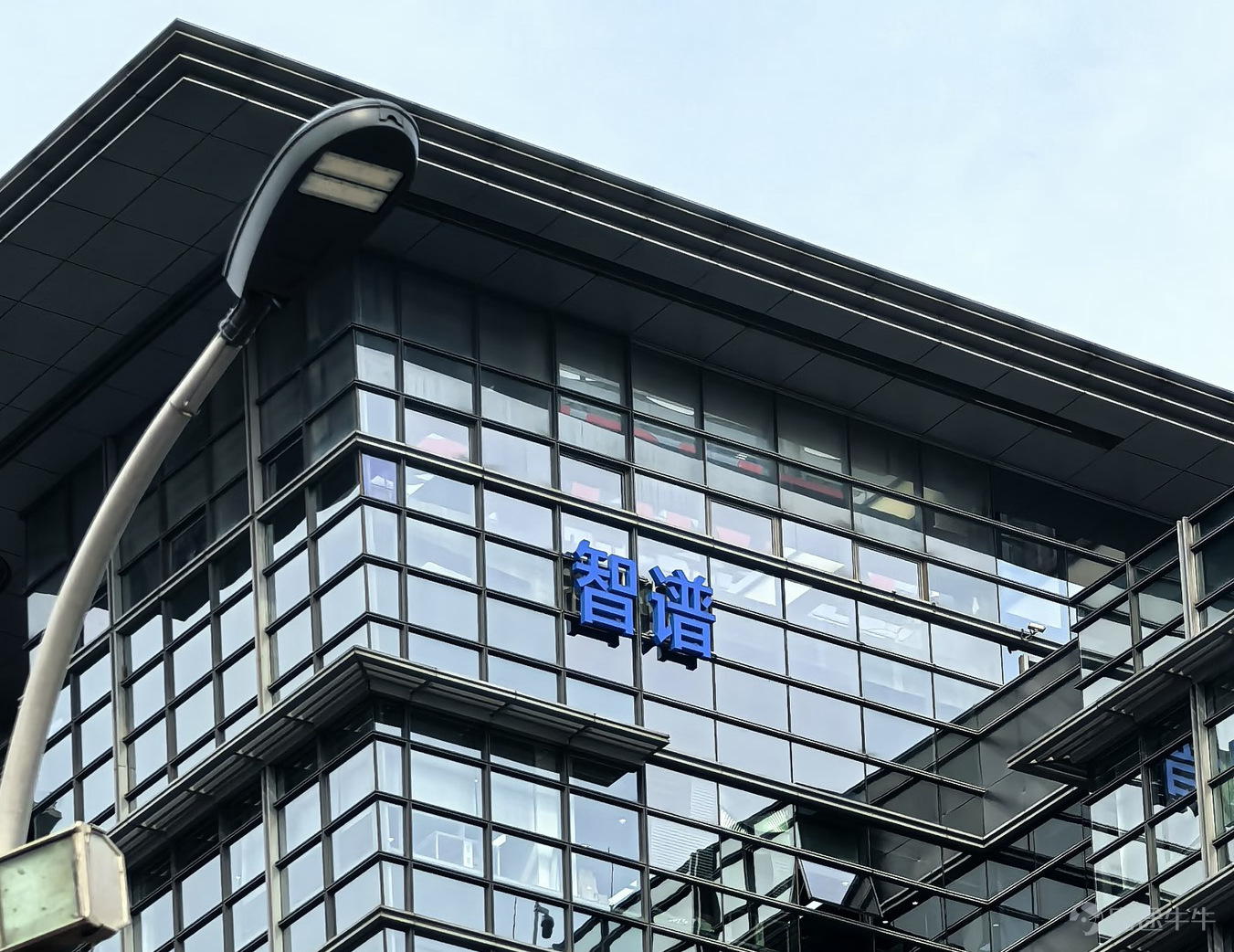

Zhipu AI still falls short of matching Anthropic.
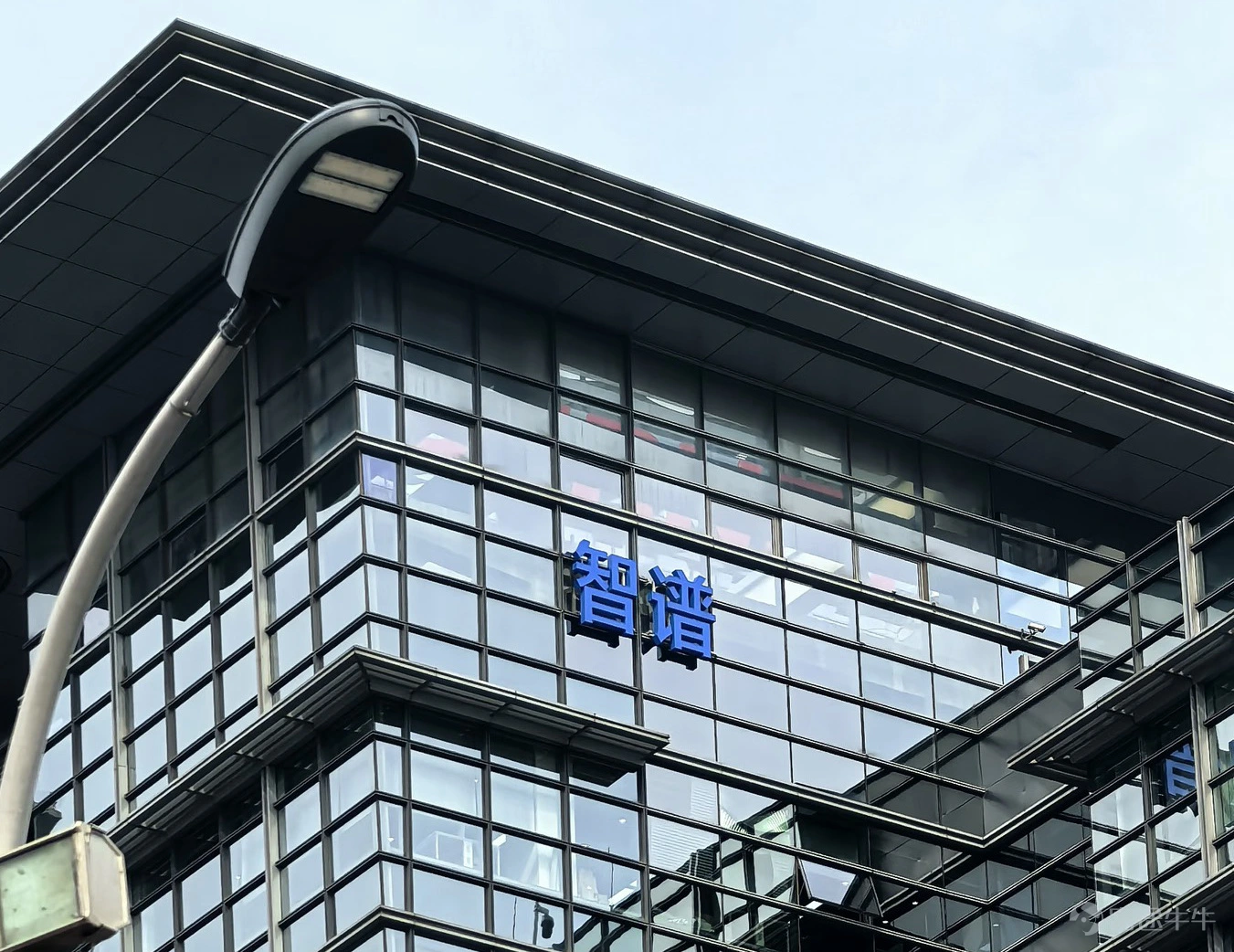
Bridging the gap requires a major breakthrough.
By Haike Financial News, Xu Junhao
The AI wave is surging, continuously fueling market enthusiasm.
Leading companies in the sector are all under the spotlight. On July 10, 2026, OpenAI released GPT-5.6, sparking another wave of intense discussion.
Zhipu AI, a leading domestic AI company, has also drawn significant attention.
Zhipu AI has already experienced a stock price rollercoaster under the glare of public attention: after listing on the Hong Kong Stock Exchange on January 8, 2026, at an issue price of HK$116.2 per share (approximately RMB 100), its share price soared to an intraday high of HK$2,980 (approximately RMB 2,585) on June 22; on the morning of July 7, reports emerged that Zhipu had withdrawn its filing for guidance ahead of a proposed A-share IPO, causing its stock to plummet immediately; at noon the same day, Zhipu issued a clarification announcement on the Hong Kong Stock Exchange stating that the preparatory work related to its proposed A-share offering had already been completed, prompting a rapid rebound in its share price, closing at HK$1,610 per share (approximately RMB 1,396); on July 9, Zhipu’s stock continued to rise, closing at HK$2,032 per share (approximately RMB 1,762).
Based on its peak share price to date of HK$2,980, Zhipu AI’s market capitalization at that time reached HK$1.27 trillion (approximately RMB 1.1 trillion), surpassing other well-known Chinese tech firms listed in Hong Kong such as Xiaomi, Meituan, JD.com, and BYD, ranking just behind Tencent and Alibaba.
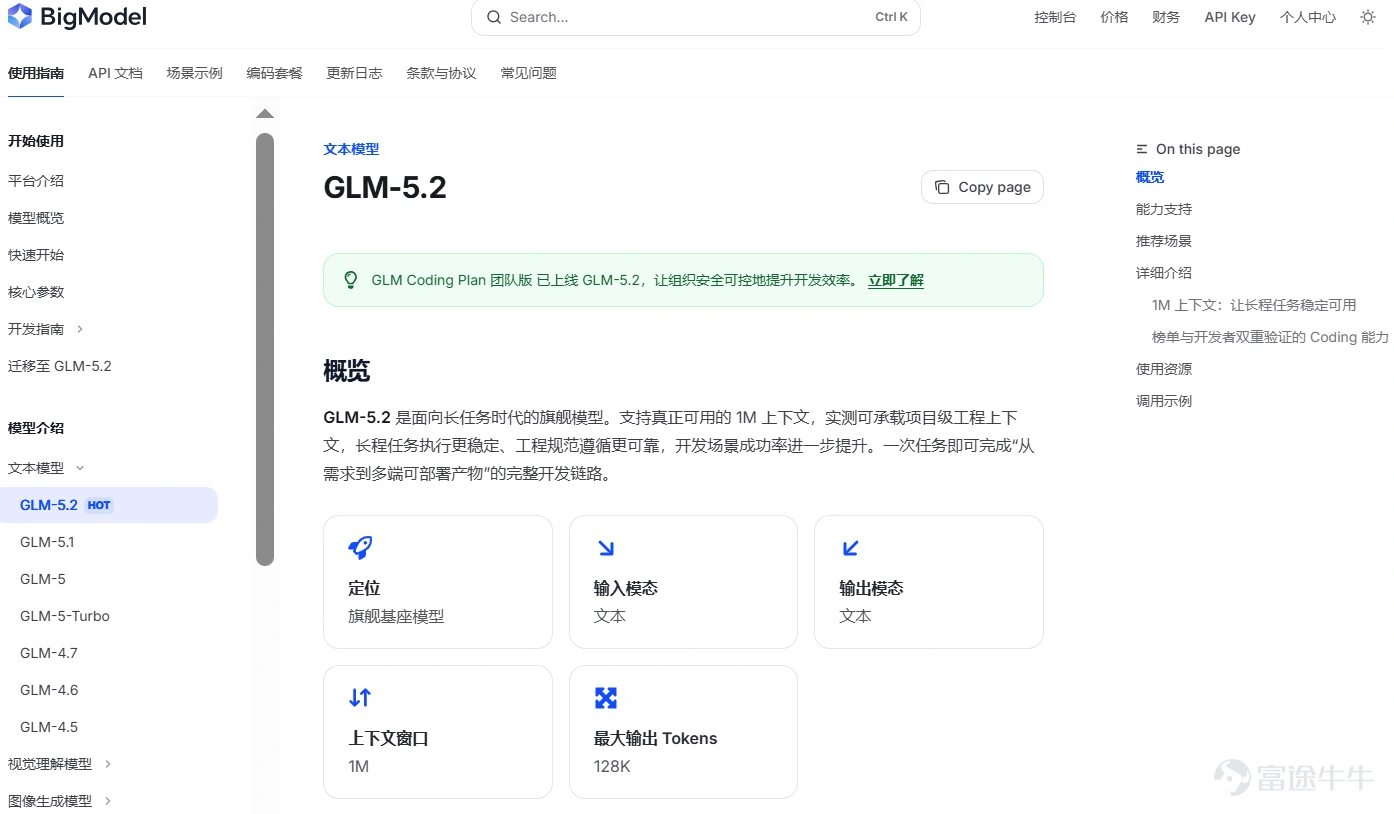
Originating from the Knowledge Engineering Lab at Tsinghua University’s Department of Computer Science, Zhipu AI was founded in 2019. In 2021, it launched GLM, China’s first proprietary pre-trained large model framework, completed training of its 10-billion-parameter model GLM-10B the same year, and introduced its Model-as-a-Service (MaaS) product development and commercialization platform. Since then, GLM has undergone continuous iterations, with GLM-4 released in January 2024, GLM-5 in February 2026, and GLM-5.2 in June 2026.
Recently, industry observers have frequently compared Zhipu AI with Anthropic, a leading U.S. AI company. Anthropic was co-founded in 2021 by Dario Amodei and Daniela Amodei, former core members of OpenAI. Its Claude series of large models, known for strong logical reasoning and code generation capabilities, has become the preferred choice for global enterprises deploying AI and engineers writing code. According to official data, Anthropic’s annualized revenue exceeded USD 47 billion (approximately RMB 319.6 billion) in May 2026. On May 28, 2026, Anthropic announced the completion of its Series H funding round, raising USD 65 billion and achieving a post-money valuation of USD 965 billion (approximately RMB 6.5 trillion), overtaking rival OpenAI to become the world’s most valuable AI startup.
Similar to Anthropic, Zhipu AI also excels in coding capabilities and follows a B2B business model. Initially positioning itself as ‘China’s OpenAI,’ Zhipu now publicly describes itself as ‘China’s Anthropic.’ During Zhipu’s earnings call for fiscal year 2025 on March 31, 2026, CEO Zhang Peng stated that both Anthropic and Zhipu are pursuing a commercial path centered on API-based offerings, with their upper limits of intelligence serving as competitive moats.
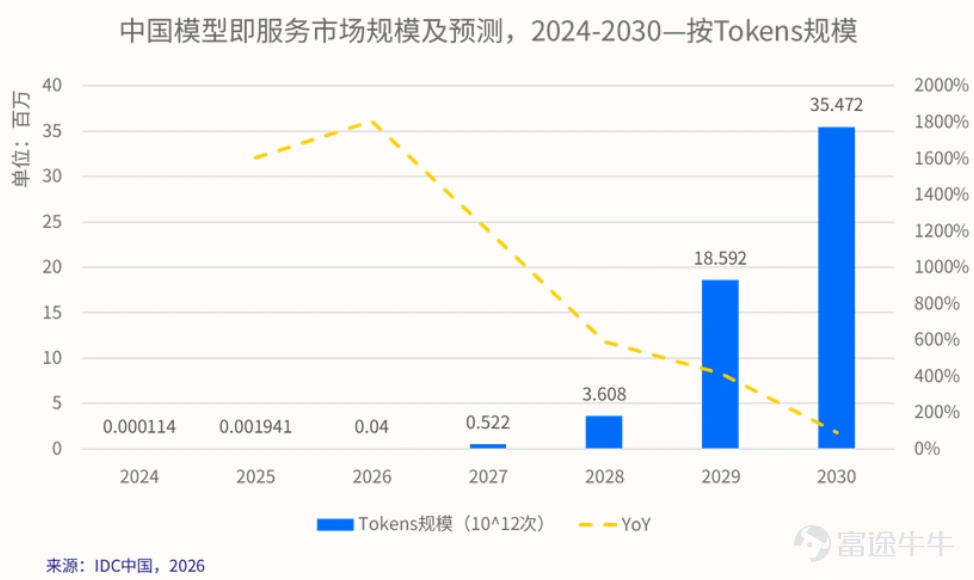
According to research firm IDC, global enterprise AI spending will reach USD 940 billion (approximately RMB 6.3 trillion) in 2026 and is projected to grow to USD 2.1 trillion (approximately RMB 14.2 trillion) by 2029, with China being one of the fastest-growing regions in the global AI market. Specifically in the MaaS segment, China’s token usage volume is expected to hit 40,000 quadrillion in 2026, generating revenue of RMB 18.6 billion, with a compound annual growth rate (CAGR) of 1,154.9% from 2024 to 2030.
Both APIs and MaaS represent commercial strategies Zhipu AI has long pursued, and their promising outlook underpins market optimism toward the company. However, when benchmarked against the already massive Anthropic, Zhipu inevitably faces scrutiny across dimensions such as technology, revenue, and future growth potential. At present, the gap between the two remains substantial.
01
Balancing open-source initiatives with a strong focus on the B2B market
Zhipu AI identified the B2B market as its primary battleground from the very beginning.
Zhipu’s products, built upon large models, offer on-premises deployment services to B2B and government (G2B) clients, and cloud-based deployment services to B2B and consumer (B2C) users. According to its prospectus, Zhipu’s revenue totaled RMB 57.4 million in 2022, RMB 124 million in 2023, and RMB 312 million in 2024. Of this, revenue from on-premises deployment amounted to RMB 54.81 million, RMB 112 million, and RMB 263 million respectively, accounting for 95.5%, 90.4%, and 84.5% of total revenue in those years.
Although neither the prospectus nor financial reports disclose specific figures for government clients, Zhang Peng has publicly stated that government clients account for less than 20% of Zhipu’s business, reaffirming its primary focus on the B2B market.
In its first financial report following its IPO—released on March 31, 2026—Zhipu further segmented its product lines into: Open Platform & API, Enterprise Agents, Enterprise-grade General Large Models, Technical Services, and Others. The report shows that in 2025, Zhipu generated RMB 724 million in revenue. Specifically, the Open Platform & API segment provided standardized cloud-based services to developers and small and medium-sized enterprises (SMEs), generating RMB 190 million, or 26.3% of total revenue; Enterprise Agents helped businesses build autonomous intelligent systems capable of independently interpreting instructions, decomposing tasks, and invoking external tools to complete operational workflows, contributing RMB 165 million, or 22.9%; Enterprise-grade General Large Models were primarily delivered via private on-premises deployments, bringing in RMB 365 million, or 50.4%; and Technical Services & Others offered specialized technical support to AI developers and enterprise clients, earning RMB 2.54 million, or 0.4%.
According to the same financial report, by deployment method, the Open Platform & API—i.e., cloud deployment—accounted for 26.3% of revenue, while Enterprise Agents, Enterprise-grade General Large Models, Technical Services & Others—i.e., on-premises deployment—collectively represented 73.7%.
Four consecutive years of revenue doubling reflect strong validation from B2B customers. The prospectus indicates that, as of September 30, 2025, Zhipu had over 12,000 institutional clients, including both B2B and government entities. While the full-year 2025 financial report did not update this client count, it noted that GLM-5 was officially integrated by leading tech giants—including ByteDance, Alibaba, and Tencent—within 24 hours of its launch, and that nine of China’s top ten internet companies have deeply integrated GLM into their systems.
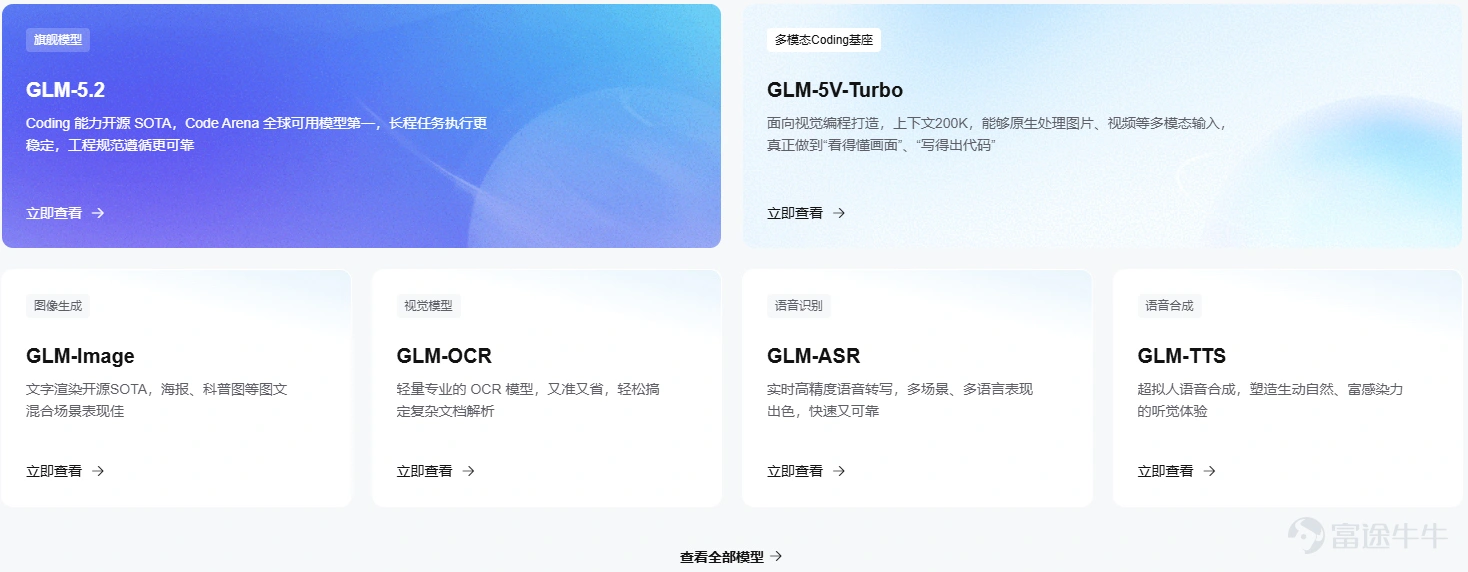
Betting on an open-source ecosystem has been another key driver behind Zhipu’s rapid growth.
Unlike closed-source players such as Anthropic, Zhipu embraced open-source early on. In August 2022—before ChatGPT, which later ignited the global AI wave, had even launched—Zhipu open-sourced GLM-130B, the world’s first open-source bilingual (Chinese-English) model with over 100 billion parameters. Later, Zhipu designated 2025 as its 'Year of Open Source,' fully releasing a series of flagship models including GLM-4.5 and GLM-4.5V.
Zhipu adopts the MIT (Massachusetts Institute of Technology) open-source license, which is highly permissive, allowing users unrestricted rights to use, copy, modify, and even commercialize or privately deploy the models. This open approach quickly attracted a global developer community. According to its financial report, by 2025, Zhipu’s products had reached 218 countries and regions worldwide, co-building its ecosystem with over 4 million SMEs and developers.
Once developers become accustomed to GLM's high performance and ease of use and deeply integrate it into their workflows, they naturally opt to pay for intelligent capabilities in production environments via Zhipu AI's MaaS platform through API calls. This is also why Zhipu's cloud deployment business grew from 4.5% of total revenue in 2022 to 26.3% by 2025. According to the company's financial report, after launching its AI coding-specific paid subscription service, the GLM Coding Plan, in 2025, Zhipu now has over 242,000 paying developers.
During the earnings call, Zhang Peng mentioned that in Q1 2026, Zhipu raised its API pricing by 83% compared to the end of 2025, yet demand remained robust, resulting in a supply shortage and a 400% year-over-year increase in API usage volume.
A research report released by China Merchants Securities on June 15, 2026, noted that Zhipu's foundational large model capabilities continue to improve, and its products hold strong competitive advantages in foundational large models, code generation, and agent-related domains. The report forecasts Zhipu’s 2026 revenue to reach RMB 3.54 billion, up 389% year-over-year; 2027 revenue to reach RMB 8.11 billion, up 129% year-over-year; and 2028 revenue to reach RMB 15.02 billion, up 85% year-over-year.
02
Cost-effectiveness has won considerable favor.
Zhipu's valuation logic is directly tied to its business model.
Overseas, where consumer (C-end) users are relatively more willing to pay for AI products, Anthropic’s valuation has already surpassed that of OpenAI, which primarily focuses on C-end services. OpenAI announced on March 31, 2026, that it had completed its latest funding round totaling USD 122 billion, valuing the company at USD 852 billion post-money.
Domestically, C-end users have yet to develop the habit of paying for AI product subscriptions. Leading models such as DeepSeek, Doubao, and Qwen all operate their standard versions under a free model. Even top-tier models must calculate ROI (return on investment). According to media reports from LatePost and others, as of the first half of 2026, Doubao—boasting over 200 million DAU (daily active users)—generated less than RMB 1 million in daily revenue, primarily from e-commerce commissions. However, as of May 2026, Doubao’s daily computing costs reached tens of millions of RMB.
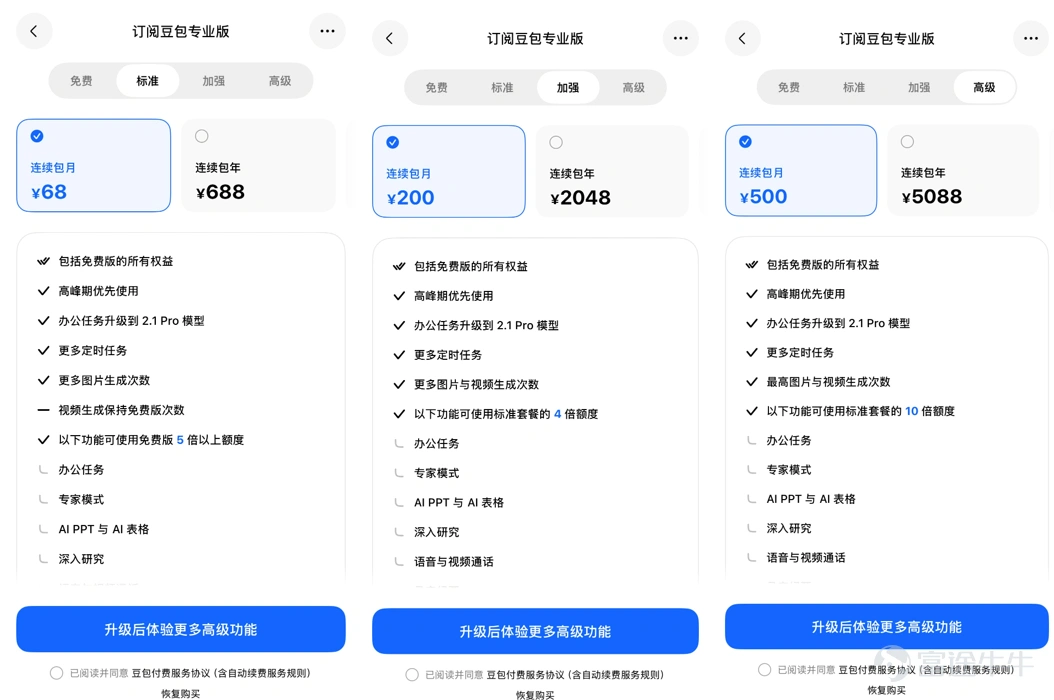
Doubao launched its paid subscription service on June 24, 2026, with a Standard plan priced at RMB 68 per month, an Enhanced plan at RMB 200 per month, and a Premium plan at RMB 500 per month. User payment-related data remains to be disclosed.
Serving B-end clients brings the company closer to revenue generation, as AI can be more directly converted into productivity—especially in coding, a core productivity tool. According to a global developer survey released by code analysis platform Sonar in January 2026, among developers who had tried AI coding tools in 2025, 72% used AI daily for coding, with 42% using it multiple times per day. Additionally, 42% of code submitted by developers was either generated or assisted by AI—a figure that stood at just 6% in 2023, rose to 19% in 2024, and is projected to reach 65% by 2027.
The core driver behind Zhipu’s revenue growth is precisely GLM’s coding capability. Since the launch of GLM-4 in January 2024, GLM’s code generation performance has significantly improved. On June 17, 2026, on Code Arena—the programming evaluation system of large model benchmarking platform Arena—the newly released GLM-5.2 ranked second globally, trailing only Anthropic’s Claude Fable 5, which was released in June 2026. Following GLM-5.2 were Claude Opus 4.8, Claude Opus 4.7, Alibaba’s Qwen-3.7 Max, Moonshot AI’s Kimi-K2.6, and MiniMax-M3.
Cost-performance ratio is a key factor enabling Zhipu to capture users' mindshare.
According to data from research firm Artificial Analysis, on July 9, 2026, under a hybrid pricing model allocating costs for caching, input, and output at a ratio of 7:2:1, the comprehensive cost per million tokens for GLM-5.2 (max) was USD 0.90 (approximately RMB 6.6), significantly lower than USD 7.70 (approximately RMB 56.6) for Claude Fable 5 (with fallback), USD 3.85 (approximately RMB 28.3) for GPT-5.5 (xhigh), and USD 1.74 (approximately RMB 12.8) for Gemini 3.1 Pro Preview, though higher than USD 0.70 (approximately RMB 5.1) for Kimi K2.6, USD 0.22 (approximately RMB 1.6) for MiniMax-M3, and USD 0.18 (approximately RMB 1.3) for DeepSeek V4 Pro (max).
A research report issued by Open Securities on May 29, 2026 also noted that in key benchmarks such as SWE-bench Verified, HLE, and BrowseComp, GLM-5’s reasoning and coding capabilities have approached those of international top-tier models like Claude and GPT-5, with a cost of only USD 3 per million tokens, demonstrating a significant cost-performance advantage.
According to Haike Finance, many developers have commented that GLM’s performance in code generation and long-context processing is close to Claude’s level, yet its price is only a fraction of Claude’s.
Moreover, due to geopolitical factors, Zhipu’s value as an alternative to Anthropic has become increasingly evident. Since 2026, Claude has implemented multiple rounds of account bans targeting Chinese users, forcing many who previously relied on Claude to switch to GLM.
Anthropic has long been unfriendly toward Chinese users. In May 2024, Claude-related models ceased service to mainland China. In September 2025, Anthropic announced it would stop providing Claude services to groups or their subsidiaries where the majority equity is held by Chinese capital.
More controversially, a technical professional previously revealed on the U.S.-based social media platform Reddit that Anthropic embedded detection code targeting Chinese users in the new Claude Code client launched in April 2026. This code automatically checks whether the device’s system time zone falls within China and whether the proxy URL belongs to a Chinese domain when users enable a proxy, enabling the platform to accurately identify and ban Chinese users. Anthropic engineers later responded that this detection mechanism was merely experimental, intended to prevent unauthorized resellers from abusing accounts and engaging in model distillation.
In response to these issues, on July 8, 2026, China’s Ministry of Industry and Information Technology (MIIT) issued a risk advisory, stating that Claude Code poses security risks and recommending comprehensive reviews by relevant organizations and users. Alibaba had already fully prohibited employees from using any Anthropic products in office environments prior to this announcement.
03
How far are we from AGI?
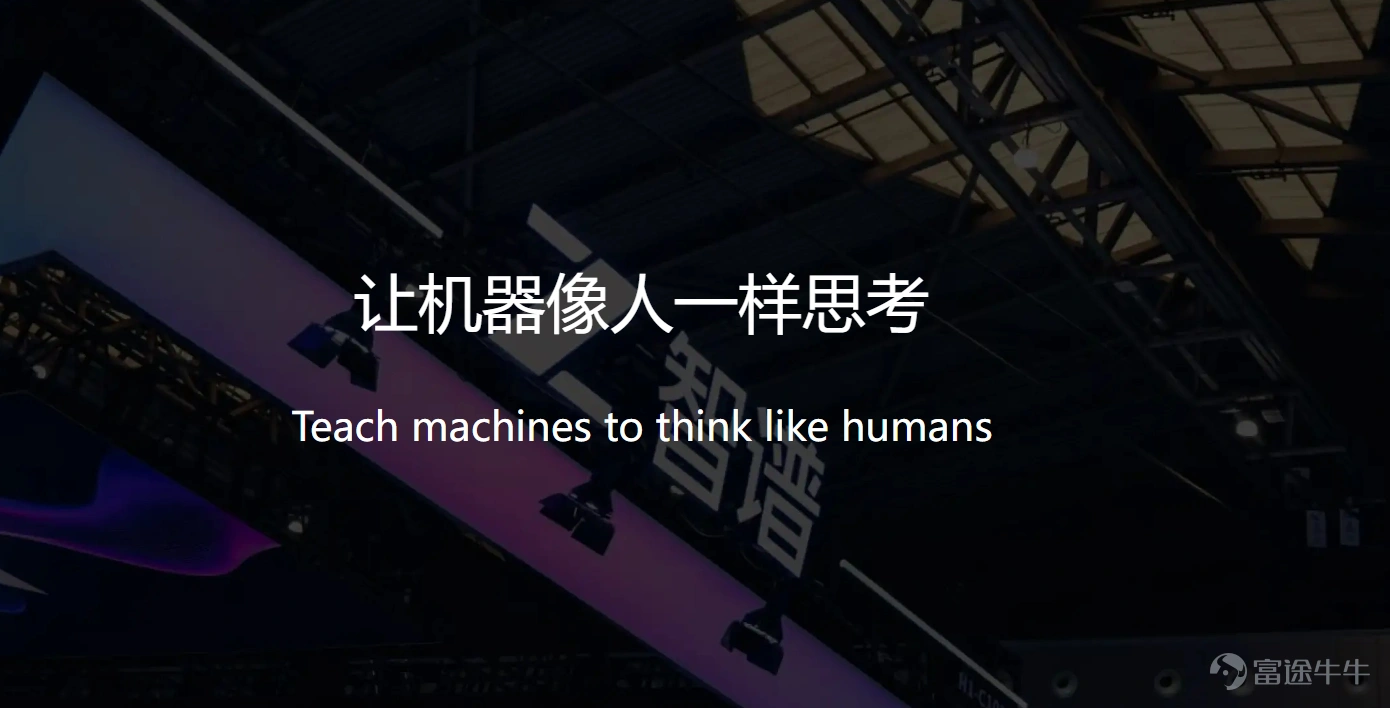
Compared to other large-model companies primarily focused on commercialization, Zhipu resembles more of a technologist. Zhipu sees itself as a native AI lab driven by a belief in AGI, with the slogan 'Enabling machines to think like humans.'
Artificial General Intelligence (AGI) refers to AI systems capable of understanding, learning, and performing any intellectual task like humans, possessing cross-domain generalization abilities that today’s narrow, domain-specific AI systems lack.
Zhipu AI divides AI development into five stages: The first stage is pre-training, where models learn world knowledge from massive datasets. The second stage involves alignment and reasoning—aligning pre-trained knowledge with user intent, text, images, and multimodal inputs—essentially activating all knowledge acquired during pre-training. The third stage is self-learning, where models no longer rely solely on data but discover new knowledge through machine-driven exploration. The fourth stage is self-awareness, where AI can explain its own actions and decisions, understanding why a particular result was reached. The fifth stage is conscious intelligence, where AI can integrate into or even form organizations independently, becoming human partners, colleagues, or even standalone organizational entities.
According to Zhipu’s framework, the first three stages represent the path large models have already traversed or are currently advancing along. Specifically, early AI belonged to stages one and two; current AI has entered stage three; only stages four and five truly approach the AGI vision.
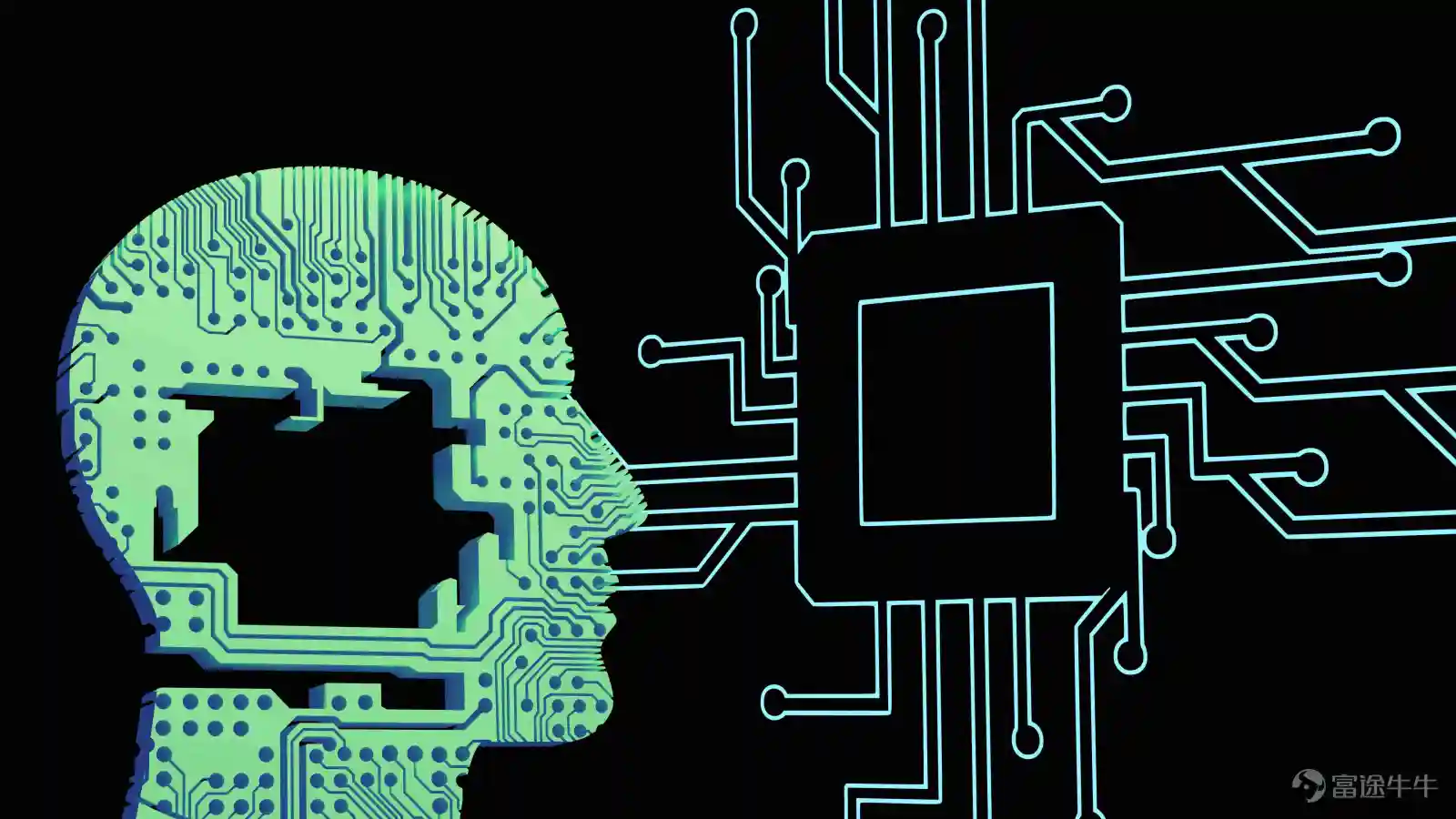
The vision is grand, but reality remains far behind. To bridge this gap, Zhipu continues to invest heavily in R&D. Financial statements show that from 2024 to 2025, Zhipu’s R&D expenses rose from RMB 2.195 billion to RMB 3.180 billion, while its net loss widened from RMB 2.958 billion to RMB 4.718 billion—primarily driven by escalating R&D investments.
Technological innovation, pursuit of new developmental stages, and enterprise-market adoption represent Zhipu’s genuine value—but at this stage, they hardly justify a trillion-yuan market valuation.
Two common valuation methods in finance are the price-to-sales ratio (P/S, market cap divided by revenue) and the price-to-earnings ratio (P/E, stock price divided by earnings per share). Unprofitable companies are often valued using P/S, yet Zhipu’s P/S ratio—running into the thousands—is difficult to characterize as rational compared to peers.
According to Haike Finance, Anthropic and OpenAI currently trade at P/S ratios between 20x and 30x; leading overseas tech firms like Microsoft and Google have P/S ratios around 10x; domestic internet leaders such as Tencent and NetEase have P/S ratios below 8x. Companies similar to Zhipu include AI firm MiniMax and chipmaker Moore Threads: MiniMax’s P/S ratio once exceeded 400x and has since declined to approximately 150x, while Moore Threads’ P/S ratio currently exceeds 200x.
An extremely high P/S ratio reflects market expectations for a company’s future potential—but whether those expectations materialize is another matter entirely. Compared with Anthropic, Zhipu’s GLM-5.2 still lags behind Claude Fable 5 in technical capability. In terms of market reach, Zhipu’s revenue remains heavily reliant on the domestic market, with a significant globalization gap relative to Anthropic; meanwhile, the domestic market itself is fiercely competitive, crowded with strong players.
The AGI narrative is compelling enough to make markets pay for future possibilities. For Zhipu, however, this is more than just a story—it’s an active pursuit already underway. Before its Hong Kong listing, Zhang Peng told Zhang Xiaojuan in an interview that the fundamental relationship between intelligence and computation remains imperfectly understood. Zhipu’s sole strategic bet moving forward is AGI—broken down in the near term into intelligent agents, scaling laws, and new paradigms in reinforcement learning. If he could leave one sentence in history books, he hopes it would read: 'Zhipu was a pioneer in the history of AGI.'
The market’s enthusiastic response clearly cannot last forever. Whether Zhipu can deliver on its vision of technological leaps and a closed-loop business model—and how long that might take—remains uncertain.
Risk Disclaimer: The above content only represents the author's view. It does not represent any position or investment advice of Futu. Futu makes no representation or warranty.Read more
Comments
to post a comment
1