
South Korea’s Top Two Memory Chip Players: Outlook Under Leverage Rules & Central Bank Tightening

Options Sir Breaks Down the Hot Topic | Did Storage Stocks Drop Solely Due to Reduced Rack Capacity? Has Demand for Storage Declined?
Yesterday, the memory sector collectively experienced a pullback. $Micron Technology (MU.US)$ down -7.74%, $SanDisk (SNDK.US)$ down -3.92%, $Western Digital (WDC.US)$ down -3.13%. The downward revision stems not only from... $Broadcom (AVGO.US)$ ...disappointing AI-related growth in earnings that fell short of expectations but also from a report by an analytical firm indicating that... $NVIDIA (NVDA.US)$ ...NVIDIA may reduce the SOCAMM memory configuration on the CPU side of its Rubin NVL72 platform, cutting total rack capacity from approximately 55TB to 28TB.In simpler terms: under the new architecture, the amount of memory allocated per compute rack may decrease.
Three key points of focus
1. Although SOCAMM configurations are nearly halved, their modular nature still holds value.
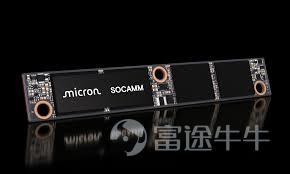
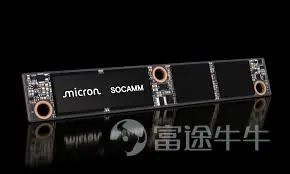
SOCAMM stands for Small Outline Compression Attached Memory Module. In simple terms, it is a modular LPDDR5X memory specification designed for AI server CPUs.Its product positioning is clearly distinct from that of HBM (High Bandwidth Memory).HBM is mounted next to the GPU and directly provides high-speed memory support for high-compute workloads such as large model training and inference; SOCAMM, on the other hand, is deployed on the CPU side and primarily handles system-wide scheduling, data movement, and memory resource pooling.
Previously, optimistic market estimates assumed a configuration standard of 36 Vera processors per rack, with each CPU paired with eight SOCAMM modules, each module offering 192GB of capacity—translating to approximately 55TB of total SOCAMM capacity per rack. Now, however, the market fears that the mainstream Rubin NVL72 servers, once deployed, will switch to 96GB modules, cutting the total SOCAMM capacity per rack on the CPU side to around 28TB.
However, this adjustment does not mean SOCAMM products are being phased out.SOCAMM uses a socket-based modular hardware architecture, allowing contract manufacturers and hyperscale cloud providers to still select higher-capacity configurations as needed. The market’s concern lies in whether the 192GB high-end modules will shift from being a standard offering to a premium custom option.
2. This reduction does not affect HBM4 specifications—the fundamental rationale for a multi-pronged memory strategy remains intact.
The bearish logic is clear: if 96GB becomes the mainstream standard configuration for SOCAMM, the wafer demand per Rubin server for SOCAMM storage will be significantly lower than previously expected by the market.Not only has the optimistic assumption of widespread adoption of 192GB modules been invalidated, but investors also need to revise downward their expectations for the total addressable market (TAM) of SOCAMM.
However, the keybullish factor lies in the fact that this specification adjustment does not affect HBM4 memory on the GPU side—HBM remains the core storage medium for the Rubin platform.Based on the NVL72’s standard configuration of 72 GPUs per rack and 288GB of HBM4 per GPU, the total HBM4 capacity per rack still reaches 20.7TB. This memory component is critical for hosting model weights, KV caches, and enhancing training and inference throughput performance.
Precisely because of this specification divergence,market sentiment has become increasingly polarized: Investors bullish on the memory sector continue to base their core thesis on robust HBM4 demand; those betting on high SOCAMM adoption must now reassess and lower their per-rack SOCAMM capacity assumptions. From NVIDIA’s perspective, reducing the standard SOCAMM capacity lowers both the per-rack hardware cost and the total cost of ownership (TCO) over the system’s lifecycle, which could actually facilitate large-scale production and deployment of Rubin systems.
III. Options data corroborates: AI memory stocks are experiencing extreme positioning crowding
The latest options market data shows that $Micron Technology (MU.US)$Heavy concentration of positions and extreme sensitivity to price fluctuations: the total open interest in single-stock options stands at approximately 3.77 million contracts, making it a key benchmark for market participants gauging the AI memory sector's sentiment.Meanwhile, the put/call ratio has rapidly climbed to 1.35, indicating that investor positioning is shifting from one-sided bullish bets toward more defensive strategies.
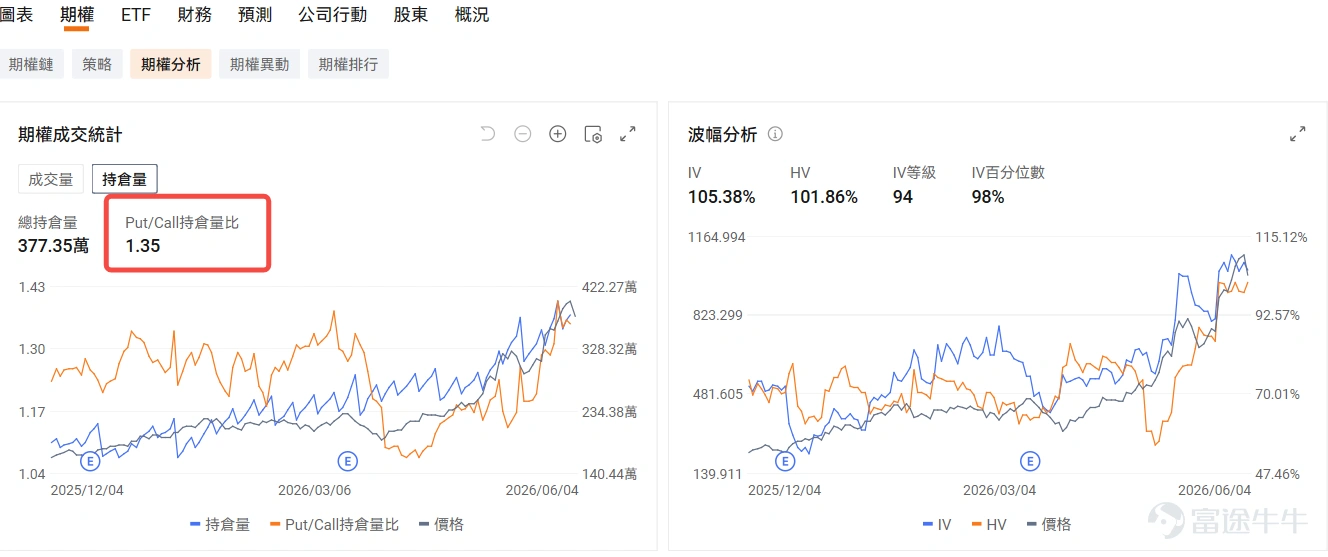
The stock’s volatility is in an extreme range: implied volatility is around 105.38%, historical volatility is at 101.86%, and the implied volatility percentile stands at 98%, showing that current option pricing is near its highest level over the past year.
1. If you believe that declining memory demand from SOCAMM will indeed negatively impact memory-related stocks,
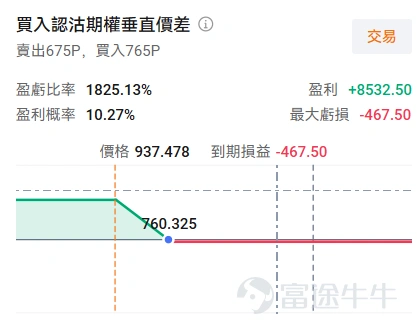
you could buy put options to bet on a price pullback. If you’re concerned that a slow decline might erode the option’s time value, you could sell another put at a lower strike price while holding your long put position, thereby creating abear put spread.Compared with buying a single-leg put option, selling the additional put partially offsets the time decay of the long position, resulting in a strategy with more moderate risk and reward characteristics.
(The design images shown on screen are for illustrative purposes only and do not constitute any investment advice or guarantee; market conditions change rapidly, and displayed prices may not reflect actual market values.)
If you hold the underlying stock and are unwilling to sell but want to hedge against short-term downside risk, you couldsell a call option above the current price against your existing stock position to create a covered call strategy.If the stock price never rises above the strike price, you can continuously collect premium income by selling calls. If the price does exceed the strike price and the call is exercised, you’ll be able to exit your position at the strike price, effectively locking in a profit.
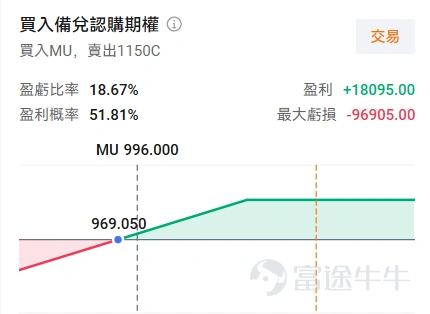
2. If you believe the underlying fundamentals for storage remain unchanged and you are still bullish in the long term,
you couldbuy a long-term equity anticipation security call option (LEAPS Call).Compared to short-term options, LEAPS Calls experience slower time-value decay, allow entry at a lower cost than buying the underlying stock outright, and can partially track the upside of the underlying stock.
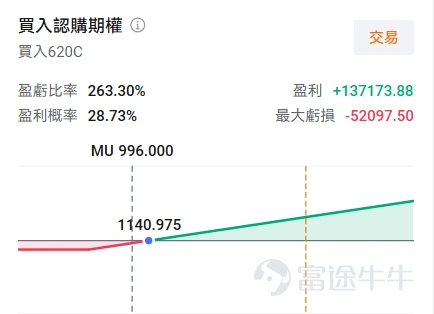
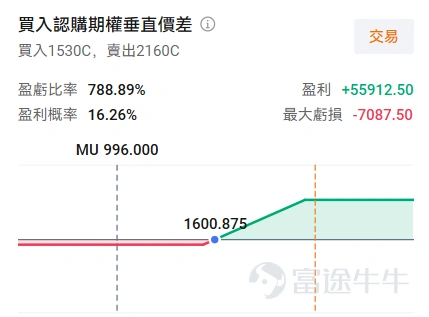
If you’re still concerned about time-value decay from holding a single-leg call option, consider using a spread strategy—specifically,buy a call option at a lower strike price while simultaneously selling a call option at a higher strike price, creating a bull call spread.If the underlying stock rises, this strategy captures gains from the stock’s appreciation within the strike price range of the spread.
Summary
This recent turmoil does not indicate that the Rubin project has been shelved, nor does it reduce the demand outlook for HBM4. The core change is that the maximum SOCAMM configuration for Rubin systems has been nearly halved, coinciding with a surge of speculative capital into the memory sector driven by AI-related hype.
Bearish logicThe overall market opportunity for SOCAMM, the penetration rate of 192GB modules, and the projected pricing of memory chips in 2027 all need downward revisions;
Bullish logicDemand for HBM4 remains unchanged. The modular design of SOCAMM preserves customers’ ability to customize high-end configurations, and declining hardware costs could accelerate Rubin’s transition from premium prototypes to large-scale commercial deployment.
Finally, Options Sir has a small giveaway for fellow investors—feel free to claim it!Beginner's Options Package
*This promotion is exclusively available to invited Hong Kong users. Click to learn more.Detailed terms and conditions of the promotion >>
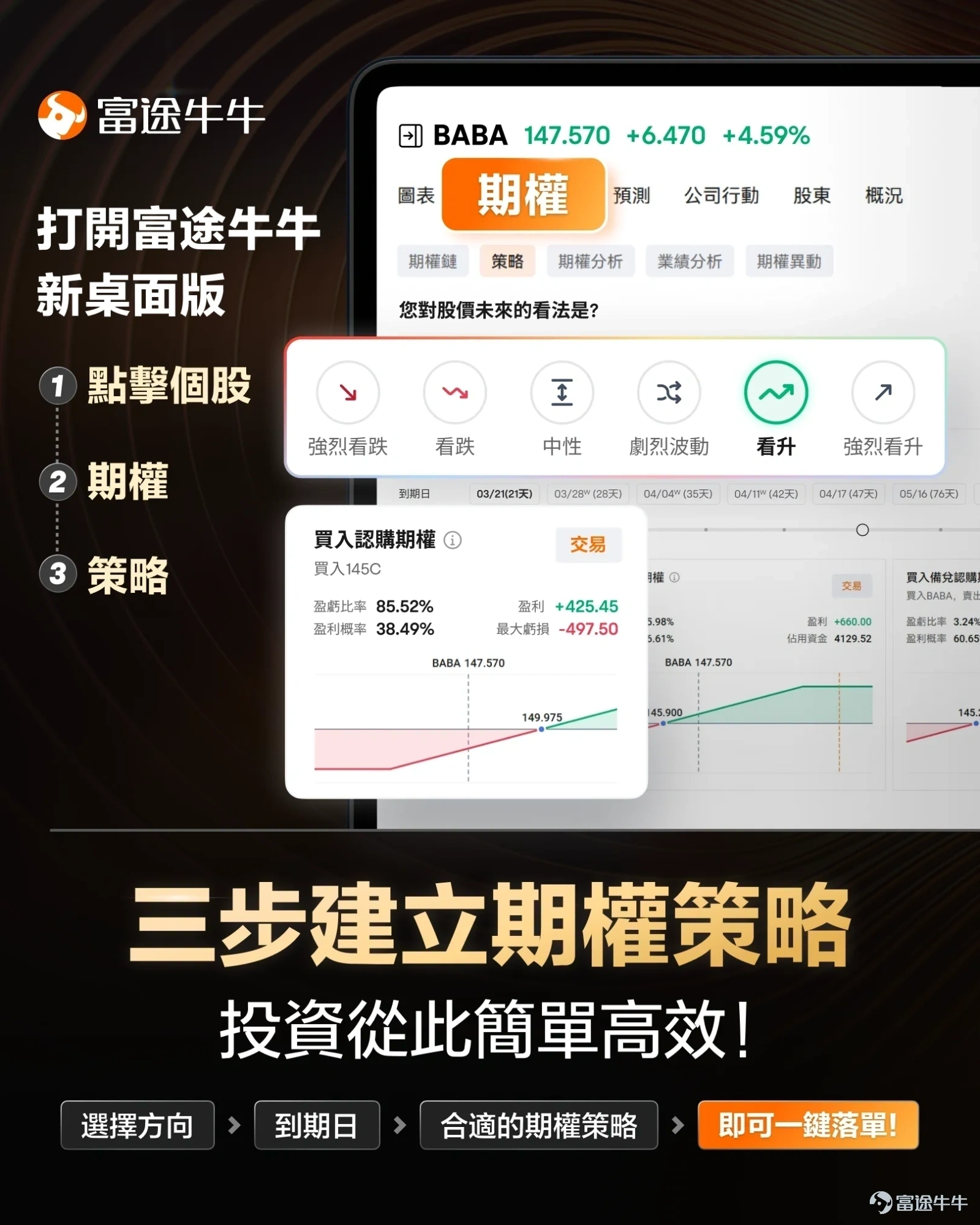
Market conditions are complex and volatile,Options strategyWith so many choices, don't know how to pick? Futubull helps you build in three steps,Options strategymaking investing simple and efficient from now on!
Options Risk Disclosure:An option is a contract that grants the holder the right—but not the obligation—to buy or sell an underlying asset at a predetermined price on or before a specified date. Option prices are influenced by multiple factors, including the current price of the underlying asset, the strike price, time to expiration, and implied volatility. Implied volatility reflects the market’s expectation of future price fluctuations over the life of the option; it is derived by reverse-engineering the Black-Scholes pricing model and is commonly viewed as an indicator of market sentiment. When investors anticipate higher volatility, they may be willing to pay more for options to hedge their risk, resulting in higher implied volatility. Traders and investors use implied volatility to assess the attractiveness of option prices, identify potential mispricings, and manage their risk exposure.
Disclaimer:This content does not constitute an offer, solicitation, recommendation, opinion, or any form of guarantee regarding any securities, financial products, or instruments. The risk of loss in trading options can be substantial. In certain circumstances, your losses may exceed the initial margin deposit. Even if you place contingent orders such as 'stop-loss' or 'limit' orders, there is no assurance that losses will be avoided, as market conditions may prevent execution of these orders. You may be required to deposit additional margin on short notice. If you fail to meet such margin calls within the stipulated time, your open positions may be liquidated. You remain fully liable for any resulting deficit in your account. Therefore, prior to trading options, you should thoroughly research and understand how options work and carefully consider whether such trading aligns with your financial situation and investment objectives. If you trade options, you should become familiar with the procedures for exercising options and handling expiration, as well as your rights and obligations upon exercise or expiration. Options trading involves significant risk and is not suitable for all investors. Investors should carefully read"Characteristics and Risks of Standardized Options"。
Risk Disclaimer: The above content only represents the author's view. It does not represent any position or investment advice of Futu. Futu makes no representation or warranty.Read more


Comments (2)
to post a comment
16
31