Powerhouse Collaboration | Gushentang Partners with Leading Institutions to Pioneer New B2B TCM Service Model
Recently, Guangzhou Gushutong Health Technology Co., Ltd. (referred to as 'Gushutong'), a professional subsidiary under Gushentang Group specializing in corporate TCM services,has made breakthrough progress in the two major areas of workplace health management and insurance customer engagement.
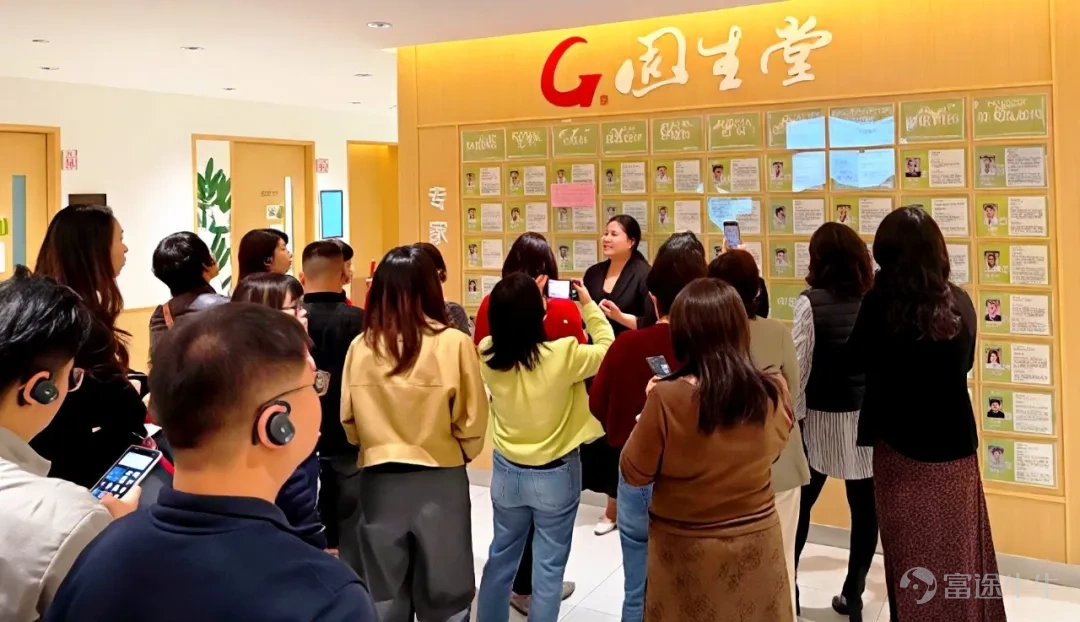
Since 2026, Gushentang has partnered with global HR giants such as Mercer and Ping An Group to deeply integrate the wisdom of TCM’s 'preventive care' into employee benefits and insurance service scenarios, becominga core practice of the group’s strategy to extend from serving the general public (C-end) to enterprise-level services (B-end), aiming to build a 'platform-based technological TCM group.'。
Group Strategy Support: Transitioning from Single-Service Model to Platform-Oriented Delivery
As a leading chain in TCM healthcare, Gushentang currently operates over a hundred offline clinics globally, connecting more than 40,000 qualified practicing TCM doctors. Its online and offline service network covers hundreds of cities, serving over ten million people cumulatively.
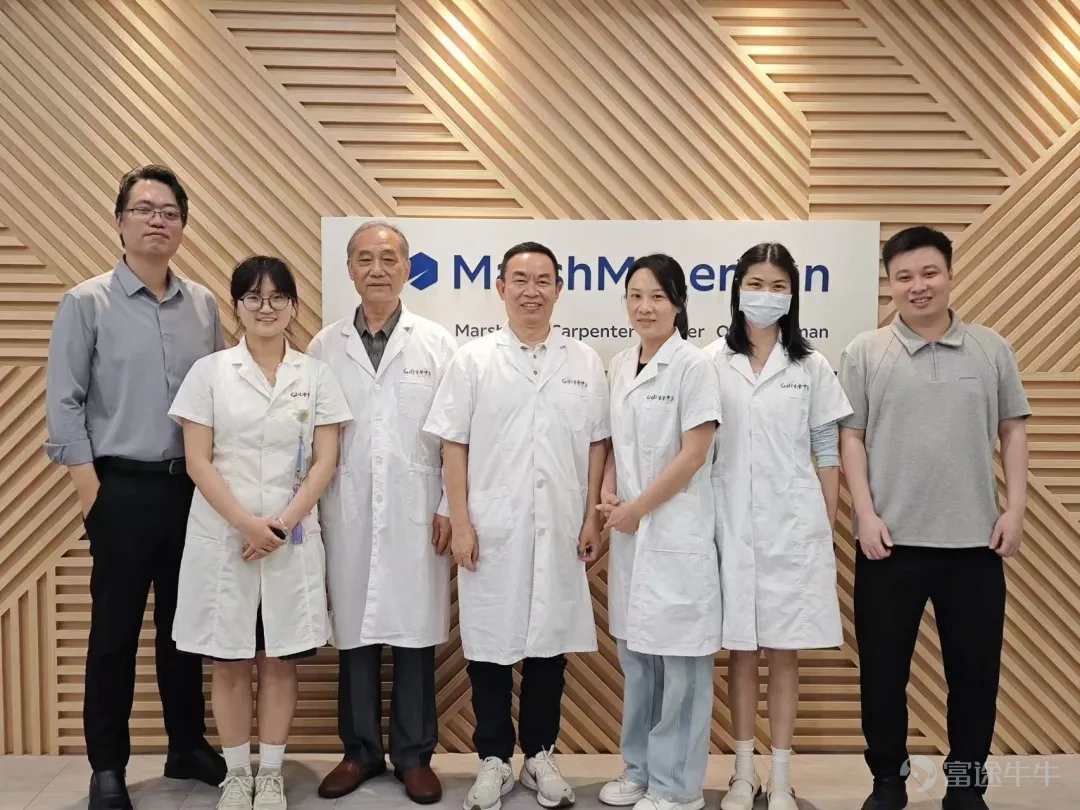
Leveraging the group’s robust standardized operational system, digital capabilities, and network of renowned doctors, Gushentang has overcome the limitations of traditional TCM services, which were confined to standalone stores, scattered locations, and individual customers only.Equipped with the ability to provide modular and replicable health solutions for business clients. This series of breakthroughs by Solid Data in workplace and insurance sectors represents a concentrated validation of the group's strategic transformation in specific scenarios.
Workplace Engagement: Four-city collaboration to create an immersive Traditional Chinese Medicine (TCM) experience benchmark
According to Mercer's latest report, the medical inflation rate in Asia will reach 13% by 2025. High medical costs are forcing companies to reassess the value of health benefits. Despite over 80% of firms offering physical examination benefits, coverage for programs with 'preventive value,' such as chronic disease management, weight intervention, and TCM conditioning, remains below 50%.
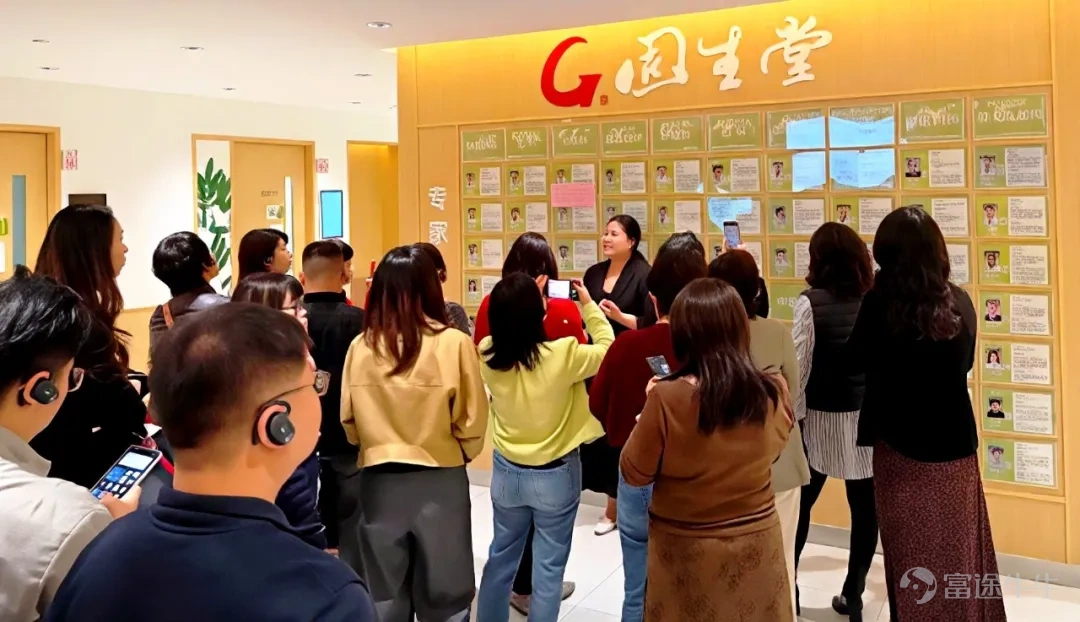
To address this issue, Solid Data collaborated with Mercer to launch the 'Workplace Health Booster Station' across four cities: Beijing, Shanghai, Guangzhou, and Shenzhen. The event deeply integrated the resources of senior physicians from offline medical institutions within the Gusentang Group and standardized service protocols (SOP), deploying professional teams comprising 'TCM practitioners, nurses, and medical assistants.' Through lightweight processes such as health lectures, one-on-one consultations, DIY sachet making, and herbal tea tasting, the initiative seamlessly integrated professional TCM services into the workplace.
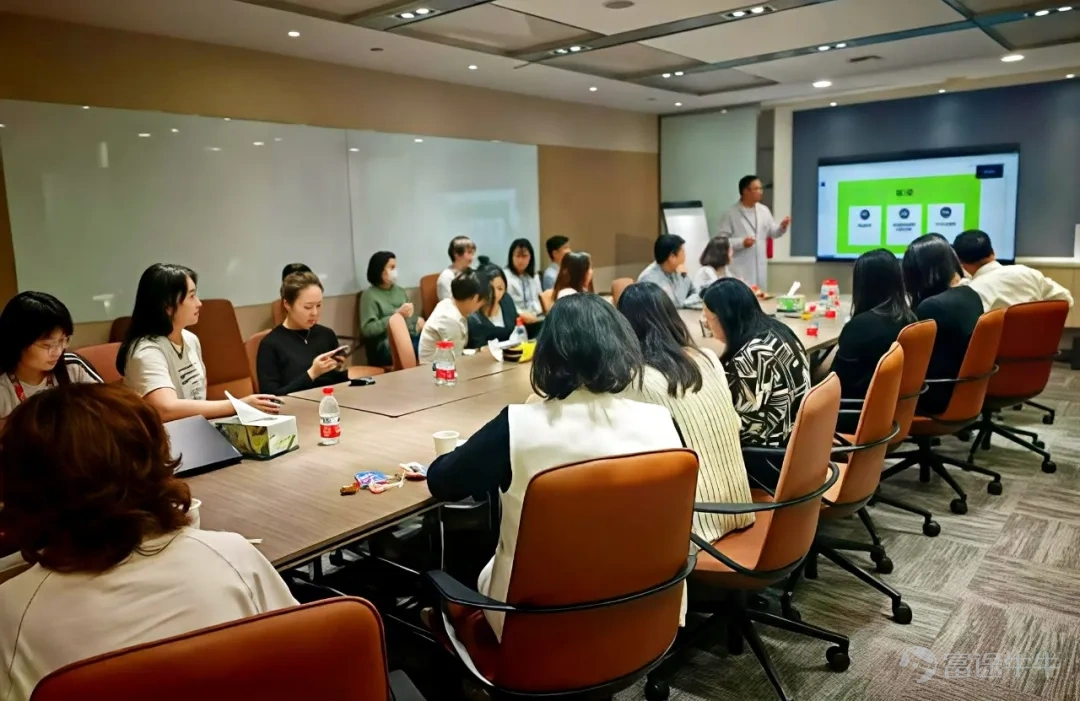
The response exceeded expectations: nearly 70% of employees at the Guangzhou station actively booked consultations; at Shenzhen, fragmented work intervals were utilized for efficient service delivery; in Shanghai, professionalism directly facilitated long-term cooperation intentions; and in Beijing, additional sessions had to be scheduled due to overwhelming demand. This not only validates Solid Data’s capacity to deliver services to Fortune 500 companies but also demonstrates that TCM’sconcept of 'preventing disease before it occurs' is highly adaptable and robust in workplace settings.。
Closed-loop Implementation: Partnering with Ping An Qi Kang to build comprehensive lifecycle management
While strengthening single-experience services, Solid Data’s collaboration with Ping An Qi Kang deepened further, upgrading the service to 'full-lifecycle health management.' Both parties relied onGusentang’s nationwide network of offline clinics and cross-regional coordination capabilities., creating a full-process closed loop of 'enterprise对接—door-to-door service—health guidance—in-store conditioning,' which extends the group's 'online + offline' OMO model into enterprise service scenarios.
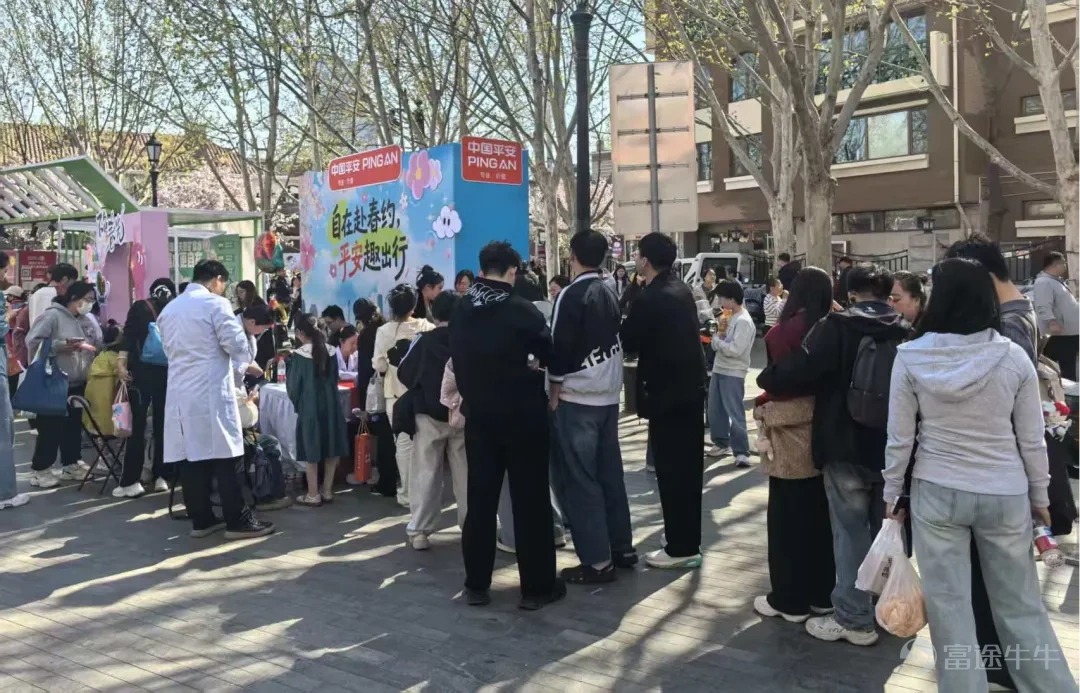
This model has been perfectly validated in the Tianjin China Automotive Research Institute (CATARC) project. Facing this large state-owned enterprise with thousands of employees, Gu Shu Tong, under the strong support of the group’s medical operations center, collaborated with Gu Sheng Tang’s Tianjin branch and Beijing Yawan Village branch to adopt a prudent strategy of 'subsidiary pilot—headquarters promotion,' serving more than 500 employees cumulatively.
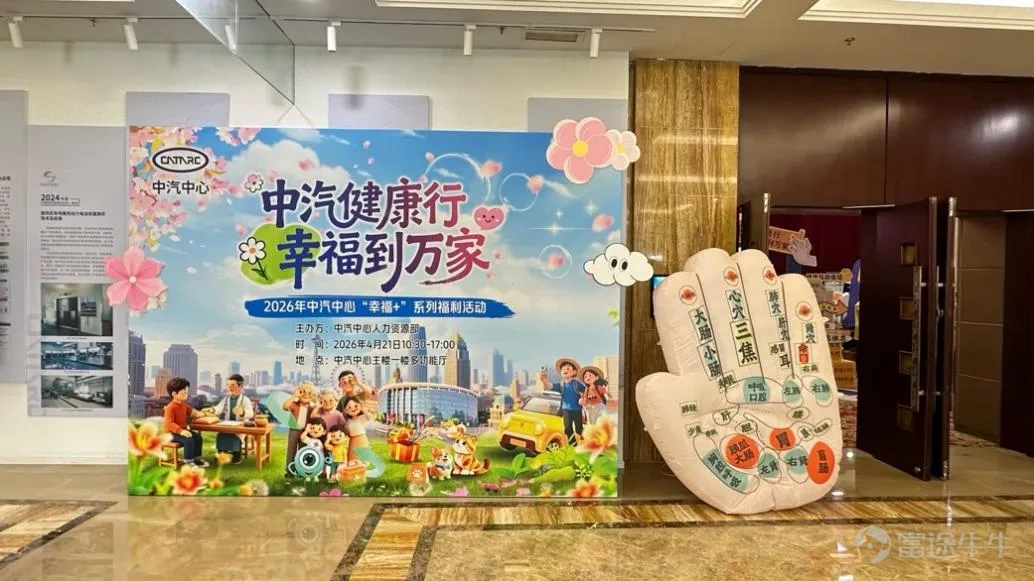
The project not only addressed employees’ health concerns but also,through the mechanism of 'front-end enterprise services for customer acquisition and back-end in-store deep conditioning,'leveraged the group's unified membership management system to channel high-trust, high-intent stable customer flow to offline stores, achieving a win-win situation for employees, enterprises, and stores. Currently, this model has rapidly expanded across multiple regions including North China, South China, and East China, covering core sectors such as Ping An Property Insurance and Ping An Life Insurance.
Model Innovation: Launching the 'City Reception Room' to solve pain points in insurance operations
Since March 2026, Gu Shu Tong has once again relied on the group's offline medical resources and brand trust endorsement to launch the 'City Reception Room' model, directly addressing chronic industry issues such as difficulty in client invitations, slow trust-building, and low conversion efficiency within the insurance sector. This model uses Gu Sheng Tang’s medical facilities as fixed bases, deeply integrating traditional Chinese medicine health services with insurance client management.creating a complete closed loop of 'health引流—trust establishment—needs exploration—conversion and revisit'。
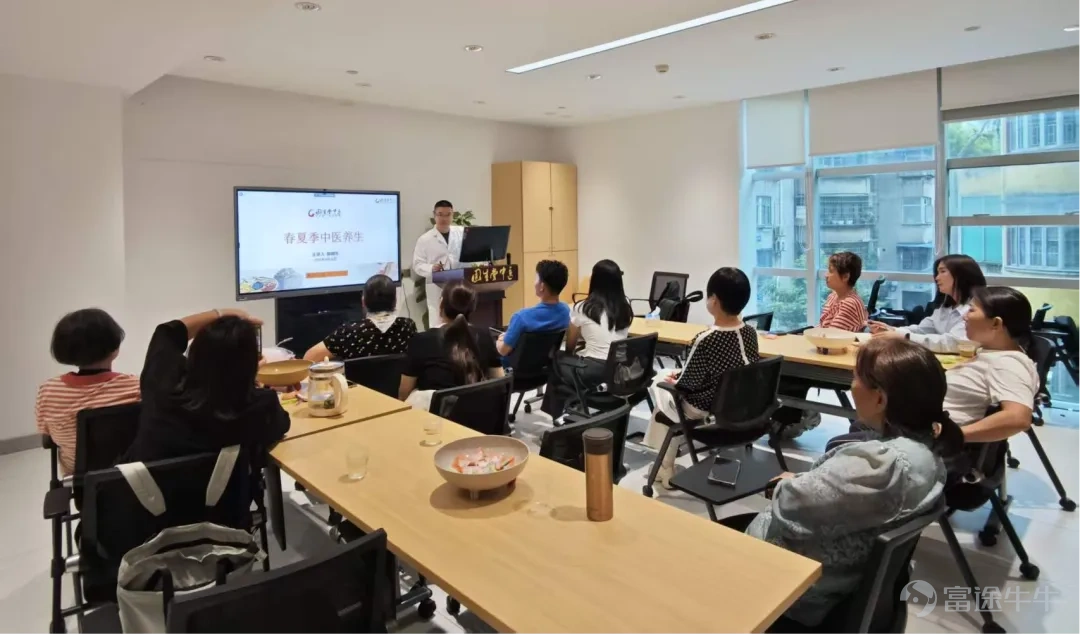
In the 'National Medicine Hall Exclusive Experience' project by Ping An Good Doctor Guangdong Branch, Gu Shu Tong serves high-end clients weekly, transforming the medicine hall into a core scenario for insurance client management. In cooperation with Pacific Life Guangzhou Branch's 'Spring Liver Detoxification Health Special,' on-site clients expressed willingness to visit the store for deeper conditioning later. This model not only provides insurance companies with differentiated marketing IPs and recruitment tools but also allows customers to enjoy professional health services in an environment free from sales pressure, effectively boosting outpatient volume and repurchase rates at regional stores through B-end traffic.
Strategic Outlook: Building a new ecosystem for workplace health
From Mercer's workplace health interventions to Ping An Qikang's full lifecycle management, and onto insurance organizations' 'City Living Rooms,' Gushentang Group is leveraging its enterprise-level service strategy pivot, Gushtong, to break the traditional time and space limitations of Chinese medicine services.The service scenarios are being extended from treating illnesses to disease prevention, and from personal medical care to corporate health management.。
In the future, Gushentang will continue to leveragethe group-level advantages of its nationwide chain of medical centers, renowned physician resources, and digital operations (including AI health assistants, virtual representations of Traditional Chinese Medicine practitioners, etc.).Continuously iterating on standardized B-end service systems, professional, convenient, and empathetic Chinese medicine health services will become standard in workplaces and a norm in insurance services. This effort aims to help companies build warm employer brands, achieve mutual empowerment between enterprises and employees, and also provide a reference for modernizing and commercializing innovations in Traditional Chinese Medicine.
Risk Disclaimer: The above content only represents the author's view. It does not represent any position or investment advice of Futu. Futu makes no representation or warranty.Read more
Comments
to post a comment