
English
Back
Open Account
ME News
wrote a column · Apr 14 22:31

Microsoft wants to pre-install Lobster on all Windows computers

Author, Source: ifanr
Amidst the rapid advancements in AI, the 'desktop environment' seems somewhat quiet.
Ultimately, for LLM-based AI applications, all you need is a dialog box to complete interactions, whether it's in an app, browser, or desktop environment—it makes no difference.
The emergence of OpenClaw has somewhat changed this—the combination of locally deployed software and hardware has thrust the 'computer' back into the center of the AI whirlpool.
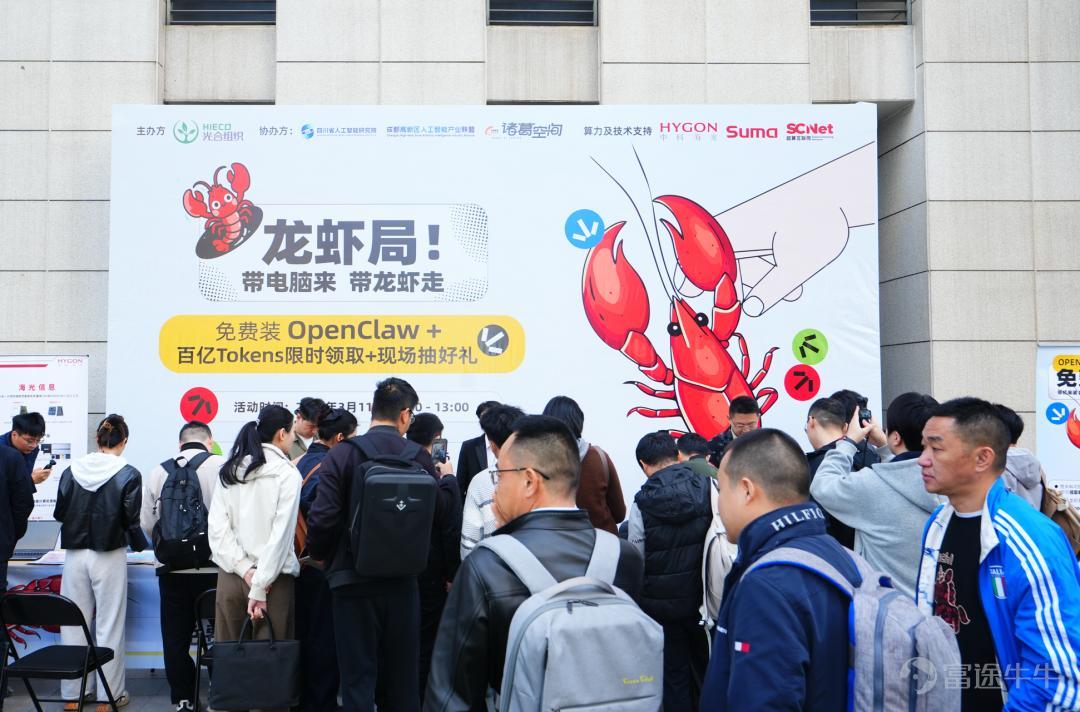
Microsoft is driving Copilot's upgrade towards Agentic AI by integrating OpenClaw-like capabilities to create a localized digital avatar called MS-Claw, which will have the ability to autonomously operate Windows and Microsoft 365 applications 24/7. This solution focuses on balancing enterprise-level security and efficiency using an end-to-cloud hybrid architecture, processing sensitive data locally while handling complex reasoning in the cloud, significantly reducing token consumption. OEMs such as Lenovo and Honor are also pre-installing customized Claw tools, transforming AI PCs from conversational terminals into out-of-the-box productivity agent dispatch centers. This move marks that the competition in AI PCs has shifted from hardware specifications to preset AI workflow definition capabilities. Author, Source: ifanr At a time when AI is booming, the 'desktop' seems somewhat quiet. Ultimately, for LLM-based AI applications, you only need a dialog box to complete interactions, whether it's in an app, browser, or desktop environment—it makes no difference. The emergence of OpenClaw has somewhat changed this—this combination of locally-deployed software and hardware has thrust the 'computer' back into the center of the AI vortex.  Image | Cover News However, OpenClaw has long had a fundamental flaw:It is built on a Unix-like environment and is inherently biased towards Lin...
Photo | Cover News
However, OpenClaw has long had a fundamental flaw:It is built based on Unix-like environments, making it naturally more friendly to Linux and macOS, but very troublesome to install on Windows.
Faced with the contradiction between user demands and system environments, Microsoft, known for its adaptability, keenly identified the hidden demand within this and proposed a bold solution:
We need to add OpenClaw-like capabilities to Copilot as well.
Although we once joked about Microsoft's abuse of Copilot, which turned it into 'Microslop,' up to now, Copilot remains one of the primary AI solutions built into Windows.
Related Reading:Microsoft Copilot, like a street loafer who posts small ads everywhere
After widespread opposition to Copilot, Microsoft seems finally ready to do some meaningful work.
According to the latest industry news, Omar Shahine, one of Microsoft's Corporate Vice Presidents (CVP), has been tasked with forming a new 'elite team'to explore the potential of OpenClaw in corporate environments and the possibility of integrating 'OpenClaw-like capabilities' into Copilot.
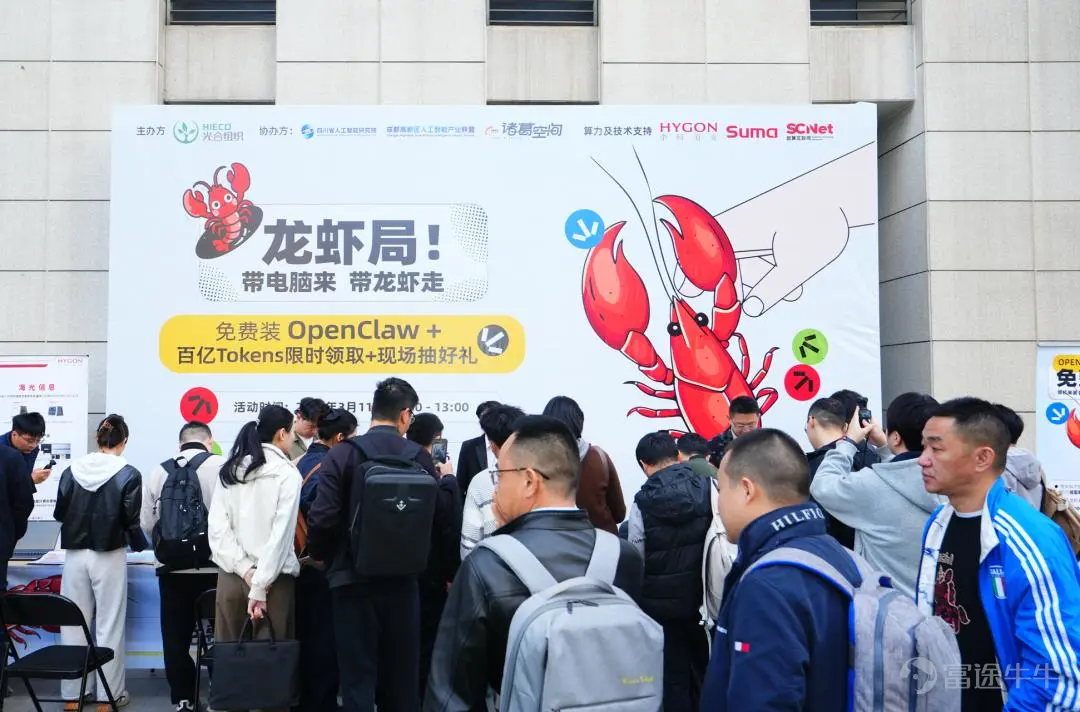
Microsoft is driving Copilot's upgrade towards Agentic AI by integrating OpenClaw-like capabilities to create a localized digital avatar called MS-Claw, which will have the ability to autonomously operate Windows and Microsoft 365 applications 24/7. This solution focuses on balancing enterprise-level security and efficiency using an end-to-cloud hybrid architecture, processing sensitive data locally while handling complex reasoning in the cloud, significantly reducing token consumption. OEMs such as Lenovo and Honor are also pre-installing customized Claw tools, transforming AI PCs from conversational terminals into out-of-the-box productivity agent dispatch centers. This move marks that the competition in AI PCs has shifted from hardware specifications to preset AI workflow definition capabilities. Author, Source: ifanr At a time when AI is booming, the 'desktop' seems somewhat quiet. Ultimately, for LLM-based AI applications, you only need a dialog box to complete interactions, whether it's in an app, browser, or desktop environment—it makes no difference. The emergence of OpenClaw has somewhat changed this—this combination of locally-deployed software and hardware has thrust the 'computer' back into the center of the AI vortex.  Image | Cover News However, OpenClaw has long had a fundamental flaw:It is built on a Unix-like environment and is inherently biased towards Lin...
Omar Shaheen (center) | LinkedIn
For a long time, feedback on Copilot from Microsoft services, especially Windows users, has shown a strange polarization.
For Microsoft itself, it proudly stated in its earnings report that Copilot has nearly 15 million paying users (approximately 3% of Office 365 users) and still holds 'significant room for growth.'
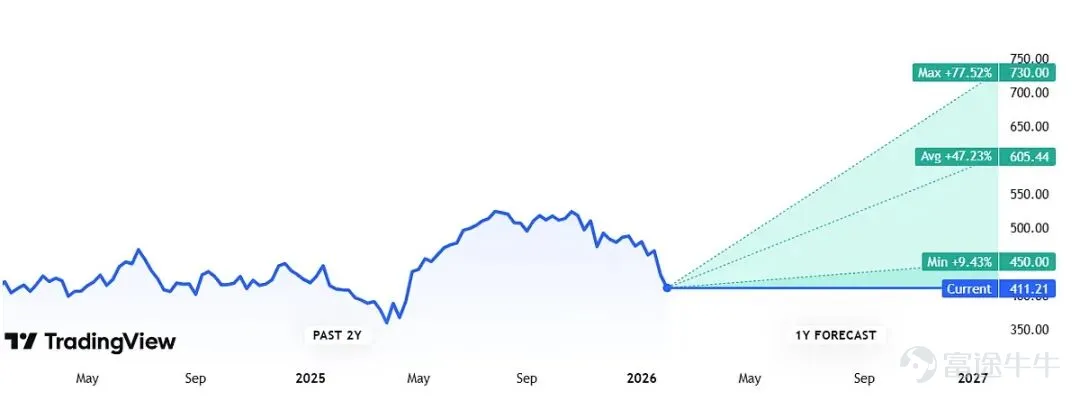
Microsoft's stock price performed poorly over the past 26 years, even ranking at the bottom among large-cap tech stocks, with a decline once reaching 24%.——
Microsoft is driving Copilot's upgrade towards Agentic AI by integrating OpenClaw-like capabilities to create a localized digital avatar called MS-Claw, which will have the ability to autonomously operate Windows and Microsoft 365 applications 24/7. This solution focuses on balancing enterprise-level security and efficiency using an end-to-cloud hybrid architecture, processing sensitive data locally while handling complex reasoning in the cloud, significantly reducing token consumption. OEMs such as Lenovo and Honor are also pre-installing customized Claw tools, transforming AI PCs from conversational terminals into out-of-the-box productivity agent dispatch centers. This move marks that the competition in AI PCs has shifted from hardware specifications to preset AI workflow definition capabilities. Author, Source: ifanr At a time when AI is booming, the 'desktop' seems somewhat quiet. Ultimately, for LLM-based AI applications, you only need a dialog box to complete interactions, whether it's in an app, browser, or desktop environment—it makes no difference. The emergence of OpenClaw has somewhat changed this—this combination of locally-deployed software and hardware has thrust the 'computer' back into the center of the AI vortex.  Image | Cover News However, OpenClaw has long had a fundamental flaw:It is built on a Unix-like environment and is inherently biased towards Lin...
Image | Analytics Insight
The logic of investors and the stock market is straightforward:
If Copilot continues to function merely as a 'dialogue box' where users must constantly feed it prompts and it spits out four pages of nonsense after summarizing two pages of text, it will never generate productivity premiums in any real sense.
Especially when the neighboring Claude can already 'connect' to PowerPoint and Excel to handle complex content on behalf of users, Microsoft must present something more hardcore to prove itself.
This is the effect Microsoft hopes to achieve through 'Copilot-flavored OpenClaw,' which we could nickname 'MS-Claw.'
Microsoft is driving Copilot's upgrade towards Agentic AI by integrating OpenClaw-like capabilities to create a localized digital avatar called MS-Claw, which will have the ability to autonomously operate Windows and Microsoft 365 applications 24/7. This solution focuses on balancing enterprise-level security and efficiency using an end-to-cloud hybrid architecture, processing sensitive data locally while handling complex reasoning in the cloud, significantly reducing token consumption. OEMs such as Lenovo and Honor are also pre-installing customized Claw tools, transforming AI PCs from conversational terminals into out-of-the-box productivity agent dispatch centers. This move marks that the competition in AI PCs has shifted from hardware specifications to preset AI workflow definition capabilities. Author, Source: ifanr At a time when AI is booming, the 'desktop' seems somewhat quiet. Ultimately, for LLM-based AI applications, you only need a dialog box to complete interactions, whether it's in an app, browser, or desktop environment—it makes no difference. The emergence of OpenClaw has somewhat changed this—this combination of locally-deployed software and hardware has thrust the 'computer' back into the center of the AI vortex.  Image | Cover News However, OpenClaw has long had a fundamental flaw:It is built on a Unix-like environment and is inherently biased towards Lin...
Image | TechCrunch
After all, the pure LLM-based Copilot is simply too ineffective. Despite having high-level permissions, it can hardly perform any agent-like operational tasks.
If the current Copilot is like an obedient stenographer who follows orders, then the MS-Claw under development is akin to an 'always-on digital avatar,' aimed at enabling Copilot to achieve24/7 self-operating computerThe effect.
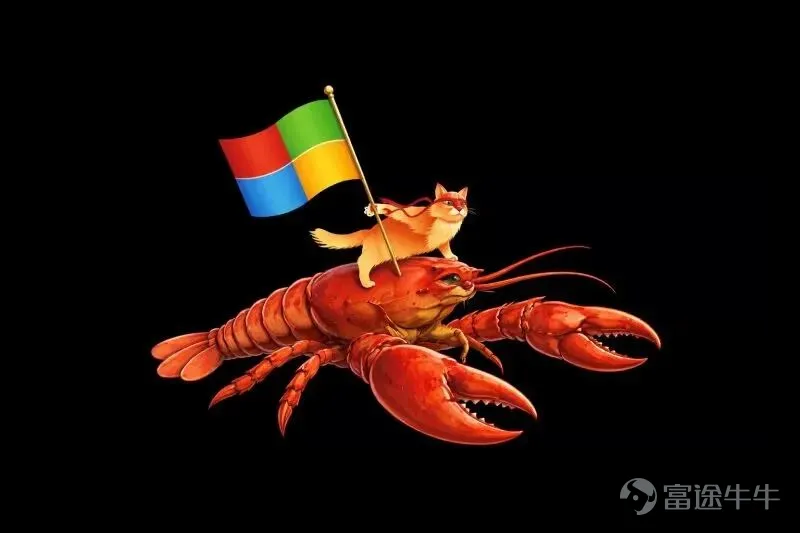
Microsoft is driving Copilot's upgrade towards Agentic AI by integrating OpenClaw-like capabilities to create a localized digital avatar called MS-Claw, which will have the ability to autonomously operate Windows and Microsoft 365 applications 24/7. This solution focuses on balancing enterprise-level security and efficiency using an end-to-cloud hybrid architecture, processing sensitive data locally while handling complex reasoning in the cloud, significantly reducing token consumption. OEMs such as Lenovo and Honor are also pre-installing customized Claw tools, transforming AI PCs from conversational terminals into out-of-the-box productivity agent dispatch centers. This move marks that the competition in AI PCs has shifted from hardware specifications to preset AI workflow definition capabilities. Author, Source: ifanr At a time when AI is booming, the 'desktop' seems somewhat quiet. Ultimately, for LLM-based AI applications, you only need a dialog box to complete interactions, whether it's in an app, browser, or desktop environment—it makes no difference. The emergence of OpenClaw has somewhat changed this—this combination of locally-deployed software and hardware has thrust the 'computer' back into the center of the AI vortex.  Image | Cover News However, OpenClaw has long had a fundamental flaw:It is built on a Unix-like environment and is inherently biased towards Lin...
Photo | Jukka Niiranen
In other words, MS-Claw and the open-source version OpenClaw deployed directly from GitHub have similar capabilities—
Instead of passively waiting for user commands, it proactively filters your Outlook inbox, organizes your calendar, automatically reorganizes Excel data in the background, and prepares your to-do list and daily briefing before you even turn on your computer each day.
This leap from 'reactive AI,' represented by LLM, to 'agent-based AI' aims to address the most challenging balance of security and efficiency for enterprise users, as well as restore the reputation of Copilot.
Microsoft is driving Copilot's upgrade towards Agentic AI by integrating OpenClaw-like capabilities to create a localized digital avatar called MS-Claw, which will have the ability to autonomously operate Windows and Microsoft 365 applications 24/7. This solution focuses on balancing enterprise-level security and efficiency using an end-to-cloud hybrid architecture, processing sensitive data locally while handling complex reasoning in the cloud, significantly reducing token consumption. OEMs such as Lenovo and Honor are also pre-installing customized Claw tools, transforming AI PCs from conversational terminals into out-of-the-box productivity agent dispatch centers. This move marks that the competition in AI PCs has shifted from hardware specifications to preset AI workflow definition capabilities. Author, Source: ifanr At a time when AI is booming, the 'desktop' seems somewhat quiet. Ultimately, for LLM-based AI applications, you only need a dialog box to complete interactions, whether it's in an app, browser, or desktop environment—it makes no difference. The emergence of OpenClaw has somewhat changed this—this combination of locally-deployed software and hardware has thrust the 'computer' back into the center of the AI vortex.  Image | Cover News However, OpenClaw has long had a fundamental flaw:It is built on a Unix-like environment and is inherently biased towards Lin...
Image | Microsoft
In order to 'race against time with Anthropic,' Microsoft CEO Satya Nadella restructured the engineering framework, merging the consumer and enterprise Copilot development teams and promoting several executives to report directly to him.
For instance, Charles Lamanna, who previously led Agent 365, is now responsible for overseeing the integration of MS-Claw into the existing 365 Copilot service, with Omar Sahin also part of his team.

Microsoft is driving Copilot's upgrade towards Agentic AI by integrating OpenClaw-like capabilities to create a localized digital avatar called MS-Claw, which will have the ability to autonomously operate Windows and Microsoft 365 applications 24/7. This solution focuses on balancing enterprise-level security and efficiency using an end-to-cloud hybrid architecture, processing sensitive data locally while handling complex reasoning in the cloud, significantly reducing token consumption. OEMs such as Lenovo and Honor are also pre-installing customized Claw tools, transforming AI PCs from conversational terminals into out-of-the-box productivity agent dispatch centers. This move marks that the competition in AI PCs has shifted from hardware specifications to preset AI workflow definition capabilities. Author, Source: ifanr At a time when AI is booming, the 'desktop' seems somewhat quiet. Ultimately, for LLM-based AI applications, you only need a dialog box to complete interactions, whether it's in an app, browser, or desktop environment—it makes no difference. The emergence of OpenClaw has somewhat changed this—this combination of locally-deployed software and hardware has thrust the 'computer' back into the center of the AI vortex.  Image | Cover News However, OpenClaw has long had a fundamental flaw:It is built on a Unix-like environment and is inherently biased towards Lin...
Charles Lamaner | Microsoft
Besides the aforementionedOperate the Microsoft 365 app suite on behalf of usersIn addition to this, another goal of Microsoft is to enable MS-Claw (and the entire 365 Copilot) to work more effectively in the background within Microsoft applications without continuous user supervision.
For instance, while a user is manually editing a new Excel worksheet, MS-Claw could silently organize the format or information of other worksheets in the background based on previous commands.
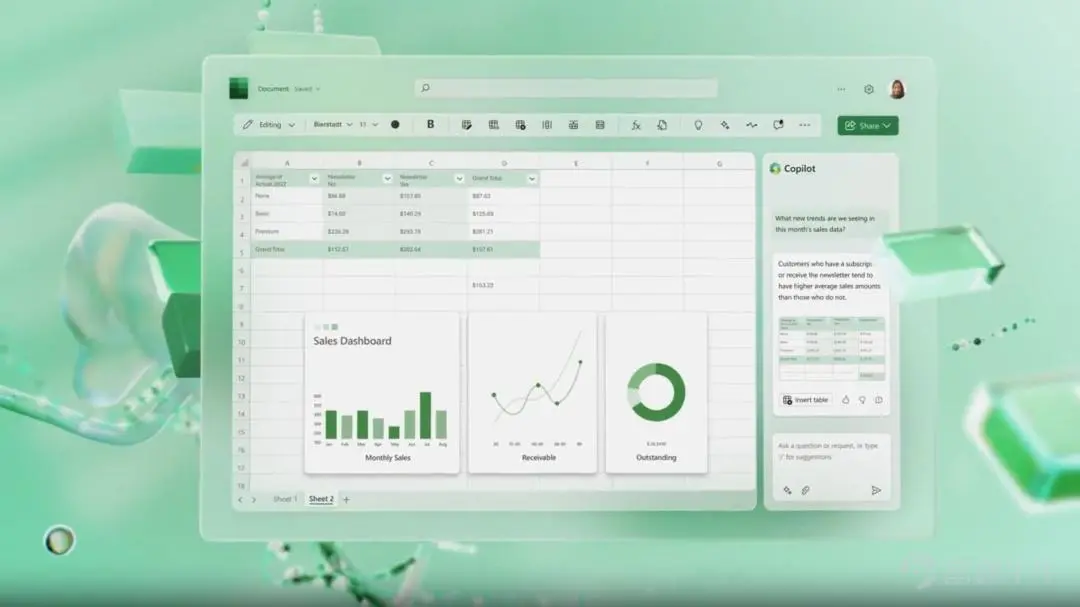
Microsoft is driving Copilot's upgrade towards Agentic AI by integrating OpenClaw-like capabilities to create a localized digital avatar called MS-Claw, which will have the ability to autonomously operate Windows and Microsoft 365 applications 24/7. This solution focuses on balancing enterprise-level security and efficiency using an end-to-cloud hybrid architecture, processing sensitive data locally while handling complex reasoning in the cloud, significantly reducing token consumption. OEMs such as Lenovo and Honor are also pre-installing customized Claw tools, transforming AI PCs from conversational terminals into out-of-the-box productivity agent dispatch centers. This move marks that the competition in AI PCs has shifted from hardware specifications to preset AI workflow definition capabilities. Author, Source: ifanr At a time when AI is booming, the 'desktop' seems somewhat quiet. Ultimately, for LLM-based AI applications, you only need a dialog box to complete interactions, whether it's in an app, browser, or desktop environment—it makes no difference. The emergence of OpenClaw has somewhat changed this—this combination of locally-deployed software and hardware has thrust the 'computer' back into the center of the AI vortex.  Image | Cover News However, OpenClaw has long had a fundamental flaw:It is built on a Unix-like environment and is inherently biased towards Lin...
Image | Microsoft
Additionally, according to insiders, the product manager of 365 Copilot has also discussed building specific agents for MS-Claw, such as marketing managers, sales directors, or accountants.
Compared to connecting to external agents or not assigning roles, this approach simplifies permission control for each agent and enhances security when handling sensitive internal company information.
In short, despite the confusing naming, what Microsoft hopes to achieve through MS-Claw — whether branded under 365 Copilot or Microsoft 365 —is essentially to provide users with an 'out-of-the-box' Agentic AI solution via Copilot.
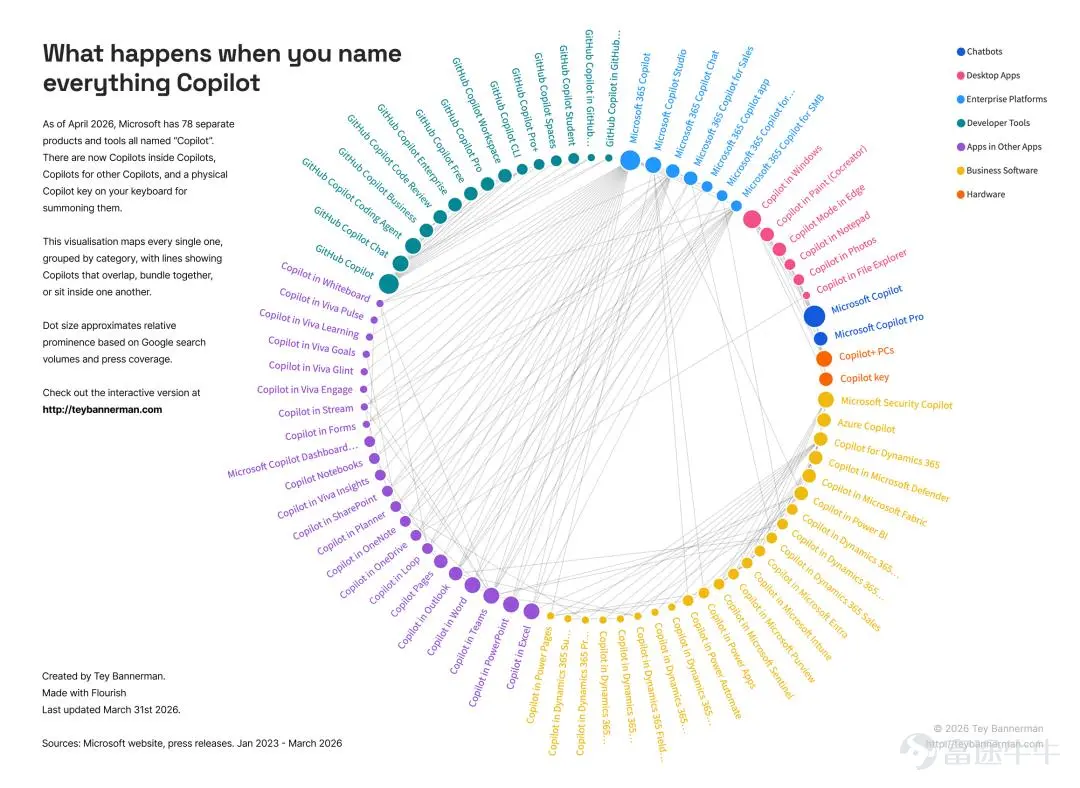
Microsoft is driving Copilot's upgrade towards Agentic AI by integrating OpenClaw-like capabilities to create a localized digital avatar called MS-Claw, which will have the ability to autonomously operate Windows and Microsoft 365 applications 24/7. This solution focuses on balancing enterprise-level security and efficiency using an end-to-cloud hybrid architecture, processing sensitive data locally while handling complex reasoning in the cloud, significantly reducing token consumption. OEMs such as Lenovo and Honor are also pre-installing customized Claw tools, transforming AI PCs from conversational terminals into out-of-the-box productivity agent dispatch centers. This move marks that the competition in AI PCs has shifted from hardware specifications to preset AI workflow definition capabilities. Author, Source: ifanr At a time when AI is booming, the 'desktop' seems somewhat quiet. Ultimately, for LLM-based AI applications, you only need a dialog box to complete interactions, whether it's in an app, browser, or desktop environment—it makes no difference. The emergence of OpenClaw has somewhat changed this—this combination of locally-deployed software and hardware has thrust the 'computer' back into the center of the AI vortex.  Image | Cover News However, OpenClaw has long had a fundamental flaw:It is built on a Unix-like environment and is inherently biased towards Lin...
How many types of Copilot are there? | Tey Bannerman
In addition to Microsoft's ongoing efforts to integrate OpenClaw-like tools into Windows, an increasing number of laptop manufacturers are also taking the initiative to pre-install various types of 'lobsters' on PCs.
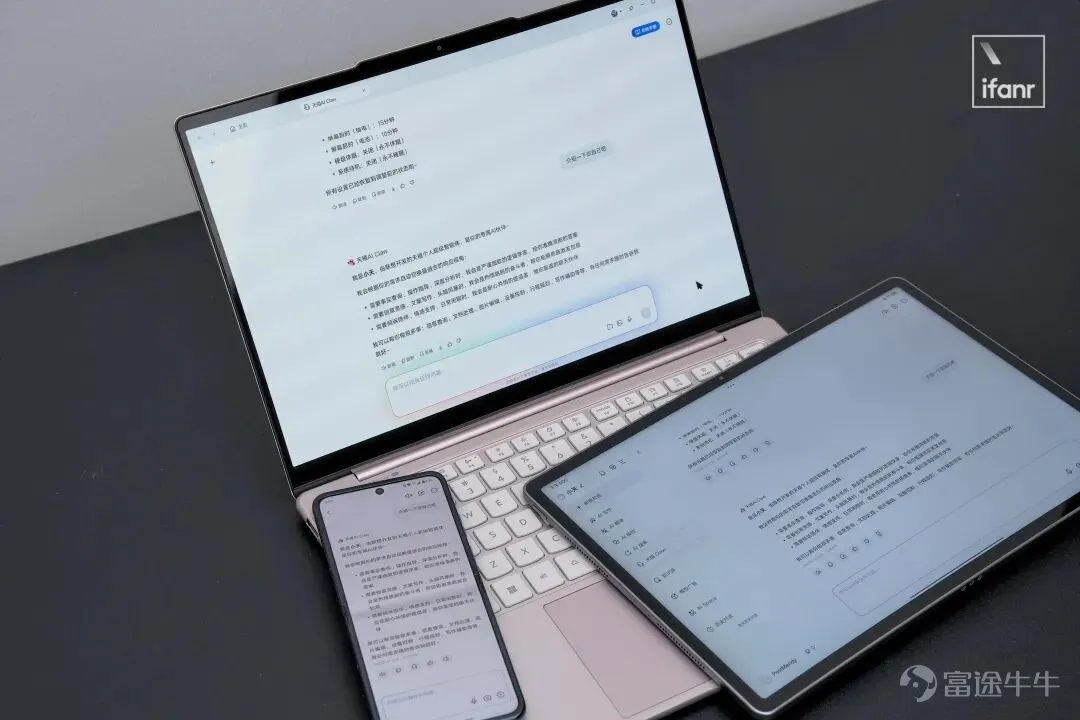
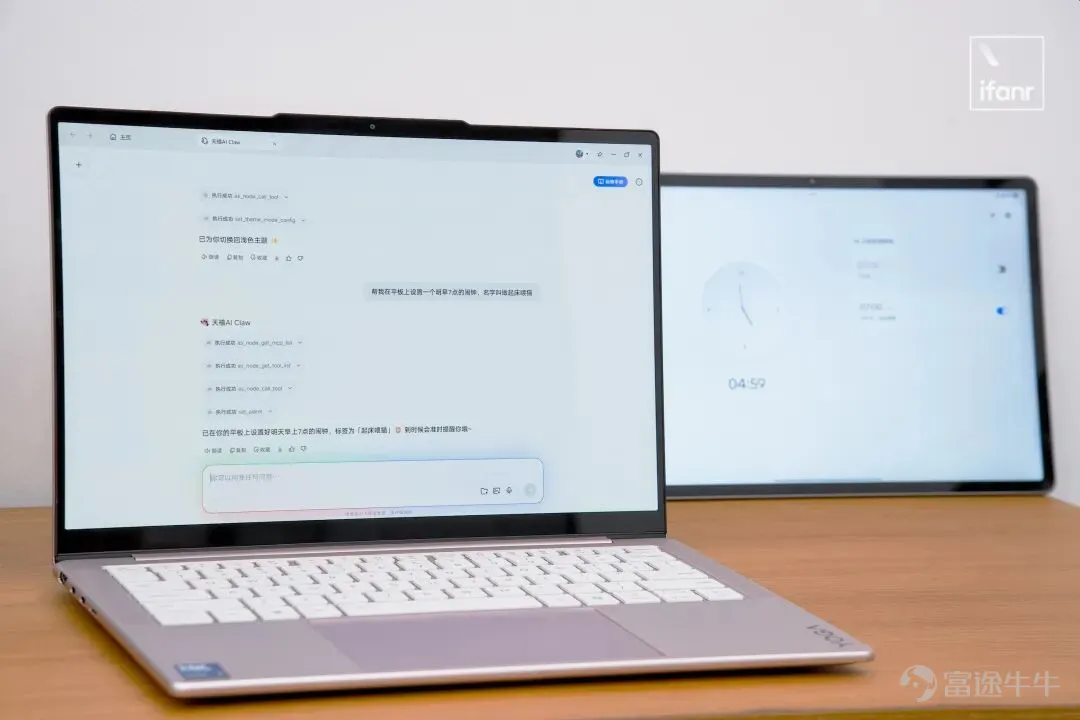
This includes Lenovo's Tianxi Claw, which was previously covered, and Honor's recently launched YOYO Claw. Both are examples of 'ready-to-use' lobsters embedded in OEM-specific apps, emphasizing out-of-the-box usability.
Related Reading:Lenovo Tianxi Claw Product Review: Only a lobster that everyone can enjoy is a truly great lobster.
After all, OpenClaw and its variants first gained popularity in the Mac ecosystem largely due to macOS's Unix-like environment.
For developers and tech-savvy users, various automation scripts and permission management features are almost ready to use right away.
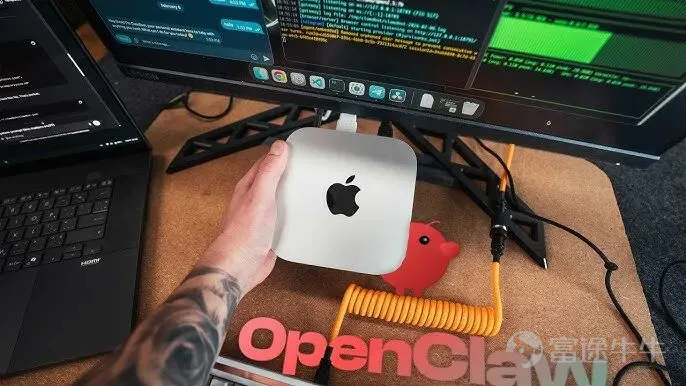
Microsoft is driving Copilot's upgrade towards Agentic AI by integrating OpenClaw-like capabilities to create a localized digital avatar called MS-Claw, which will have the ability to autonomously operate Windows and Microsoft 365 applications 24/7. This solution focuses on balancing enterprise-level security and efficiency using an end-to-cloud hybrid architecture, processing sensitive data locally while handling complex reasoning in the cloud, significantly reducing token consumption. OEMs such as Lenovo and Honor are also pre-installing customized Claw tools, transforming AI PCs from conversational terminals into out-of-the-box productivity agent dispatch centers. This move marks that the competition in AI PCs has shifted from hardware specifications to preset AI workflow definition capabilities. Author, Source: ifanr At a time when AI is booming, the 'desktop' seems somewhat quiet. Ultimately, for LLM-based AI applications, you only need a dialog box to complete interactions, whether it's in an app, browser, or desktop environment—it makes no difference. The emergence of OpenClaw has somewhat changed this—this combination of locally-deployed software and hardware has thrust the 'computer' back into the center of the AI vortex.  Image | Cover News However, OpenClaw has long had a fundamental flaw:It is built on a Unix-like environment and is inherently biased towards Lin...
Photo | YouTube @Andres Vidoza
In comparison, manually deploying the original version of OpenClaw on Windows is nothing short of a nightmare.
Not only do you need to set up the WSL2 subsystem and create a Linux virtual environment, but issues such as confusing permission settings and various bugs in Windows 11 may also prevent AI agents from smoothly simulating mouse clicks and similar actions.
Microsoft is driving Copilot's upgrade towards Agentic AI by integrating OpenClaw-like capabilities to create a localized digital avatar called MS-Claw, which will have the ability to autonomously operate Windows and Microsoft 365 applications 24/7. This solution focuses on balancing enterprise-level security and efficiency using an end-to-cloud hybrid architecture, processing sensitive data locally while handling complex reasoning in the cloud, significantly reducing token consumption. OEMs such as Lenovo and Honor are also pre-installing customized Claw tools, transforming AI PCs from conversational terminals into out-of-the-box productivity agent dispatch centers. This move marks that the competition in AI PCs has shifted from hardware specifications to preset AI workflow definition capabilities. Author, Source: ifanr At a time when AI is booming, the 'desktop' seems somewhat quiet. Ultimately, for LLM-based AI applications, you only need a dialog box to complete interactions, whether it's in an app, browser, or desktop environment—it makes no difference. The emergence of OpenClaw has somewhat changed this—this combination of locally-deployed software and hardware has thrust the 'computer' back into the center of the AI vortex.  Image | Cover News However, OpenClaw has long had a fundamental flaw:It is built on a Unix-like environment and is inherently biased towards Lin...
Image | Windows Central
As original equipment manufacturers, Lenovo and Honor have precisely targeted this 'deployment threshold'—
For the vast majority of consumers who ‘have some needs but aren't very tech-savvy,’ they only need to buy a computer equipped with Tianxi Claw or YOYO Claw, log in after turning it on, and start organizing their data right away.
Microsoft is driving Copilot's upgrade towards Agentic AI by integrating OpenClaw-like capabilities to create a localized digital avatar called MS-Claw, which will have the ability to autonomously operate Windows and Microsoft 365 applications 24/7. This solution focuses on balancing enterprise-level security and efficiency using an end-to-cloud hybrid architecture, processing sensitive data locally while handling complex reasoning in the cloud, significantly reducing token consumption. OEMs such as Lenovo and Honor are also pre-installing customized Claw tools, transforming AI PCs from conversational terminals into out-of-the-box productivity agent dispatch centers. This move marks that the competition in AI PCs has shifted from hardware specifications to preset AI workflow definition capabilities. Author, Source: ifanr At a time when AI is booming, the 'desktop' seems somewhat quiet. Ultimately, for LLM-based AI applications, you only need a dialog box to complete interactions, whether it's in an app, browser, or desktop environment—it makes no difference. The emergence of OpenClaw has somewhat changed this—this combination of locally-deployed software and hardware has thrust the 'computer' back into the center of the AI vortex.  Image | Cover News However, OpenClaw has long had a fundamental flaw:It is built on a Unix-like environment and is inherently biased towards Lin...
By pre-installing, pre-configuring, and pre-processing an OpenClaw tool in Windows, manufacturers are essentially selling this kind of 'AI convenience' to the general public.
Is this approach effective? Indeed, it is.
At the very least, for ordinary users, having an additional 'out-of-the-box' feature is never a bad thing, even if it's labeled Copilot.
Microsoft or OEMs pre-installing various Claws essentially help users complete the dirtiest and most labor-intensive underlying adaptation work—
Only at such times does an AI PC truly transition from being a laptop with flashy labels to becoming a productivity terminal with a built-in digital assistant.
Microsoft is driving Copilot's upgrade towards Agentic AI by integrating OpenClaw-like capabilities to create a localized digital avatar called MS-Claw, which will have the ability to autonomously operate Windows and Microsoft 365 applications 24/7. This solution focuses on balancing enterprise-level security and efficiency using an end-to-cloud hybrid architecture, processing sensitive data locally while handling complex reasoning in the cloud, significantly reducing token consumption. OEMs such as Lenovo and Honor are also pre-installing customized Claw tools, transforming AI PCs from conversational terminals into out-of-the-box productivity agent dispatch centers. This move marks that the competition in AI PCs has shifted from hardware specifications to preset AI workflow definition capabilities. Author, Source: ifanr At a time when AI is booming, the 'desktop' seems somewhat quiet. Ultimately, for LLM-based AI applications, you only need a dialog box to complete interactions, whether it's in an app, browser, or desktop environment—it makes no difference. The emergence of OpenClaw has somewhat changed this—this combination of locally-deployed software and hardware has thrust the 'computer' back into the center of the AI vortex.  Image | Cover News However, OpenClaw has long had a fundamental flaw:It is built on a Unix-like environment and is inherently biased towards Lin...
Additionally, what's important for many users is the 'hybrid cloud-edge' deployment logic, which inherently provides solutions for risk isolation and computing cost.
Not only have Tianxi Claw and YOYO Claw already indicated hybrid cloud-edge capabilities, but Microsoft’s actual choice follows the same path as its previous 'Azure Cloud PC - Agent 365 - 365 Copilot.'
Microsoft is driving Copilot's upgrade towards Agentic AI by integrating OpenClaw-like capabilities to create a localized digital avatar called MS-Claw, which will have the ability to autonomously operate Windows and Microsoft 365 applications 24/7. This solution focuses on balancing enterprise-level security and efficiency using an end-to-cloud hybrid architecture, processing sensitive data locally while handling complex reasoning in the cloud, significantly reducing token consumption. OEMs such as Lenovo and Honor are also pre-installing customized Claw tools, transforming AI PCs from conversational terminals into out-of-the-box productivity agent dispatch centers. This move marks that the competition in AI PCs has shifted from hardware specifications to preset AI workflow definition capabilities. Author, Source: ifanr At a time when AI is booming, the 'desktop' seems somewhat quiet. Ultimately, for LLM-based AI applications, you only need a dialog box to complete interactions, whether it's in an app, browser, or desktop environment—it makes no difference. The emergence of OpenClaw has somewhat changed this—this combination of locally-deployed software and hardware has thrust the 'computer' back into the center of the AI vortex.  Image | Cover News However, OpenClaw has long had a fundamental flaw:It is built on a Unix-like environment and is inherently biased towards Lin...
Image source: Microsoft Learn
In this way, '某某 Claw' and its various proxy combinations can prioritize processing sensitive personal data or screenshots locally, only requesting cloud models when complex logical reasoning is involved.
This balance between privacy protection and performance is currentlyalmost impossible to achieve with the predominantly cloud-based Copilot 365.
The most important point, which is also the most wallet-friendly for users, is that this vendor-led 'help you deploy' and 'end-to-cloud hybrid' lobster solutioncan significantly reduce token consumption.
For example, through methods such as model tiered routing, local RAG (compressed conversation history), and intelligent prompt caching, the end-to-cloud hybrid Claw solution is estimated to reduce token consumption to 50% or even lower than before, effectively preventing situations like 'Claw runs overnight, three thousand less in your account.'
For businesses and individual users who are extremely sensitive to API costs, this kind of 'save money while achieving big things' product is the most attractive option.
Standing at the vantage point of 2026, we can boldly draw a conclusion:
Future AI PCs, if they don't come pre-installed with Agentic AI, simply don't deserve to be called AI productivity tools.
We must realize that after the massive wave of LLM games, the endless stacking of FOMO has completely drained our patience with AI.

Microsoft is driving Copilot's upgrade towards Agentic AI by integrating OpenClaw-like capabilities to create a localized digital avatar called MS-Claw, which will have the ability to autonomously operate Windows and Microsoft 365 applications 24/7. This solution focuses on balancing enterprise-level security and efficiency using an end-to-cloud hybrid architecture, processing sensitive data locally while handling complex reasoning in the cloud, significantly reducing token consumption. OEMs such as Lenovo and Honor are also pre-installing customized Claw tools, transforming AI PCs from conversational terminals into out-of-the-box productivity agent dispatch centers. This move marks that the competition in AI PCs has shifted from hardware specifications to preset AI workflow definition capabilities. Author, Source: ifanr At a time when AI is booming, the 'desktop' seems somewhat quiet. Ultimately, for LLM-based AI applications, you only need a dialog box to complete interactions, whether it's in an app, browser, or desktop environment—it makes no difference. The emergence of OpenClaw has somewhat changed this—this combination of locally-deployed software and hardware has thrust the 'computer' back into the center of the AI vortex.  Image | Cover News However, OpenClaw has long had a fundamental flaw:It is built on a Unix-like environment and is inherently biased towards Lin...
Image | TNW
The vast majority of ordinary users are already tired of the 'I ask, you answer' consultant game, yet companies are increasingly demanding that people continue using AI to improve their efficiency.
If they can't keep up, they fall below the cutoff line.
Therefore, what people need from computers now is not a faster CPU frequency or a thinner body, but whether it can act like a real 'partner' or 'co-pilot', directly executing and solving tasks for me.

Microsoft is driving Copilot's upgrade towards Agentic AI by integrating OpenClaw-like capabilities to create a localized digital avatar called MS-Claw, which will have the ability to autonomously operate Windows and Microsoft 365 applications 24/7. This solution focuses on balancing enterprise-level security and efficiency using an end-to-cloud hybrid architecture, processing sensitive data locally while handling complex reasoning in the cloud, significantly reducing token consumption. OEMs such as Lenovo and Honor are also pre-installing customized Claw tools, transforming AI PCs from conversational terminals into out-of-the-box productivity agent dispatch centers. This move marks that the competition in AI PCs has shifted from hardware specifications to preset AI workflow definition capabilities. Author, Source: ifanr At a time when AI is booming, the 'desktop' seems somewhat quiet. Ultimately, for LLM-based AI applications, you only need a dialog box to complete interactions, whether it's in an app, browser, or desktop environment—it makes no difference. The emergence of OpenClaw has somewhat changed this—this combination of locally-deployed software and hardware has thrust the 'computer' back into the center of the AI vortex.  Image | Cover News However, OpenClaw has long had a fundamental flaw:It is built on a Unix-like environment and is inherently biased towards Lin...
Photo | Itequia
Therefore, whether it's platform originators like Microsoft or notebook OEMs like Lenovo and Honor,Pre-installed 'Lobster' or similar will become a hard metric for measuring the core competitiveness of PC manufacturers in the future.
Future operating systems won't just be platforms for running software; they'll transform into 'agent dispatch centers.'
At the same time, the role of hardware manufacturers will undergo a significant transformation: they will no longer merely act as 'solution integrators' for components, but will also take on the role of definers of 'AI workflows'—
This differentiation in proxy-like AI roles will become a new source of brand loyalty for AI PCs.
Risk Disclaimer: The above content only represents the author's view. It does not represent any position or investment advice of Futu. Futu makes no representation or warranty.Read more
Heart
1
Thumbs Up
1
43K Views
Report
Comments
Write a Comment...
2