
English
Back
Open Account
智通财经APP
wrote a column · Apr 13 15:57

GF Securities: Optimistic about the rebound opportunities in Hong Kong stocks in Q2, especially in April and May

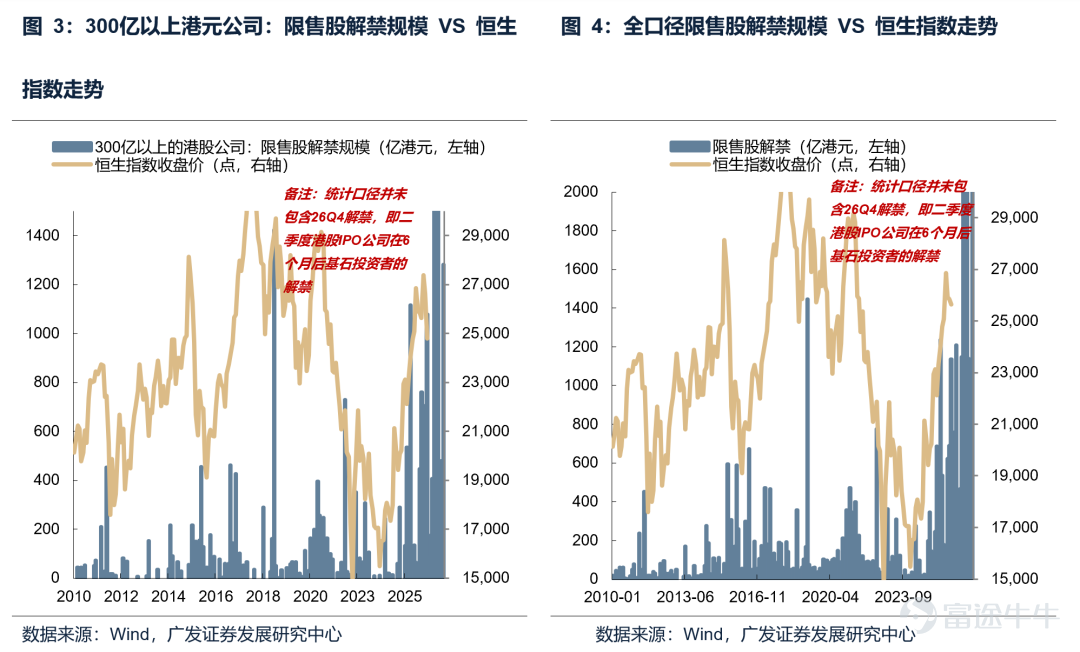
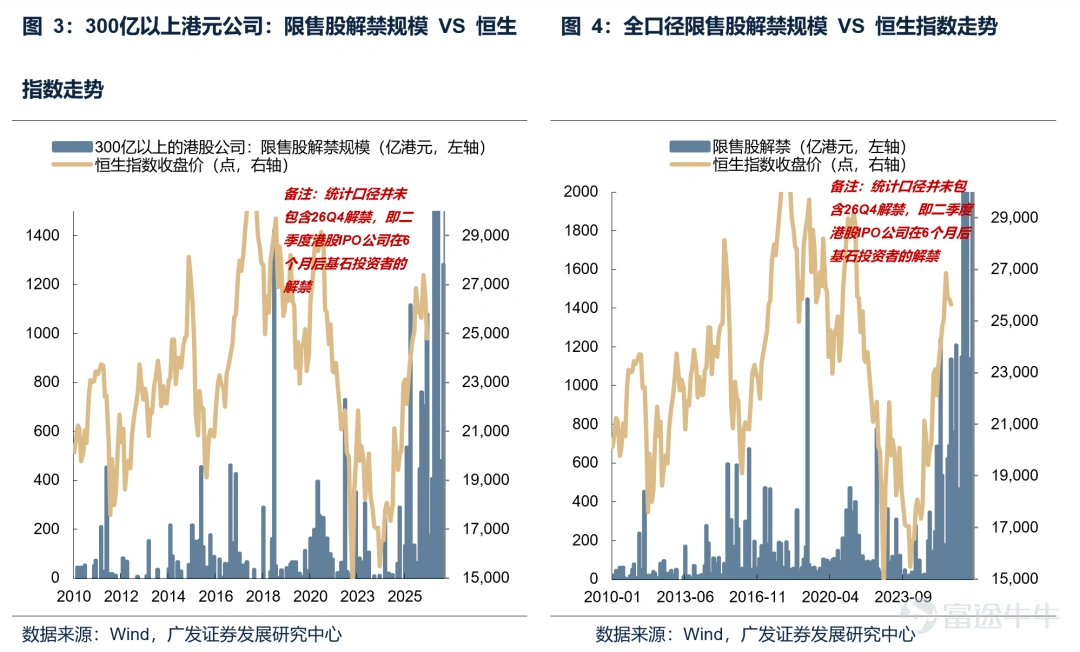
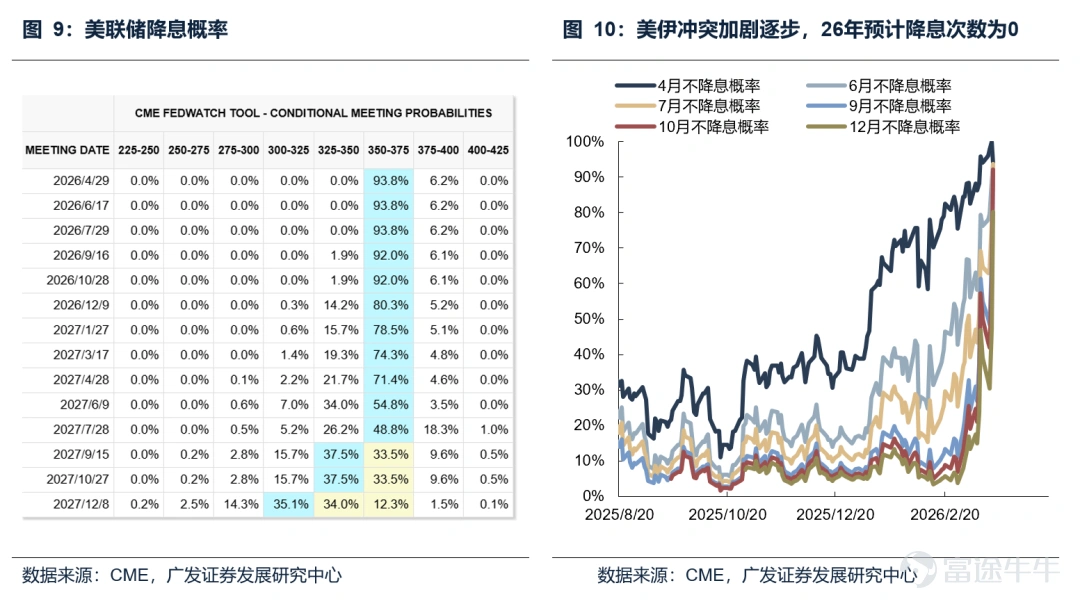
According to Zhitong Finance APP, GF Securities released a research report stating they are optimistic about the rebound opportunity for Hong Kong stocks in the second quarter, especially in April and May (not a reversal trend), due to the clearance of three types of negative factors: first, the completion of annual report disclosures, with uncertainties regarding performance, buybacks, and capital expenditures already digested; second, the end of the March peak in share lock-up expirations, with the scale of expirations declining in the second quarter, potentially creating an opportunity for sentiment-driven clearance of negativity; third, easing pressure on overseas liquidity, expectations of Trump's visit to China could boost market sentiment, while rate cut expectations have dropped to zero. After geopolitical and inflation disturbances are digested, there is room for valuation recovery.
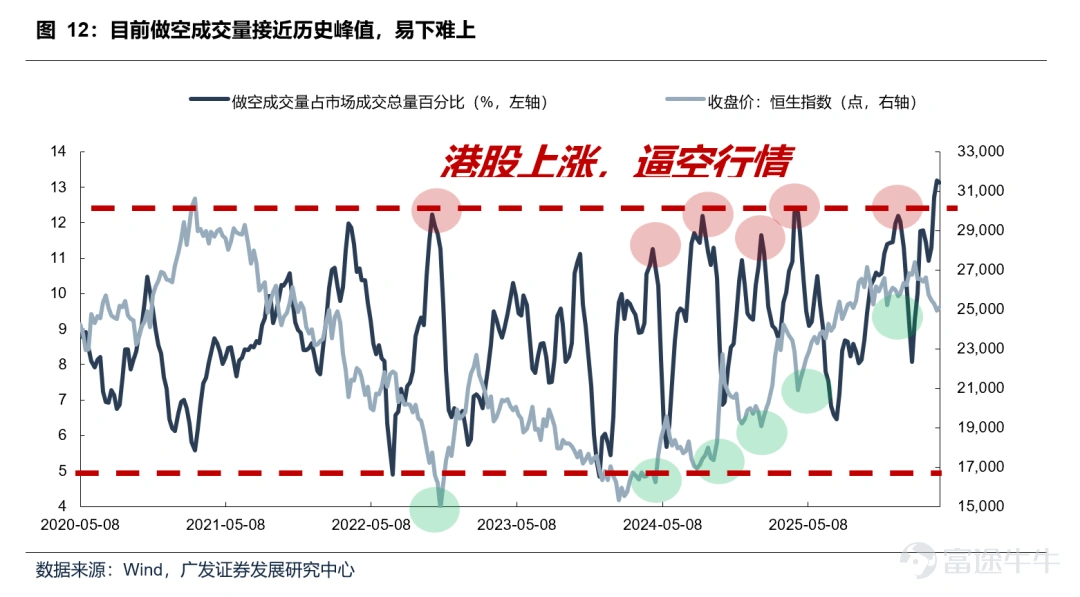
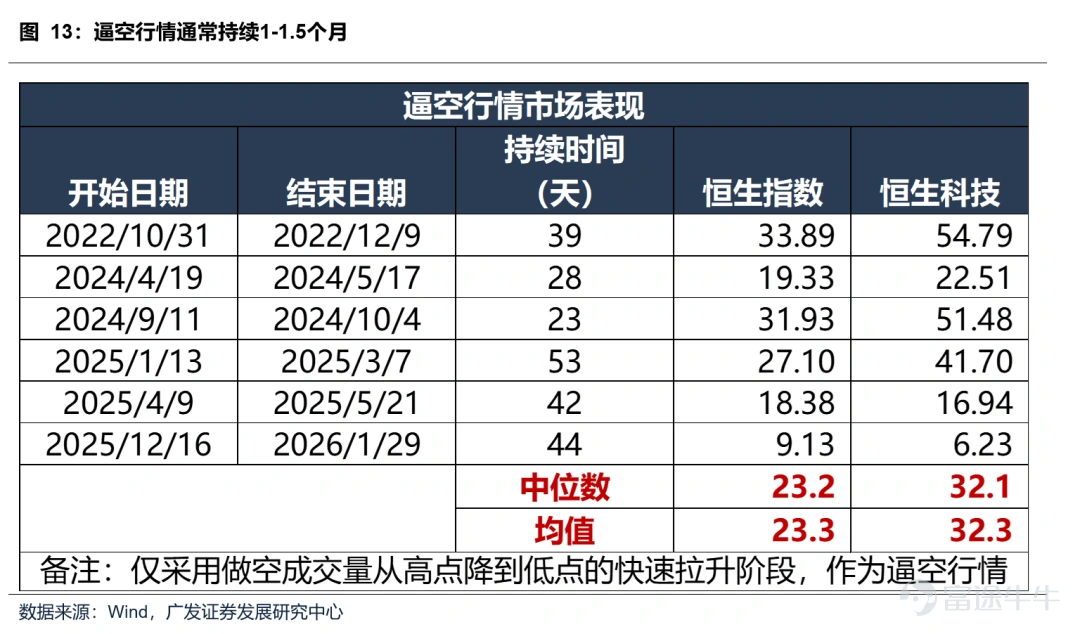
Currently, short-selling trading volume accounts for about 12%, similar to the Hong Kong stock bear markets of 2021-2022, reaching historical highs. High levels of short selling do not indicate whether the market will fall or rebound; the core driver of Hong Kong stocks remains changes in fundamentals. However, if market conditions improve, it may trigger a short squeeze, amplifying the rebound. Without additional fundamental or policy drivers, the second quarter will mainly see the clearance of negative factors and marginal improvement in liquidity leading to a short squeeze. The expected duration of the short squeeze rebound is around 1 to 1.5 months, with gains of approximately 20% for the Hang Seng Index and 30% for the Hang Seng Tech Index. The rebound may repair the declines since the first quarter of this year but will primarily focus on filling gaps rather than breaking previous highs.
The main viewpoints of GF Securities are as follows:
Optimistic about the rebound opportunity in the second quarter, especially in April and May (not a reversal trend), due to the clearance of three types of negative factors:First, the completion of annual report disclosures, with uncertainties regarding performance, buybacks, and capital expenditures already digested; second, the end of the March peak in share lock-up expirations, with the scale of expirations declining in the second quarter, potentially creating an opportunity for sentiment-driven clearance of negativity; third, easing pressure on overseas liquidity, expectations of Trump's visit to China could boost market sentiment, while rate cut expectations have dropped to zero. After geopolitical and inflation disturbances are digested, there is room for valuation recovery.
According to Zhitong Finance APP, GF Securities released a research report stating they are optimistic about the rebound opportunity for Hong Kong stocks in the second quarter, especially in April and May (not a reversal trend), due to the clearance of three types of negative factors: first, the completion of annual report disclosures, with uncertainties regarding performance, buybacks, and capital expenditures already digested; second, the end of the March peak in share lock-up expirations, with the scale of expirations declining in the second quarter, potentially creating an opportunity for sentiment-driven clearance of negativity; third, easing pressure on overseas liquidity, expectations of Trump's visit to China could boost market sentiment, while rate cut expectations have dropped to zero. After geopolitical and inflation disturbances are digested, there is room for valuation recovery. Currently, short-selling trading volume accounts for about 12%, similar to the Hong Kong stock bear markets of 2021-2022, reaching historical highs. High levels of short selling do not indicate whether the market will fall or rebound; the core driver of Hong Kong stocks remains changes in fundamentals. However, if market conditions improve, it may trigger a short squeeze, amplifying the rebound. Without additional fundamental or policy drivers, the second quarter will mainly see the clearance of negative factors and marginal improvement in liquidity leading to a short squeeze. The expected duration of the short squeeze rebound is around 1 to 1.5 months, with gains of approximately 20% for the Hang Seng Index and 30% for the Hang Seng Tech Index. The rebound may repair the declines since the first quarter of this year but will primarily focus on filling gaps rather than breaking previous highs. The main viewpoints of GF Securities are as follows: Optimistic about the rebound opportunity in the second quarter, especially in April and May (not a reversal trend), due to the clearance of three types of negative factors:First, the completion of annual report disclosures, with uncertainties regarding performance, buybacks, and capital expenditures already digested; second, ...
How elastic will this round of Hong Kong stock rebound be?
(1) Currently, short-selling trading volume accounts for about 12%, similar to the Hong Kong stock bear markets of 2021-2022, reaching historical highs. High levels of short selling do not indicate whether the market will fall or rebound; the core driver of Hong Kong stocks remains changes in fundamentals. However, if market conditions improve, it may trigger a short squeeze, amplifying the rebound. (2) Without additional fundamental or policy drivers, the second quarter will mainly see the clearance of negative factors and marginal improvement in liquidity leading to a short squeeze.The short squeeze rebound is expected to last around 1 to 1.5 months, with gains of approximately 20% for the Hang Seng Index and 30% for Hang Seng Tech. The rally might recover losses since the first quarter of this year but will primarily aim at filling gaps rather than breaking previous highs.
According to Zhitong Finance APP, GF Securities released a research report stating they are optimistic about the rebound opportunity for Hong Kong stocks in the second quarter, especially in April and May (not a reversal trend), due to the clearance of three types of negative factors: first, the completion of annual report disclosures, with uncertainties regarding performance, buybacks, and capital expenditures already digested; second, the end of the March peak in share lock-up expirations, with the scale of expirations declining in the second quarter, potentially creating an opportunity for sentiment-driven clearance of negativity; third, easing pressure on overseas liquidity, expectations of Trump's visit to China could boost market sentiment, while rate cut expectations have dropped to zero. After geopolitical and inflation disturbances are digested, there is room for valuation recovery. Currently, short-selling trading volume accounts for about 12%, similar to the Hong Kong stock bear markets of 2021-2022, reaching historical highs. High levels of short selling do not indicate whether the market will fall or rebound; the core driver of Hong Kong stocks remains changes in fundamentals. However, if market conditions improve, it may trigger a short squeeze, amplifying the rebound. Without additional fundamental or policy drivers, the second quarter will mainly see the clearance of negative factors and marginal improvement in liquidity leading to a short squeeze. The expected duration of the short squeeze rebound is around 1 to 1.5 months, with gains of approximately 20% for the Hang Seng Index and 30% for the Hang Seng Tech Index. The rebound may repair the declines since the first quarter of this year but will primarily focus on filling gaps rather than breaking previous highs. The main viewpoints of GF Securities are as follows: Optimistic about the rebound opportunity in the second quarter, especially in April and May (not a reversal trend), due to the clearance of three types of negative factors:First, the completion of annual report disclosures, with uncertainties regarding performance, buybacks, and capital expenditures already digested; second, ...
Opportunities in the third quarter are fewer compared to the second quarter:
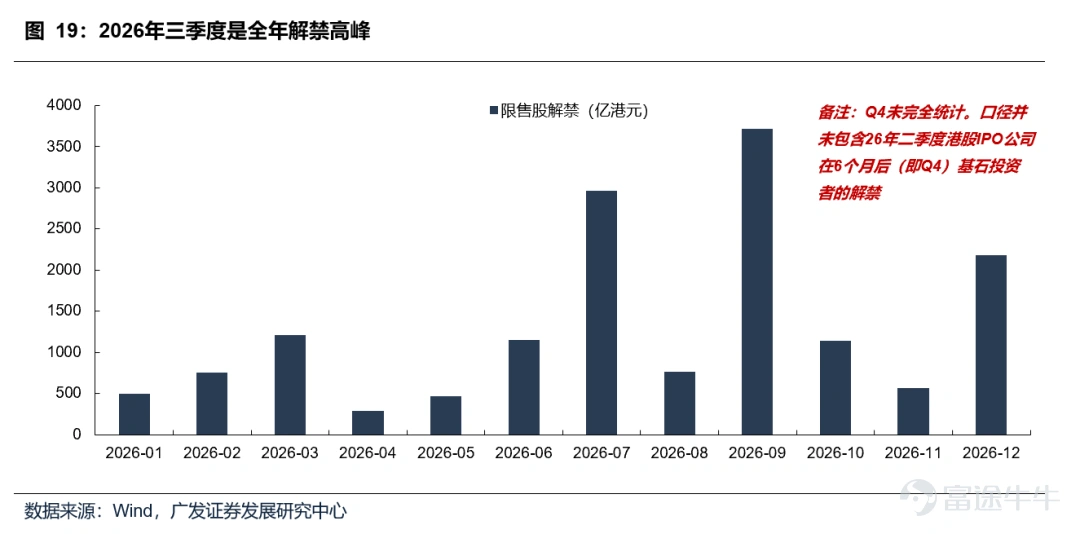
(1) At the June FOMC meeting, Warsh may elaborate on his 'balance sheet reduction + rate cuts' policy framework; aggressive balance sheet reduction could lead to a global capital outflow or reduced allocation to high-risk emerging markets. (2) The third quarter marks the peak of the year’s share lock-up period, with July seeing the heaviest pressure, concentrated in AI and technology sectors. Even excluding Zijin Mining's controlling shareholder lock-up, the single-quarter lock-up scale reaches HKD 467.9 billion. (3) Prior to the lock-up peak, investors should avoid large-cap stocks with relatively smaller free float currently.
According to Zhitong Finance APP, GF Securities released a research report stating they are optimistic about the rebound opportunity for Hong Kong stocks in the second quarter, especially in April and May (not a reversal trend), due to the clearance of three types of negative factors: first, the completion of annual report disclosures, with uncertainties regarding performance, buybacks, and capital expenditures already digested; second, the end of the March peak in share lock-up expirations, with the scale of expirations declining in the second quarter, potentially creating an opportunity for sentiment-driven clearance of negativity; third, easing pressure on overseas liquidity, expectations of Trump's visit to China could boost market sentiment, while rate cut expectations have dropped to zero. After geopolitical and inflation disturbances are digested, there is room for valuation recovery. Currently, short-selling trading volume accounts for about 12%, similar to the Hong Kong stock bear markets of 2021-2022, reaching historical highs. High levels of short selling do not indicate whether the market will fall or rebound; the core driver of Hong Kong stocks remains changes in fundamentals. However, if market conditions improve, it may trigger a short squeeze, amplifying the rebound. Without additional fundamental or policy drivers, the second quarter will mainly see the clearance of negative factors and marginal improvement in liquidity leading to a short squeeze. The expected duration of the short squeeze rebound is around 1 to 1.5 months, with gains of approximately 20% for the Hang Seng Index and 30% for the Hang Seng Tech Index. The rebound may repair the declines since the first quarter of this year but will primarily focus on filling gaps rather than breaking previous highs. The main viewpoints of GF Securities are as follows: Optimistic about the rebound opportunity in the second quarter, especially in April and May (not a reversal trend), due to the clearance of three types of negative factors:First, the completion of annual report disclosures, with uncertainties regarding performance, buybacks, and capital expenditures already digested; second, ...
How can Hang Seng Tech sustain a rebound?
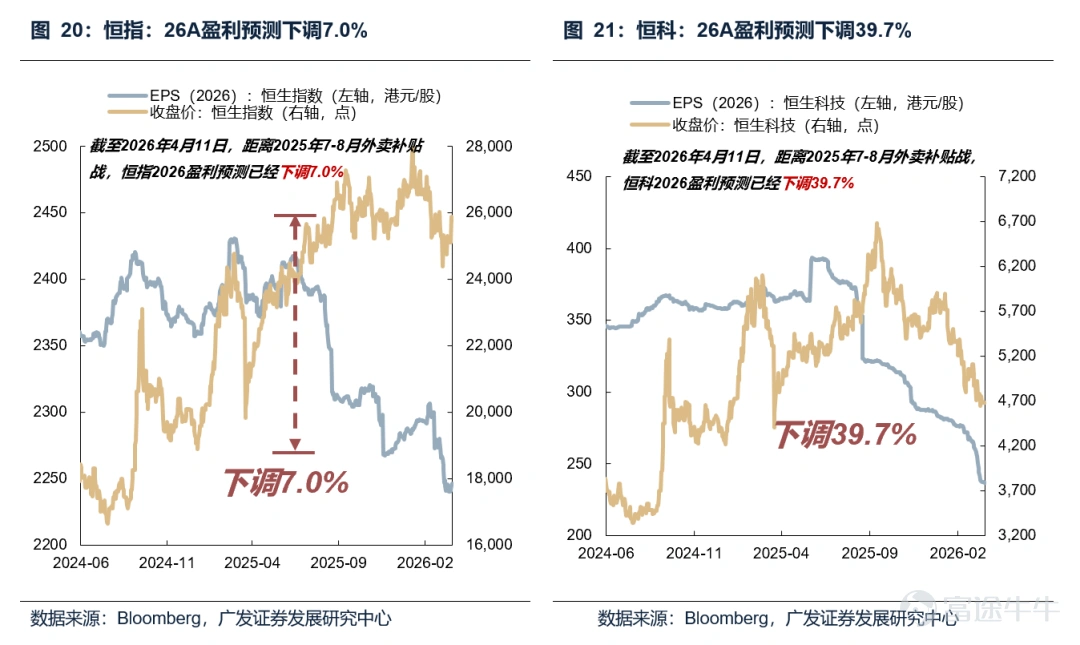
(1) Earnings growth for Hong Kong-listed companies needs sustained intrinsic momentum recovery, rather than relying on earlier low base effects or a stronger Renminbi exchange rate, to drive a reversal trend.
(2) Observation window for whether fundamentals can recover:The April Politburo meeting; if the meeting further escalates its stance on 'anti-internal competition,' introducing more robust industry self-discipline measures, it could ease pricing pressures in some sectors and gradually reverse profit expectations for internet companies.
According to Zhitong Finance APP, GF Securities released a research report stating they are optimistic about the rebound opportunity for Hong Kong stocks in the second quarter, especially in April and May (not a reversal trend), due to the clearance of three types of negative factors: first, the completion of annual report disclosures, with uncertainties regarding performance, buybacks, and capital expenditures already digested; second, the end of the March peak in share lock-up expirations, with the scale of expirations declining in the second quarter, potentially creating an opportunity for sentiment-driven clearance of negativity; third, easing pressure on overseas liquidity, expectations of Trump's visit to China could boost market sentiment, while rate cut expectations have dropped to zero. After geopolitical and inflation disturbances are digested, there is room for valuation recovery. Currently, short-selling trading volume accounts for about 12%, similar to the Hong Kong stock bear markets of 2021-2022, reaching historical highs. High levels of short selling do not indicate whether the market will fall or rebound; the core driver of Hong Kong stocks remains changes in fundamentals. However, if market conditions improve, it may trigger a short squeeze, amplifying the rebound. Without additional fundamental or policy drivers, the second quarter will mainly see the clearance of negative factors and marginal improvement in liquidity leading to a short squeeze. The expected duration of the short squeeze rebound is around 1 to 1.5 months, with gains of approximately 20% for the Hang Seng Index and 30% for the Hang Seng Tech Index. The rebound may repair the declines since the first quarter of this year but will primarily focus on filling gaps rather than breaking previous highs. The main viewpoints of GF Securities are as follows: Optimistic about the rebound opportunity in the second quarter, especially in April and May (not a reversal trend), due to the clearance of three types of negative factors:First, the completion of annual report disclosures, with uncertainties regarding performance, buybacks, and capital expenditures already digested; second, ...
How do relative/absolute return funds choose sectors?
(1) Relative return funds: In the second quarter, focus can be placed on sectors where foreign capital has pricing power, experienced significant net outflows earlier, and are expected to see inflows later, such as Hong Kong Stock Connect internet, Hang Seng Tech, and Hong Kong innovative pharmaceuticals.
(2) Absolute return funds: Considering subsequent risk factors and no clear signs yet of a trend reversal in Hong Kong stocks, if funds need to strictly control drawdowns, the current timing is not optimal.Investors may focus on the high dividend yield sector in Hong Kong stocks (with strong pricing power by Chinese capital, good defensive attributes, and less affected by overseas liquidity shocks) or utilize offshore funds to participate in cornerstone IPO subscriptions, locking in allocations to reduce volatility and secure relatively predictable medium- to long-term returns.
According to Zhitong Finance APP, GF Securities released a research report stating they are optimistic about the rebound opportunity for Hong Kong stocks in the second quarter, especially in April and May (not a reversal trend), due to the clearance of three types of negative factors: first, the completion of annual report disclosures, with uncertainties regarding performance, buybacks, and capital expenditures already digested; second, the end of the March peak in share lock-up expirations, with the scale of expirations declining in the second quarter, potentially creating an opportunity for sentiment-driven clearance of negativity; third, easing pressure on overseas liquidity, expectations of Trump's visit to China could boost market sentiment, while rate cut expectations have dropped to zero. After geopolitical and inflation disturbances are digested, there is room for valuation recovery. Currently, short-selling trading volume accounts for about 12%, similar to the Hong Kong stock bear markets of 2021-2022, reaching historical highs. High levels of short selling do not indicate whether the market will fall or rebound; the core driver of Hong Kong stocks remains changes in fundamentals. However, if market conditions improve, it may trigger a short squeeze, amplifying the rebound. Without additional fundamental or policy drivers, the second quarter will mainly see the clearance of negative factors and marginal improvement in liquidity leading to a short squeeze. The expected duration of the short squeeze rebound is around 1 to 1.5 months, with gains of approximately 20% for the Hang Seng Index and 30% for the Hang Seng Tech Index. The rebound may repair the declines since the first quarter of this year but will primarily focus on filling gaps rather than breaking previous highs. The main viewpoints of GF Securities are as follows: Optimistic about the rebound opportunity in the second quarter, especially in April and May (not a reversal trend), due to the clearance of three types of negative factors:First, the completion of annual report disclosures, with uncertainties regarding performance, buybacks, and capital expenditures already digested; second, ...
Risk Disclaimer: The above content only represents the author's view. It does not represent any position or investment advice of Futu. Futu makes no representation or warranty.Read more
Thumbs Up
1
14K Views
Report
Comments
Write a Comment...
1