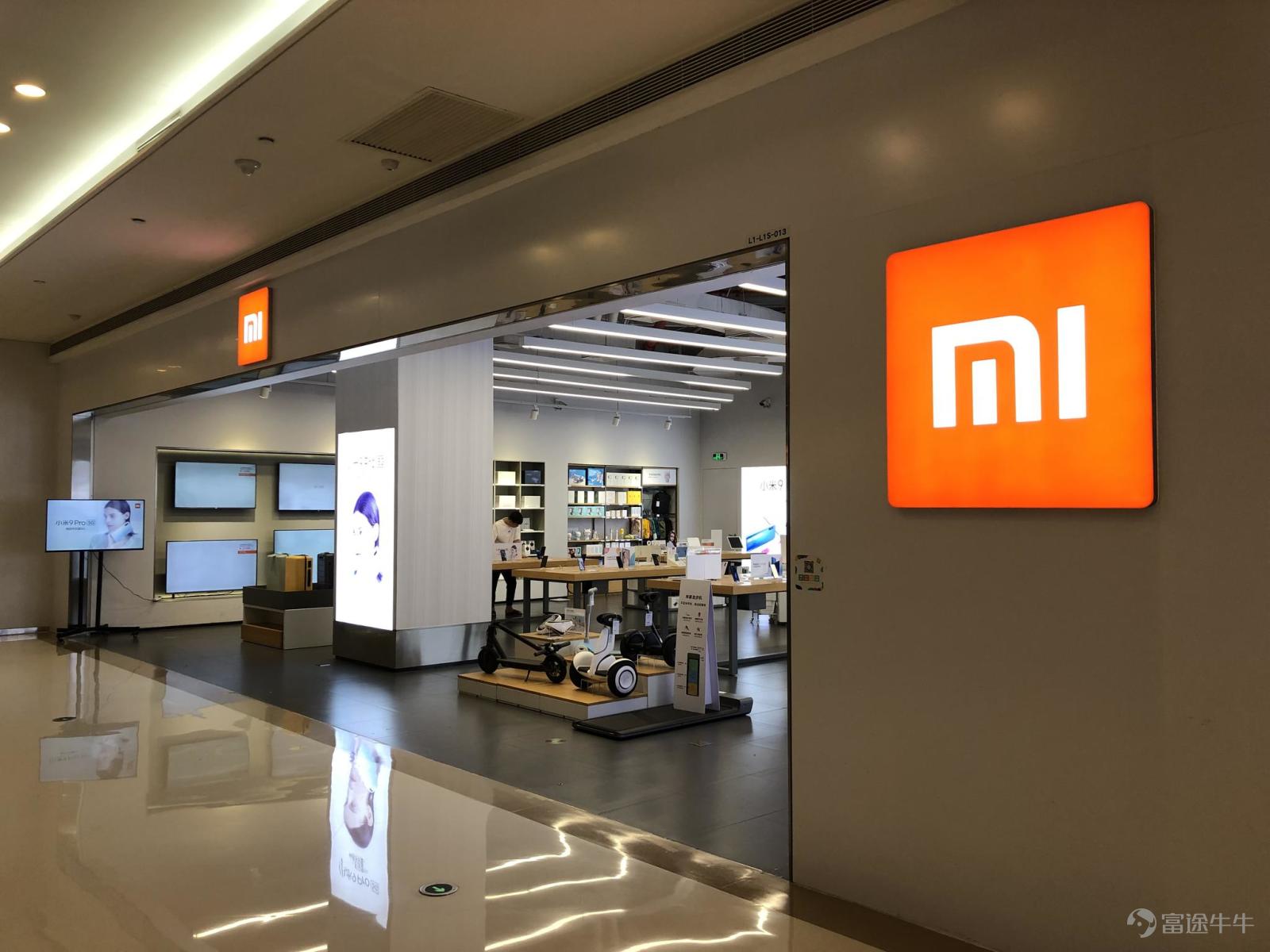

Three Xiaomi models increase in price as last year's mobile segment saw a decline in gross margin
Amidst the 'crazy surge' in memory prices, Xiaomi also couldn't hold on.
According to a previous announcement by Xiaomi, due to the continued significant surge in prices of global storage chips and other key components, Xiaomi officially adjusted the suggested retail prices of some products for sale starting at 00:00 today (April 11).
It is reported that this price adjustment involves three models. Among them, the REDMI K90 Pro Max increased by 200 yuan, while Turbo 5 and Turbo 5 Max discontinued the New Year special offer, with the 512G large memory continuing to be subsidized by 200 yuan.
Notably, all three models affected by this price adjustment are products under the REDMI brand. In 2019, Xiaomi separated its sub-brand Redmi as an independent entity, implementing a dual-brand development strategy of "Xiaomi + Redmi." Relying on a product strategy of "high cost-effectiveness and affordable prices," Redmi has become the main driver for Xiaomi's mid-to-low-end smartphone market positioning.

Wei Siqi, General Manager of Xiaomi's China Regional Marketing Department, stated that although we have been making every effort to suppress the impact of memory price increases on end-user prices, this round of memory price hikes and their magnitude have far exceeded expectations.
In fact, apart from Xiaomi, in March this year, brands such as OPPO, OnePlus, Vivo, and iQOO successively announced upcoming price increases, followed closely by Honor and Samsung. Currently, among mainstream mobile phone brands, except for Apple and Huawei, which focus on high-end smartphones, all other mobile phone manufacturers have joined the price increase trend.
Senior Analyst Shilpi Jain stated that shortages and rising costs of memory chips have the greatest impact on price-sensitive market segments, such as entry-level and mid-range devices, which are most vulnerable to supply and demand pressures.
Shilpi Jain further pointed out that high-end device manufacturers like Apple remain relatively resilient to these pressures, but China-based brands driven by sales volume are experiencing more pronounced declines in price-sensitive regions, leading to an overall drop in global shipments.
The latest report released by Counterpoint on April 10 shows that the global smartphone market still faces pressure in Q1 2026 due to shortages of DRAM and NAND memory components and weak demand, with shipments declining 6% year-on-year.
Among them, Xiaomi, despite maintaining its third position in the global market with a 12% share, experienced a staggering 19% year-on-year drop in Q1 shipments, the highest among the top five brands.
Counterpoint noted that the enormous pressure faced by Xiaomi stems from its business being highly concentrated in the price-sensitive entry-level segment, making it particularly susceptible to the impact of rising memory costs. However, Counterpoint also pointed out that Xiaomi's performance in the high-end market is improving, with its newly launched Xiaomi 17 series performing well in the Chinese market.
Radar Finance noted that the impact of rising memory prices has also spread to the performance of Xiaomi's mobile phone business.
According to Xiaomi's previously disclosed 'Annual Report for the Fiscal Year Ended December 31, 2025,' in the full year of 2025, Xiaomi's smartphone revenue was RMB 186.44 billion, a year-on-year decrease of 2.77%; gross profit amounted to RMB 20.266 billion, a decrease of 16.44% compared to the same period in 2024.
In addition, the gross margin of Xiaomi’s smartphone business fell from 12.6% in 2024 to 10.9% for the fiscal year ended December 31, 2025. Xiaomi explained that this was mainly due to the reduction in national subsidies in the second half of the year, an increase in the prices of key components, and intensifying global market competition.
Tianyancha information shows that Xiaomi was founded in March 2010. In terms of secondary market performance, on April 10, Xiaomi Group closed at HKD 30.9 per share, with a market value of HKD 801.4 billion. $XIAOMI-W (01810.HK)$
Produced by Radar Finance, written by Zhou Hui, edited by Shen Hai
Risk Disclaimer: The above content only represents the author's view. It does not represent any position or investment advice of Futu. Futu makes no representation or warranty.Read more
Comments
to post a comment