

Hong Kong's two market leaders reported a significant surge in earnings; is there still room to posi

March 25th [HK Stocks Podcast] Part 2 - WTT, Foxconn Interconnect Technology, Tencent
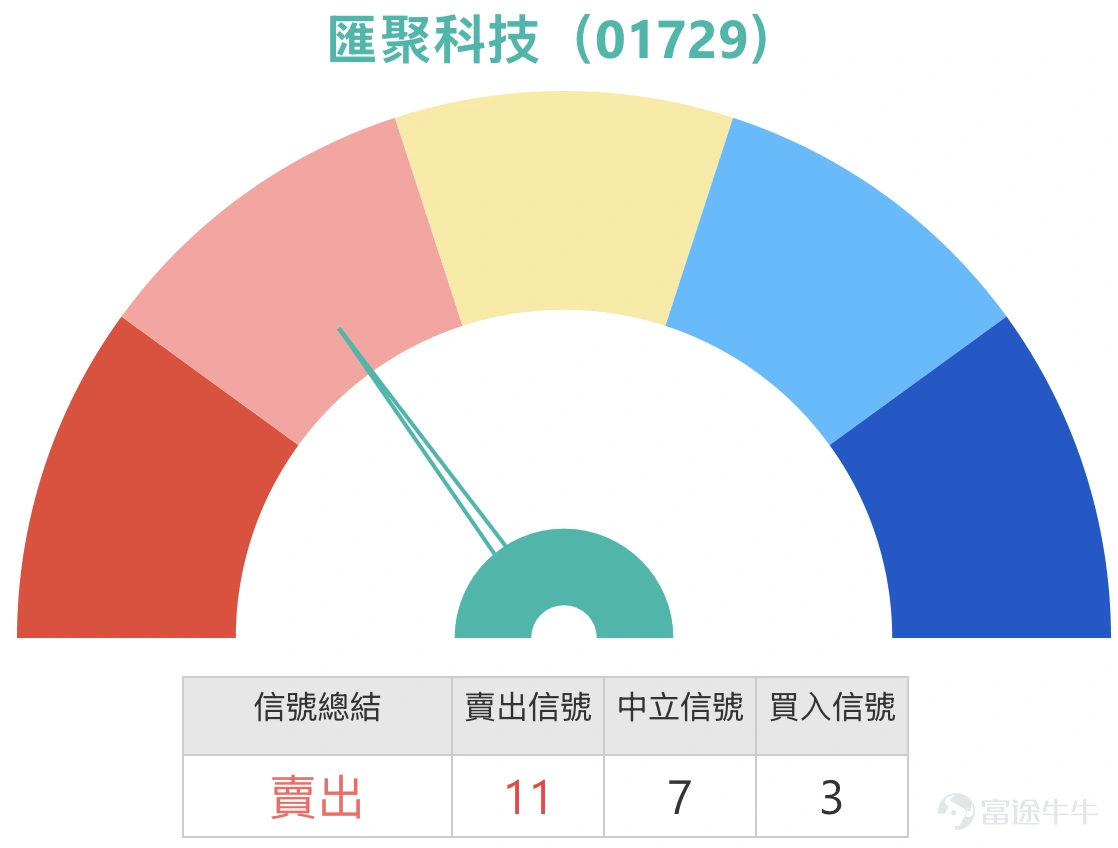
4. WTT (01729.HK): Investors noted a strong rebound with a large bullish candlestick, and as long as the price stabilizes above 16.3, there is no need to worry; it’s preparing for another upward turn. What is the next target? In the warrant market, some investors are watching the call warrants with an exercise price of 28.88 yuan, although structured products do not follow the underlying stock's movement.
WTT is currently trading at 16.93 yuan, clearly within the short-term range of 14.07 to 19.79 yuan, representing an overall volatility of approximately 40.7%. Based on the current price position, the share price has rapidly rebounded from the lower-middle part of this range back to the upper-middle section, significantly improving the short-term sentiment. On the support side, the first area to watch is between 16.30 and 16.00 yuan since this region represents the key level for short-term stabilization. Below that, the next support is near 15.30 yuan, and if it breaks below that, a retest of the recent low at 14.07 yuan could occur. For resistance, the immediate high is around 17.25 yuan, followed by the 18 to 18.20 yuan zone, and further up is 19.79 yuan, which is a more prominent recent high.
Technically, the moving averages are intertwined, reflecting that the medium- to short-term trend is still in the process of consolidating before attempting to strengthen. A one-sided uptrend hasn't fully formed yet, but the short-term direction has improved. The Relative Strength Index (RSI) is moderately strong, indicating buying momentum has recovered but isn't overly overheated. The Bollinger Bands are narrowing, with the price returning to just above the middle band and pushing towards the upper band, suggesting that volatility was previously compressed, and this large bullish candlestick may become the starting point for a new round of expanding volatility, though confirmation will be needed.
If the stock price is to continue its upward reversal, the trigger conditions are clear: it must first stabilize above 16.30 yuan and then break through the short-term high at 17.25 yuan. Only after stabilizing above 16.30 yuan and breaking 17.25 yuan will the market have the conditions to aim higher toward the 18 to 18.20 yuan range. If this range is broken, the next target would be around 19 yuan, and only then would it have a chance to challenge 19.79 yuan again. In other words, while the market sentiment has improved, it is still premature to say a complete reversal has occurred because true confirmation doesn't come from a single bullish candlestick but rather from whether subsequent price action can hold and break previous highs.
Downside risks must also be considered carefully. If the stock price fails to hold above 16.30 yuan, it indicates that this rebound might not be sufficient to reverse the previous consolidation pattern, and the short-term price could retreat to around 16 yuan or even near 15.30 yuan. If 15.30 yuan is breached, the overall bias will turn bearish again, increasing the likelihood of retesting the recent low at 14.07 yuan. Therefore, although sentiment has improved, it’s still too early to let down our guard completely. True bullish continuation must be built on holding above 16.30 yuan and breaking through 17.25 yuan.
In terms of warrant capital, the market currently has only four related call warrants and no put warrants, making the product structure highly one-sided. The most concentrated trading range is between the strike price of HK$28 to HK$28.99, and the same region holds the highest street-level inventory, reflecting that market focus is heavily concentrated on out-of-the-money call warrants, showing a clear upward bias. This structure indicates that the market isn't making balanced arrangements but rather betting relatively uniformly on further upside potential for the underlying stock. However, because the strike price is quite far from the current price, these products may not be particularly sensitive to small short-term increases in the underlying stock. Thus, even if the underlying rebounds, the call warrant prices may not immediately follow suit, which is why some investors feel that these products don’t track the movement of the underlying asset.
From an investor's perspective, the view that a strong bullish candle rebound and holding above HK$16.30 eliminates concerns has some merit, as HK$16.30 is indeed a key short-term pivot point at this stage. As long as it holds, the trend will remain at least moderately strong, rather than reverting to weakness immediately. However, claiming that it signals a reversal into another surge requires additional conditions and cannot be taken as a given. A more reasonable target would first be HK$17.25, followed by HK$18.00 to HK$18.20 after a breakout; only then, if stability persists, could we look towards HK$19.00 to HK$19.79. Regarding the HK$28.88 strike call warrants, there is market attention, but such products are significantly out-of-the-money, so they may not respond directly to one or two yuan movements in the underlying stock. Therefore, the perception of them not following the underlying stock doesn’t mean the market view is wrong, but rather that the product’s terms inherently limit sensitivity.
Overall, while the bullish outlook held by investors is not without reason, saying there is “no need to worry” is overstated. Currently, the short-term reward-to-risk ratio is neutral to slightly positive, provided the stock price holds above HK$16.30 and breaks through HK$17.25. If this does not happen, the recent large bullish candle might just represent a strong rebound rather than a full trend reversal. In other words, short-term optimism is warranted, but confirmation of a breakout is still needed to truly enhance the reward-to-risk ratio.
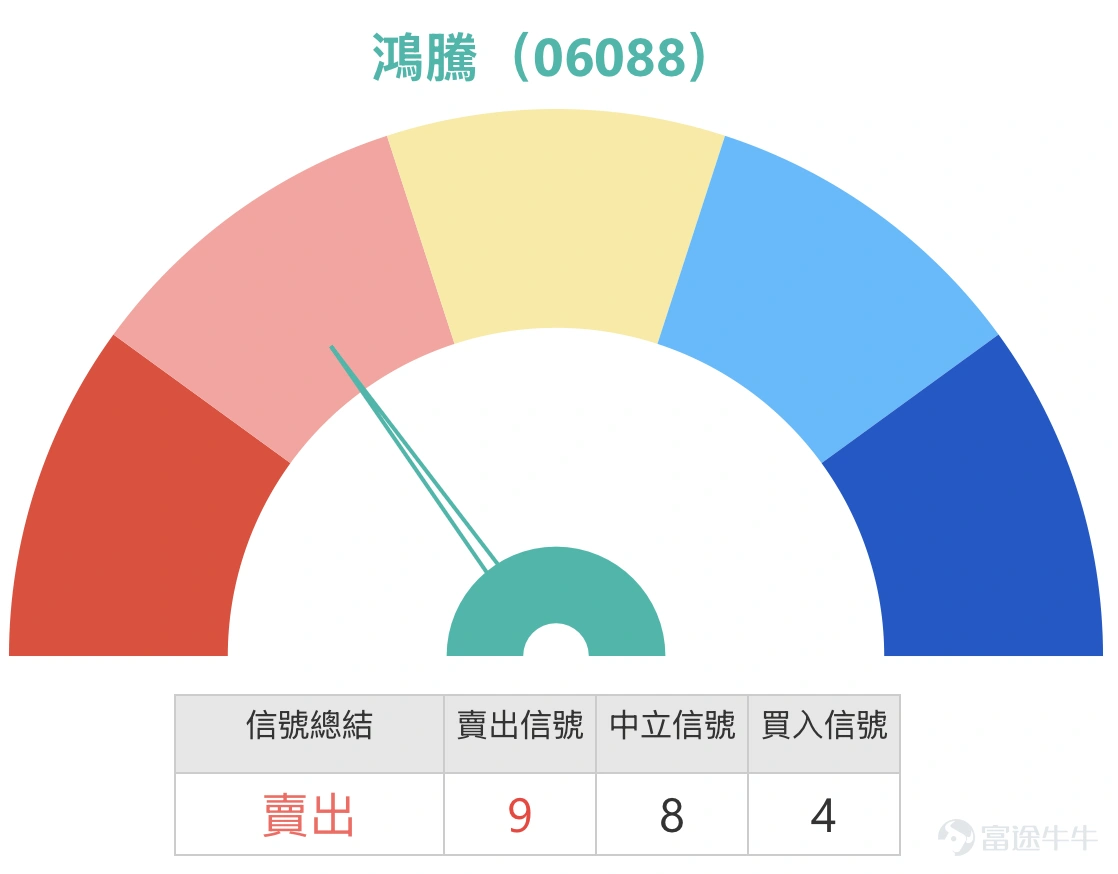
5. Foxconn Interconnect Technology (06088.HK): An investor asks whether aiming for HK$9 seems possible and if it’s still timely to enter now.
Foxconn Interconnect Technology’s current price is HK$8.04, with its recent trading range clearly established between HK$5.01 and HK$8.28, representing a total fluctuation of approximately 65.3%. Looking only at the short-term position, the stock price has already risen to the upper half of this range, near the top, meaning it is not starting from a low base but is climbing toward previous highs. Immediate support lies around HK$7.50 to HK$7.40, close to where pullbacks have found support. Below that, the next support level is between HK$7.10 and HK$7.00, and if broken, attention should shift to around HK$6.50. Resistance above is clear, with the immediate barrier being the recent high of HK$8.28. A break above this would open up targets in the HK$8.60 to HK$9.00 range.
Technically, the moving averages are trending upwards, indicating that a short- to medium-term uptrend structure has been established. The Relative Strength Index (RSI) shows strength but is also at a relatively elevated level, suggesting some short-term overheating. The Bollinger Bands are expanding, with the stock price close to the upper band, typically signifying a confirmed uptrend but also implying increased volatility. Even if the direction is correct, buying at highs carries the risk of pullbacks and fluctuations.
For the stock price to aim for HK$9, the trigger condition is clear: it must first effectively break through the recent high of HK$8.28 and not just briefly touch it intraday but sustainably hold above HK$8.00 or even HK$8.28. Only by breaking through the previous high and maintaining strength can the market extend the rally to HK$8.60 and potentially challenge HK$9. In other words, while HK$9 is not entirely out of reach, it won’t be naturally achieved from the current price; surpassing the previous high is an essential intermediate step.
Downside risks should not be overlooked either. If the stock fails to break through HK$8.28 and falls back below the support zone of HK$7.50 to HK$7.40, this would indicate insufficient buying power at higher levels, leading to a possible consolidation phase after the rise and a retest of HK$7.10 to HK$7.00. Should this support fail as well, the correction could widen, significantly reducing the short-term reward-to-risk ratio. Therefore, the priority now is not solely focusing on the target price but watching for a breakout and whether support holds during pullbacks.
Regarding warrant capital, the market currently has eight related call warrants and no put warrants, making the direction extremely one-sided. Trading is concentrated in the strike price range of HK$8.00 to HK$8.99, with the highest street-level inventory also within this range, indicating that market capital is heavily focused on near-the-money to slightly out-of-the-money call warrants. This reflects that investors generally expect further upside, with market sentiment being quite aligned. However, when funds all lean in one direction, if the underlying stock fails to make further breakthroughs, short-term profit-taking becomes more likely, as there aren’t enough opposing positions to balance the market.
Returning to the investor's question about the possibility of the stock reaching HK$9, this view is reasonable but hinges on breaking through HK$8.28 first. As for whether it’s still timely to enter now, I’d say it’s still feasible, though not an ideal entry point. The current price of HK$8.04 is very close to the previous high of HK$8.28, meaning upward potential hasn’t fully opened yet. However, failure to break through could lead to notable short-term pullback risks. Thus, this isn’t a low-risk opportunity but rather a pre-breakout setup, with a reward-to-risk ratio that’s neutral to slightly positive—not particularly high, but not too poor either. If the price can effectively break above HK$8.28, short-term targets of HK$8.60 to HK$9.00 become more reasonable. Entering before a breakout confirmation means accepting the risks of volatility and potential pullbacks at higher levels.
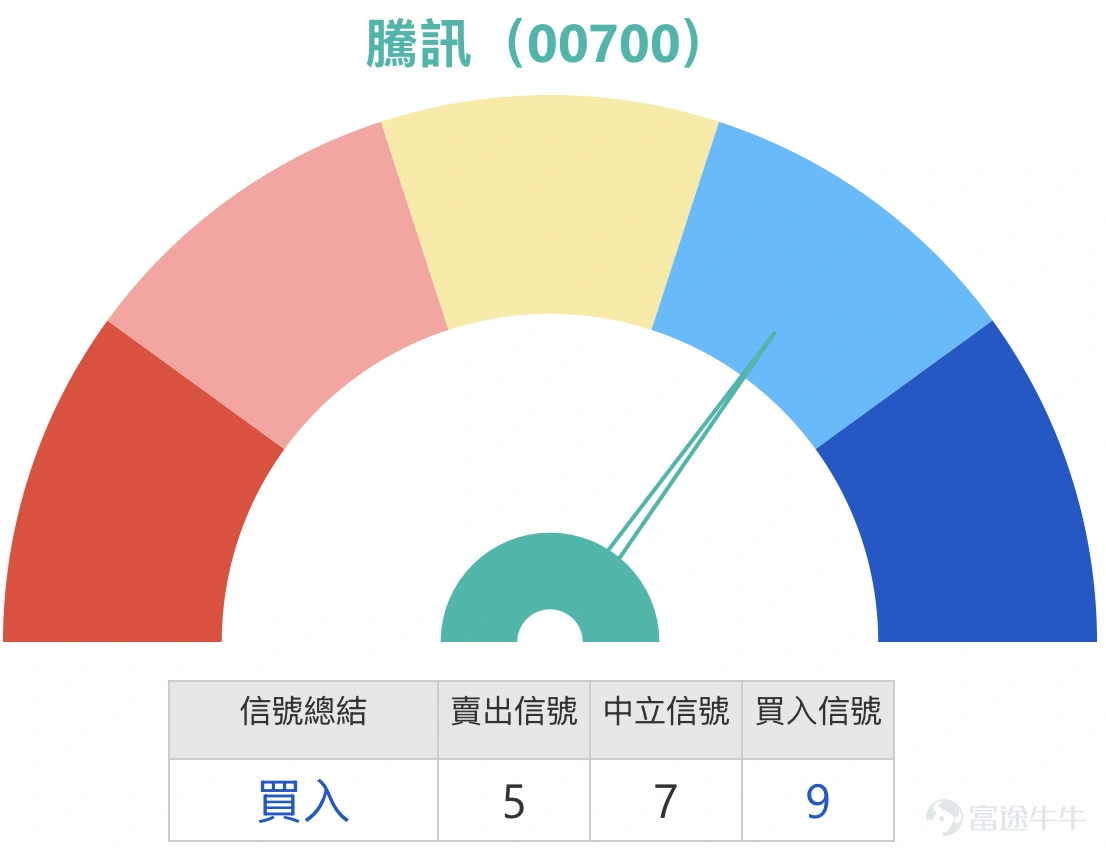
6. Tencent (00700.HK): The trend looks very weak, will the bull certificate at 500 HKD be called back? Some investors are deploying bull certificates in reverse, with a recall price of 425 HKD.
Tencent is currently trading at 505.50 HKD, with an obvious recent range between 495.20 HKD and 578.00 HKD, showing overall fluctuations of about 16.7%. The short-term position is already close to the lower end of this range, reflecting that the trend is indeed weaker. On the support side, the first level to watch is the psychological threshold of 500 HKD, followed by 495.20 HKD as a recent significant low. If these levels fail to hold, the weakness will deepen further. On the upside, initial resistance lies around 512 HKD to 513 HKD, followed by the area between 524 HKD and 529 HKD, which also aligns closely with several short- to medium-term moving averages. Failing to reclaim these levels would suggest the overall trend remains a weak rebound.
Technically, the moving averages continue to trend downward, indicating that the short- to medium-term trend has not yet reversed. The Relative Strength Index (RSI) is at a weaker level, suggesting insufficient market momentum and no significant improvement in buying pressure yet. The Bollinger Bands are narrowing, with the stock price running close to the lower band, typically indicating that while there may not be a sharp decline, the stock remains in a weaker zone and could test supports more easily if pressured again in the short term.
For a more meaningful rebound to occur, the conditions for an upward move are clear: the stock must first defend the support zone around 500 HKD and 495.20 HKD, then regain levels above 512 HKD to 513 HKD, and further break through the resistance zone between 524 HKD and 529 HKD. Only by achieving this can the market shift from a weak consolidation to a clearer rebound; otherwise, any rise is likely just a technical bounce, insufficient to alter the current weak structure.
Downside risks are equally straightforward. If the share price falls below 500 HKD, it indicates a breach of the psychological threshold; if the recent low of 495.20 HKD fails to hold afterward, it signals a further intensification of short-term weakness, potentially triggering another round of downside testing. In other words, 500 HKD itself is not absolute support but rather the first line of defense, with 495.20 HKD being the truly critical level. If both fail, short-term bearish pressure will significantly increase.
In terms of warrant flows, there are 348 related products in the market, including 283 call warrants and 65 put warrants, showing a clear skew towards call warrants. The most concentrated trading region for call warrants is in the strike price range of 620 HKD to 629.99 HKD, while for put warrants it is concentrated between 480 HKD and 489.99 HKD. Street-level distributions show the same concentration, with call warrants mainly in the 620 HKD to 629.99 HKD range and put warrants in the 480 HKD to 489.99 HKD range, reflecting a one-sided focus. This indicates that market structure still shows significant capital positioning for a rebound, but put warrants in the 480 HKD to 489.99 HKD range have clear focal points, signaling that short-term downside risks are not entirely overlooked by the market. In other words, although the overall product structure leans bullish, short-term sentiment is not completely aligned due to the underlying stock's continued weakness.
Returning to the investor’s question, judging the trend as very weak is reasonable because the current price is close to the lower end of the range, moving averages are trending downward, and RSI is weak — all indicating no sign of strengthening. Regarding whether the 500 HKD bull certificate will be called back, the answer is that there is risk, and it is not small, given the current price of only 505.50 HKD, making the distance to 500 HKD extremely close. Any slight additional pressure on the share price could easily trigger a recall of such near-price bull certificates, so 500 HKD should not be seen as a safe distance. Conversely, some investors deploying bull certificates with a recall price of 425 HKD makes more sense because 425 HKD is sufficiently far from the current price, less likely to be triggered by normal intraday volatility, making it more suitable for betting on a short-term technical rebound. However, reasonable does not equate to high value bets, as the underlying stock has not yet shown clear signs of strengthening. Even when choosing bull certificates with a farther recall price, the value bet remains neutral to cautious, not particularly attractive.
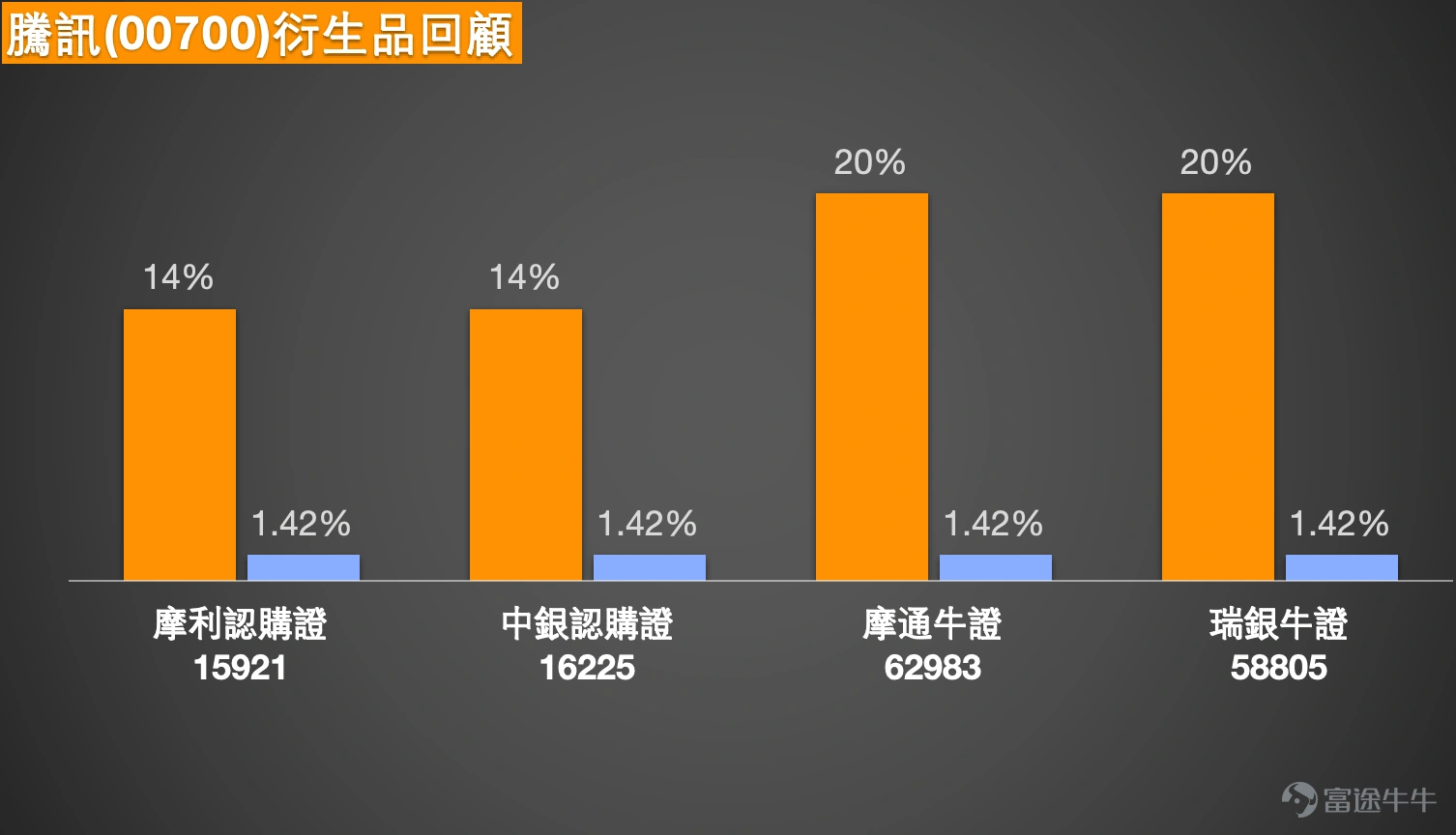
In summary, the 500 HKD bull certificate falls into a high-risk zone and could indeed be called back in the short term; the 425 HKD bull certificate is relatively safer but at this stage is more about betting on a rebound rather than riding a confirmed uptrend. Short-term betting value is not high; the true improvement condition is for Tencent to first defend 495.20 HKD and reclaim the resistance zone above 512 HKD to 529 HKD. $MSTENCT@EC2606C.C (15921.HK)$$BITENCT@EC2606A.C (16225.HK)$$JP#TENCTRC2609R.C (62983.HK)$$UB#TENCTRC2607V.C (58805.HK)$
Reminder: This article does not constitute any investment advice.
This article is for reference only and does not constitute any investment advice. Market data, opinions, and analyses contained herein may change at any time without prior notice. We are not responsible for any losses or damages caused by reliance on the information in this article. Technical analysis only indicates whether certain technical conditions are met and should be used alongside other data for a comprehensive assessment of asset performance; trading decisions should not be made solely based on this article. Note that past performance is not indicative of future results. Follow Jenny’s HK warrants for more professional insights. $Hang Seng Index (800000.HK)$$Hang Seng TECH Index (800700.HK)$$Hang Seng China Enterprises Index (800100.HK)$$HKEX (00388.HK)$$BABA-W (09988.HK)$$JD-SW (09618.HK)$
Risk Disclaimer: The above content only represents the author's view. It does not represent any position or investment advice of Futu. Futu makes no representation or warranty.Read more

Comments (7)
to post a comment
1
12