

March 19 [HK Stocks Podcast] Part 2 - Nongfu Spring, New Oriental, Yanzhou Coal Energy
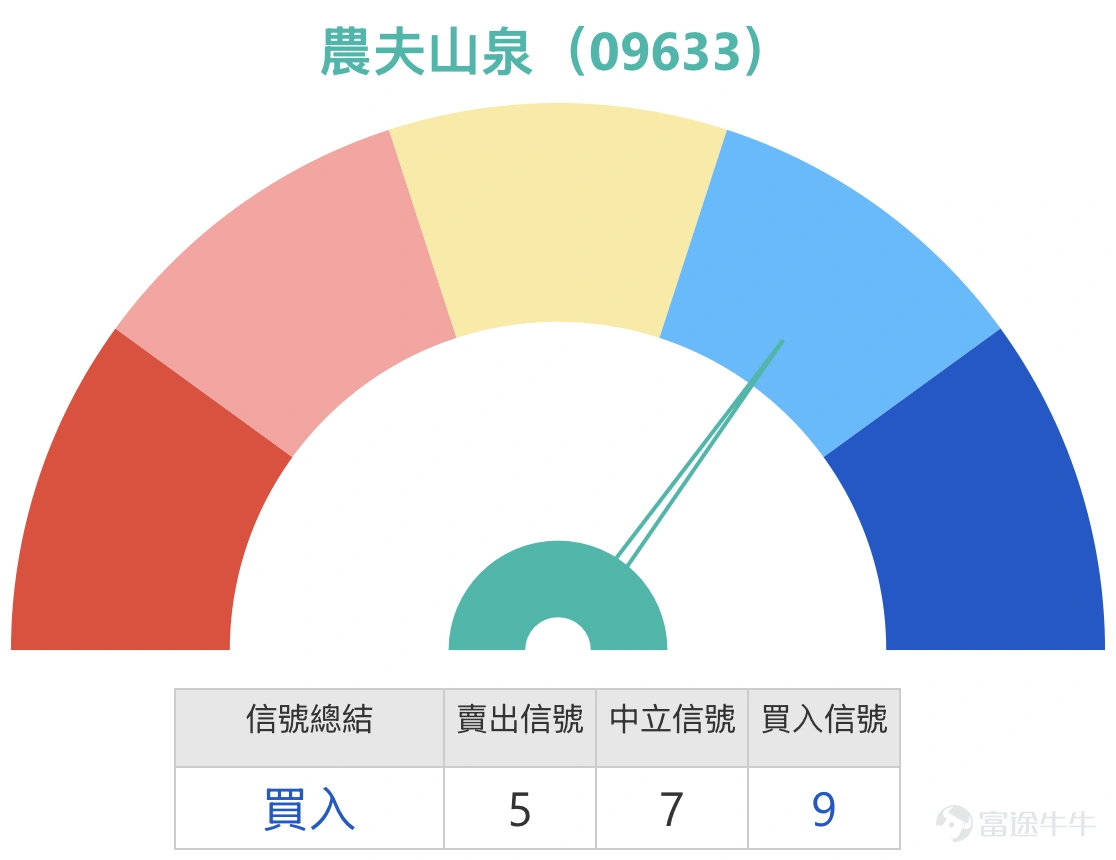
1. Nongfu Spring (09633.HK): Is it time to buy the dip? Investors are waiting for a rebound back to 45 yuan. Holding call warrants with an exercise price of 56.33 yuan.
Nongfu Spring closed at 42.96 yuan. After retreating from its high of 51.85 yuan, the stock has continued to follow a downward trend. Although there has been some initial support near 42.6 recently, there is still no clear reversal signal overall. A minor stabilization has occurred after consecutive short-term declines, and with the RSI nearing oversold levels, conditions for a technical rebound do exist. However, the issue lies in where the rebound would occur. The current price remains significantly below the 20-day moving average (around 45.2) and several other mid-term moving averages above that level, indicating that even if a rebound occurs, multiple layers of resistance will be encountered. Structurally, this remains a rebound within a weak trend rather than a restart of upward momentum.
In terms of price range, 42.0 to 42.6 has formed a short-term support zone, which is also a dense area of recent lows and close to the lower Bollinger Band, offering some defensive strength. However, resistance above is quite evident: 44 yuan serves as the first layer of short-term resistance, while 45 to 45.3 forms a more critical region. This position corresponds to both the 20-day moving average and the middle axis of the channel, meaning a significant sell-off pressure will emerge once the price rebounds to this level. The short-term betting odds thus present a typical pattern of weak rebound, leaving some room for betting on a rebound near 42 yuan. However, as the price gradually approaches the 44 to 45 yuan range, upside potential narrows, and downside risks increase simultaneously.
In the warrant market, there are only 9 products in total, with an extremely concentrated structure, all being call warrants. The strike prices are mainly distributed in the range above 44 to 50 yuan, or even higher. Calculating based on the current price of 42.96 yuan, these products are all out-of-the-money structures, implying that the existing product design assumes a certain degree of price increase is required to generate effective returns. Trading volume and open interest are also concentrated in a few products, reflecting highly concentrated capital deployment in the market, but also suggesting that if the trend does not meet expectations, price retracements may be amplified.
This structure offers a rather straightforward implication for retail investors engaging in short-term trading. When the market only provides out-of-the-money call warrants, investors are essentially 'buying time + buying direction,' rather than simply betting on a rebound. If the stock price merely recovers moderately to between HKD 44 and 45, some products will still not enter an effective sensitivity zone, and time decay will continue to erode returns; only when the stock price shows a relatively rapid upward movement, gradually approaching the strike price range, can the warrant potentially deliver better performance. Therefore, what the warrant data reflects is not simply optimism, but rather the market's expectation for a 'rebound magnitude.'
From the perspective of investors who believe that it’s possible to buy at the bottom and wait for a rebound to HKD 45, this judgment is not entirely baseless from a technical standpoint, as there indeed appears to be initial support near HKD 42, coupled with short-term oversold conditions, making a rebound likely. However, it should be noted that HKD 45 itself represents a significant resistance level, not an easily breakable position. Setting it as a target implies that it is already at the upper limit of a rebound, rather than an intermediate point. More importantly, if investors hold call warrants with a strike price of HKD 56.33, which is quite distant from the current price, even if the stock rebounds to HKD 45, the product would still be deep out-of-the-money, offering limited actual benefit while being more susceptible to time decay.
Overall, the current trend aligns more closely with 'finding rebounds in weakness' rather than 'confirming a bottom and recovery.' For short-term trading, the real advantageous positions lie near the support zones, not entering after expectations of a rebound have already formed. The structure of the warrants clearly indicates that the market’s current positioning requires a larger increase and faster pace; otherwise, even with the right direction, returns could still be eroded by time decay. As for whether to buy at the bottom, the key isn’t about whether there will be a rebound, but whether the magnitude and speed of the rebound can sufficiently support the structure of the products held.
1. New Oriental-S (09901.HK): Investors expressed that the stock has rebounded from a low position and turned upward, stabilizing above today’s low of HKD 43.98, and may first challenge the HKD 50 mark.
New Oriental-S closed at HKD 45.34. After rebounding from a low of HKD 40.40, the stock has noticeably recovered in recent sessions and reclaimed its position above the short-term moving averages, technically showing signs of stabilizing after weakness. Market sentiment suggests that continuous rebounds accompanied by improved turnover can easily give rise to a judgment of 'trend reversal,' but from an overall structural perspective, the current phase is closer to an extended low-position rebound rather than a confirmed restart of a medium-term uptrend.
The stock price has now stabilized above HKD 43.98, a level corresponding to the recent low of the pullback and close to the cluster of short-term moving averages, providing some reference value as short-term support. As long as the stock remains above the HKD 43 to 44 range, the rebound structure can continue, and market sentiment will remain mildly positive. However, the upward pressure is also clear, with resistance beginning to emerge in the HKD 45 to 46 range, while the more critical resistance lies in the HKD 46.5 to 47.5 range. This area corresponds to the top of the previous consolidation zone and the upper Bollinger Band, representing a significant checkpoint during the rebound process.
From the perspective of short-term risk-reward, the current price has rebounded from around HKD 40 to the HKD 45 level, with upside potential gradually narrowing and downside space relatively increasing. Deploying a rebound strategy near HKD 43 to 44 still presents a reasonable risk-reward ratio; however, when the price moves closer to above HKD 46, the attractiveness diminishes significantly because this area is both a dense resistance zone and a region where some short-term capital might choose to take profits. In other words, while there is still room for upside, further gains require stronger momentum to sustain; otherwise, the stock could easily transition into high-level volatility.
As for investors who believe that 'stabilization above HKD 43.98 means challenging HKD 50,' this judgment contains a key logical leap. While HKD 43.98 serves as a short-term support level and can serve as a reference point for whether the rebound structure continues, directly extrapolating from this level to HKD 50 actually skips over an entire intermediate resistance zone. As the chart shows, HKD 46 to 47.5 is already clear resistance, and the HKD 50 area is closer to the previous high, representing a target of another magnitude. In other words, unless the stock can progressively break through and stabilize above these resistance levels, directly targeting HKD 50 remains conditional and not yet an established trend.
Overall, New Oriental’s current trend has shifted from weakness to a neutral-to-strong position but is still within the rebound process rather than at the confirmed start of an uptrend. For retail investors engaged in short-term trading, the key isn’t whether there’s been a 'trend reversal,' but rather at which stage the rebound is currently at and whether the current price still offers sufficient risk-reward. When the market begins shifting from pessimism to optimism while the price simultaneously approaches resistance, it becomes necessary to cautiously evaluate the sustainability of the uptrend. If the stock can effectively break through and stabilize above the HKD 46.5 to 47.5 range, the uptrend will have the conditions to extend to higher levels; otherwise, the current phase is more likely to see fluctuations near resistance or even retest the support zone before determining the next direction.

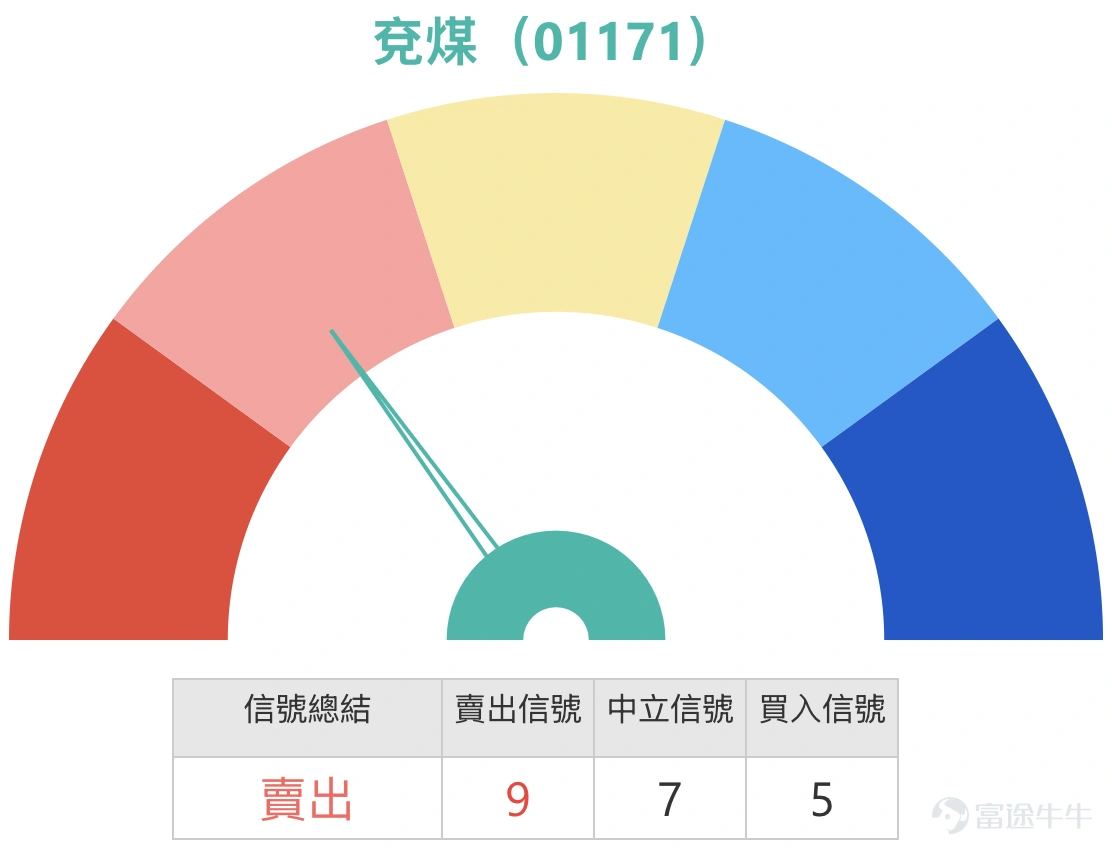
1. Yanzhou Coal Energy (01171.HK): Is it chasing highs to enter now? In the warrant market, investors hold call warrants with a strike price of HKD 17.72.
Yanzhou Energy closed at 16.63, with the stock price starting from around 9.5 and moving steadily along the upward trend line, maintaining an overall clear uptrend. After recently peaking at 17.42, a pullback occurred, currently consolidating near 16.6. Structurally, the uptrend has not been disrupted, but the position has shifted from the early stages of the rise to a high-level consolidation zone. For short-term trading funds, when the trend remains intact but the price is nearing previous highs, the key decision to enter isn't about direction but rather about timing and position.
Observing the price structure, the range between 15.5 and 16 has gradually formed short-term support, corresponding to the 10-day moving average and recent consolidation platform. As long as the stock price stays above this area, the overall uptrend can continue. Resistance lies mainly between 17.2 and 17.5, the previous high point and also where the market first saw significant profit-taking. The current price is in the upper part of the support-resistance range, indicating that the stock isn’t just starting its climb but is already close to the pressure zone edge. This changes the short-term reward-to-risk ratio: buying near 15.5-16 offers relatively ideal risk-reward; however, chasing prices above 16.5 narrows potential upside while increasing downside risks.
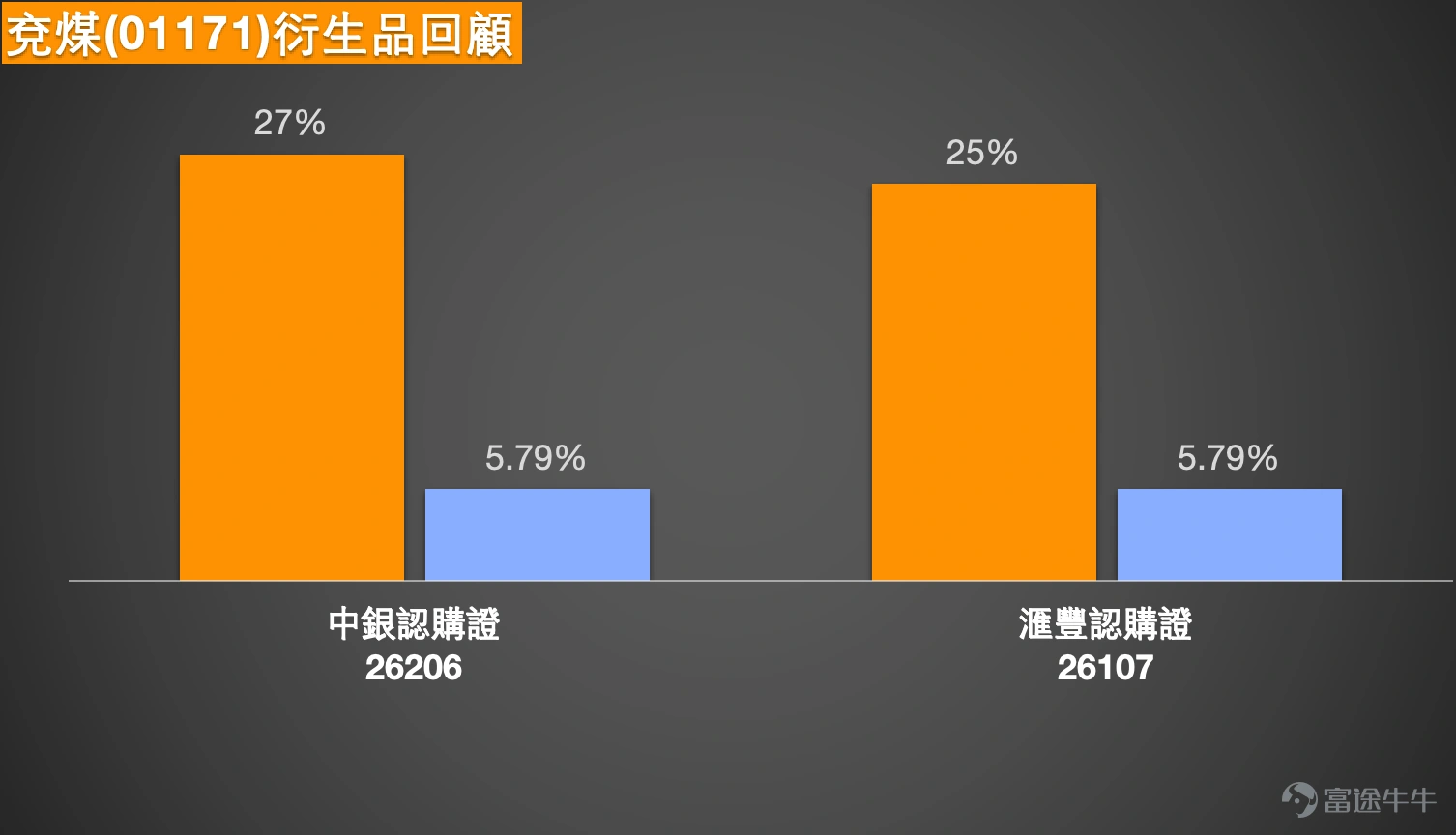
The warrant market further reflects this situation. Among the total of 35 products, call warrants dominate, showing that the market is still primarily deploying in alignment with the trend. However, trading volume and outstanding positions are highly concentrated in the strike price range of 16 to 17 yuan, i.e., products close to the current price. This concentration suggests that market participants are mainly betting on short-term continuation rather than a significant breakout. When capital focuses on near-the-money areas, these products are highly sensitive to price movements—quickly reflecting returns if the stock rises, but equally amplifying volatility if the stock fails to break through or pulls back.
Notably, some capital is distributed in the slightly out-of-the-money range of 17 to 18 yuan, indicating expectations that the stock might challenge previous highs again or even break through. However, the overall structure doesn't show heavy concentration in far-out-of-the-money zones, suggesting that the market remains cautious about a “major breakout” and isn’t uniformly strongly bullish.
For retail traders focusing on short-term plays, the practical reference value of this data lies in identifying the 'market consensus level.' When trading volume and outstanding positions concentrate in near-the-money zones, it shows strong short-term trading sentiment, meaning that if the price fails to continue rising, related products could see simultaneous position reductions or stop-losses, exacerbating volatility. In other words, the current risk isn’t a trend reversal but rather a shift in short-term rhythm.
Returning to the investor's question, 'Is it too late to enter now?' The answer depends on entry point and expectations. Based on the trend structure, the stock is still within an uptrend, so entering wouldn’t go against the trend. However, the current price is near previous highs, which places it in the later stages of the uptrend. Entering near the current price essentially means buying after a substantial rise has already occurred, making it a chase-entry with naturally lower odds of success.
Regarding holding call warrants with a strike price of 17.72 yuan, these products are slightly out-of-the-money and still have some distance from the current price. If the stock can challenge the 17.2-17.5 resistance zone again and attempt a breakout, such products may enter a more effective sensitivity zone, improving performance. However, if the stock faces pressure at the resistance zone or enters sideways consolidation, time decay will gradually erode returns. Thus, the crucial factor for holding this position isn’t whether the direction is correct but whether the stock can deliver sufficient upside in a short period.
Overall, Yanzhou Energy hasn’t weakened but is in a high-level consolidation phase within the uptrend. For short-term trading, the real advantage isn’t chasing entries at highs but instead picking up positions during pullbacks to support zones, leveraging the near-the-money structure of warrants to capture extended upside moves. When the market generally follows the trend and capital concentrates around the current price, vigilance toward shifts in short-term rhythm becomes more important than relying solely on trend judgment to determine entry timing. $BIYKENR@EC2611A.C (26206.HK)$$HSYKENR@EC2611A.C (26107.HK)$
Reminder: This article does not constitute any investment advice.
This article is for reference only and does not constitute any investment advice. The market data, opinions, and analysis contained herein may change at any time without prior notice. We are not responsible for any loss or damage caused by reliance on the information in this article. Technical analysis only shows whether certain technical conditions are met; a comprehensive assessment of asset performance should combine other data and should not solely rely on this article to make trading decisions. Please note that past performance is not indicative of future results. Follow Jenny's insights on Hong Kong stock warrants for more professional analysis.
Risk Disclaimer: The above content only represents the author's view. It does not represent any position or investment advice of Futu. Futu makes no representation or warranty.Read more

Comment (1)
to post a comment
2
13