In line with the heavy-asset cycle, YDDL is accelerating the construction of an intercontinental raw material supply network
In February this year, Goldman Sachs released a strategy report formally proposing the "HALO Effect" framework - Heavy Assets, Low Obsolescence. The report pointed out that as AI infrastructure construction accelerates and geopolitical factors drive supply chain restructuring, global capital is rapidly shifting from light-asset tech models to physical asset companies with barriers to entry that are difficult to disrupt through technology. Power infrastructure, industrial capacity, and resource networks have become the core focus of the new market phase.

The recycled metals industry serves as a quintessential example under this framework.
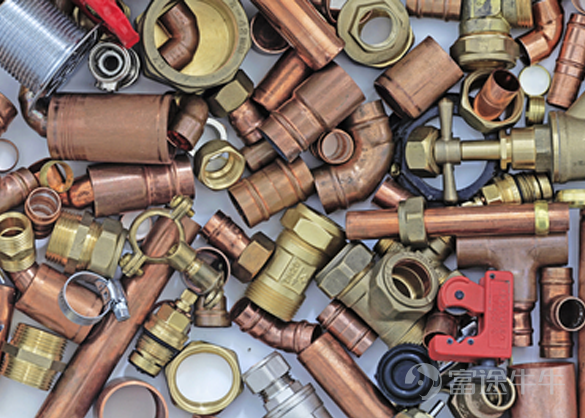
Copper is a fundamental raw material common to AI data centers, power grid expansion, and the new energy industry chain. Mine expansion cycles last over a decade, offering extremely limited short-term supply elasticity. Meanwhile, the Asia-Pacific region consumes nearly 40% of global copper production, with regional supply-demand gaps widening continuously. In this context, recycling companies capable of stably providing high-quality recycled copper are filling the supply void that mines cannot quickly address - their strategic value aligns closely with the "scarcity premium of physical assets" described in the HALO framework.
Core positioning of the company
$One and one Green Technologies (YDDL.US)$ It is currently the only licensed enterprise in the Philippines that can legally import and process hazardous waste streams for recycled metals. This regulatory permit is not easily obtainable, forming a market barrier that is difficult to replicate in the short term and serving as one of the core assets enabling the company's foothold in the Southeast Asian market. The San Rafael plant employs advanced automation technology to systematically recover valuable metals such as copper, aluminum, gold, and silver from electronic waste. Combining capital-intensive characteristics with low obsolescence features, it aligns closely with the corporate traits defined by the HALO framework.
Two transcontinental supply agreements
In early February, the company signed a purchase order with an industrial materials supplier from Osaka, Japan, involving up to 16,000 metric tons of electronic and metal waste, with a total value of approximately $17 million. Japanese electronic waste is renowned for its high metal purity and consistent composition, and gaining access to the Japanese supply chain itself represents a high technical threshold and compliance recognition, directly validating the company’s technological capabilities.
In mid-February, the company further announced a supply agreement with Recuperaciones Hermanos Huang S.L., an electronic waste recycler based in Madrid, Spain, establishing its first procurement channel in Europe. The first shipment will arrive in the Philippines from Europe. Europe is globally recognized as the source of the highest quality electronic waste, and the EU’s 2030 packaging waste recycling targets continue to drive local compliance disposal needs. The establishment of this agreement marks YDDL's formal inclusion of Europe into its global raw material sourcing map.
From a single Asia-Pacific procurement source to the successive implementation of channels in Japan and Europe, the company’s supply chain is extending across broader geographies and toward higher quality. Supply chain diversification is a core capability for recycled metal enterprises to hedge against raw material price volatility and maintain stable output. $One and one Green Technologies (YDDL.US)$ The strategic goal is to become a key link connecting high-quality waste supply from Europe with metal demand in the Asia-Pacific region.
Outlook
The fulfillment pace of the Japanese order still depends on the completion time of the other party’s export license, while the European channel is currently in its early stages. Whether the expansion of the supply chain can translate into sustained profit growth requires operational data from subsequent quarters for verification. The company will continue to transparently disclose relevant progress to shareholders and the market.
At a time when capital-intensive and scarce resources are regaining market attention, $One and one Green Technologies (YDDL.US)$ the track it operates in, the regulatory permits it holds, and the global supply chain system it is building are increasingly resonating with the industrial logic of this era.
Risk Disclaimer: The above content only represents the author's view. It does not represent any position or investment advice of Futu. Futu makes no representation or warranty.Read more

Comments
to post a comment
1