
Two major banks are both bullish—has gold passed its worst moment?

Gold prices repeatedly hit record highs: Will the upward trend continue into 2026?
On January 17, 2026, U.S. President Trump announced that tariffs would be imposed on European countries opposing his Greenland plan, escalating geopolitical tensions between the U.S. and Europe. As market risk aversion intensified, with Europe considering retaliatory measures against the tariff threat, investors flocked to safe-haven assets, driving gold prices to historic highs.
Can gold's strong performance from last year extend into 2026? Besides geopolitics, what are the key factors supporting gold prices? This article will uncover the core drivers behind gold’s rise and analyze the market outlook for investors in 2026.
Surprising Gold Performance in 2025: What Are the Driving Factors Behind It?
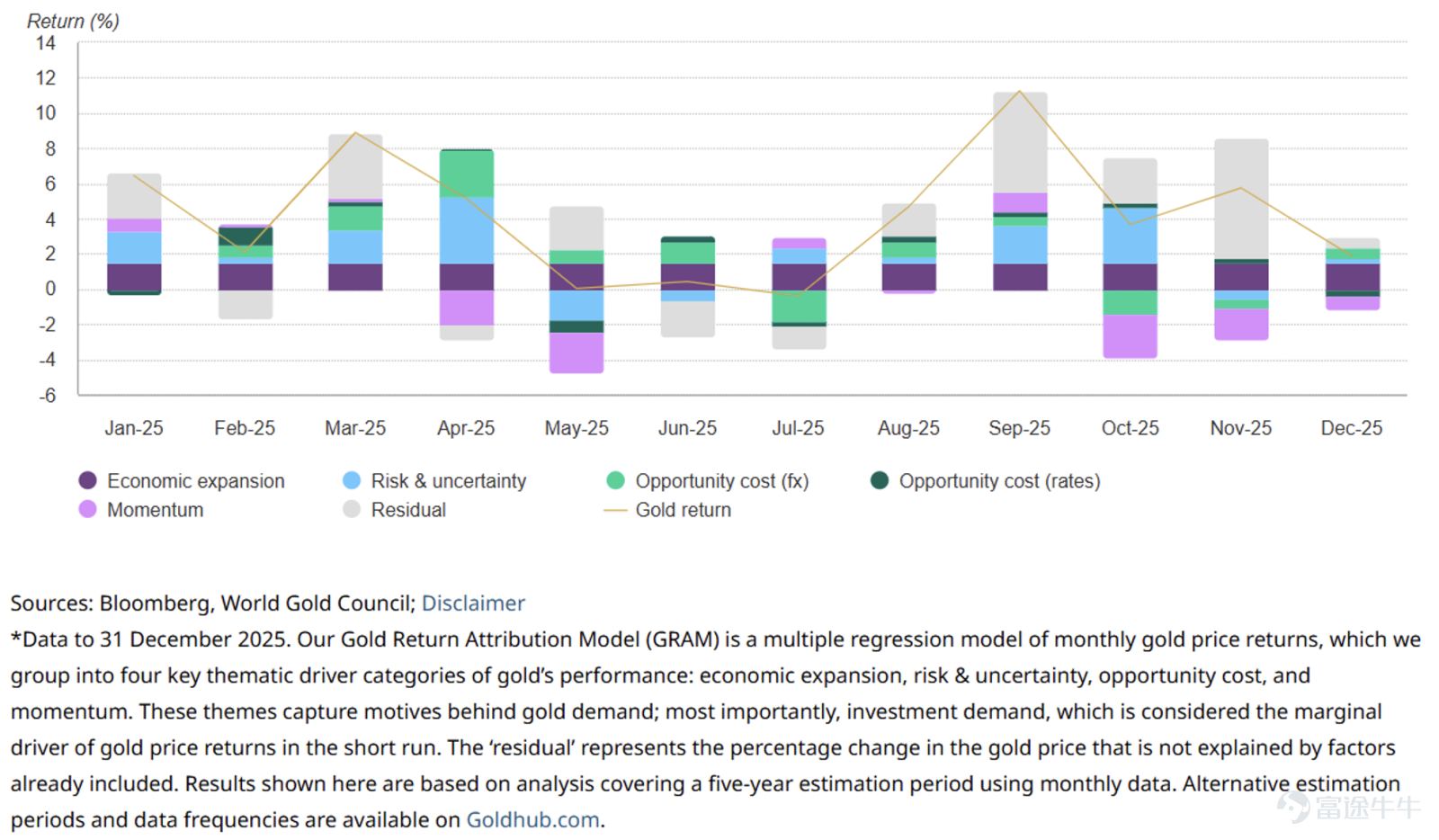
In 2025, gold performed remarkably, repeatedly hitting all-time highs, with an annual cumulative increase of approximately 65%. This upward trend was mainly driven by escalating geopolitical uncertainties, a temporarily weakening US dollar, and record-breaking gold purchases by central banks (Figure 1). Looking ahead to 2026, gold prices are likely to remain highly volatile at elevated levels, with potential for further upside in specific macro scenarios. Key factors include ongoing geopolitical and systemic risk premiums, shifts in the US dollar system, and continued allocation by professional and institutional investors.
Institutional investors continue to allocate to gold.
Figure 1. Rising uncertainty, a weaker US dollar, and investment demand are the main factors driving gold prices higher.
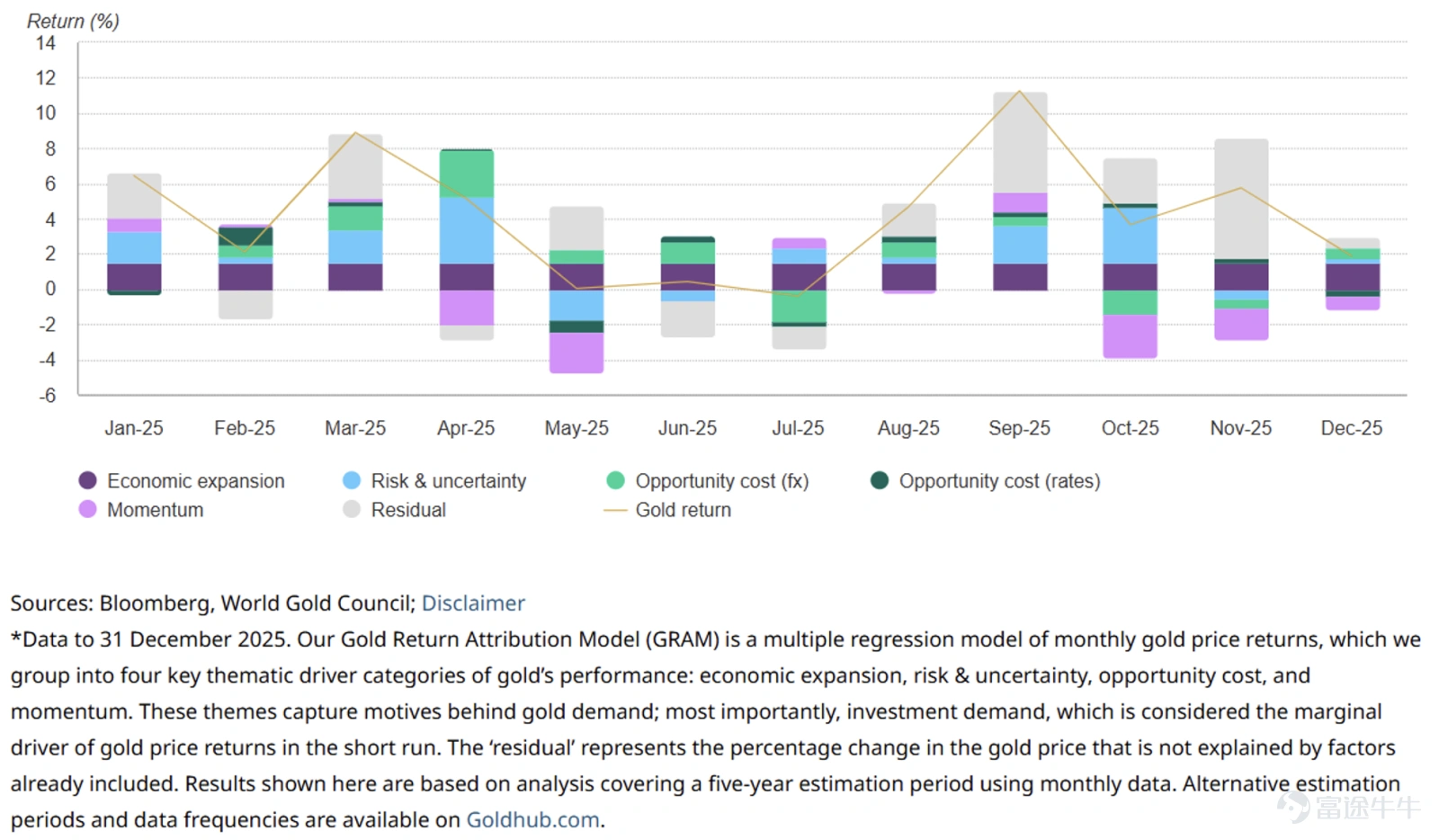
Source: Bloomberg, World Gold Council, data as of December 31, 2025.
"Against the Textbook": The Interest Rate-Gold Relationship in 2025
For a long time, gold has been considered a tool to hedge against inflation, showing an inverse relationship with the US dollar and real interest rates. However, the market dynamics in 2025 deviated significantly from this historical pattern: despite the Federal Reserve’s cumulative rate cuts of 175 basis points, persistent inflation driven by tariffs, energy prices, and fiscal expansion caused real interest rates to rise by 51 basis points for the year (Figure 2). Under these conditions, gold prices continued to reach new highs, demonstrating a structural decline in gold's sensitivity to real interest rates (Figure 3).
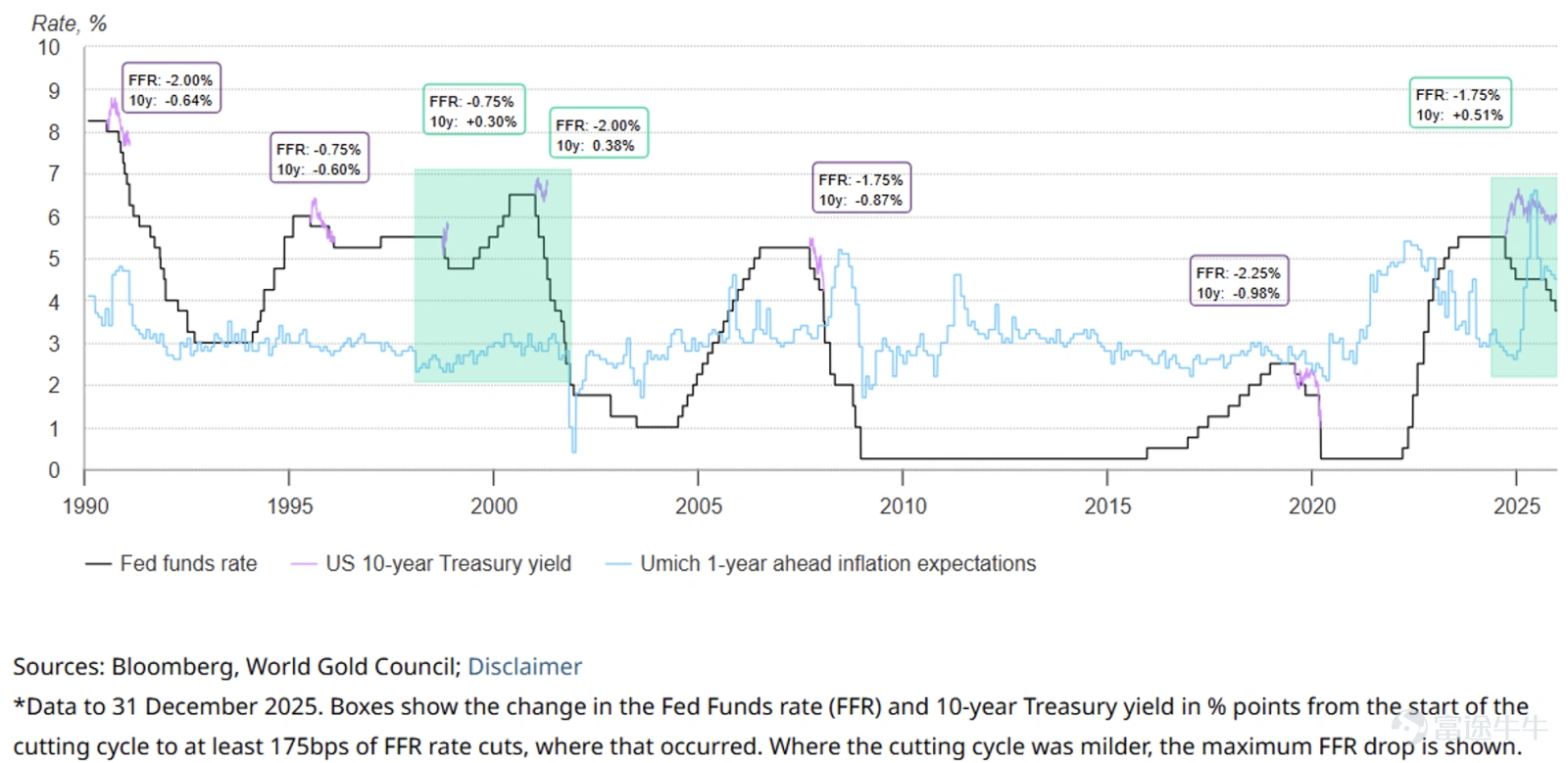
Figure 2. Real interest rates abnormally rise despite the Fed's rate cuts. Source: Bloomberg, World Gold Council, data as of December 31, 2025.
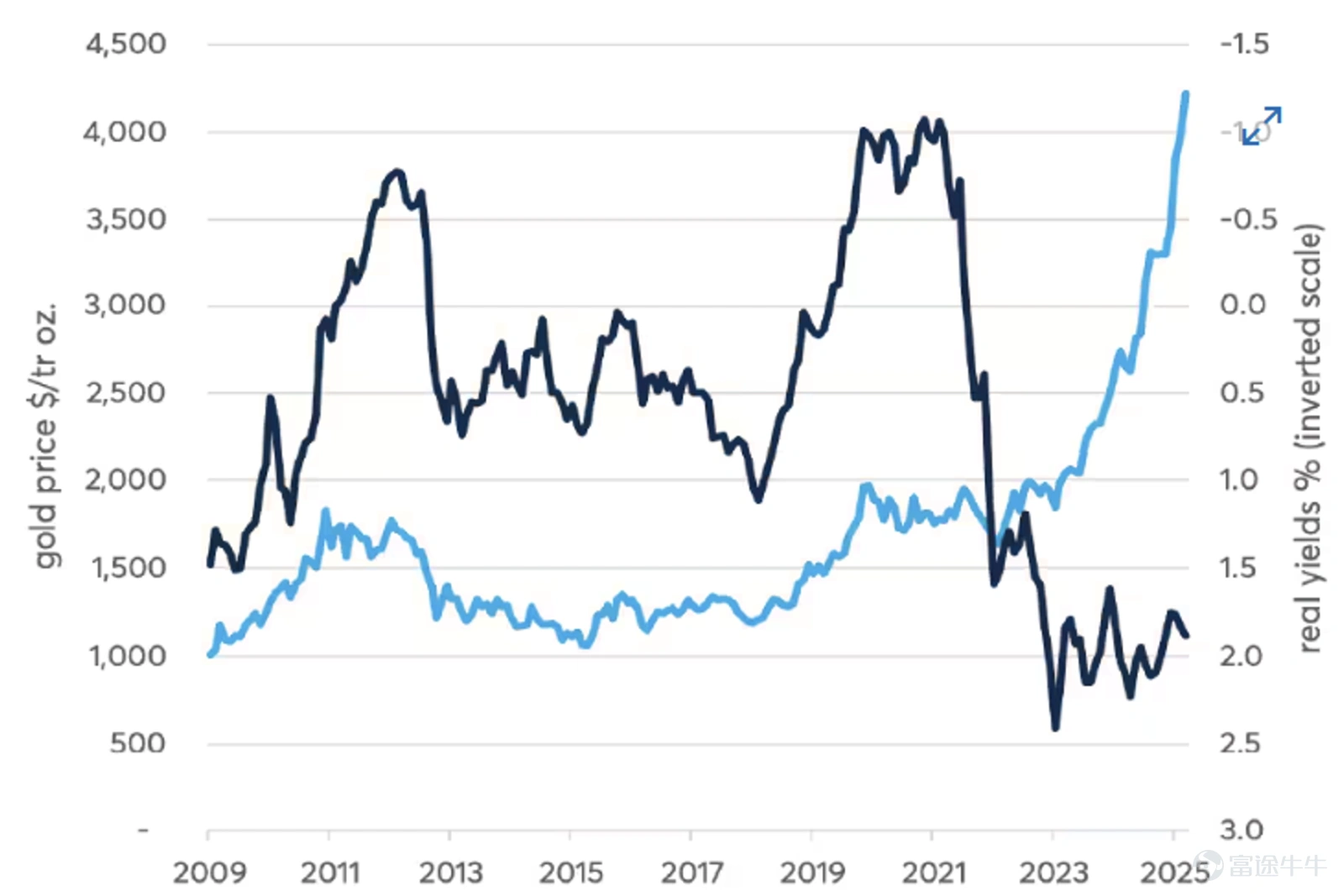
Figure 3. Gold prices and real interest rates unexpectedly rise together. Source: CME Group, January 7, 2026.
Short-term Outlook: High Risk Premium Amid Range-bound Volatility
From a strategic perspective, ongoing uncertainties regarding global growth and policy direction will continue to support gold prices in 2026, with potential for further upside. Gold is increasingly becoming the preferred geopolitical hedge for central banks and sovereign institutions, especially amid rising risks of geopolitical conflicts, sanctions, and reserve freezes (Figure 4). The trajectory of the Russia-Ukraine conflict, Iran tensions, U.S. policy toward Venezuela, and geopolitical focal points surrounding strategic areas like Greenland still lack clear resolution frameworks. Any escalation could swiftly heighten concerns over energy and sovereign security, thereby increasing gold’s geopolitical risk premium.
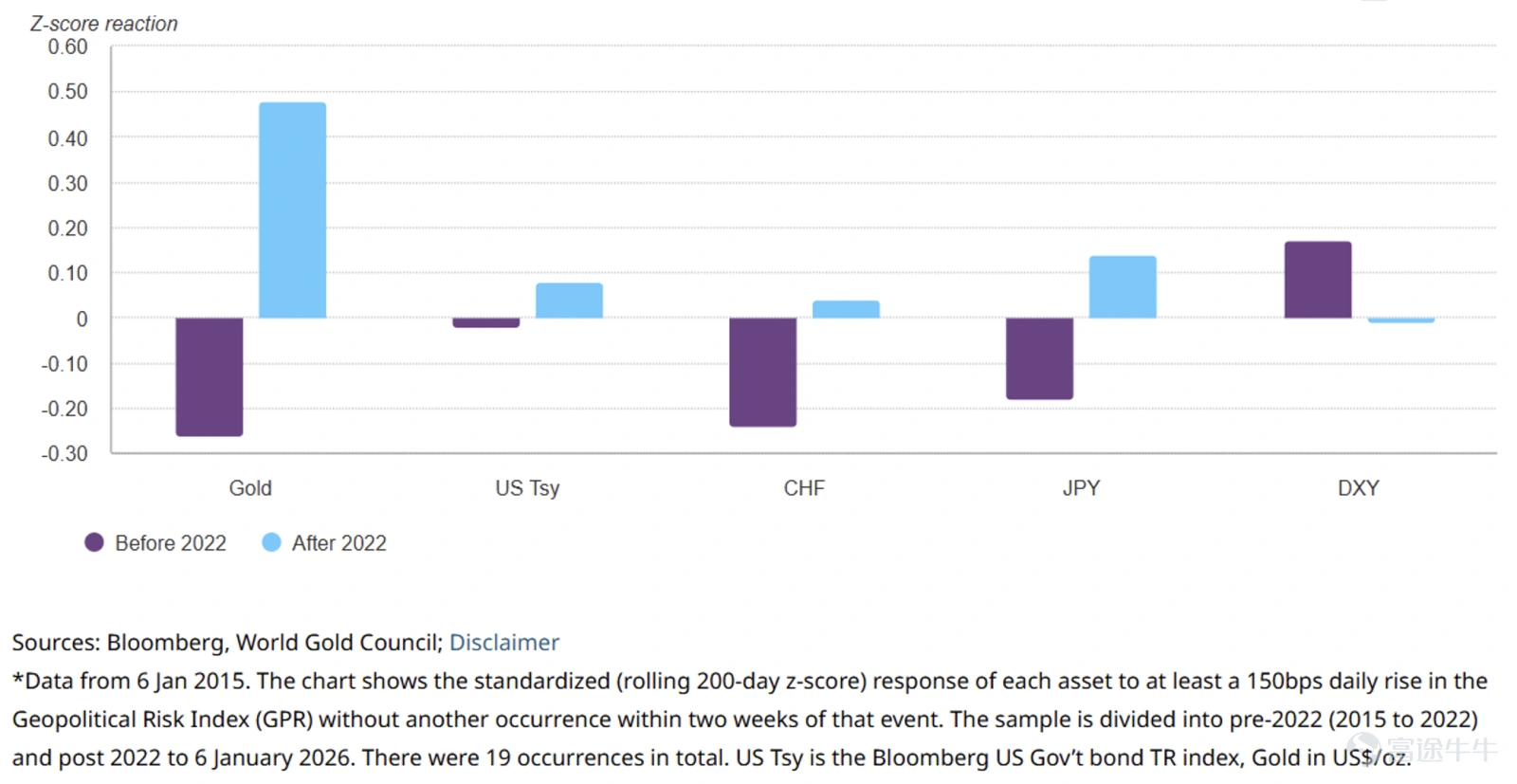
Figure 4. Gold becomes the top choice for geopolitical risk hedging assets. Source: Bloomberg, World Gold Council, data as of December 31, 2025.
Furthermore, uncertainty at both economic and institutional levels continues to rise. Legal and political scrutiny of the Federal Reserve’s independence—including potential criminal charges against Chair Powell and a Supreme Court case involving Governor Cook—has introduced unprecedented uncertainty into monetary policy governance. Markets are gradually pricing in scenarios involving heightened political influence on policies, prolonged inflation, and less predictable interest rate paths. More critically, if the Supreme Court affirms or expands the application of the International Emergency Economic Powers Act (IEEPA) to tariffs and sanctions, the U.S. may impose trade and financial restrictions more frequently, exacerbating volatility in global trade, foreign exchange markets, and inflation. Even without full implementation, the persistence of these risks solidifies gold’s role as a hedge against policy and institutional uncertainty.
Long-term Drivers: Structural Demand and Supportive Monetary Policy
In the medium to long term, gold prices are expected to show a moderate but sustained upward trajectory supported by accommodative monetary policy and deepening structural demand. As U.S. inflation receded to approximately 2.7% in December 2025 and labor markets showed signs of weakening, the Federal Reserve is expected to maintain a relatively accommodative policy stance. In a scenario of continued rate cuts, real interest rates may retreat from recent highs, helping reduce the opportunity cost of holding gold.
Gold will continue to receive structural support from official and institutional demand. A survey conducted by the World Gold Council at the beginning of 2025 revealed that 95% of central banks plan to increase their gold reserves in the coming year. Notably, major emerging economies such as China, Brazil, and Mexico still hold gold reserves below 20% of their total reserves (Figure 5). Research by the Bank for International Settlements in 2020 indicated that for commodity-exporting countries and emerging market central banks, maintaining gold reserves above this threshold can significantly enhance currency resilience to exchange rate risks, offering considerable potential for further accumulation.
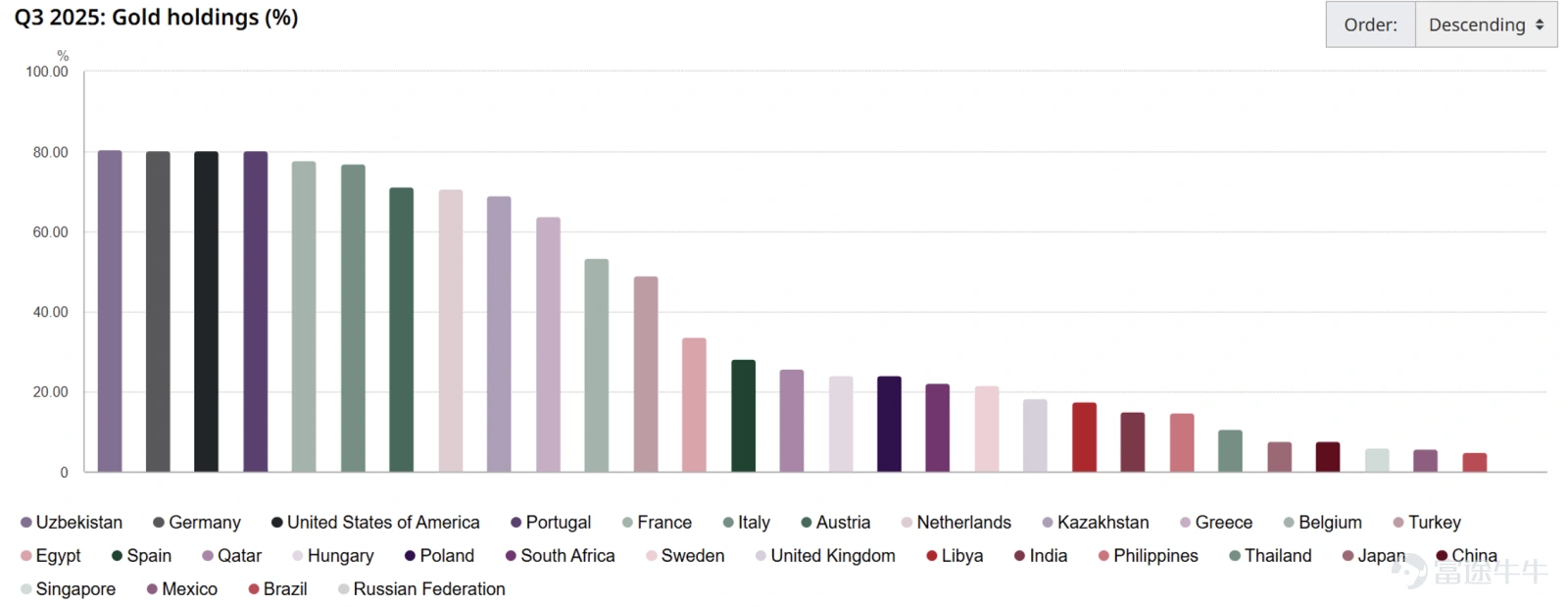
Figure 5. Central banks’ gold holdings of major countries in Q3 2025. Source: World Gold Council, data as of September 30, 2025.
Meanwhile, institutional and retail demand is strengthening with policy support. In February 2025, China launched a pilot program allowing insurance funds to invest in gold; subsequently, in December, India also approved pension funds to invest in gold ETFs. These cross-regional policy changes are gradually unleashing structural demand, providing strong support for the steady rise of gold prices in the medium to long term.
Overall, gold has entered 2026 in a relatively strong position, with recent prices breaking through the $4,600 per ounce mark, setting a new all-time high. This is driven by both cyclical uncertainties and structural tailwinds. Amidst evolving macroeconomic and geopolitical conditions, higher volatility will likely persist, but from an asset allocation perspective, maintaining and selectively increasing strategic gold exposure remains attractive for portfolio diversification.
Disclaimer
This material is provided by MicroBit Capital Management Limited (“MicroBit”) for reference by Hong Kong investors only. All content is for general informational purposes and does not constitute an offer, solicitation, or recommendation to buy or sell any financial instruments, nor does it constitute legal, financial, tax, or investment advice. Investment involves risks, and the value of investments may go up or down. Investors may lose part or all of their invested capital. Past performance is not indicative of future results. Before making any investment decisions, investors should carefully consider their investment objectives and risk tolerance and consult a professional financial advisor for appropriate advice.
MicroBit does not guarantee the accuracy, timeliness, completeness, or reliability of the information provided. All materials are provided “as is” without any warranties of any kind, including but not limited to merchantability, fitness for a particular purpose, or non-infringement. Investors should use this information with caution and be aware of its possible limitations. Unless otherwise specified, certain views and recommendations are compiled by MicroBit based on publicly available data and market experience.
Authorization by the Securities and Futures Commission ("SFC") does not constitute a recommendation or endorsement of any investment plan, nor does it guarantee its commercial value or performance. This material has not been reviewed by the SFC and is provided for reference only. Before making any investment, investors should carefully read the relevant terms, conditions, and disclosure documents and ensure they fully understand the risks involved. If in doubt, please consult a professional for further assistance.
Copyright©️2026 Xiao Fei Asset Management Co., Ltd. All rights reserved.
Risk Disclaimer: The above content only represents the author's view. It does not represent any position or investment advice of Futu. Futu makes no representation or warranty.Read more
Comments
to post a comment