English
Back
Open Account
Hong Kong-listed AI 'twin leaders' see active trading! How to position in the AI sector for the Year

港股窩輪Jenny
joined discussion · Jan 22 08:26

January 21 [Hong Kong Stock Podcast] Hang Seng Index, Bilibili, Sunny Optical, Baidu, Shandong Gold, CNOOC

Simon: Hello everyone, we're back to review the situation in the Hong Kong stock market. Regarding the Hong Kong stock market, first let’s talk about the Hang Seng Index. Today (January 21), it finally rebounded, though the increase wasn’t as strong as before and hasn’t reached the 20,000-point mark yet. In terms of closing price, the Hang Seng Index closed near 26,585 points. As for trading volume, there was some recovery compared to the previous two trading days. Although today’s overall increase wasn’t particularly large, at least it reversed the downward trend of the past few days, and the market condition was relatively stable.
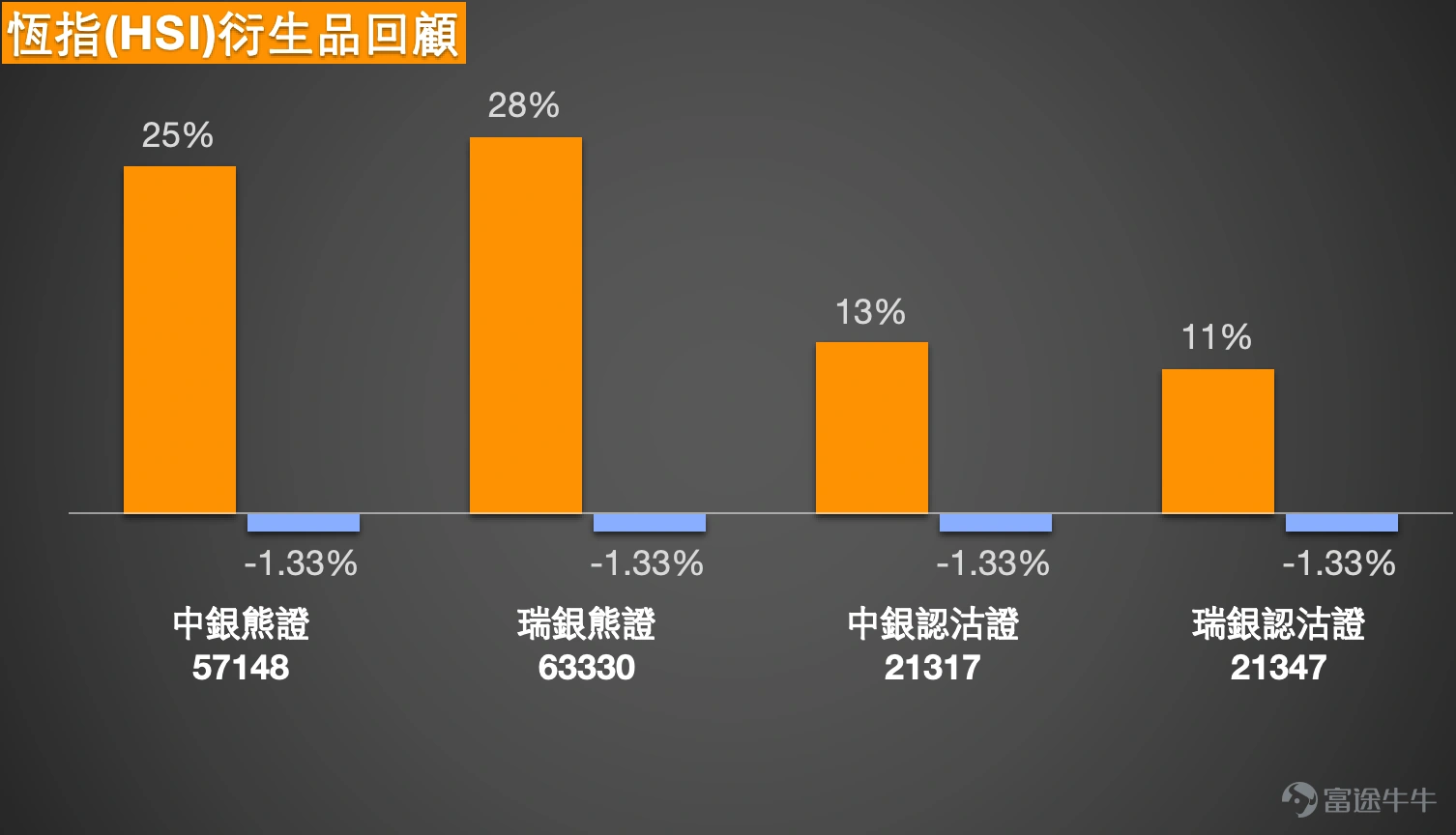
1. Hang Seng Index $Hang Seng Index (800000.HK)$: How to choose between bull and bear warrants under diverging bullish and bearish views? (Bullish aiming for 27,000 points, bearish leaning towards bear warrants)
Investors who are optimistic about the future market believe that the Hang Seng Index has the potential to continue toward 27,000 points, so they will continue holding bull warrants overnight. Of course, there are also investors with the opposite view, thinking that although it rose, it might not hold steady afterward, thus finding bear warrants a safer choice.
In fact, it's normal to have both bullish and bearish views in the market. Regardless of which direction you choose, the most important thing is to consider safety when selecting products, simply put, whether the product could be called back and what the basis for recalling the product is. This is crucial because even if you’re happy when your prediction is correct, being able to stop losses in time when you’re wrong is key. Most Hang Seng Index investors participate in bull and bear warrant trading. If they predict incorrectly and cannot exit in time, either they have to accept losses and leave or they bought overly close-to-the-money products, meaning no one would take over when things go south. So while direction is important, product selection is another key point; often whether you make money or not depends on whether you’ve chosen the right product.
Based on the data analysis, the short-term trend of the Hang Seng Index (HSI) is slightly positive with more “buy” signals than “sell” ones – there are 8 buy signals and 6 sell signals. The support level is around 25,900 points. If you want to buy bull contracts, choosing products with a recovery price below 25,900 points would be relatively safer. You could even consider products closer to 25,600 points. Although the leverage for such products might be slightly lower, most products in the market at 25,600, 25,500, or even 25,400 points offer leverage between 22x to 24x, which is still not low. Moreover, if you can choose products with a further recovery price while having similar leverage, their hedging ability will be stronger, and the probability of reaching the recovery price will be lower. This is why we often use the support level, second support level, or resistance levels as criteria for selecting products.
The current resistance level for the HSI is approximately at 27,000 points, with the next resistance level around 27,500 points. For bearish investors who are considering bear contracts, products close to 27,500 points could be an option, as the leverage for these products is also fairly high, some reaching up to 25x or 26x. However, I would like to remind everyone to compare the terms of different products, including leverage, premium, and recovery price, to make smarter choices and avoid unnecessary recovery risks. Of course, it’s encouraged that investors have their own method to calculate support levels, resistance levels, and distances to recovery prices. If not, you can refer to our big data analysis results. $BI#HSI RP28033.P (57148.HK)$$UB#HSI RP2802F.P (63330.HK)$$BI-HSI @EP2603C.P (21317.HK)$$UB-HSI @EP2603C.P (21347.HK)$
Simon: Hello everyone, we're back to review the situation in the Hong Kong stock market. Regarding the Hong Kong stock market, first let’s talk about the Hang Seng Index. Today (January 21), it finally rebounded, though the increase wasn’t as strong as before and hasn’t reached the 20,000-point mark yet. In terms of closing price, the Hang Seng Index closed near 26,585 points. As for trading volume, there was some recovery compared to the previous two trading days. Although today’s overall increase wasn’t particularly large, at least it reversed the downward trend of the past few days, and the market condition was relatively stable.  1. Hang Seng Index $Hang Seng Index (800000.HK)$: How to choose between bull and bear warrants under diverging bullish and bearish views? (Bullish aiming for 27,000 points, bearish leaning towards bear warrants) Investors who are optimistic about the future market believe that the Hang Seng Index has the potential to continue toward 27,000 points, so they will continue holding bull warrants overnight. Of course, there are also investors with the opposite view, thinking that although it rose, it might not hold steady afterward, thus finding bear warrants a safer choice.  In fact, it's normal to have both bullish and bearish views in the market. Regardless of which direction you choose, the most important thing is to consider safety when selecting products, simply put, whether the product could be called back and what the basis for recalling the product is. This is crucial because even if you’re happy when your prediction is correct, being able to stop losses in time when you’re wrong is key. Most Hang Seng Index investors participate in bull and bear warrant trading. If they predict incorrectly and cannot exit in time, either they have to accept losses and leave or they bought overly close-to-the-money products, meaning no one would take over when things go south. So while direction is important, product selection is another key point; often whether you make money or not depends on whether you’ve chosen the right product.
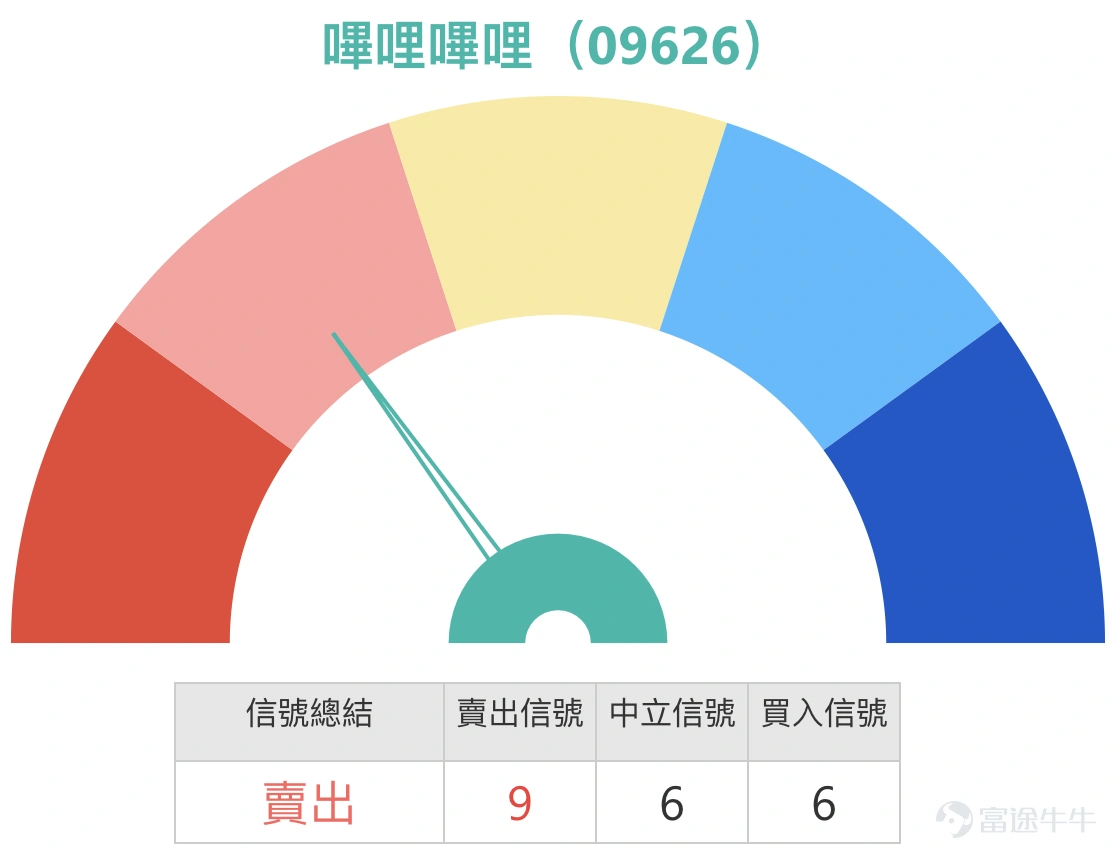
1. Bilibili-W (09626.HK) $BILIBILI-W (09626.HK)$: Breakthrough above 247 HKD heading towards 253 HKD? Investors flip to buy puts.
Today (21st), Bilibili's stock price rebounded somewhat. Since January this year, the share price has been moving along the upper band of the Bollinger Bands, once reaching a high of 262 HKD. Afterward, there was some pullback, closing at 248.8 HKD, with an increase of over 2%. Some investors believe that after breaking through 247 HKD, the price could rise further to around 253 HKD. However, in the warrants market, some investors have already started flipping to buy put warrants, concerned about potential downside risks. From a technical perspective, short-term signals mainly indicate “sell,” with 9 sell signals and 6 buy signals. If the uptrend continues, the resistance level is at 262 HKD.
Simon: Hello everyone, we're back to review the situation in the Hong Kong stock market. Regarding the Hong Kong stock market, first let’s talk about the Hang Seng Index. Today (January 21), it finally rebounded, though the increase wasn’t as strong as before and hasn’t reached the 20,000-point mark yet. In terms of closing price, the Hang Seng Index closed near 26,585 points. As for trading volume, there was some recovery compared to the previous two trading days. Although today’s overall increase wasn’t particularly large, at least it reversed the downward trend of the past few days, and the market condition was relatively stable.  1. Hang Seng Index $Hang Seng Index (800000.HK)$: How to choose between bull and bear warrants under diverging bullish and bearish views? (Bullish aiming for 27,000 points, bearish leaning towards bear warrants) Investors who are optimistic about the future market believe that the Hang Seng Index has the potential to continue toward 27,000 points, so they will continue holding bull warrants overnight. Of course, there are also investors with the opposite view, thinking that although it rose, it might not hold steady afterward, thus finding bear warrants a safer choice.  In fact, it's normal to have both bullish and bearish views in the market. Regardless of which direction you choose, the most important thing is to consider safety when selecting products, simply put, whether the product could be called back and what the basis for recalling the product is. This is crucial because even if you’re happy when your prediction is correct, being able to stop losses in time when you’re wrong is key. Most Hang Seng Index investors participate in bull and bear warrant trading. If they predict incorrectly and cannot exit in time, either they have to accept losses and leave or they bought overly close-to-the-money products, meaning no one would take over when things go south. So while direction is important, product selection is another key point; often whether you make money or not depends on whether you’ve chosen the right product.
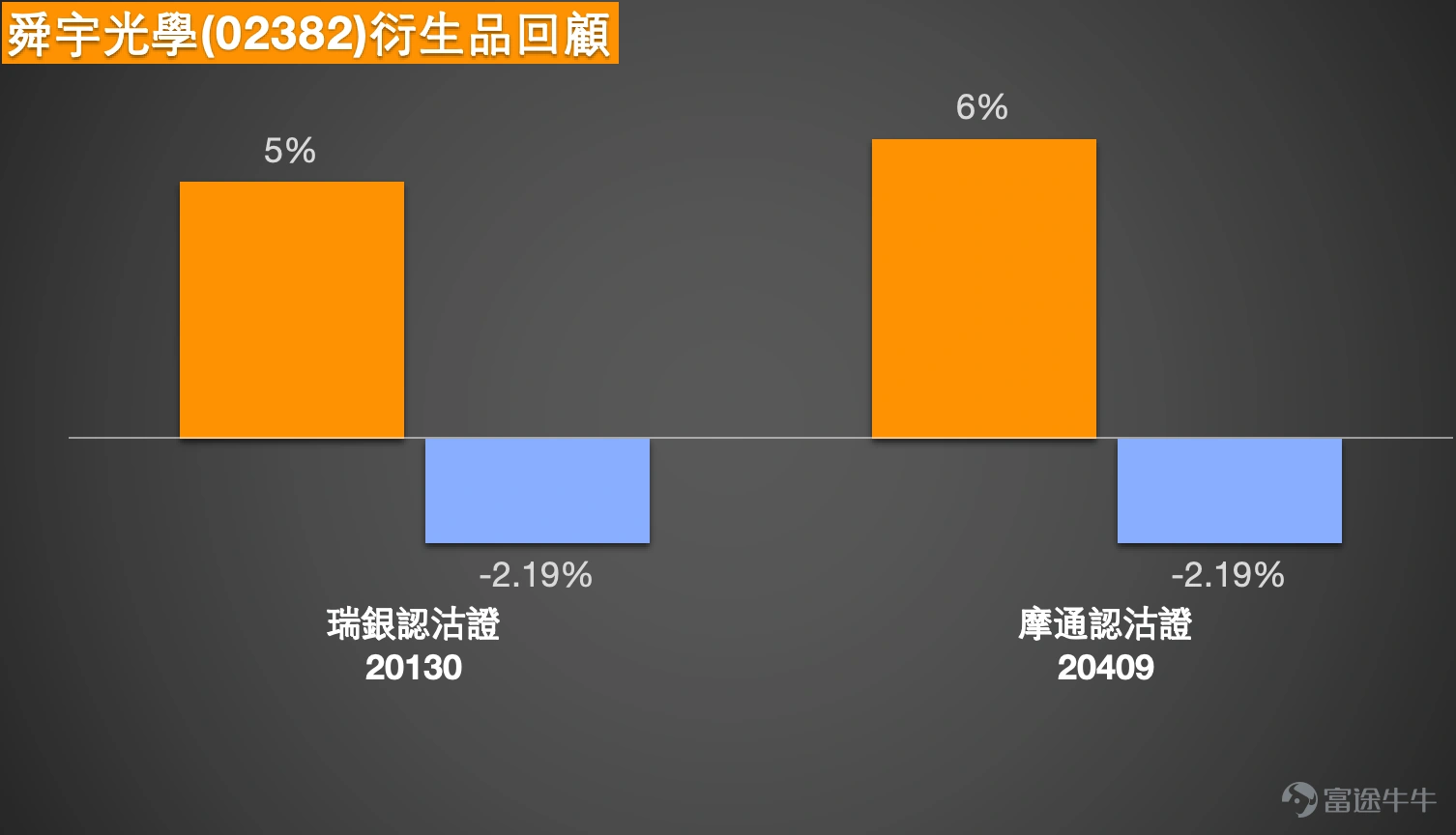
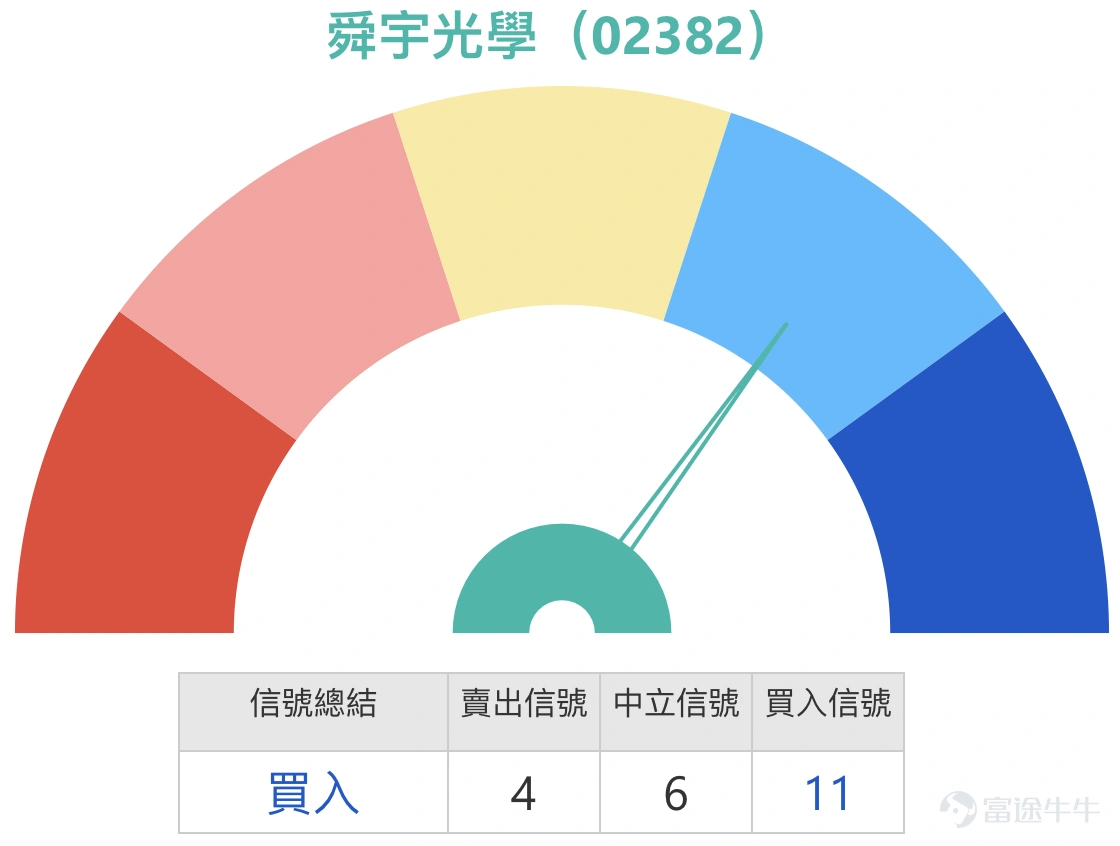
1. Sunny Optical (02382.HK) $SUNNY OPTICAL (02382.HK)$: Add positions at 63 HKD or exit in the 60s? Market divided opinions
Sunny Optical’s stock price also rebounded today (21st), hitting a low of 61.75 HKD during the session but closed at 63.95 HKD. Over the recent period, the share price has been fluctuating narrowly between 62 HKD and 68 HKD, a situation that began last December. Although it previously reached a high of 82 HKD, the recent sideways movement may disappoint some investors. Opinions among investors are polarized: bearish investors are rather pessimistic, believing the stock price may fall to 50 HKD before stabilizing; bullish investors, however, think that if the stock can stabilize above 63 HKD, they should consider gradually adding positions. Technically, if the stock falls below 61.9 HKD, it may test 58.9 HKD. In the short term, the technical signals are primarily “buy,” with 11 buy signals and 4 sell signals. If the upward trend continues, the resistance level is at 66.4 HKD, and a breakout could push it towards 69 HKD. $UB-SUNY@EP2605A.P (20130.HK)$$JP-SUNY@EP2604A.P (20409.HK)$
Simon: Hello everyone, we're back to review the situation in the Hong Kong stock market. Regarding the Hong Kong stock market, first let’s talk about the Hang Seng Index. Today (January 21), it finally rebounded, though the increase wasn’t as strong as before and hasn’t reached the 20,000-point mark yet. In terms of closing price, the Hang Seng Index closed near 26,585 points. As for trading volume, there was some recovery compared to the previous two trading days. Although today’s overall increase wasn’t particularly large, at least it reversed the downward trend of the past few days, and the market condition was relatively stable.  1. Hang Seng Index $Hang Seng Index (800000.HK)$: How to choose between bull and bear warrants under diverging bullish and bearish views? (Bullish aiming for 27,000 points, bearish leaning towards bear warrants) Investors who are optimistic about the future market believe that the Hang Seng Index has the potential to continue toward 27,000 points, so they will continue holding bull warrants overnight. Of course, there are also investors with the opposite view, thinking that although it rose, it might not hold steady afterward, thus finding bear warrants a safer choice.  In fact, it's normal to have both bullish and bearish views in the market. Regardless of which direction you choose, the most important thing is to consider safety when selecting products, simply put, whether the product could be called back and what the basis for recalling the product is. This is crucial because even if you’re happy when your prediction is correct, being able to stop losses in time when you’re wrong is key. Most Hang Seng Index investors participate in bull and bear warrant trading. If they predict incorrectly and cannot exit in time, either they have to accept losses and leave or they bought overly close-to-the-money products, meaning no one would take over when things go south. So while direction is important, product selection is another key point; often whether you make money or not depends on whether you’ve chosen the right product.
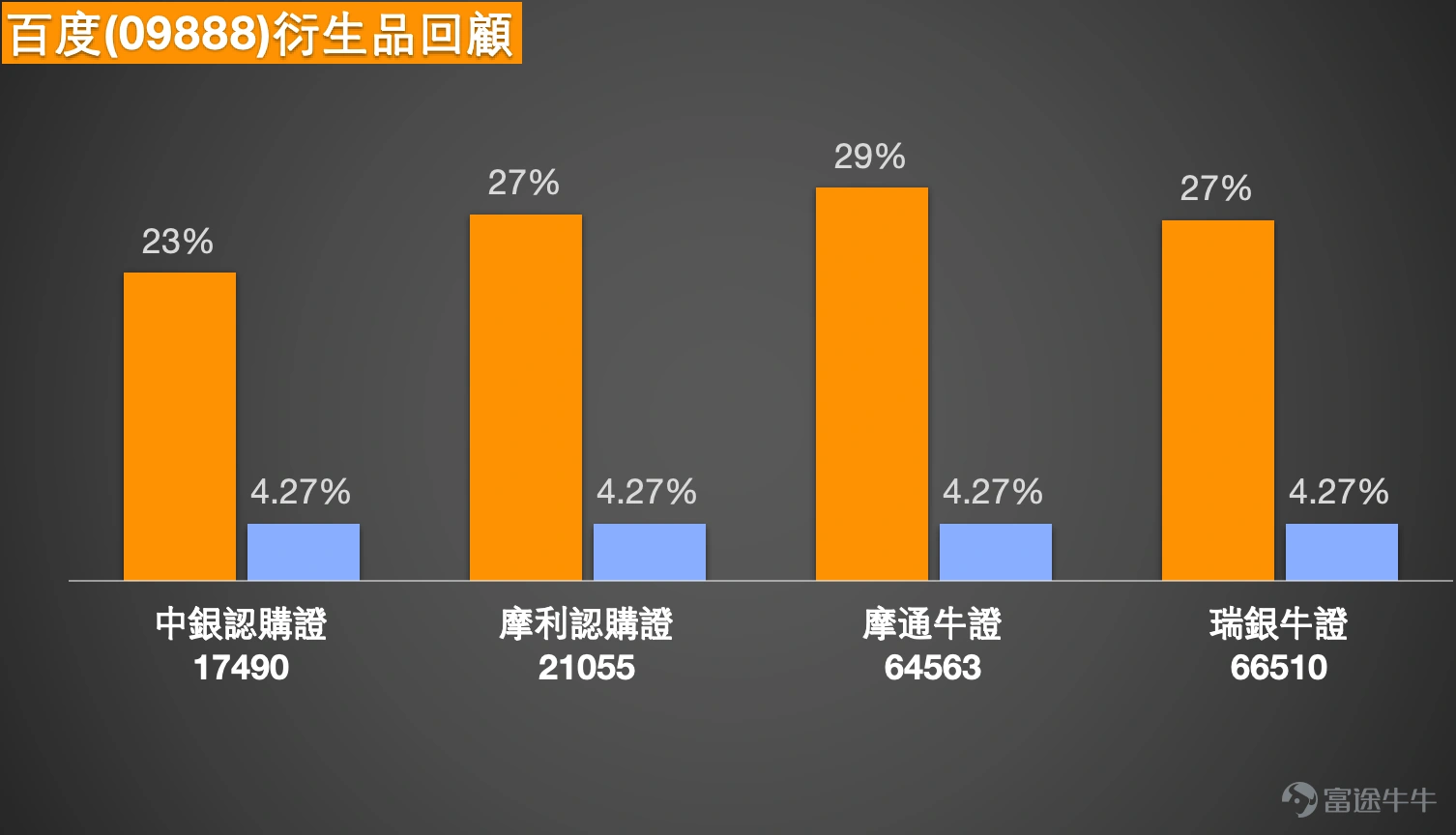
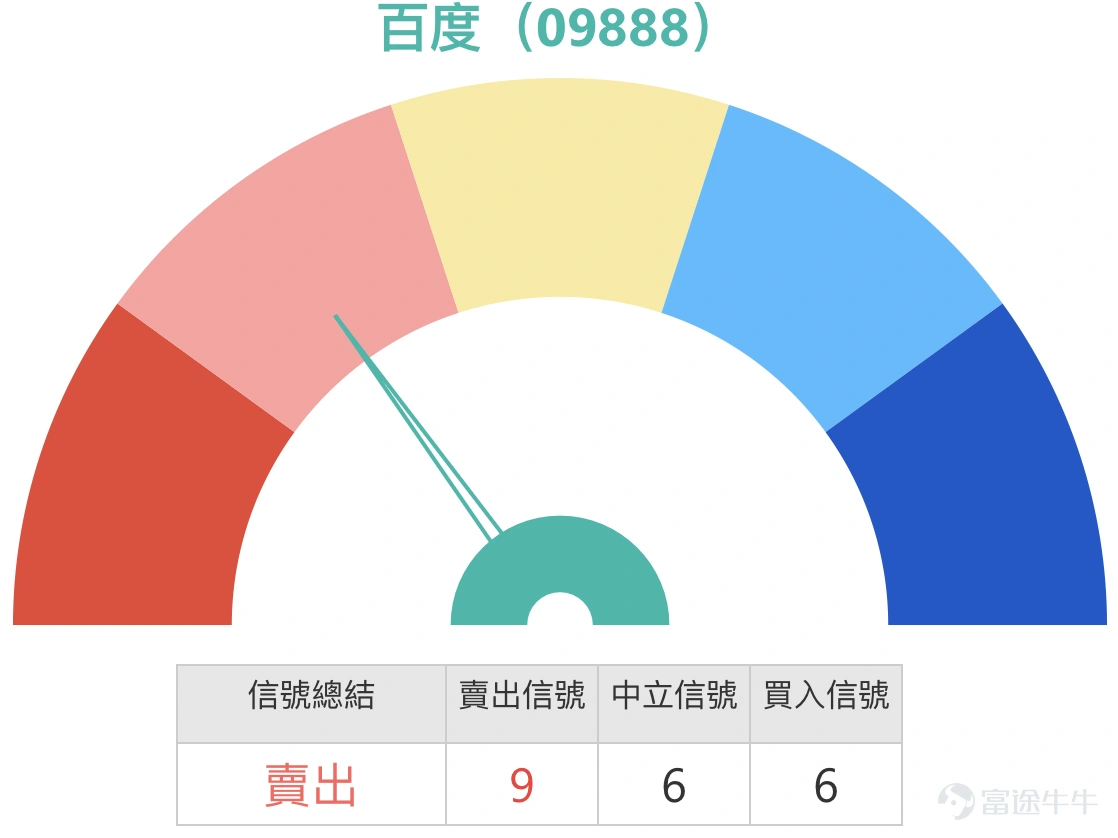
1. Baidu Group-SW (09888.HK) $BIDU-SW (09888.HK)$: Should you sell after consecutive gains? Put warrants (strike price 168.98 HKD) gaining attention
Baidu's stock performance today (21st) was quite good. Over the past few days, its share price has been rising continuously, and today’s trading volume also supported the rally, with an increase of over 3%, touching a high of 155.4 HKD and finally closing at 153.7 HKD. While investors were happy about the continuous rise, they also worried that the sharp surge might trigger a correction. However, some investors continued to focus on call warrants. Technically speaking, the short-term signal mainly suggests “sell,” with 9 sell signals and 6 buy signals, implying a possible short-term correction. The support level is at 142.4 HKD, and if it breaks below that, it may further drop to 129.8 HKD. Currently, in the market, there are 9 out-of-the-money call warrants with strike prices around 168 HKD expiring in June, offering competitive product terms. Some products provide leverage of 4.5-4.6x, with relatively low implied volatility at around 52.7% and premiums mostly at 20.3%. Investors should carefully compare these options. $BIBAIDU@EC2606A.C (17490.HK)$$MSBAIDU@EC2603C.C (21055.HK)$$JP#BAIDURC2703E.C (64563.HK)$$UB#BAIDURC2612I.C (66510.HK)$
Simon: Hello everyone, we're back to review the situation in the Hong Kong stock market. Regarding the Hong Kong stock market, first let’s talk about the Hang Seng Index. Today (January 21), it finally rebounded, though the increase wasn’t as strong as before and hasn’t reached the 20,000-point mark yet. In terms of closing price, the Hang Seng Index closed near 26,585 points. As for trading volume, there was some recovery compared to the previous two trading days. Although today’s overall increase wasn’t particularly large, at least it reversed the downward trend of the past few days, and the market condition was relatively stable.  1. Hang Seng Index $Hang Seng Index (800000.HK)$: How to choose between bull and bear warrants under diverging bullish and bearish views? (Bullish aiming for 27,000 points, bearish leaning towards bear warrants) Investors who are optimistic about the future market believe that the Hang Seng Index has the potential to continue toward 27,000 points, so they will continue holding bull warrants overnight. Of course, there are also investors with the opposite view, thinking that although it rose, it might not hold steady afterward, thus finding bear warrants a safer choice.  In fact, it's normal to have both bullish and bearish views in the market. Regardless of which direction you choose, the most important thing is to consider safety when selecting products, simply put, whether the product could be called back and what the basis for recalling the product is. This is crucial because even if you’re happy when your prediction is correct, being able to stop losses in time when you’re wrong is key. Most Hang Seng Index investors participate in bull and bear warrant trading. If they predict incorrectly and cannot exit in time, either they have to accept losses and leave or they bought overly close-to-the-money products, meaning no one would take over when things go south. So while direction is important, product selection is another key point; often whether you make money or not depends on whether you’ve chosen the right product.
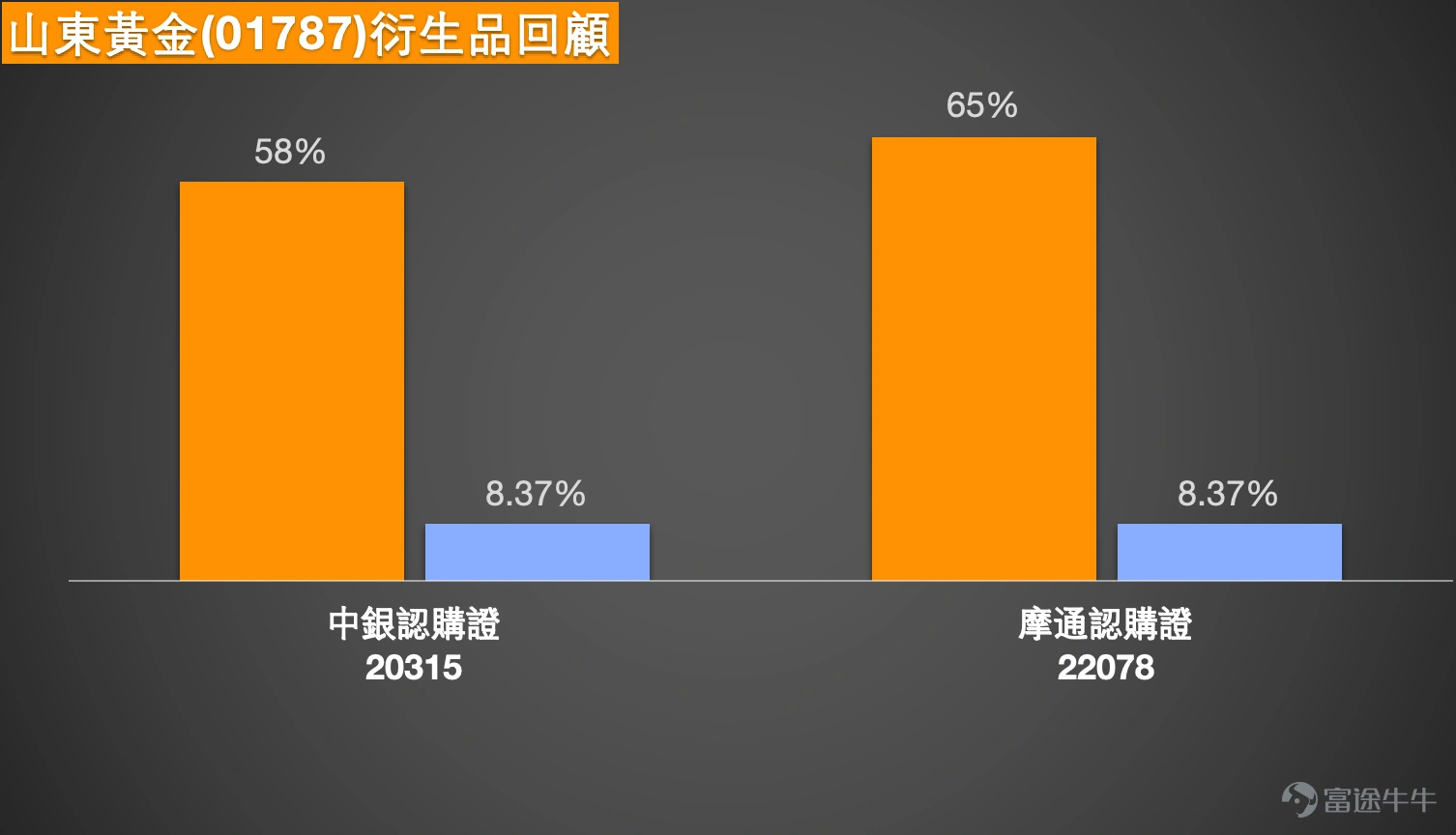
1. Shandong Gold (01787.HK) $SD GOLD (01787.HK)$: Has the stock price peaked? Holders of call warrants (exercise price 68 yuan) should take note
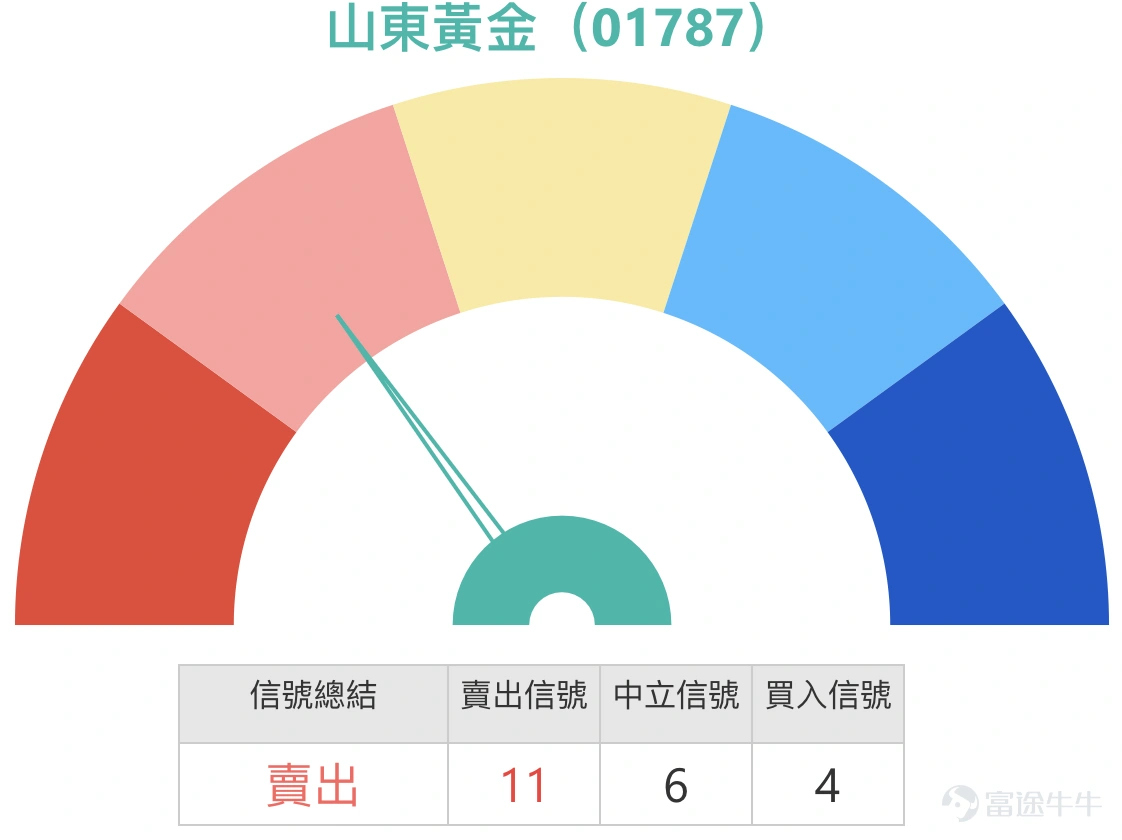
Shandong Gold's recent stock price performance has been impressive, quietly rising to 46.1 yuan, with intraday highs reaching 46.5 yuan, and today’s trading volume also showing an increase. Since January, the stock price has steadily risen. Some investors are concerned whether the stock price is showing signs of peaking and might face adjustments, though others continue to focus on its call warrants. Technical signals indicate that sell signals dominate, with 11 sell signals versus 4 buy signals. If a correction occurs, support lies at 41.4 yuan; if it breaks below that, it may drop to 37.8 yuan. For investors who remain bullish, it is advisable to choose products closer to the current price. Currently, there are five related products in the market with an exercise price around 50 yuan. Although their leverage isn’t particularly high, they track the underlying asset relatively well. These products have distant expiration dates, mostly expiring in 2027, allowing investors to compare and choose products with lower implied volatility and premiums. It’s important to note that the current stock price is at a high level, with technical signals mainly indicating “sell.” Investors considering participation in call warrants should carefully select entry points to avoid buying at a high price only to suffer losses from subsequent price pullbacks. $BISDGLD@EC2603A.C (20315.HK)$$JPSDGLD@EC2603B.C (22078.HK)$
Simon: Hello everyone, we're back to review the situation in the Hong Kong stock market. Regarding the Hong Kong stock market, first let’s talk about the Hang Seng Index. Today (January 21), it finally rebounded, though the increase wasn’t as strong as before and hasn’t reached the 20,000-point mark yet. In terms of closing price, the Hang Seng Index closed near 26,585 points. As for trading volume, there was some recovery compared to the previous two trading days. Although today’s overall increase wasn’t particularly large, at least it reversed the downward trend of the past few days, and the market condition was relatively stable.  1. Hang Seng Index $Hang Seng Index (800000.HK)$: How to choose between bull and bear warrants under diverging bullish and bearish views? (Bullish aiming for 27,000 points, bearish leaning towards bear warrants) Investors who are optimistic about the future market believe that the Hang Seng Index has the potential to continue toward 27,000 points, so they will continue holding bull warrants overnight. Of course, there are also investors with the opposite view, thinking that although it rose, it might not hold steady afterward, thus finding bear warrants a safer choice.  In fact, it's normal to have both bullish and bearish views in the market. Regardless of which direction you choose, the most important thing is to consider safety when selecting products, simply put, whether the product could be called back and what the basis for recalling the product is. This is crucial because even if you’re happy when your prediction is correct, being able to stop losses in time when you’re wrong is key. Most Hang Seng Index investors participate in bull and bear warrant trading. If they predict incorrectly and cannot exit in time, either they have to accept losses and leave or they bought overly close-to-the-money products, meaning no one would take over when things go south. So while direction is important, product selection is another key point; often whether you make money or not depends on whether you’ve chosen the right product.
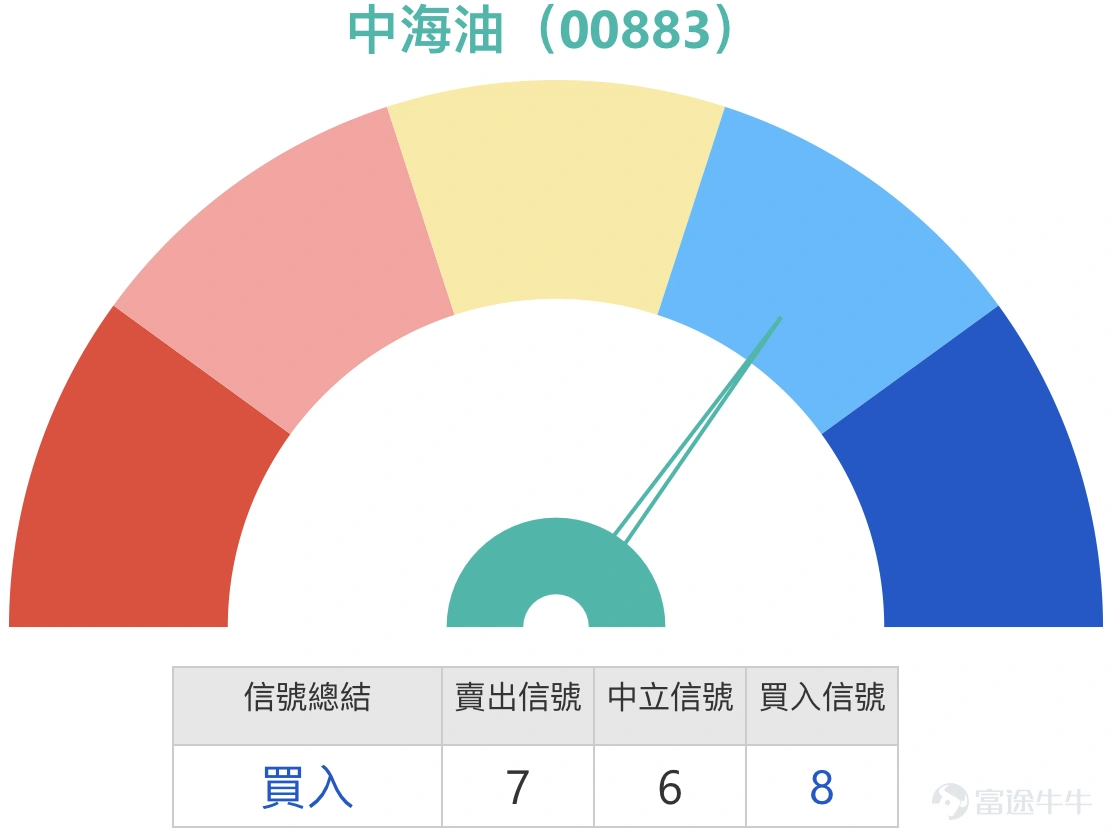
1. CNOOC (00883.HK) $CNOOC (00883.HK)$: Can we add positions at 21 yuan given a long-term optimistic view?
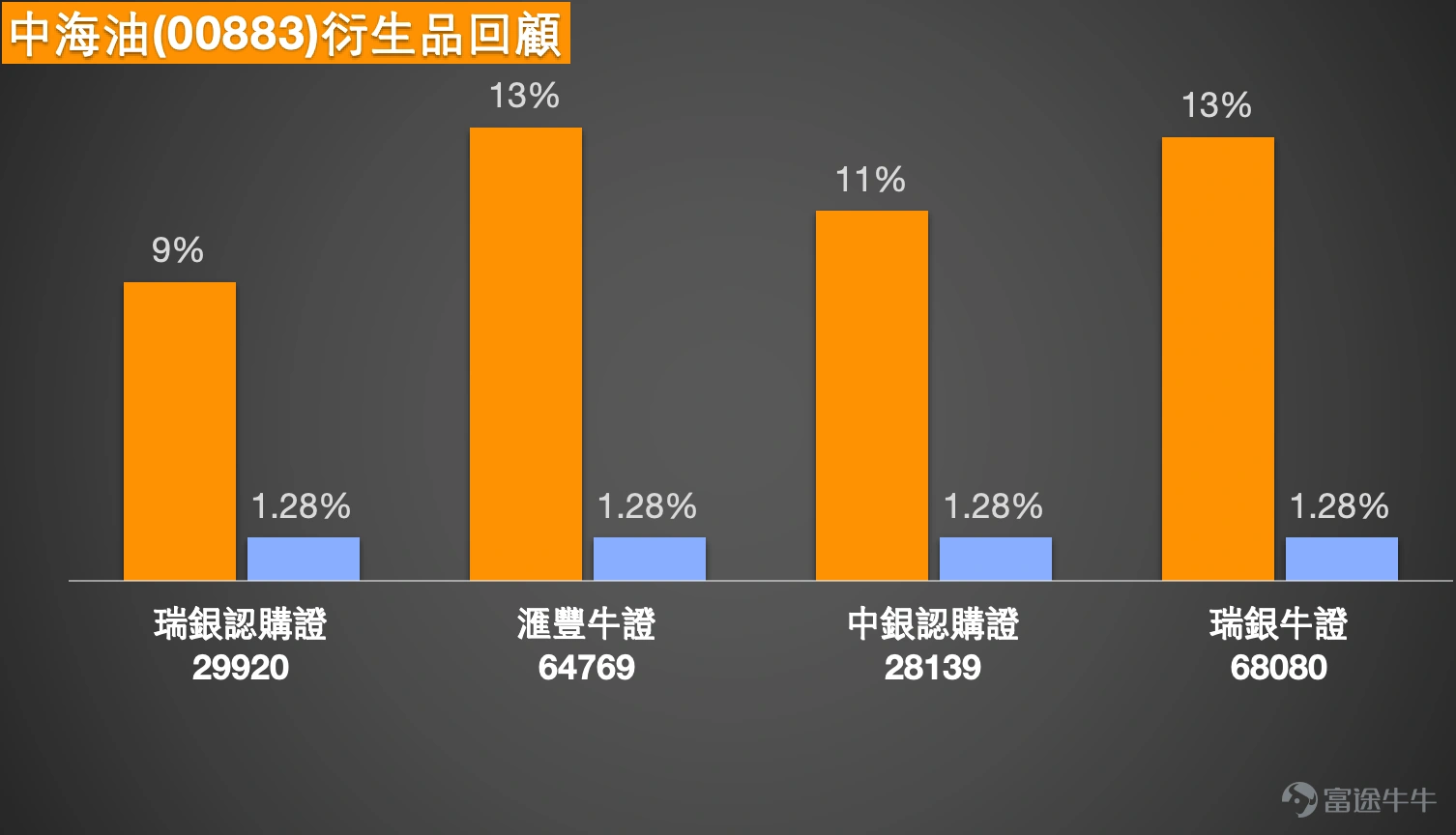
As a representative of oil stocks, CNOOC’s share price performed well today (21st), rising by 3%, closing at 22.1 yuan, approaching previous highs, and nearing the upper Bollinger Band. Trading volume also increased compared to the past few days. Some investors expressed long-term optimism about CNOOC's stock trend and asked which levels could be considered for deployment at a lower position. From a technical signal perspective, short-term signals favor “buy,” with 8 buy signals versus 7 sell signals, slightly tilting towards buying. Support lies at 21.3 yuan; for a more conservative approach, one can wait for the stock price to retreat to around 20.8 yuan before considering action. Some investors adopt a phased position-building strategy: initially buying a smaller position near 21.3 yuan, adding more if the stock price continues to fall to average down costs, or holding the existing position if the stock rebounds. This strategy can be referenced by investors optimistic about CNOOC’s long-term outlook. $UBCNOOC@EC2611A.C (29920.HK)$$HS#CNOOCRC2806A.C (64769.HK)$$BICNOOC@EC2611A.C (28139.HK)$$UB#CNOOCRC26106.C (68080.HK)$
Simon: Hello everyone, we're back to review the situation in the Hong Kong stock market. Regarding the Hong Kong stock market, first let’s talk about the Hang Seng Index. Today (January 21), it finally rebounded, though the increase wasn’t as strong as before and hasn’t reached the 20,000-point mark yet. In terms of closing price, the Hang Seng Index closed near 26,585 points. As for trading volume, there was some recovery compared to the previous two trading days. Although today’s overall increase wasn’t particularly large, at least it reversed the downward trend of the past few days, and the market condition was relatively stable.  1. Hang Seng Index $Hang Seng Index (800000.HK)$: How to choose between bull and bear warrants under diverging bullish and bearish views? (Bullish aiming for 27,000 points, bearish leaning towards bear warrants) Investors who are optimistic about the future market believe that the Hang Seng Index has the potential to continue toward 27,000 points, so they will continue holding bull warrants overnight. Of course, there are also investors with the opposite view, thinking that although it rose, it might not hold steady afterward, thus finding bear warrants a safer choice.  In fact, it's normal to have both bullish and bearish views in the market. Regardless of which direction you choose, the most important thing is to consider safety when selecting products, simply put, whether the product could be called back and what the basis for recalling the product is. This is crucial because even if you’re happy when your prediction is correct, being able to stop losses in time when you’re wrong is key. Most Hang Seng Index investors participate in bull and bear warrant trading. If they predict incorrectly and cannot exit in time, either they have to accept losses and leave or they bought overly close-to-the-money products, meaning no one would take over when things go south. So while direction is important, product selection is another key point; often whether you make money or not depends on whether you’ve chosen the right product.
That concludes today’s (21st) sharing. Thank you all for listening. We will continue to review the Hong Kong stock market situation tomorrow at the same time. If you have any questions, feel free to leave us a message. Thank you everyone, goodbye.
Disclaimer: This article does not constitute any investment advice.
This article is for reference only and does not constitute any investment advice. The market data, opinions, and analysis contained herein may change at any time without prior notice. We shall not be liable for any loss or damage arising from reliance on the information in this article. Technical analysis merely indicates whether certain technical conditions are met; a comprehensive evaluation of asset performance should incorporate additional data. Trading decisions should not be based solely on the content of this article. Please note that past performance is not indicative of future results.
Risk Disclaimer: The above content only represents the author's view. It does not represent any position or investment advice of Futu. Futu makes no representation or warranty.Read more
Thumbs Up
2
306K Views
Report
Comments
Write a Comment...
2
9