
Hong Kong-listed AI 'twin leaders' see active trading! How to position in the AI sector for the Year

CoreWeave Surges 12%, Sounding the Horn for a Counterattack: Can the AI Cloud Sector Emerge from the Shadows?
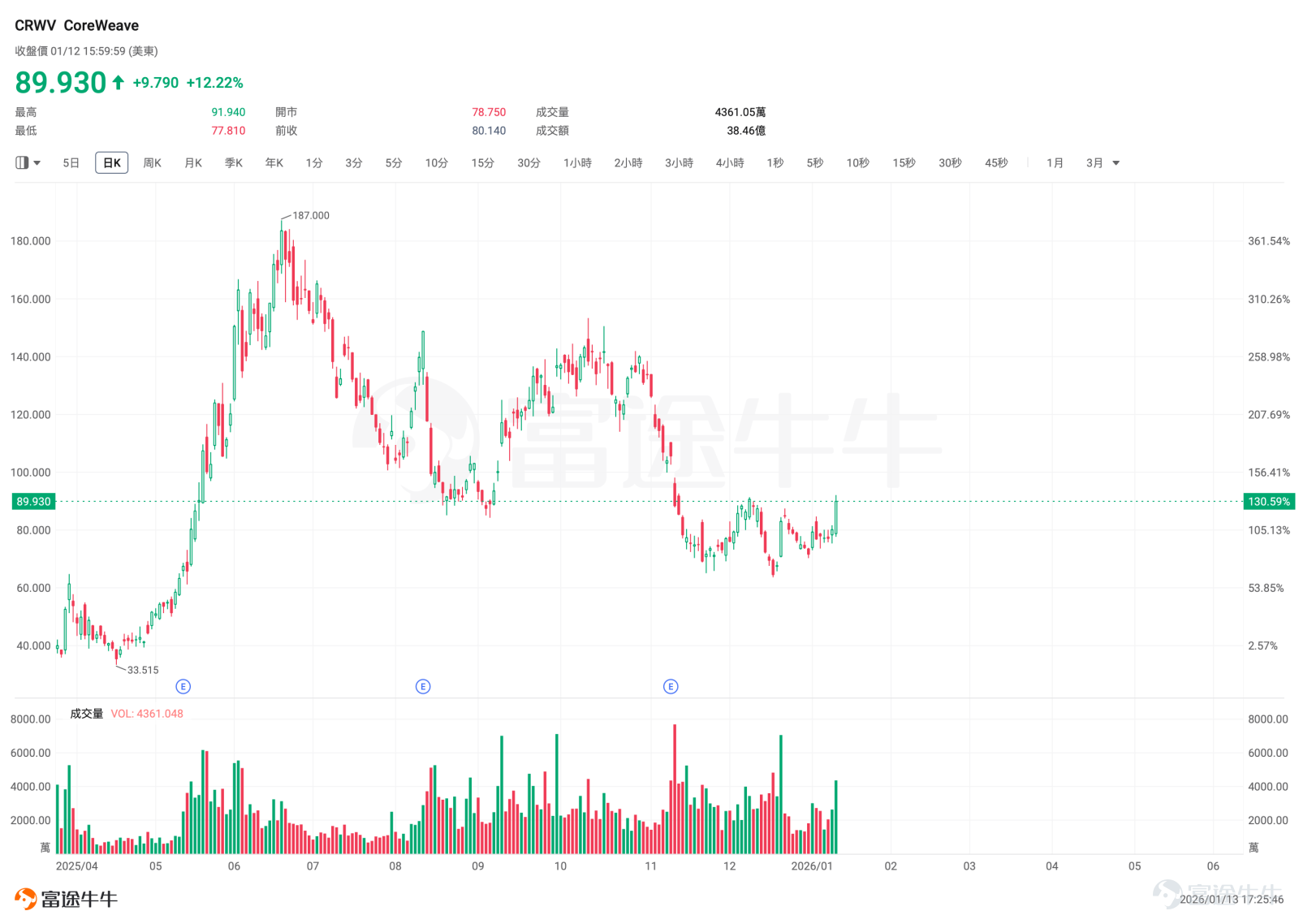
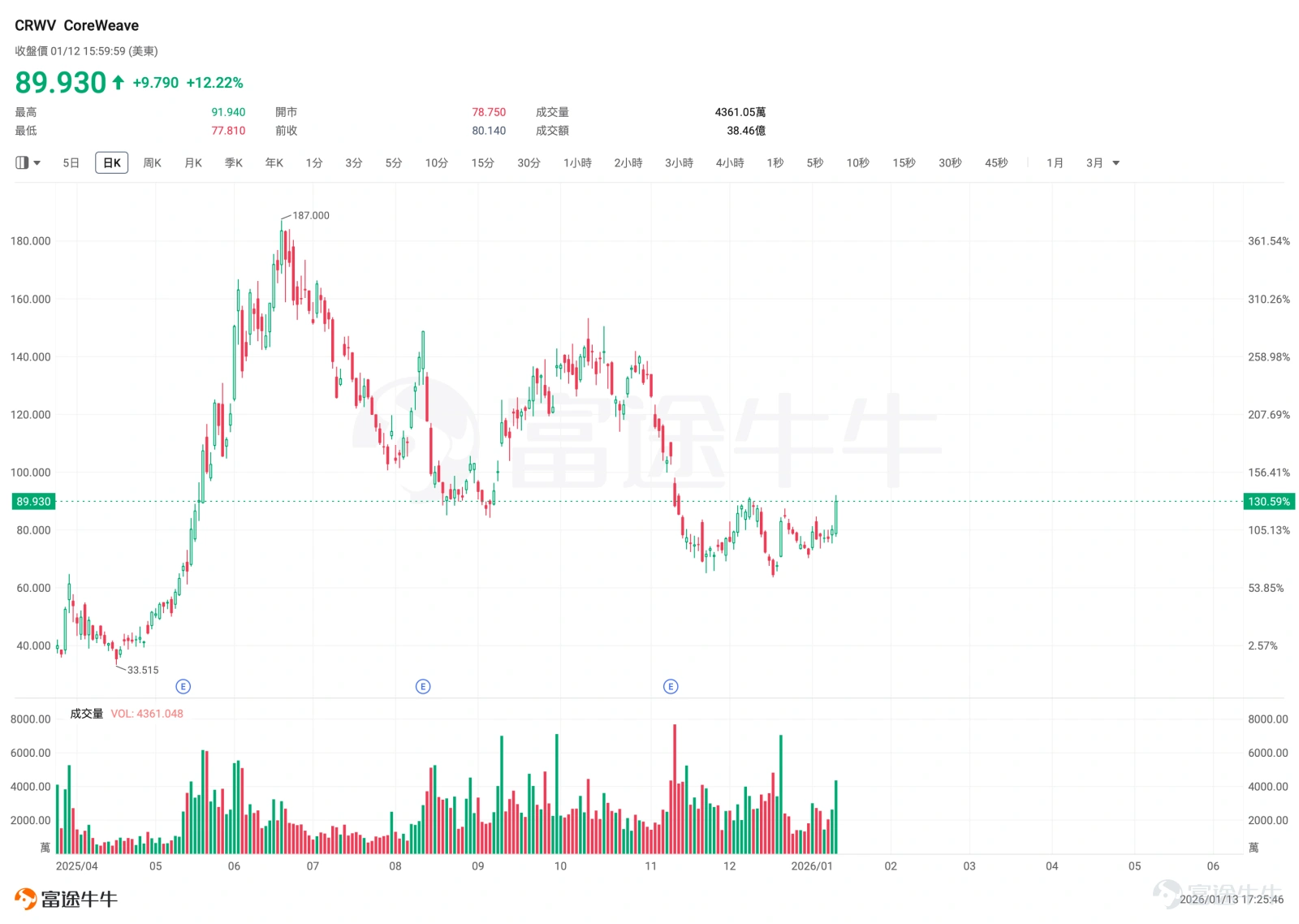
On January 12, the US AI infrastructure sector experienced a long-awaited surge. As an industry bellwether, $CoreWeave (CRWV.US)$ After enduring a prolonged downturn, it soared in a single day, 12%with active trading during the session and significantly higher trading volume.
For this 'new force in computing power,' this large-volume bullish candle is highly significant. Since its stock price peaked in 2025, CoreWeave faced concerns over its aggressive debt expansion model, causing its stock to pull back nearly 60%. Yesterday's strong rebound was not only a major technical rebound but also a strong signal:Wall Street is repricing the sustainability of 'AI infrastructure capital expenditures (CapEx).'
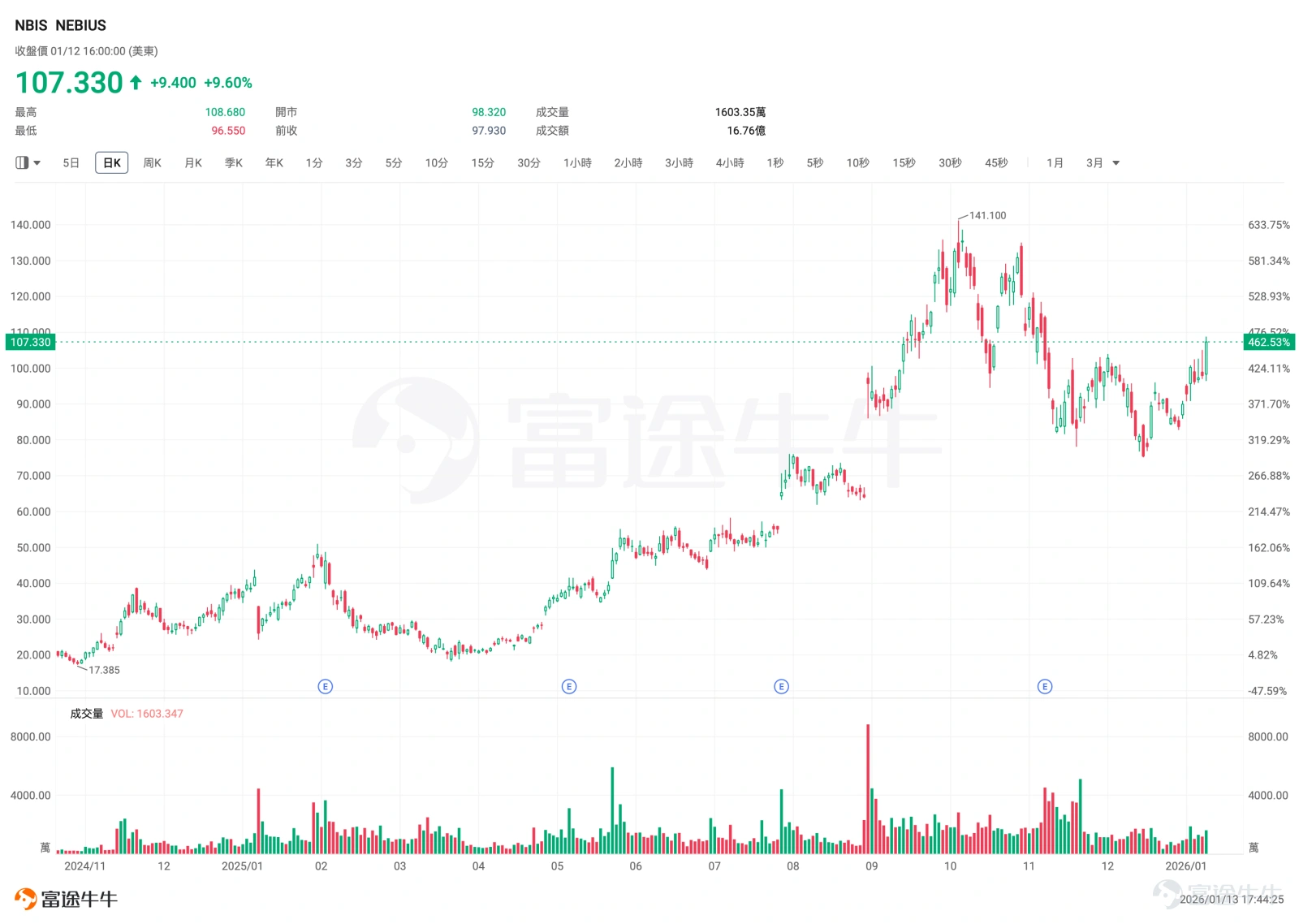
As earlier extreme pessimism has been somewhat corrected, the market is refocusing on the long-term cash flow potential of top-tier computing assets in a high-interest-rate environment. With CoreWeave、 $NEBIUS (NBIS.US)$ AI infrastructure stocks represented by companies such as CoreWeave have rebounded in tandem, with sentiment in the AI cloud/Neo-Cloud sector experiencing a temporary recovery.
CoreWeave provides a 'reassurance pill,' catalyzing a rebound in stock prices.
The direct catalyst for this market reversal came from CoreWeave's management team refuting market skepticism.
Previously, the main bearish logic in the market was that CoreWeave, relying on debt and other financing exceeding tens of billions of dollars, aggressively purchased NVIDIA GPUs and related data center assets. Once leasing prices declined or demand slowed, the enormous interest payments would crush the company.
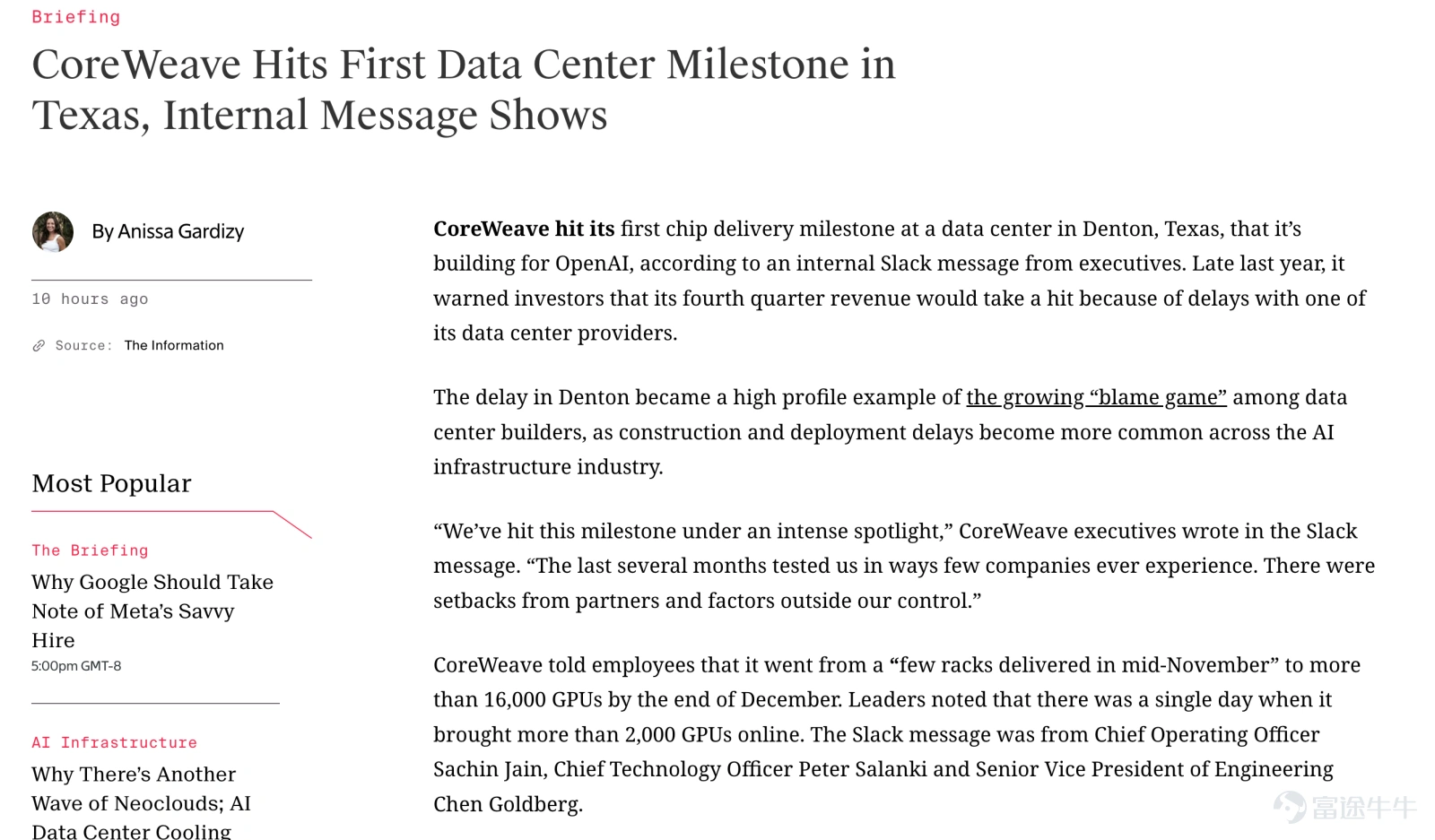
On Monday, according to a report by The Information and internal company disclosures, CoreWeave has reached an important milestone of initial chip deliveries for its data center being built for OpenAI in Denton, Texas. According to revelations from CoreWeave executives during internal communications, the company went from 'only delivering a few racks' in mid-November last year to rapidly scaling up to over 16,000 GPUs by the end of December, with daily peak GPU deployment surpassing 2,000 units.
In terms of industry momentum,2026 will still be the year of 'computing power supremacy.'From the perspective of order volumes and capacity utilization rates at the end of 2025 to early 2026, the overall supply of high-end AI GPUs remains tight. Project rollouts are more constrained by factors like electricity availability and data center construction rather than oversupply due to waning demand. At this stage, service providers like CoreWeave, who have already deployed large-scale spot clusters, still possess some pricing power for certain premium computing resources but must also bear higher capital expenditures and credit risks.
As the sector rebounds collectively, don't overlook another promising stock — NEBIUS.
While CoreWeave draws market attention, investors should not overlook another potential AI cloud company in the sector — $NEBIUS (NBIS.US)$ 。
NEBIUS has also shown strong recent performance, with its core catalyst being the mega-deals for hundreds of millions in computing power leasing signed with tech giants like Microsoft. Compared to CoreWeave, its differentiation offers investors an alternative choice:
CoreWeave has greater operating leverage, the closest relationship with NVIDIA, and higher stock price elasticity. If the market turns fully bullish, CoreWeave's rebound is expected to be stronger.
For more conservative investors,NEBIUS’s financing structure includes a higher equity proportion and more geographically diversified operations, making it more appealing to investors seeking to balance returns with downside protection.
However, it should be noted that both companies are in a phase of heavy asset investment and high capital expenditure. NEBIUS faces significant credit and refinancing risks amid the pressures of high CapEx and revenue targets.
Options Trading Strategy: Leveraging Options Opportunities
Despite the bullish outlook, considering CRWV’s highly volatile state, the currentImplied Volatility (IV) remains relatively high. CRWV’s current 60-day implied volatility is around 90%, characteristic of a high-volatility growth stock. This means directly buying call options (Long Call) is expensive and carries the risk of IV Crush (a drop in volatility leading to option price depreciation).
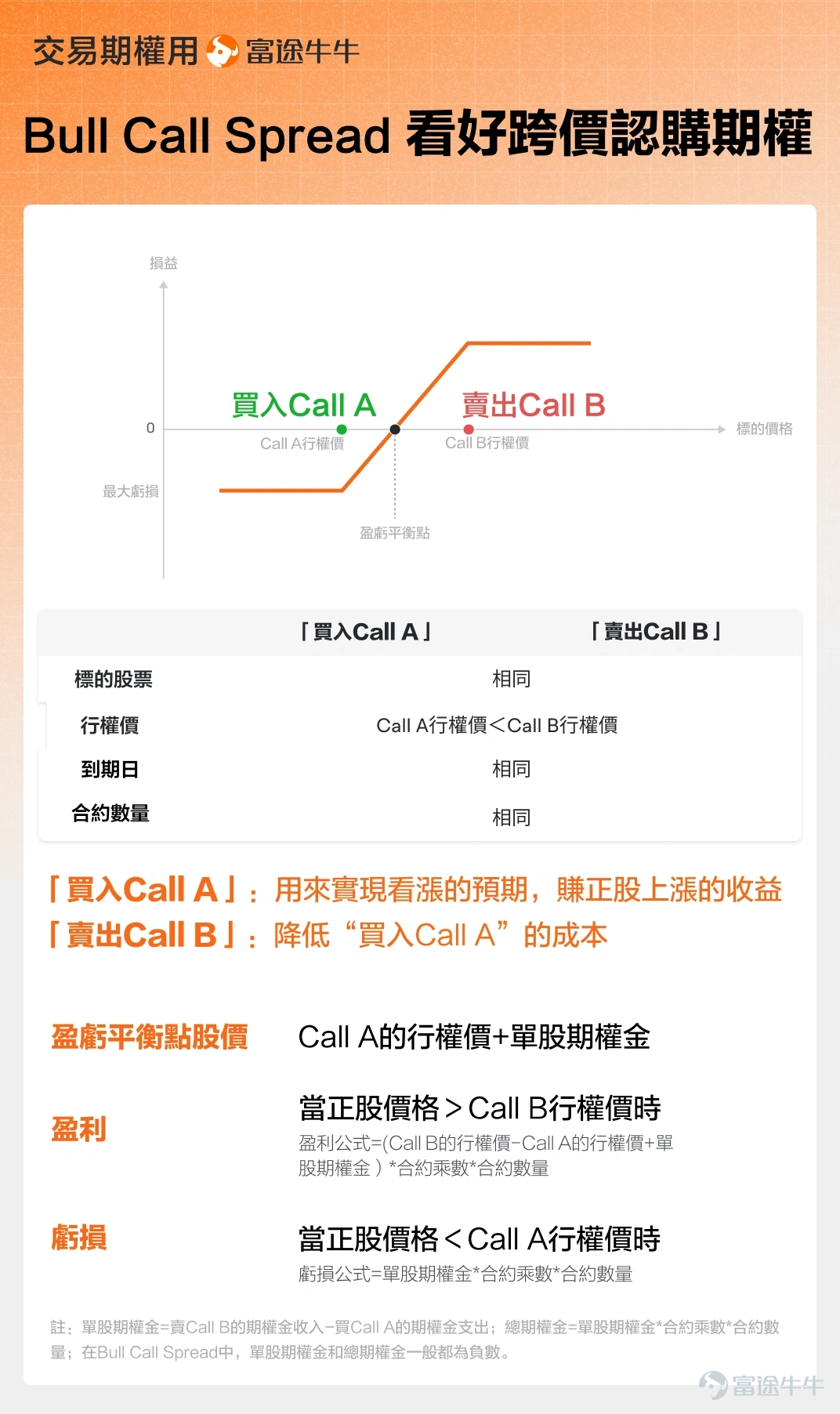
Given the current environment, the following two strategies can be considered to improve the profit-loss structure while keeping risks under control:
Strategy One: Bull Call Spread
– Suitable Scenarios: Strongly optimistic about the rebound, but worried about short-term resistance leading to a pullback, and unwilling to pay excessive premiums.
– Specific Operations: Buy At-the-Money (ATM) Call + Sell Out-of-the-Money (OTM, e.g., near resistance level) Call.
– Logic: By selling options, part of the purchase cost is offset, lowering the breakeven point. Even if implied volatility (IV) decreases after a stock price increase, the negative impact on this strategy is less than buying a single-leg Call.
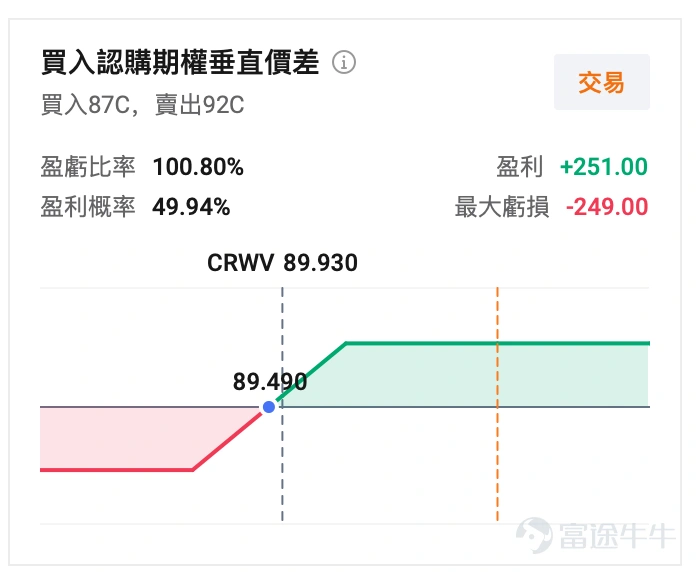
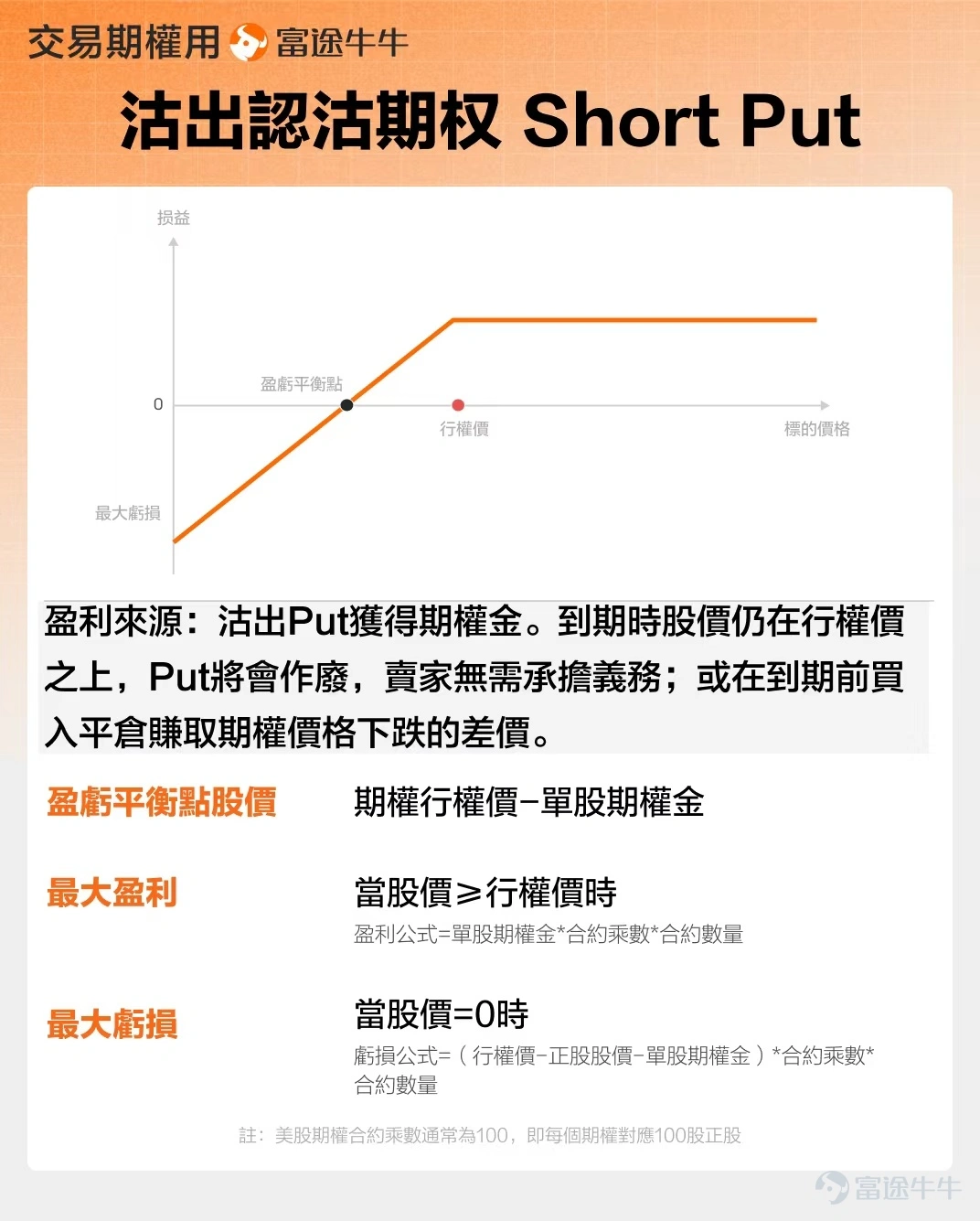
Strategy Two: Selling Put Options (Short Put / Cash-Secured Put)
– Suitable Scenarios: Value investors willing to acquire the underlying stock at the current price or lower.
– Specific Operations: Sell Puts near the support level below.
◦ Scenario A: If the stock price does not fall below the support level, the seller can retain the entire premium, earning returns commensurate with the risk of holding the position.
◦ Scenario B: If the stock price falls below the support level, the seller will passively buy the stock at an effective cost of the strike price minus the premium received, requiring a contingency plan for further downside risk.
– Logic: Capitalize on the current extremely high IV to earn substantial premiums.
The second half of the AI industry's battle has begun. As large model applications shift from pure 'training competition' to large-scale 'inference implementation,' the demand for stable, high-performance cloud computing power will only continue to grow. Judging from the resonance of price and sentiment, CoreWeave has shown signs of short-term stabilization and capital inflow after this round of decline, increasing the probability of a阶段性 bottom.
Risk Warning: Investors still need to closely monitorthe Fed's interest rate policy(which directly affects the financial costs of highly leveraged companies) and NVIDIA GPUsshipment节奏. Trend reversals are often not confirmed by a single K-line. In high-volatility tech growth stocks, investors still need to hedge against possible pullbacks through position sizing and risk management. The individual stocks and prices mentioned in the article are for reference only and do not constitute investment advice.
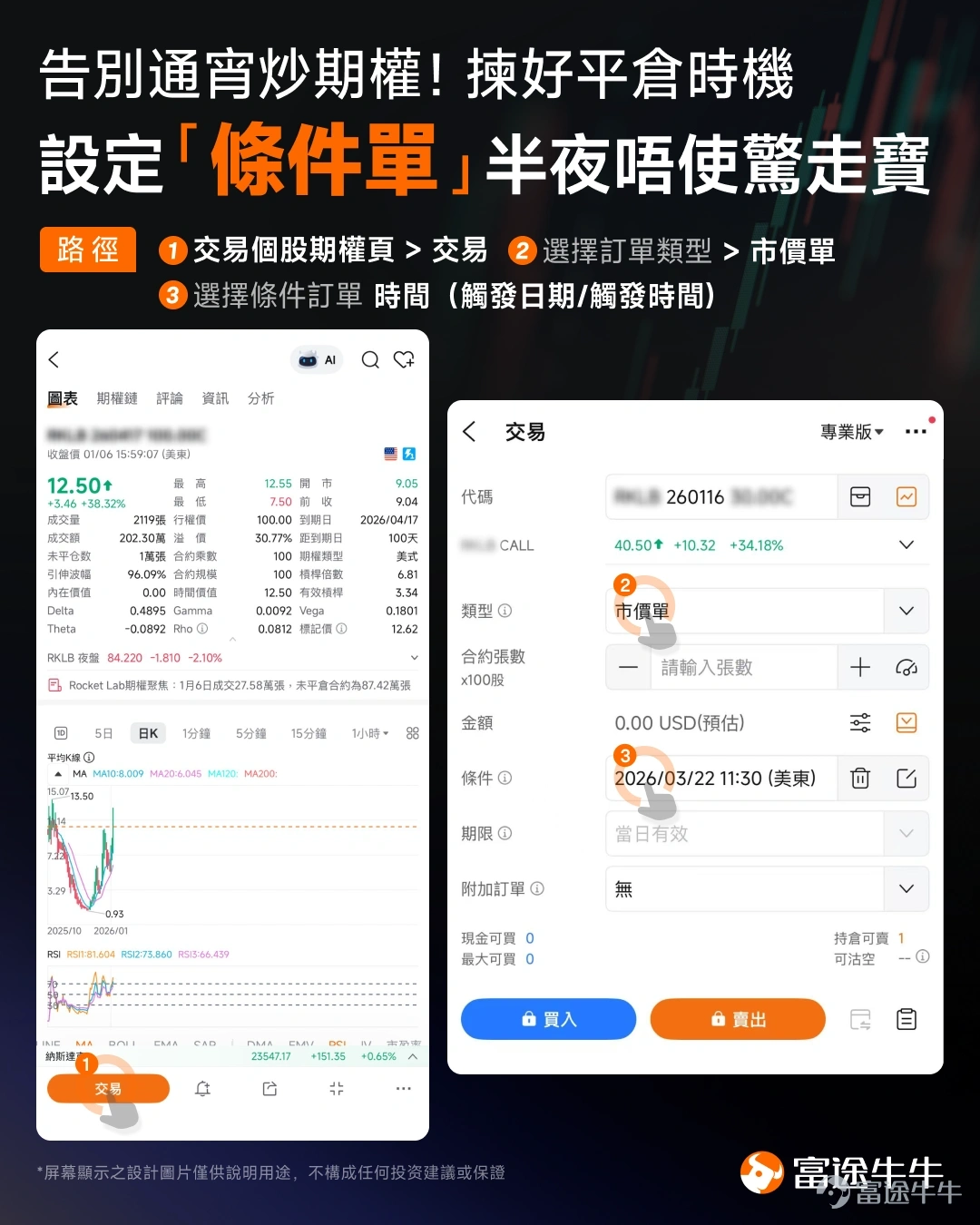
Say goodbye to all-night option trading! Choose good exit timing and set 'conditional orders' so you don’t lose sleep over missed opportunities in the middle of the night.
Risk Disclaimer: The above content only represents the author's view. It does not represent any position or investment advice of Futu. Futu makes no representation or warranty.Read more

Comments
to post a comment
29
2