

Kicking off the year with a bang! Multiple sectors in Hong Kong's stock market are quietly gaining m

January 5th [HK Stocks Podcast] Hang Seng Index, Kuaishou, Wuxi Apptec, AIA, Xiaomi Group, Tencent
Simon: Hello everyone, I'm back again to take a look at the latest situation in the Hong Kong stock market. It's been a while since I last discussed the market with you, mainly because I was on a business trip and then wasn't feeling well, so I took some time off. Now I'm back and finally able to chat with you about the Hong Kong stock market.
1. Hang Seng Index: Bullish investors believe that 26,300 can be defended, holding bullish certificates with a stop-loss level of 25,000. Bearish investors indicate long-term bearishness down to 25,000 points, holding bearish certificates with a stop-loss level of 27,000 points.
Simon: As you can see, after entering the new year, last Friday’s rally in the Hong Kong stock market was quite impressive, like a big upward surge. You could say that last Friday the Hong Kong stocks broke through the top of the Bollinger Bands, which certainly made many investors quite happy.
As for today’s (January 5th) trend, based on the closing price, there was ultimately a slight increase. However, frankly speaking, the gain was not particularly large or ideal. Overall, it might leave investors somewhat disappointed as the percentage increase wasn’t significant. Therefore, I believe many investors may feel let down. Another point worth noting is that although today's Hong Kong stock market could be considered relatively stable without much fluctuation, trading volume actually increased compared to recent periods. Typically, when trading volume increases, we hope the market will rise accordingly, which would naturally be the best scenario. But as seen today, the market remained rather stagnant, even dipping slightly, which isn't the most ideal situation.
However, investors' opinions have always been divided. Some are optimistic while others are pessimistic. Optimistic investors believe that the current closing price, around 26,300 points, should hold steady, so they will continue to buy some bull contracts. On the other hand, pessimistic investors feel that Hong Kong stocks might drop to 25,000 points. Even if they buy bear contracts, they tend to choose relatively stable ones.
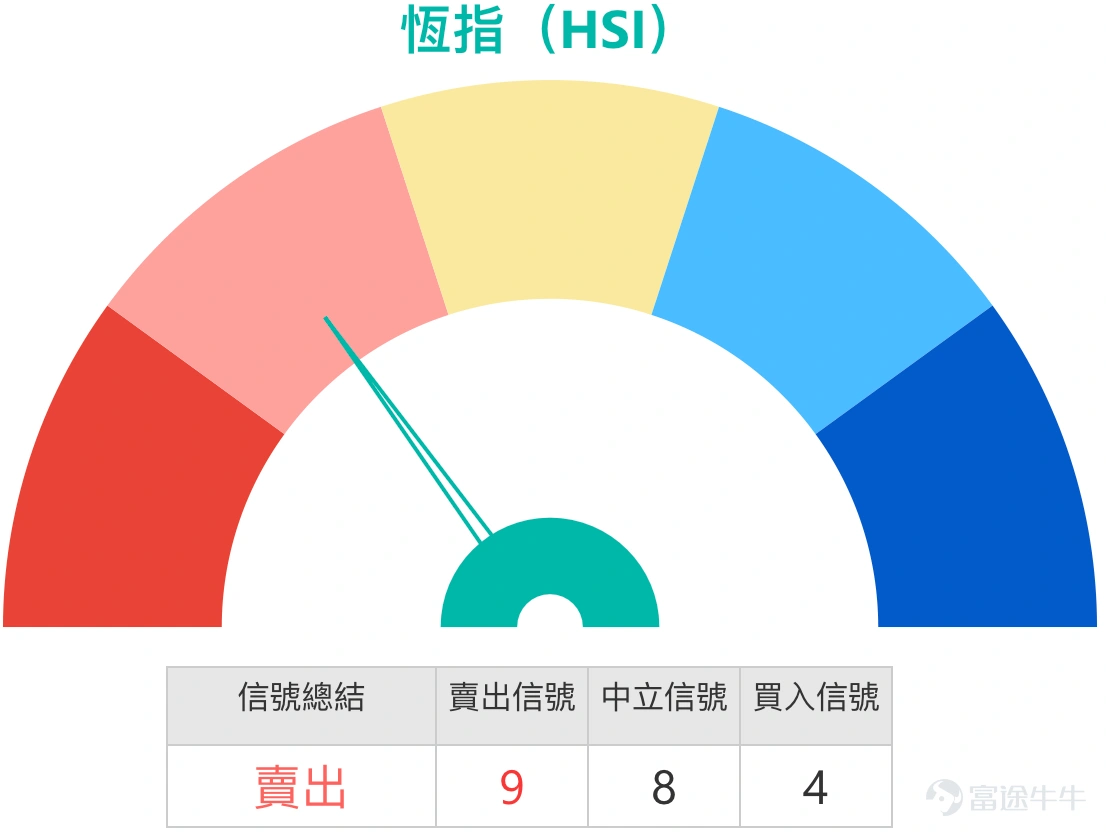
Before looking at specific products, let's review the summary of technical signals. In the short term, whether it's the trend or technical analysis charts, everyone should notice that the Hang Seng Index (HSI) has indeed reached the top of the Bollinger Bands on the daily chart. Based on today’s closing price, it slightly exceeds the upper band. Looking at the specific technical signals, in summary, there are temporarily nine sell signals and four buy signals. Simply put, the 'sell' signals are more prevalent. Therefore, whether considering the position relative to the upper band of the Bollinger Bands or referencing various technical signals, the current technical signals favor selling. This can serve as a reference for everyone.
Assuming we base our judgment on these signal summaries, the support level in the short term is approximately around 25,800 points. If it breaks below 25,800 points, it may test around 25,500 points, which serves as a reference point. Regarding resistance levels, if some investors remain bullish and want to know if the market can still rise, the first resistance level is around 26,400 points, which is relatively close to today's closing price. Since today's volatility is low, the calculated support and resistance levels are relatively close. If it does break through 26,400 points, everyone would be pleased, and it could potentially rise to 27,100 points.
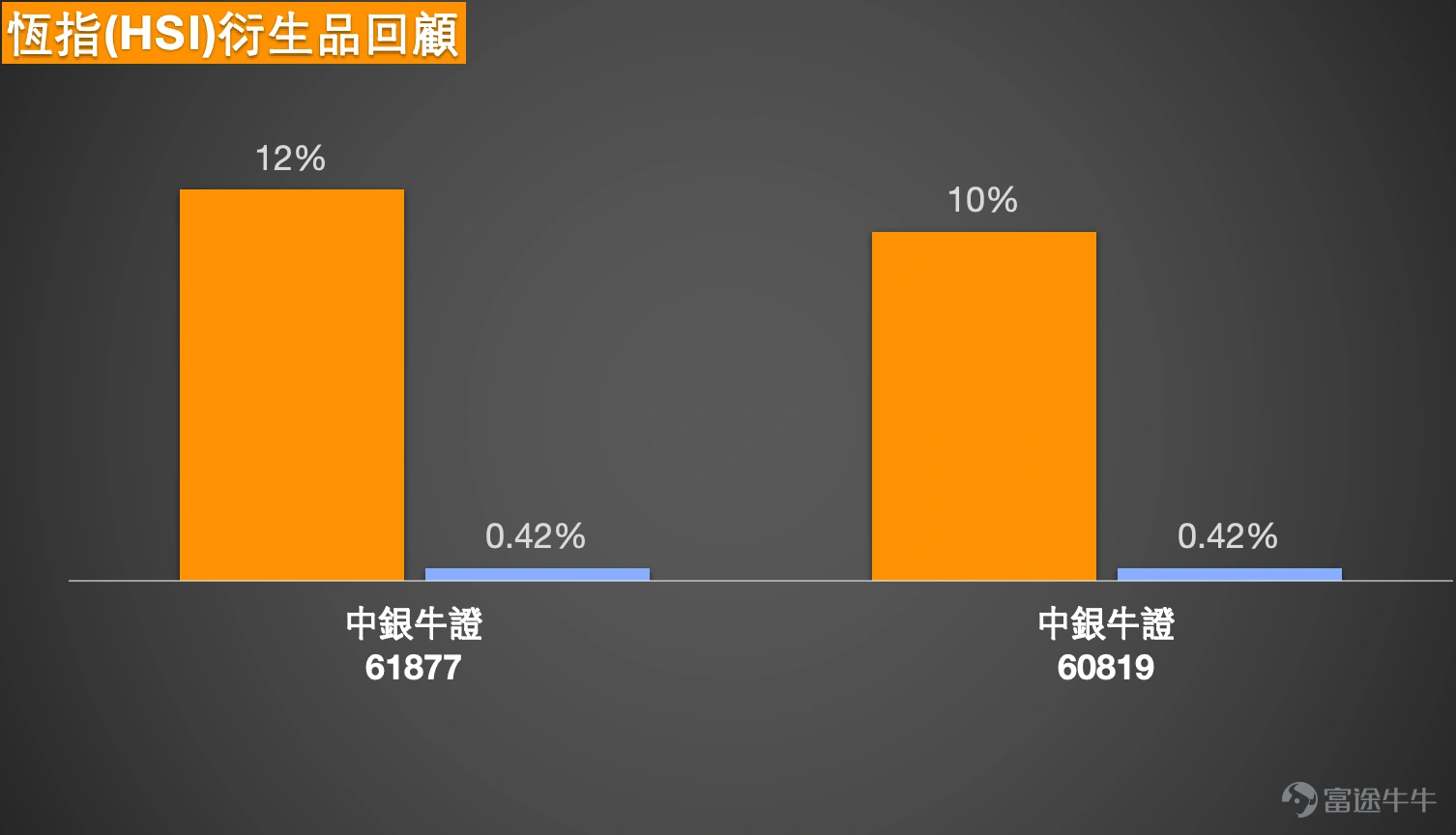
Therefore, if there are investors in the current market who remain bullish and wish to hold bull contracts but are concerned about the risk of short-term pullbacks leading to forced liquidation, buying bull contracts with a forced liquidation price below 25,500 points would be relatively safer. I remember some investors even purchase bull contracts with forced liquidation prices around 25,000 points for added peace of mind and safety. The leverage ratio for such bull contracts is not low, with some approaching 20 times, resulting in a lower forced liquidation risk since the liquidation price is less likely to be triggered.
In fact, for products below 25,500 points, some can reach a leverage ratio of up to 25 times, while others are around 22 times, close to 23 times. Purchasing bull contracts around 25,100 or 25,000 points, as some investors consider, can achieve leverage of around 20 times, reducing the forced liquidation risk. This is also a viable option. There are indeed products in the market with leverage close to 20 times and forced liquidation prices around 25,000 or 25,100 points. Therefore, when choosing bull contracts, selecting around 25,000 points is a reasonable choice for investors.
Conversely, for bear contracts, some investors choose to buy those around 27,000 points. As previously mentioned, Hong Kong stocks could rise to 27,100 points. Based on this analysis, purchasing bear contract products around 27,200 or 27,300 points is also a suitable choice. Currently, the leverage ratio for products related to 27,300 points is not low, ranging from about 23 to 24 times, though specifics depend on the chosen product.
However, I would like to clarify one point: some products with slightly farther recall levels also have relatively high leverage. For example, some products with recall levels at 27,350 points can maintain a leverage ratio of around 24 times, which is considered relatively high among similar products. This is something worth noting. There are indeed different options in the market, so it's advisable to compare various product terms. Of course, referring to the second support or resistance level is one method, but it’s also good for investors to make their own judgments. Once we’ve selected our desired price levels, the next step is to look at what corresponding products are available in the market. Among these choices, whether considering pricing, implied volatility, or for bull and bear certificates mainly focusing on pricing and recall distances, comparing leverage ratios will reveal that market products are still fairly competitive. Sometimes, products closer to the money may have higher leverage, which is understandable. But what I want to emphasize is that some products with slightly farther recall levels also offer attractive leverage, which is worth paying attention to. $BI#HSI RC2808J.C (61877.HK)$$BI#HSI RC2808L.C (60819.HK)$
Next, let's look at individual stocks. Today's market overall is relatively calm, not as exciting as last Friday. It remains to be seen if individual stocks will bring any surprises.
1. Kuaishou-W (01024.HK): Investors ask how much more upside potential there is? In the warrant market, investors mention waiting until 60 yuan before reconsidering; currently, they are fully short.
Simon: The first stock I want to discuss with everyone is Kuaishou (01024). Kuaishou's stock performance today (the 5th) was quite remarkable. In fact, its share price had already risen significantly last Friday, and today it gained even more attention. Besides the significant stock price increase, the closing price was 73.6 yuan, and today's trading volume marked a substantial breakthrough compared to the past three months, which is worth noting. As mentioned earlier, based on today's closing price, it has deviated from the upper band of the Bollinger Bands, and the RSI indicator is also high, reaching 82.
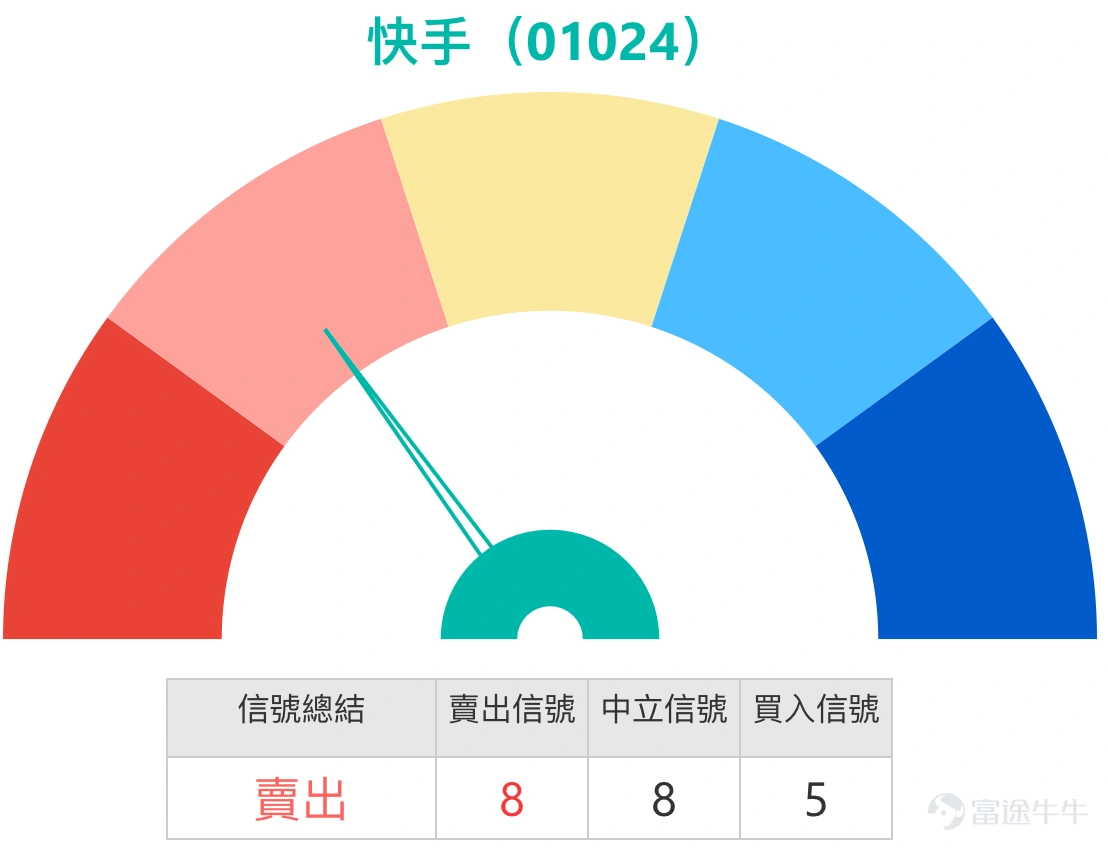
Some investors may ask, how much upside potential does Kuaishou have now? Today it did rise quite sharply. If we look back at the technical signal summary, overall, the sell signals dominate. On one hand, the stock price has deviated from the top of the Bollinger Bands; on the other hand, there is also significant pressure. Simply put, there are currently 8 sell signals and 5 buy signals, indicating an overall inclination towards selling. So, if you ask about Kuaishou's short-term direct betting rate, it may not be very high. Of course, if some investors believe that it might rally a bit more before correcting, I’ll give you a resistance level for reference: 81.4 yuan.
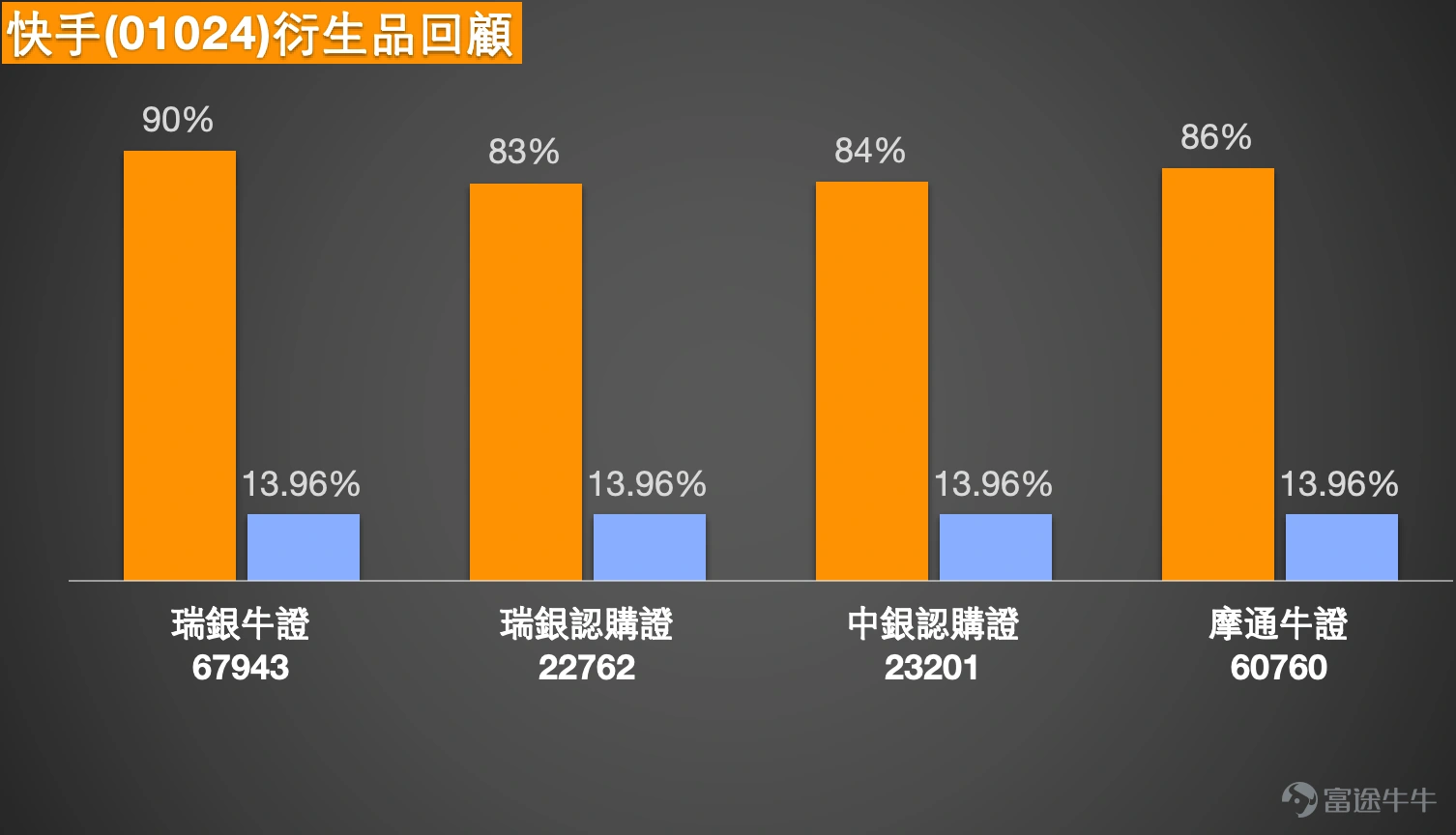
In the warrant market, however, investors seem relatively calm. Seeing how much Kuaishou has risen today, they may choose to wait for a pullback in the stock price before making further considerations. For now, some investors are mainly buying put warrants (put wheels). Actually, in the warrant market, when the underlying stock rises to a certain extent, investors often take the opposite action. This means that while those buying the underlying stock might wonder whether it will continue to rise, how much it can rise, or whether they should chase it now, investors in the warrant market tend to think that since it has already risen so much, either a technical correction or natural adjustment could lead to a pullback. Therefore, they may preemptively position themselves with put warrants or products that bet on a decline at these high levels. This is a common behavior among participants trading warrants or bull/bear certificates.
Additionally, it’s important to note that although some investors might be bearish, due to the inherent leverage of options or bull/bear certificates, they might not commit all their capital. They may only use a small portion of their funds, and by leveraging the product’s characteristics, they can still achieve considerable returns. So sometimes we see that even in a rising market, there can be inflows into products betting on a downturn. Some investors choose to buy falling products during an upmarket precisely because using a small portion of capital with leverage can yield good returns. $UB#KUASORC2607A.C (67943.HK)$$UBKUASO@EC2606B.C (22762.HK)$$BIKUASO@EC2606C.C (23201.HK)$
1. Wuxi Apptec (02359.HK): The trend breaks through the peak, what’s the next target?
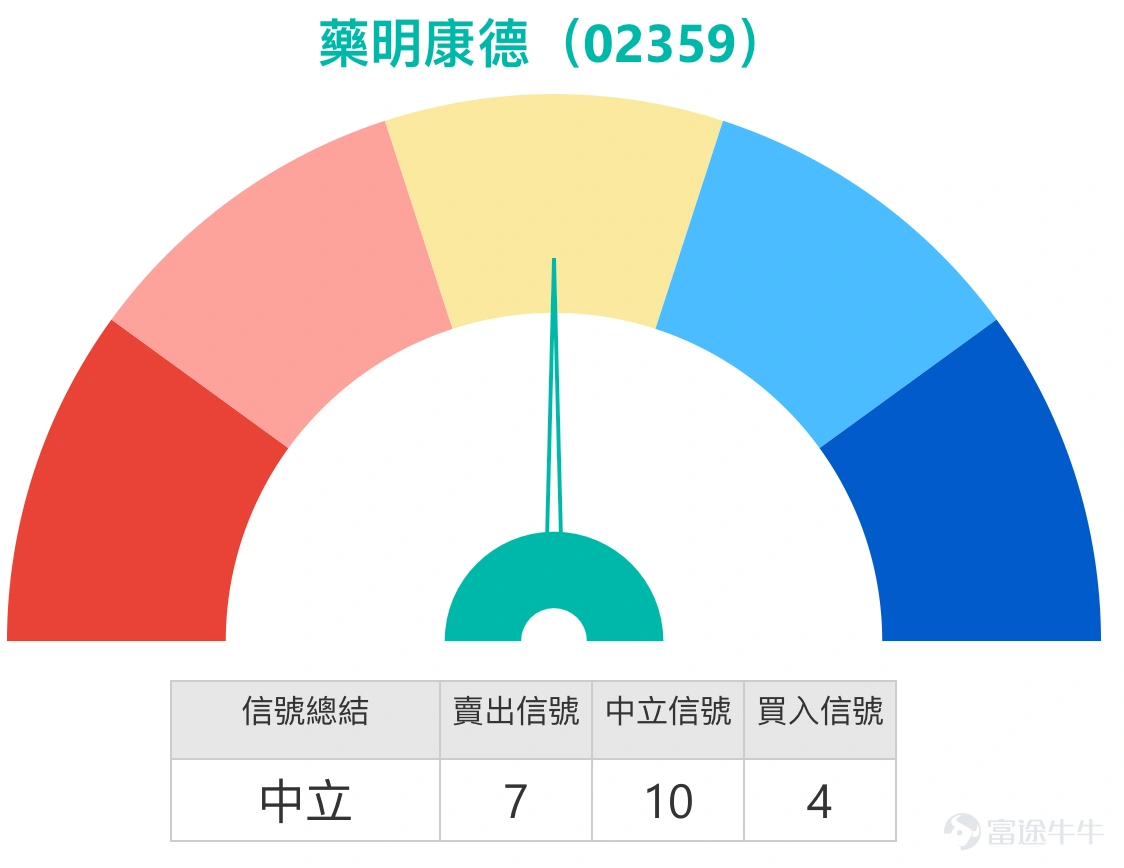
Simon: Next, let’s look at the second stock, Wuxi Apptec (2359). As a pharmaceutical stock, Wuxi Apptec performed well today, showing an upward trend overall. However, today (the 5th), it surged close to the upper limit of the Bollinger Bands before retreating to close at 104.2 yuan. The trading volume was relatively high as well. Although it wasn’t particularly outstanding compared to mid-December or late November volumes, compared to recent days, it was considered relatively high. The stock price rose along with the trading volume, and despite the pullback from the highs, there were still gains overall. Some investors asked, if they continue to be bullish on Wuxi Apptec, what would the next target price be?
If Wuxi Apptec continues to rise, the resistance level is around 108.2 yuan. If it breaks through 108.2 yuan, it could rise to approximately 112.3 yuan, which answers the investors' question. However, looking at the technical signal summary, it’s currently neutral, without a clear direction between buying and selling, so ultimately it’s up to the investors to decide. Everyone has different risk tolerances and interpretations of individual stocks; I’m simply objectively presenting some data for your consideration.
1. AIA (01299.HK): Can the stock price break through 90 yuan? In the warrant market, investors hold call warrants with an exercise price of 91 yuan.
Simon: Next, let’s look at AIA (1299). Relatively speaking, AIA’s stock price today (the 5th) certainly showed an increase, which can be confirmed. At the closing price, it stood at 89.9 yuan, higher than last Friday, and the trading volume also increased. However, compared to the previously mentioned Kuaishou (1024), its performance wasn’t as remarkable. AIA’s stock price has generally been relatively stable. In previous trading sessions, its price once fell near the middle line of the Bollinger Bands but then rebounded after finding support, recording a slight gain today.
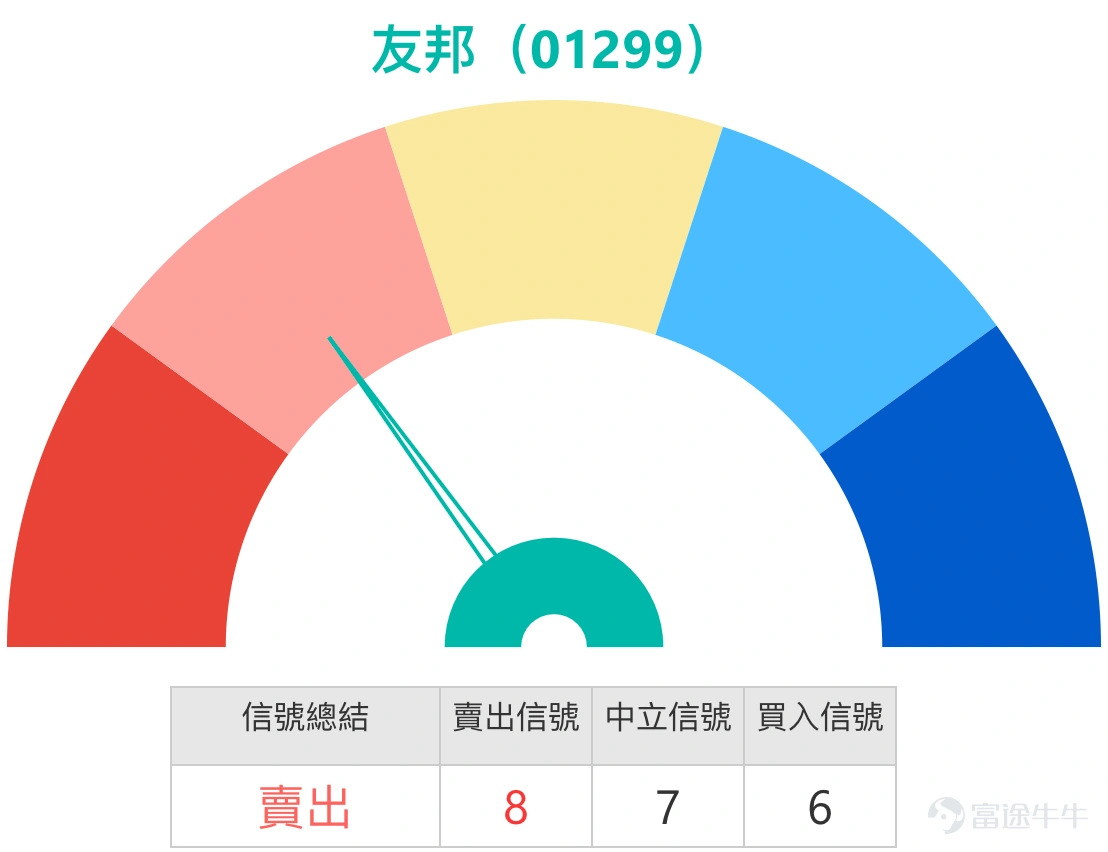
Some investors asked whether the stock price could potentially break through 90 yuan. In the warrant market, some investors remain bullish on AIA, believing it still has room to rise. I’m purely stating the data objectively, without intending to dampen spirits. From the technical signal summary, it currently leans slightly toward selling, with 8 sell signals and 6 buy signals, giving a slight edge to selling. This is provided for your reference.
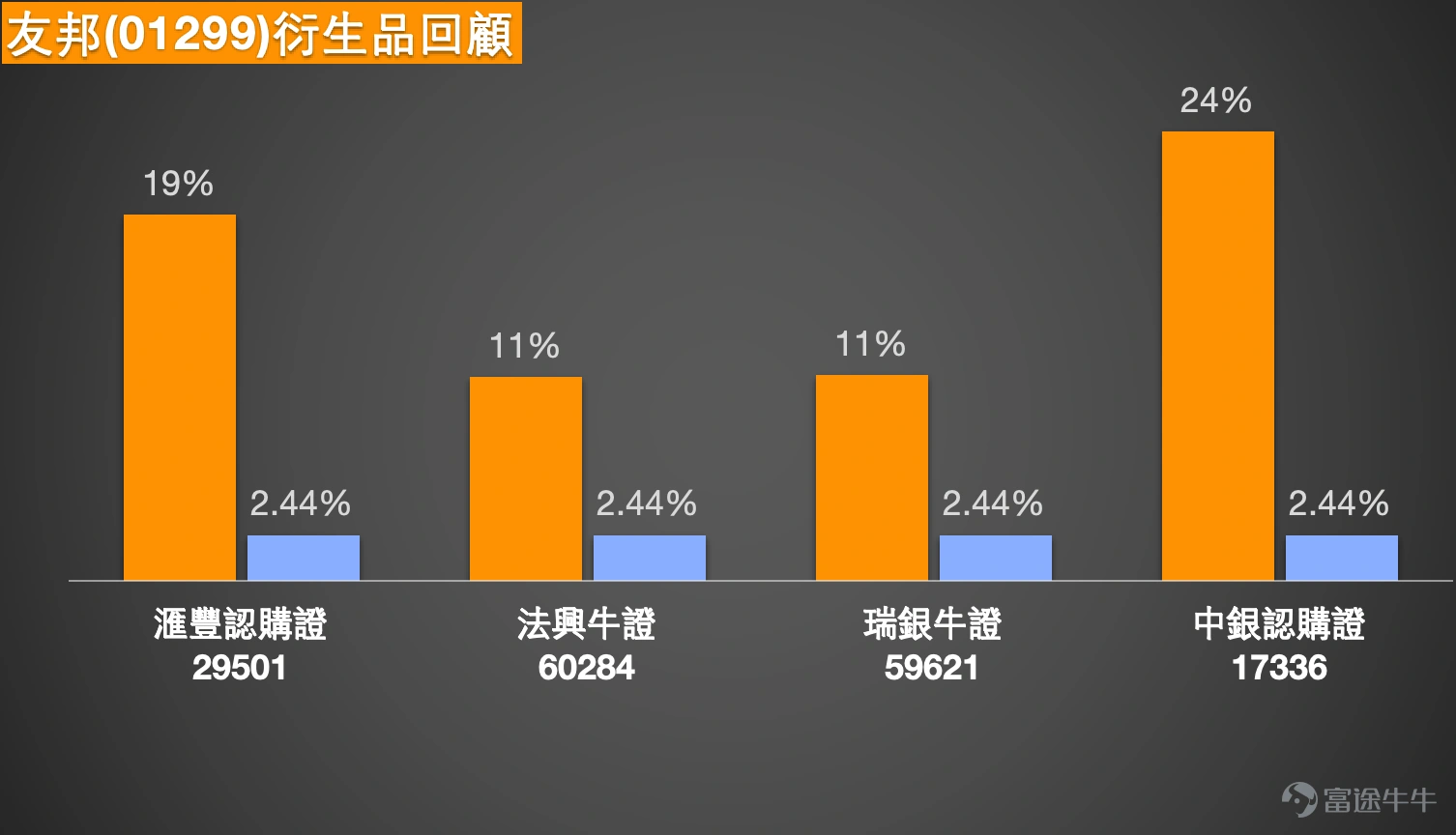
As for whether the stock price can break through 90 yuan, it may depend on whether it can surpass the resistance level at 85 yuan. If it breaks through 85 yuan, there is indeed a chance it could rise to 90.4 yuan. Of course, subjectively, I hope every stock rises and every investor makes money, but the technical signals currently indicate selling as the primary action, and I must objectively inform everyone of this. $SG#AIA RC2606H.C (60284.HK)$$UB#AIA RC2606F.C (59621.HK)$$BI-AIA @EC2604B.C (17336.HK)$
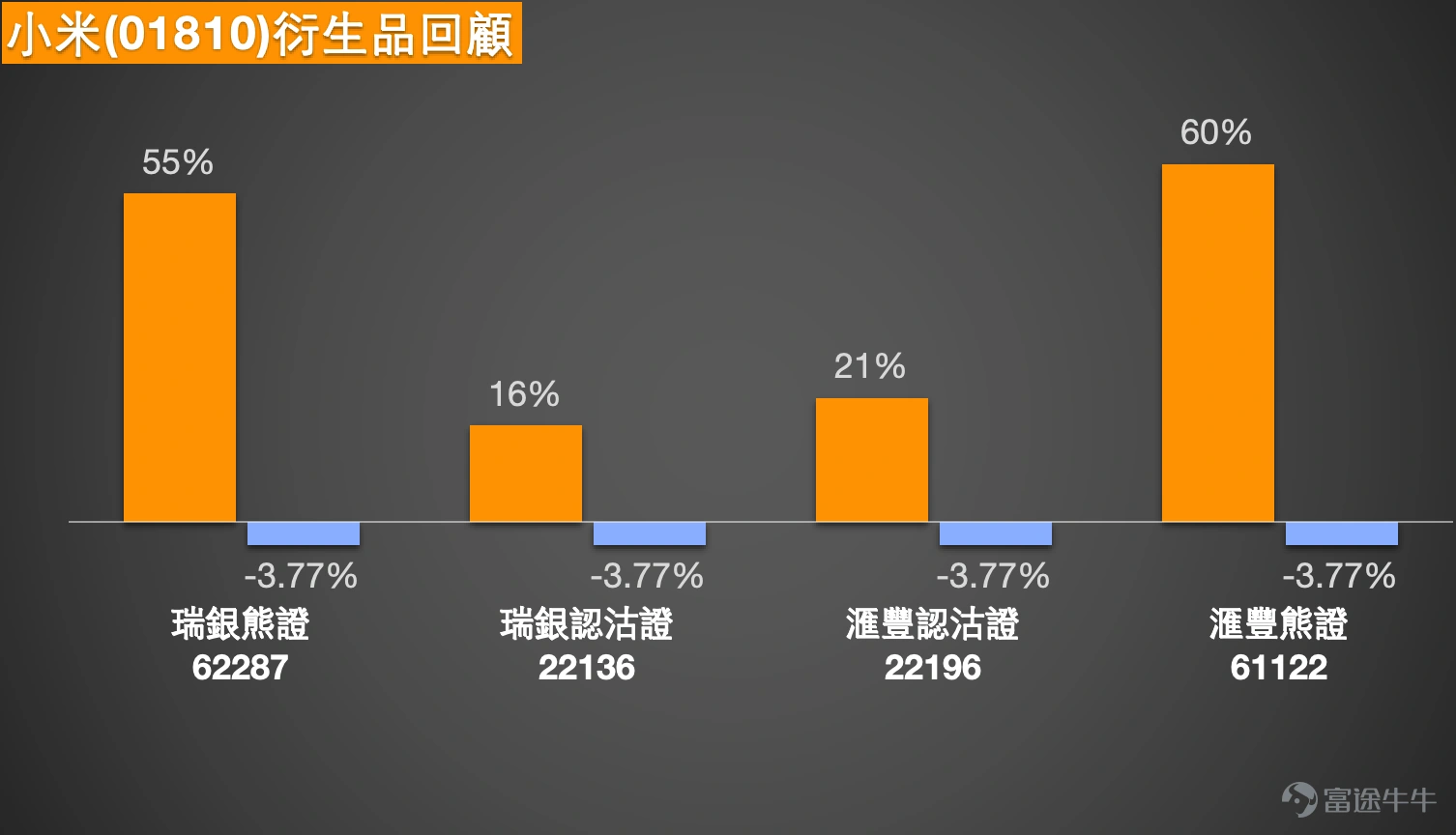
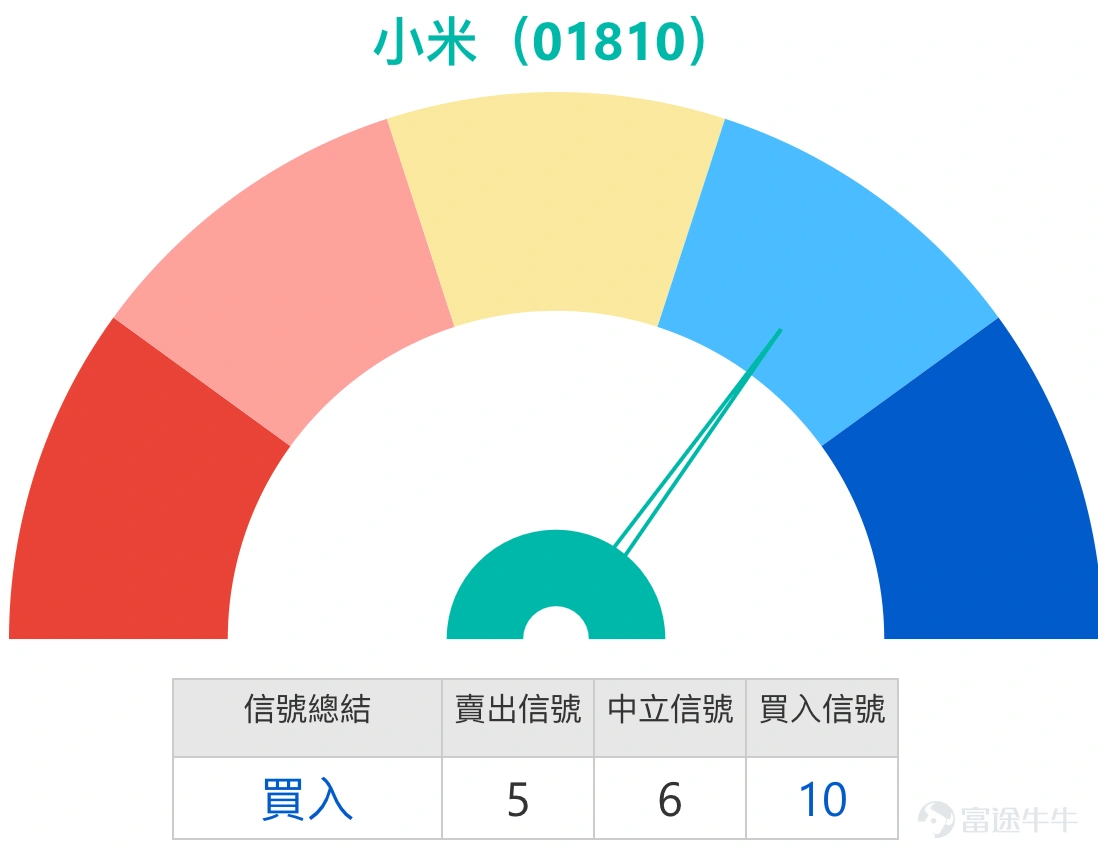
1. Xiaomi Group-W (01810.HK): The resistance at 40 yuan is quite strong, where is the support? Investors are looking at a range of 35-38 yuan, holding bearish warrants with a stop-loss price of 45 yuan.
Simon: Let's now look at Xiaomi (1810). Compared to today's (5th) market conditions, Xiaomi has disappointed many investors. The stock price has been relatively volatile recently, stuck in a sideways consolidation pattern. Today, the stock price ultimately fell, but the trading volume increased, which is not a good sign. After dropping earlier, the stock did attempt to rise, but the upward momentum couldn't be sustained, and now closing at around 39.3 yuan. Some investors believe that the resistance at 40 yuan is significant, which makes sense because several times over this period, the stock rose to about 40 yuan before falling back down.
Some investors also ask where the support level is likely to be. In the short term, the support level is approximately at 38.4 yuan, and if it breaks below that, it could drop further to 35.8 yuan, which can serve as a reference. The 38.4-yuan mark is actually close to the bottom of the Bollinger Bands. However, according to the summary of technical signals, there is a slightly positive signal, with 10 buy signals and 5 sell signals temporarily, indicating that “buy” signals slightly outnumber sell signals. Therefore, from a technical analysis perspective, there are more bullish signals than bearish ones in the short term, based on the results of technical signal calculations.
1. Tencent Holdings (00700.HK): What is the short-term resistance? In the warrant market, some investors think a rounded top has formed and have taken short positions, holding bearish warrants with a stop-loss price of 640 yuan.
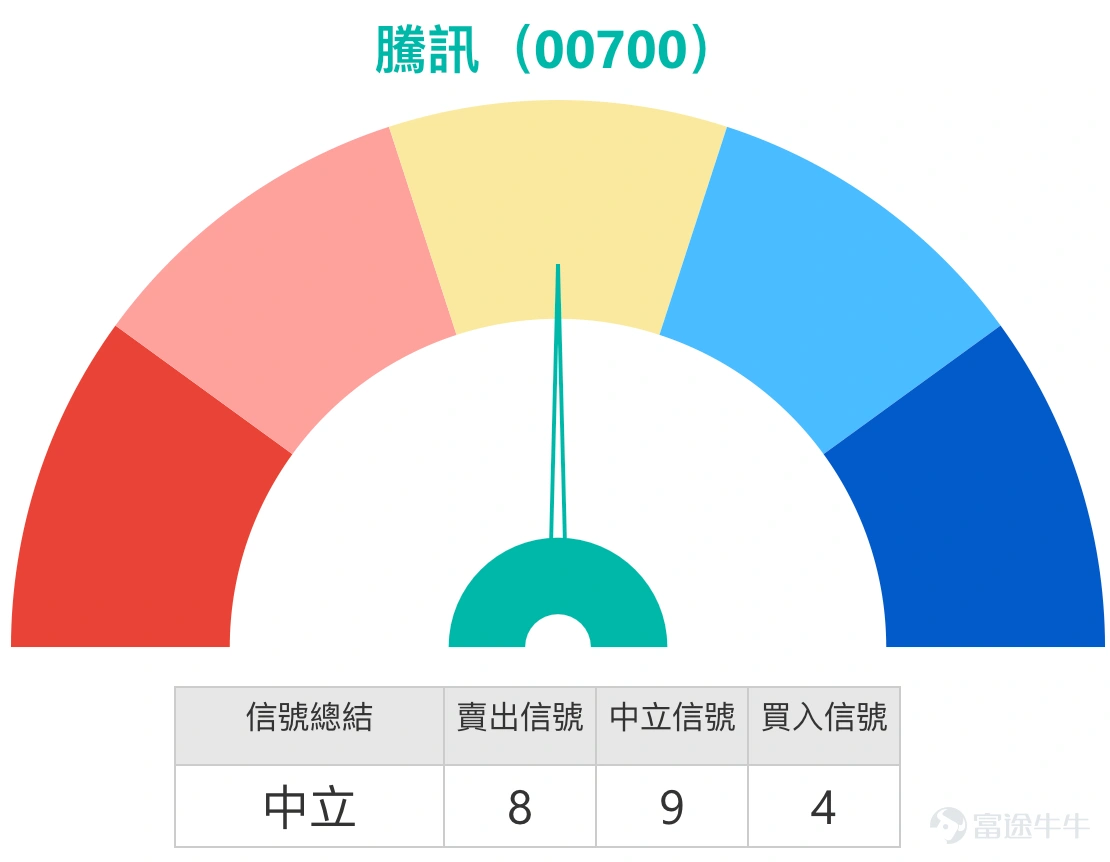
Simon: Lastly, let's talk about another stock that gets a lot of attention, Tencent (700). Tencent's share price continued to rise slightly today (5th). Compared to other stocks we've mentioned, the increase wasn’t particularly significant, but it was still an uptick, and trading volume supported the rise as well. It's worth noting that the RSI indicator is starting to get a bit high, reaching 71, which I’ll mention for your reference.
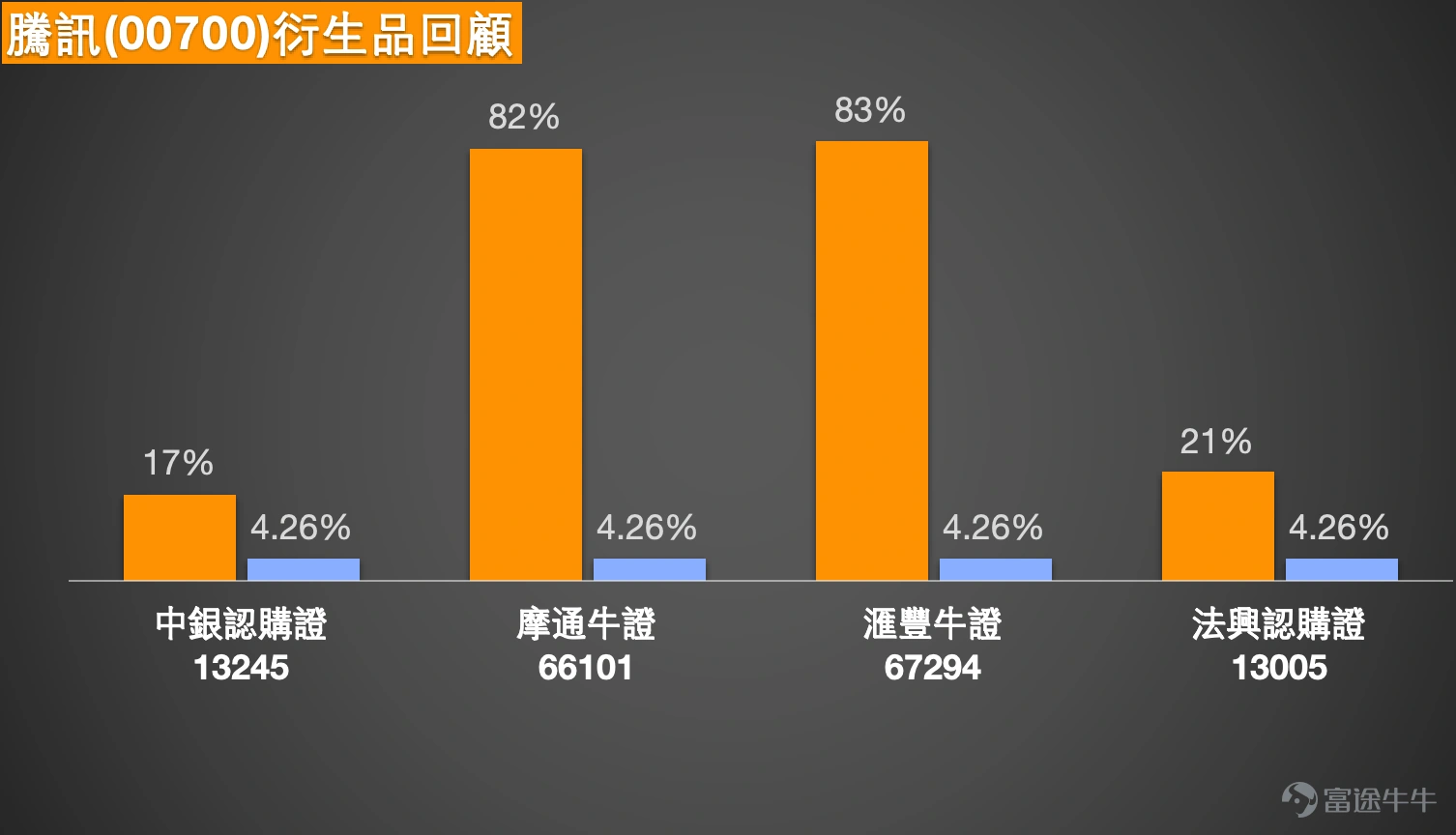
Some investors are concerned about where the short-term resistance might be, wondering if the stock will begin to pull back after rising to a certain level. In the warrant market, some investors have started to deploy products betting on a downward move. In the short term, Tencent's resistance level is around 629 yuan, and if it breaks above that, it could rise further to 657 yuan, which serves as a reference point.
Regarding the summary of technical signals, Tencent currently appears “neutral,” showing no clear direction. So when technical signals are neutral, whether you're bullish or bearish, don’t be too aggressive; this is something to keep in mind. Of course, there are different analytical methods and tools in the market, all aiming to provide more diverse references. Ultimately, everyone must make their own judgments and decisions based on their risk tolerance. $BITENCT@EC2703A.C (13245.HK)$$JP#TENCTRC2607L.C (66101.HK)$$SGTENCT@EC2703A.C (13005.HK)$
That’s all for today. If you have any questions about individual stocks or warrants, feel free to leave us a comment. Next time, we'll discuss other stocks. Bye for now!
Disclaimer: This article does not constitute any investment advice.
This article is for reference only and does not constitute any investment advice. The market data, opinions, and analysis contained herein may change at any time without prior notice. We shall not be liable for any loss or damage arising from reliance on the information in this article. Technical analysis merely indicates whether certain technical conditions are met; a comprehensive evaluation of asset performance should incorporate additional data. Trading decisions should not be based solely on the content of this article. Please note that past performance is not indicative of future results.
Risk Disclaimer: The above content only represents the author's view. It does not represent any position or investment advice of Futu. Futu makes no representation or warranty.Read more

Comments
to post a comment
4
10