
2025 Year-End Special (II) | When AI Becomes Infrastructure, How Do We Reinterpret Long-Term Assets? Top 20 Key Trends in Technology and Wealth Management for 2026
Today is the last day of 2025.
At this point in time, rather than reflecting on gains and losses, we hope to leave behind something—some long-term insights worth carrying forward into the new year and repeatedly validating.
Over the past few years, AI has mostly been discussed as a technological breakthrough, an investment theme, or even an efficiency revolution. But looking back today, we are increasingly realizing:What AI is changing is not just productivity, but the very structure of wealth itself.
It is redefining three long-term questions:
What truly constitutes a long-term asset?
What kind of system is worth continuous trust?
And what can continuously create stable value in an era of high uncertainty?
This is why, from Noah's perspective, AI is not just an opportunity to “bet” on, but a structural shift that will last 10–20 years. Like electricity and the internet, it is transitioning from 'technological innovation' to 'operational infrastructure,' and from 'imagination-driven' to 'responsibility and results-driven.'
This year, we have continued to iterate on our assessments and practices around these changes. Whether it’sthe ongoing global asset allocation and structural research published by Noah Holdings' CIO Office, orAI RM "Noya", their introduction essentially aims to answer a longer-term question:How to help clients maintain safety, resilience, and optionality as AI technology profoundly reshapes the world.
When information is no longer scarce, when models can be quickly replicated, what becomes truly scarce are trustworthy systems, stable cash flows, sustainable compliance capabilities, and cross-cycle judgment. These elements are becoming one of the most important "underlying assets" in the AI era.
Based on this understanding, we share this set of"Top 20 Key Trends in Technology and Wealth Management for 2026", covering infrastructure, computing power and energy, trust and compliance, geopolitical landscape, corporate cost structures, and long-term strategies for high-net-worth families.
This is our comprehensive review and consolidation on the last day of 2025, focusing on some certainties that are shaping up for the next decade. We hope to work with you to understand the ongoing changes from a longer-term perspective.
AINo longer just a concept, but"operational infrastructure"
01
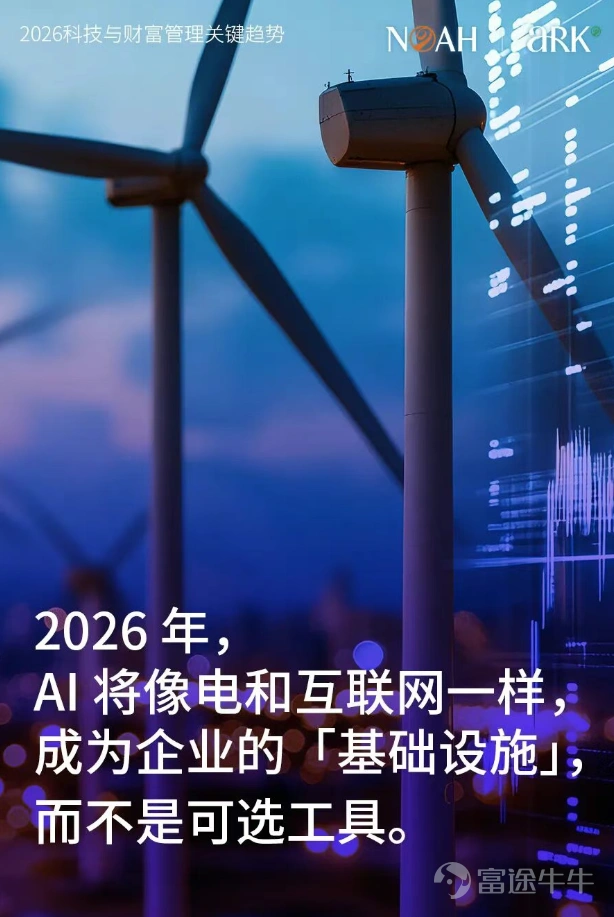
By 2026, AI will become an "infrastructure" for businesses, like electricity and the internet, rather than an optional tool.
For investors, this representslong-term capitalRather than short-term trends.
02
What truly creates value is not 'the smartest AI,' but'the most trustworthy, stable, and controllable AI'。
Future premiums will belong to'trustworthy systems'rather than 'showy models'.
03
Companies are starting to demand AI deliver'results and accountability'instead of demos and imagination.
AI is transitioning from 'story-driven' to"Cash flow-driven"。
computing powerandEnergy, becoming the"new land"
04
Computing power ≠ chips; the real bottleneck of computing power is:Electricity, data centers, networks, and compliance。
AI is, in essence,"capital-intensive and long-cycle"industry.
05
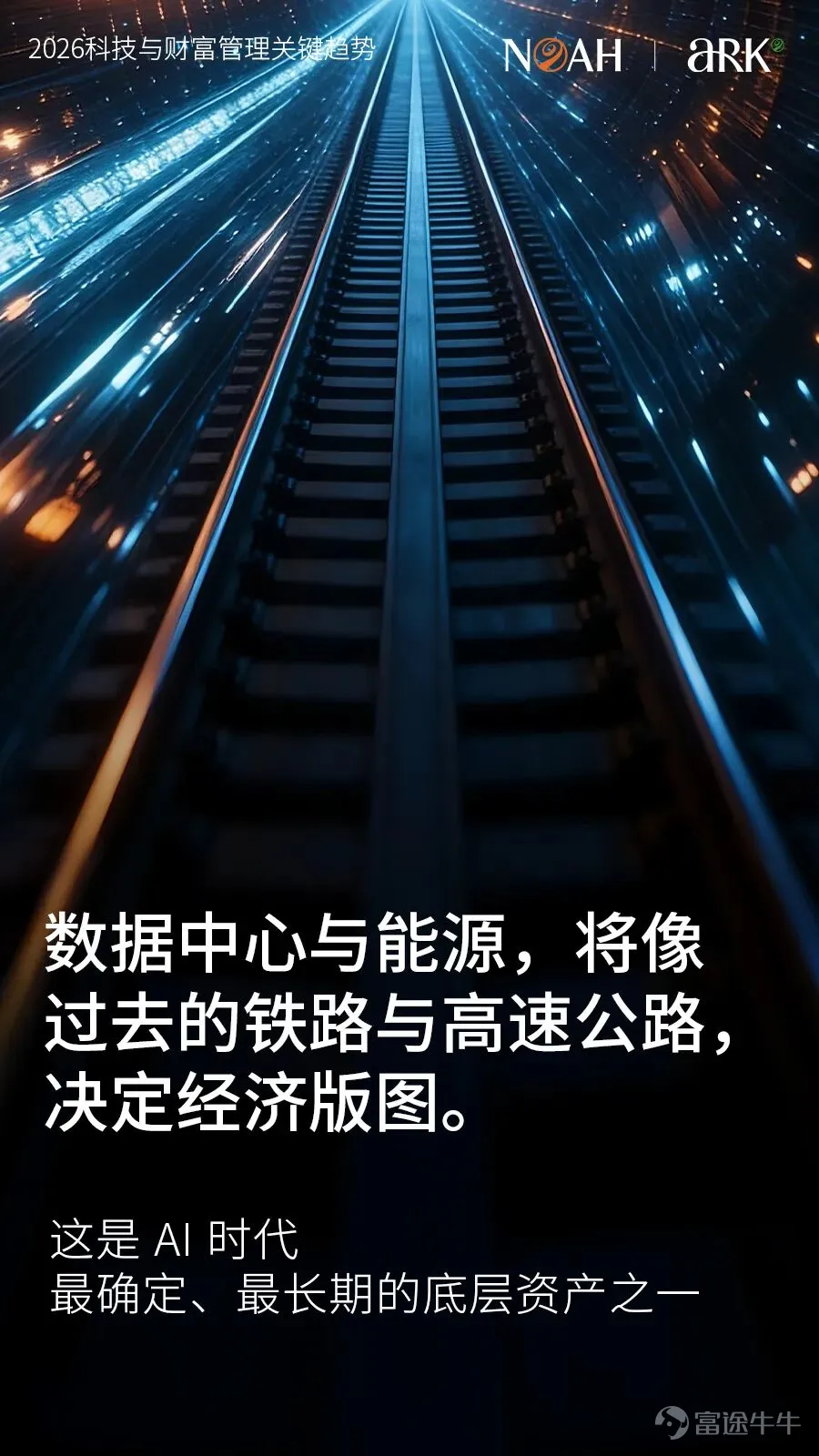
Data centerandEnergy, which will determine the economic landscape much like railways and highways did in the past.
This is the AI eraThe most certain, longest-termunderlying asset之一.
06
In the next 5-10 years, within AI investments,“the steadiest part”, it's not in applications, but rather inInfrastructure。
Similarfiber optics from the early days of the internet.andData center。
AI causes“trust”to be repriced.
07
In the AI era, information is no longer scarce; what’s truly scarce is"Reliable information"。
trustand will becomeNew moat。
08
Able to demonstrate"Data sources, decision-making processes, accountability"Companies with these attributes will have significantly higher valuations.
ComplianceNot a cost, but aLong-term premium。
09
Future customers will be willing to pay a higher price for systems that are"Secure, accountable, and uninterrupted"
This is a source of high-quality cash flow.
GeopoliticsandRegulatory Oversight, is reshaping the technology landscape
10
AI is no longer a globally unified market but is moving towards 'regionalization, compliance, and fragmentation'.
Investments must considerGeopoliticsandInstitutional differences。
11
Data, computing power, and AI systems are being regulated like financial assets.
"Compliance capability"has become a core competency for technology companies.
12
Companies are starting to develop contingency plans in anticipation of 'policy uncertainty.'
ResilienceMore important than achieving ultimate efficiency.
AI is transformingthe cost structure of companies
13
The greatest value of AI lies not in replacing humans, but in reconfiguring organizational efficiency and decision-making methods.
High-quality companies will become stronger, while mediocre ones will be eliminated more quickly.
14
The future profit gap between companies will come from 'who integrates AI into processes earlier' rather than who adopts AI first.
This is‘Execution dividend’。
15
AI will amplify management capabilities rather than evenly distribute efficiency.
Market leader effectIt's accelerating.
From an investment perspectiveThree long-term conclusions
16
AI represents a 10–20-year structural transformation, not a cyclical theme.
RequiredLong-term、hierarchical、PatienceConfiguration.
17
Genuinely high-quality AI investments are often 'unsexy' but extremely stable.
Infrastructure、Energy、network、Safetywith higher odds of success.
18
The best AI assets in the future will often possess three key traits: scale, compliance, and cash flow.
Direct implications for high-net-worth familiesImmediate insights

19
Wealth management in the AI era is not just about 'what to invest in,' but"How not to be left behind by the times"。
includingAssets、Identity、HealthcareandIntergenerational arrangements。
20
The real long-term winners are those who can, amid technological changes,maintain safety, resilience, and optionality,within their families.
The essence of wealth is,"the ability to deal with uncertainty."。
For Noah, wealth management has never been about getting something right in a particular year, but about whether, through repeated structural changes, we consistently stand by our clients, helping them maintain safety, resilience, and optionality.
As we move into 2026, AI will continue to evolve, and the world’s uncertainties won’t disappear. But we believe that as long as the underlying understanding is clear and the direction of long-term assets is correct, Chinese families can steadily progress amidst changing times.
On the last day of 2025, we place this understanding in your hands. May it serve as a trustworthy reference at future critical moments.
Risk Disclaimer: The above content only represents the author's view. It does not represent any position or investment advice of Futu. Futu makes no representation or warranty.Read more

Comments (2)
to post a comment
2
2