Hesai Unveils its Self-Developed RISC-V LiDAR Main Control Chip Fermi C500, with Upgraded 256-Line ATX
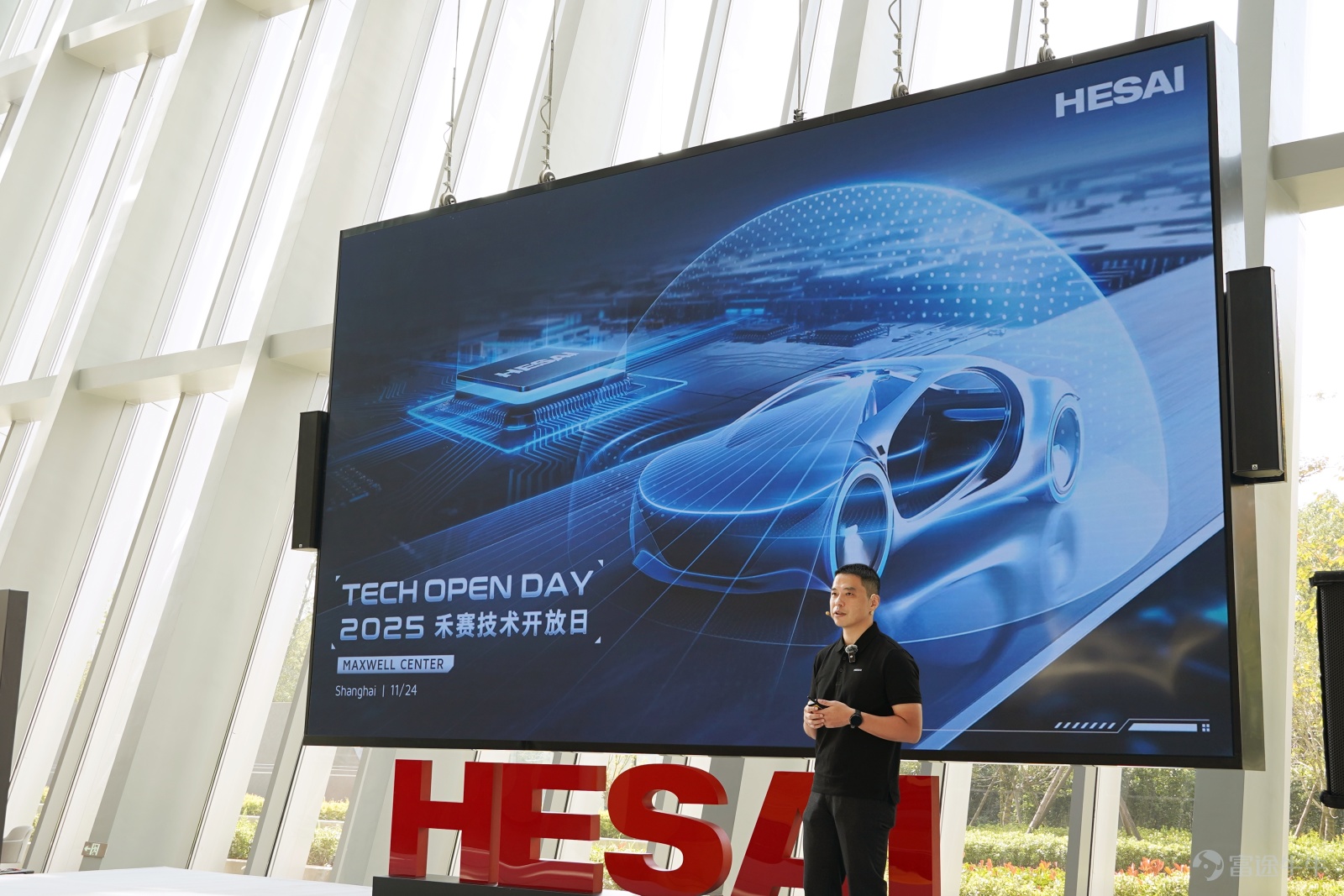
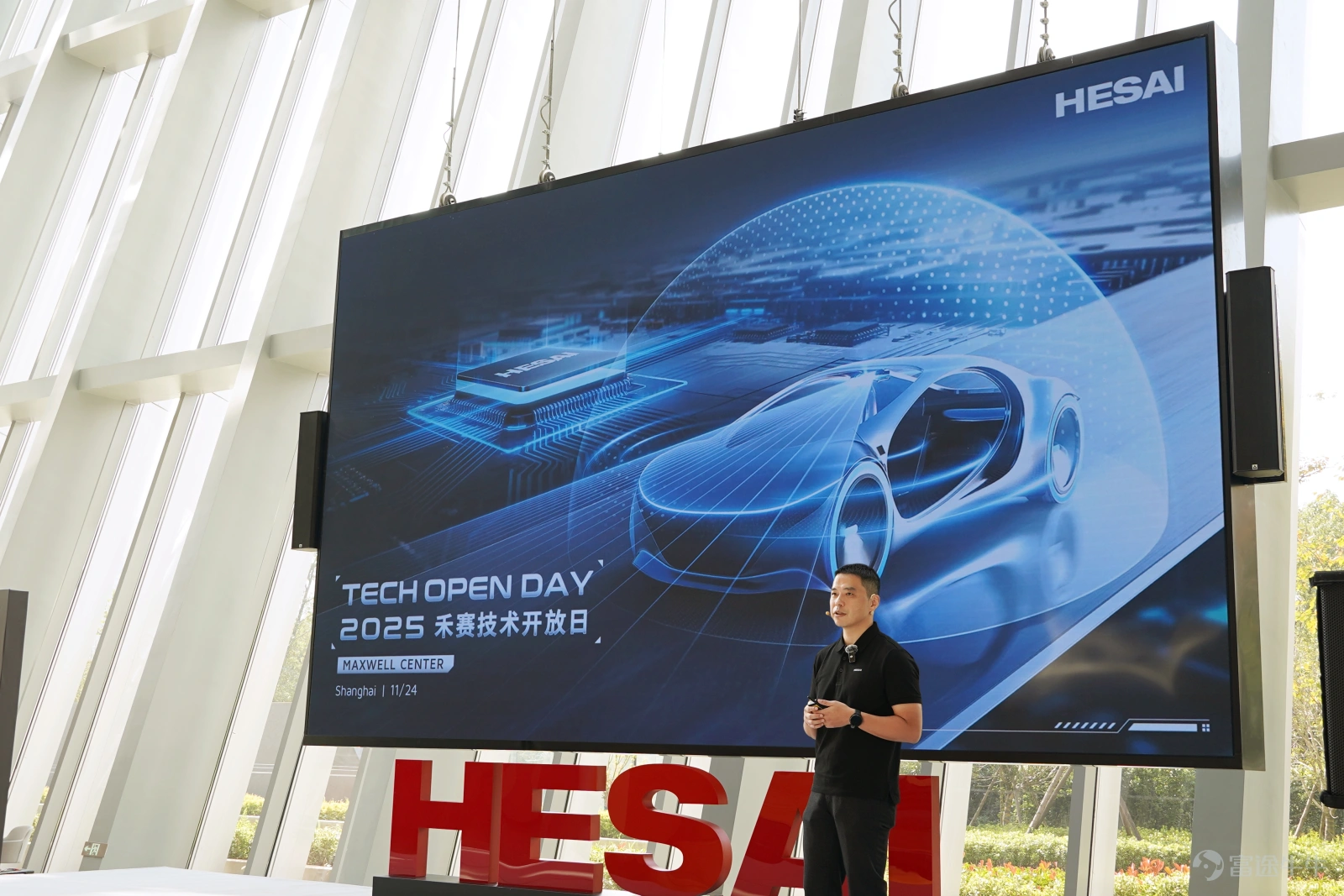
On November 24, Hesai Group (NASDAQ: HSAI; HKEX: 2525), the global leader in LiDAR technology, hosted its 2025 Technology Open Day at the Hesai Maxwell Global R&D and Manufacturing Center in Shanghai. Dr. Kai Sun, Co-founder and Chief Scientist of Hesai Group, delivered a presentation titled 'The LiDAR Dilemma: Pushing the Upper Limit or Safeguarding the Lower Limit.'Unveiled the high-performance Fermi C500 intelligent main control chip for LiDAR, based on the RISC-V architecture.Simultaneously announcedthe world’s only “Photon Isolation” safety technology,and the 256-line safety LiDAR ATX Refresh Edition.Currently, the “Photon Isolation Technology” has been fully integrated into Hesai's main LiDAR models, including ATX and ETX, offering unparalleled safety and reliability within the industry, achieving absolute “zero false alarms” at the physical level.
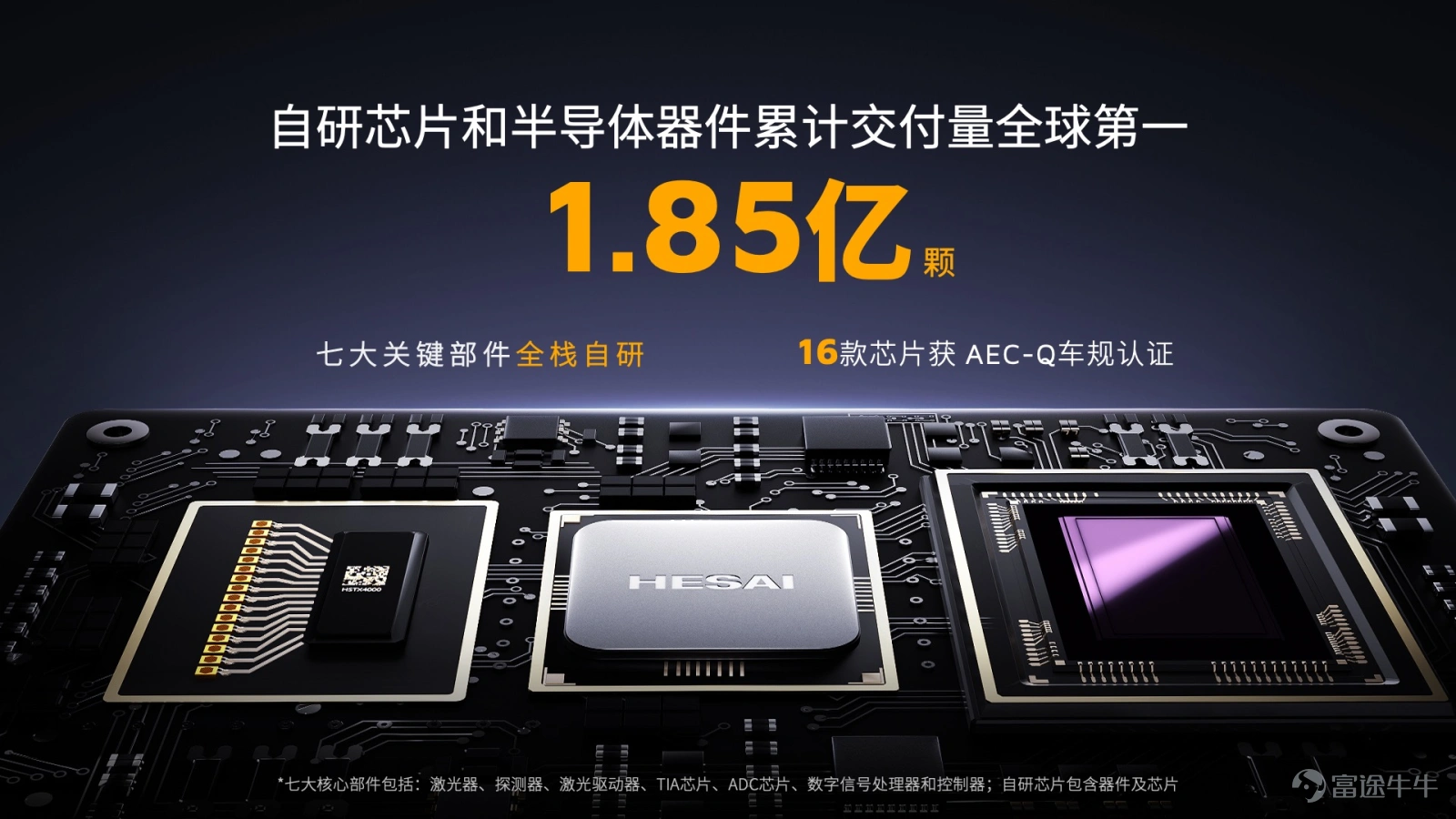
Cumulatively delivered 185 million units, completing the final piece of the full-stack self-developed puzzle.
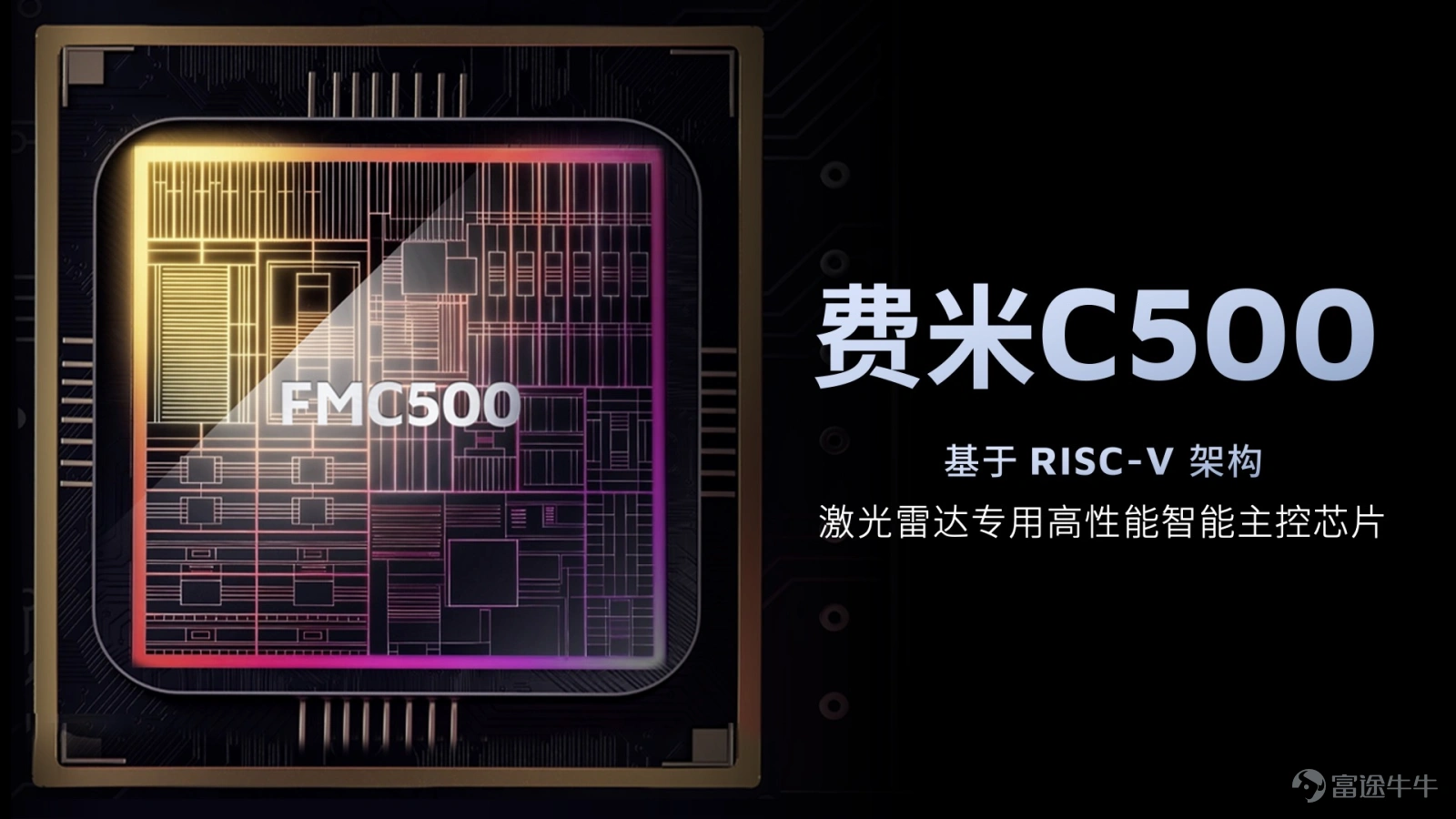
Hesai's high-performance intelligent main control chip Fermi for LiDAR C500, which fills in the last piece of Hesai’s fourth-generation fully self-developed chip platform. Fermi C500 adopts the independently controlled RISC-V architecture, ensuring supply chain security and technological iteration autonomy. The single-chip integration of MCU, FPGA, and ADC into one system isthe world’s first LiDAR-dedicated main control chip with dual certification for functional safety and cybersecurity on a single chip,meets the stringent requirements for reliability and information security in automotive scenarios at the hardware level. At the same time, it is alsothe world's first lidar-dedicated main control chip with a built-in intelligent point cloud engine (IPE), integrating a 256-core waveform processing unit, intelligent filtering of environmental noise, and adaptability to complex weather conditions, providing high-precision perception for autonomous driving in all weather conditions.
Since 2017, Hesai has been strategically investing in the research and development of application-specific integrated circuits (ASICs) for lidar. By simplifying product architecture and optimizing design, the company has significantly improved performance, quality, and cost efficiency, gaining a competitive edge in the highly contested market. Its chip products have achieved large-scale mass production across all series, establishing a robust technological barrier. Years ago, Hesai predicted that a chip-based transceiver architecture would be the ultimate solution for lidar, affirming that a top-tier lidar company must also be a top-tier chip company.
After developing four generations of chip platforms, Hesai is currently the only company in the industry to achieve full-stack self-development of seven key components, including lasers, detectors, laser drivers, TIA chips, ADC chips, digital signal processors, and controllers,covering the entire stack of critical parts.in the field of lidar.(1)As of November 2025, Hesai has Hesai Group has obtained AEC-Q automotive-grade certification for 16 self-developed chips, with cumulative deliveries reaching 185 million units.(2)It ranks first globally in the industry. Leveraging its self-developed chip strategy, Hesai Group has developed a robust product portfolio, including the AT, ET, and FT series, as well as the XT, OT, and JT series, which have rapidly gained market recognition and secured numerous mass production contracts both domestically and internationally.
All LiDAR systems are “digital,” and Hesai maintains leadership across its entire product range.
Addressing industry misconceptions regarding the classification of “digital LiDAR versus analog LiDAR,” Hesai clarified that all LiDAR systems are inherently “digital.” The operation of every LiDAR system involves an essential step of “analog-to-digital conversion,” ultimately outputting digital signals, functioning similarly to digital cameras. Among the three mainstream laser detection technologies—APD, SiPM, and SPAD—there is no intrinsic superiority. Just as automakers producing pure electric vehicles can also develop range-extended models, and vice versa, both fall under the category of new energy technologies. No single technology is more advanced; rather, each is suited to different user needs.

Hesai has made strategic investments in all three laser detection technologies, maintaining industry leadership in each. Notably, the Pandar series of APD-based digital LiDAR is the undisputed sales leader in the L4 high-performance LiDAR category. Nine out of the top 10 global Robotaxi companies have chosen it as their primary LiDAR solution, achieving a market share exceeding 60% in the global autonomous driving sector.(3), contributing cumulative revenues of over 3 billion yuan.(4)Moreover, the AT series of SiPM-based digital LiDAR serves as the benchmark product in the L2 automotive-grade primary LiDAR market. Combined deliveries of the AT128 and ATX models have reached approximately 2 million units.(5), with a market share approaching 50%.(6)。
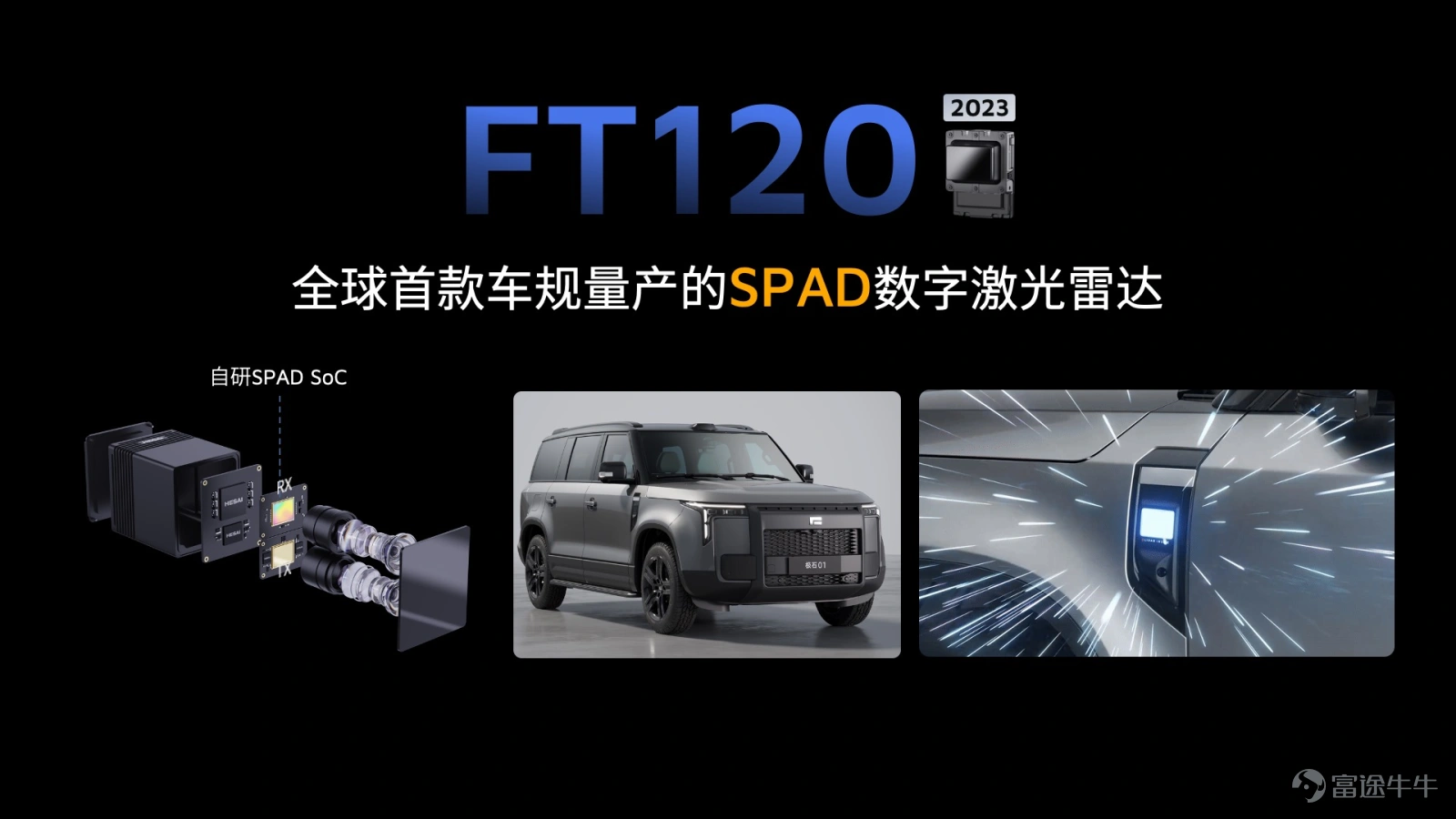
Hesai is also the leading LiDAR company globally in terms of SPAD deployment. Hesai began strategically laying out SPAD technology as early as 2018 and completed the strategic acquisition of Fastree 3D, a Swiss chip design company, by the end of 2023. It has now become the LiDAR enterprise with the earliest and most extensive patent technology reserves for SPAD digital LiDAR worldwide. The Hesai FT120, a short-range digital LiDAR released in 2022, is the world's first automotive-grade mass-produced SPAD digital LiDAR to be installed in vehicles.
This year, Hesai's latest release, the ETX, an 800-line SPAD digital LiDAR, is the longest-range automotive-grade ultra-long-distance LiDAR in the world, designed specifically for L3 and L4 autonomous driving as a high-performance product. The ETX is equipped with China’s first self-developed SPAD-SoC chip for long-range LiDAR and can be installed behind the windshield inside the cabin, achievingan ultra-long detection range of 400 meters (@10% reflectivity),with an angular resolution of up to 0.05° x 0.025°.
Meanwhile, the FTX, released earlier this year, is Hesai’s second-generation all-solid-state automotive-grade LiDAR and an upgraded version of the FT120, the world’s first self-developed SPAD LiDAR to achieve automotive-grade mass production. Its core technology has undergone significant upgrades, utilizing all-solid-state electronic scanning to support a horizontal field of view of up to 180° and a vertical field of view of 140°, making itthe all-solid-state automotive-grade LiDAR with the widest field of view globally.
ETX has been awardeddesign wins from multiple leading overseas automakers and domestic emerging new forces;The ETX+FTX 'Thousand Li Eye B' product combination has also securedthe industry's only L3-level passenger vehicle LiDAR full suite design win.

Photon isolation technology enhances safety dimensions, and 'zero false alarms' is the hallmark of a secure LiDAR.
LiDAR is a crucial sensing device that provides a safety net, and "safety and reliability" has always been the primary product logic adhered to by Hesai. Many of the important related metrics are not directly reflected in explicit parameters. As early as 2018, Hesai pioneered globallyLiDAR encoding technology,resolving the 'false triggering problem' caused by interference from other LiDARs. Every laser beam now acts as a unique code, establishing Hesai’s industry-leading position with safer and more reliable mechanically rotating LiDARs. It was precisely this innovative technology that enabled Hesai's Pandar series to break overseas monopolies and capture the largest global market share in the autonomous driving sector.
Currently, some traditional SPAD-based main LiDAR solutions within the industry cannot guarantee safety because these designs rely ononly a few laser emitters.Meanwhile, the receiving endreceives light in parallel through dozens of receiving channels without isolation between them,which can easily lead to safety risks such as 'ghosting,' 'high-reflection bloating,' and 'false filtering.' 'Ghosting' refers to the phenomenon where a target signal is detected despite the absence of an actual object. 'High-reflection bloating' refers to the distortion and bloating of point clouds when scanning highly reflective objects, which can only be addressed by algorithmically filtering out the entire region, potentially resulting in the 'false filtering' of critical information. These situations can easily cause major safety hazards such as AEB false triggers, false alarms, or missed detections, which are exacerbated in rainy conditions.
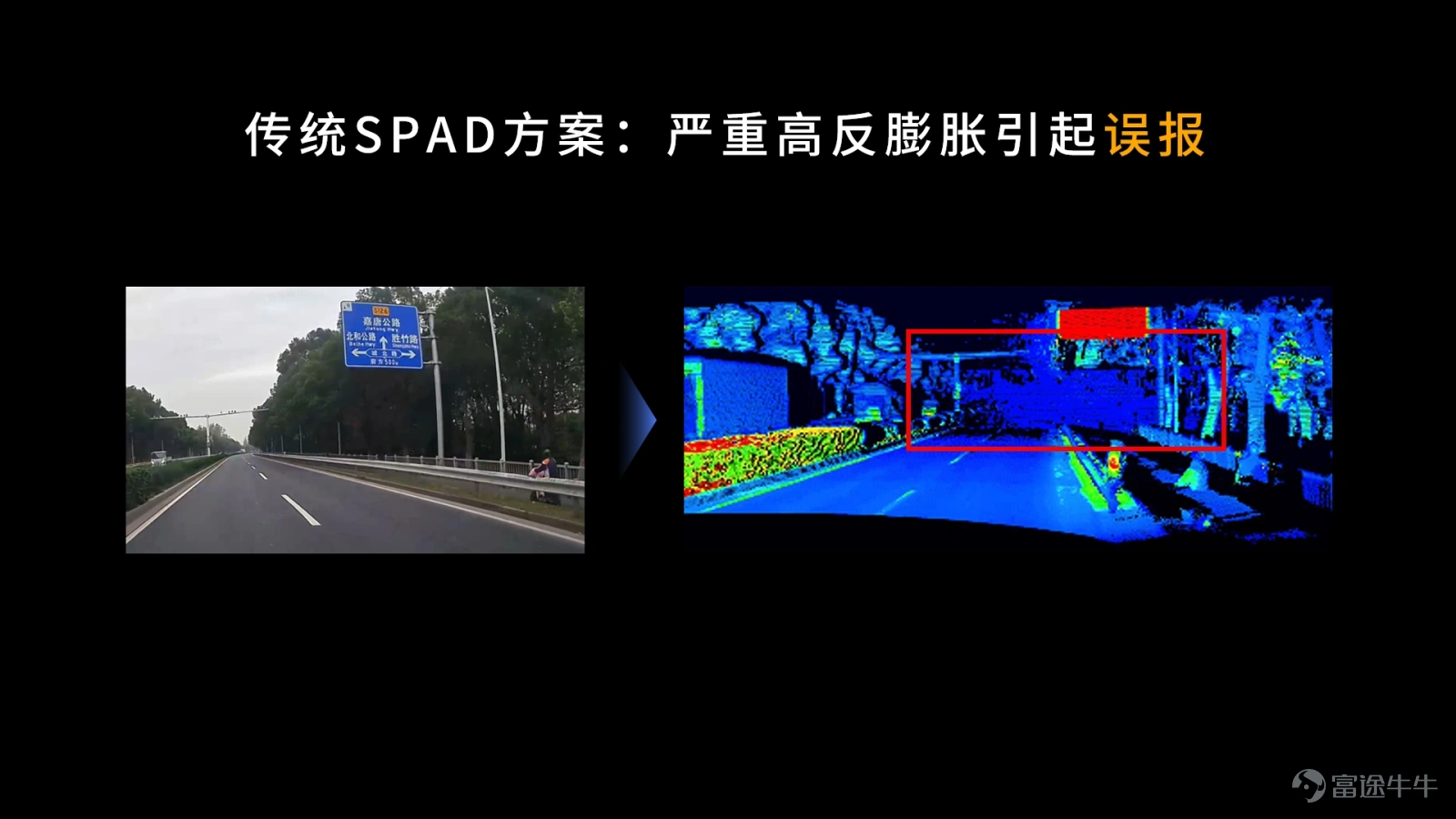
Severe false alarms: When traditional SPAD LiDAR encounters highly reflective objects, large obstacle signals appear out of nowhere within its field of view.
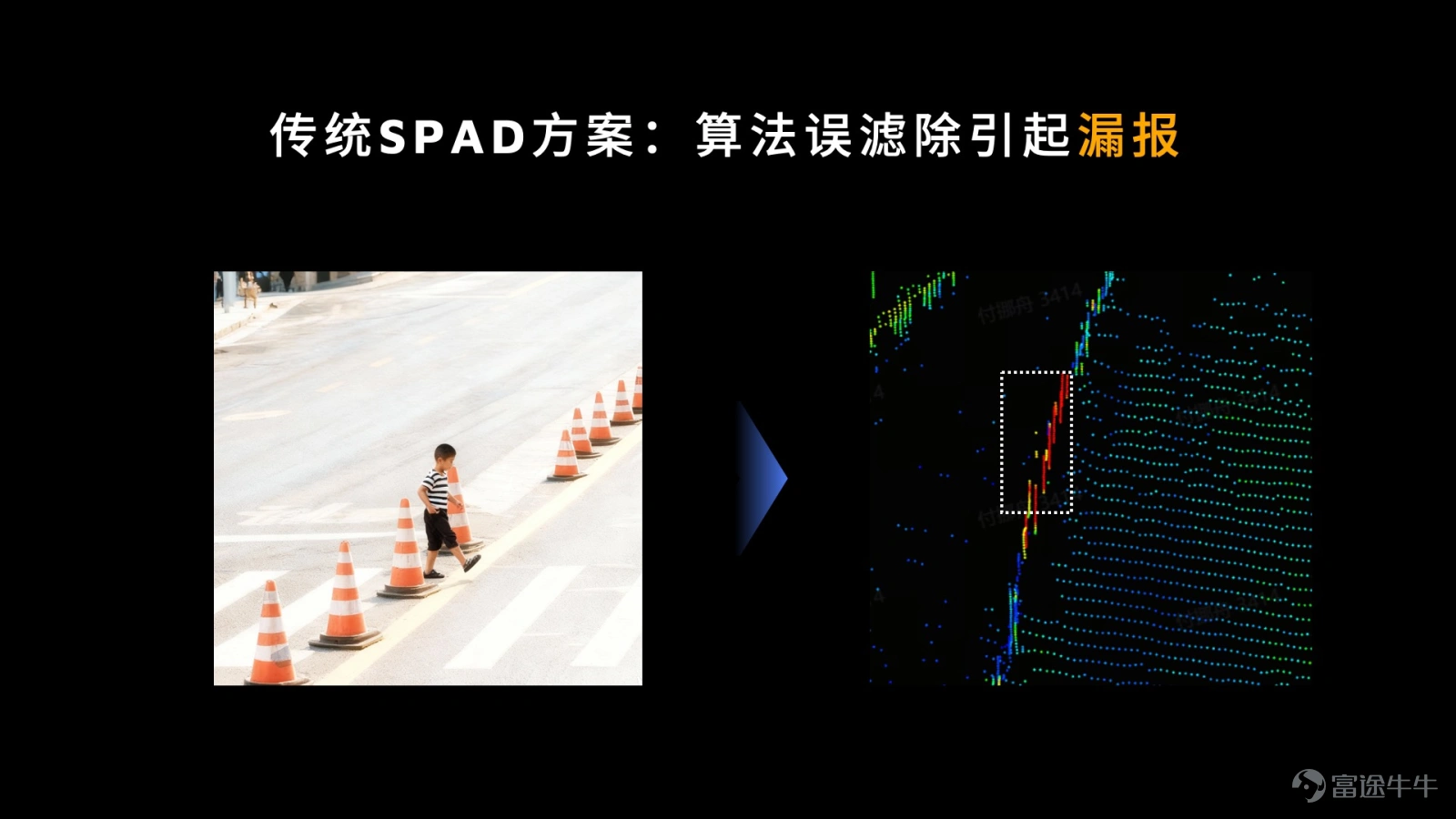
Severe missed detections: Pedestrians crossing the road are mistakenly filtered out by traditional SPAD LiDAR when standing near highly reflective objects.
LiDAR serves as a last-resort safety measure in scenarios where visual systems are unreliable,and even 1% unreliability almost equates to 100% life-or-death danger.
Hesai's globally pioneering photon isolation technology ensures that photons received by each laser channel do not interfere with one another. Hundreds of lasers are matched one-to-one with hundreds of detection channels, and the number of independently operable laser channels reaches an order of magnitude ten times higher than traditional SPAD solutions, effectively avoiding 'ghosting' caused by crosstalk between channels. Each laser can emit light independently and features dynamic exposure functionality, achieving photon isolation at the physical level. Whether in high-reflection expansion scenarios or rainy conditions, the point cloud demonstrates exceptional confidence levels, safeguarding the baseline safety of LiDAR.
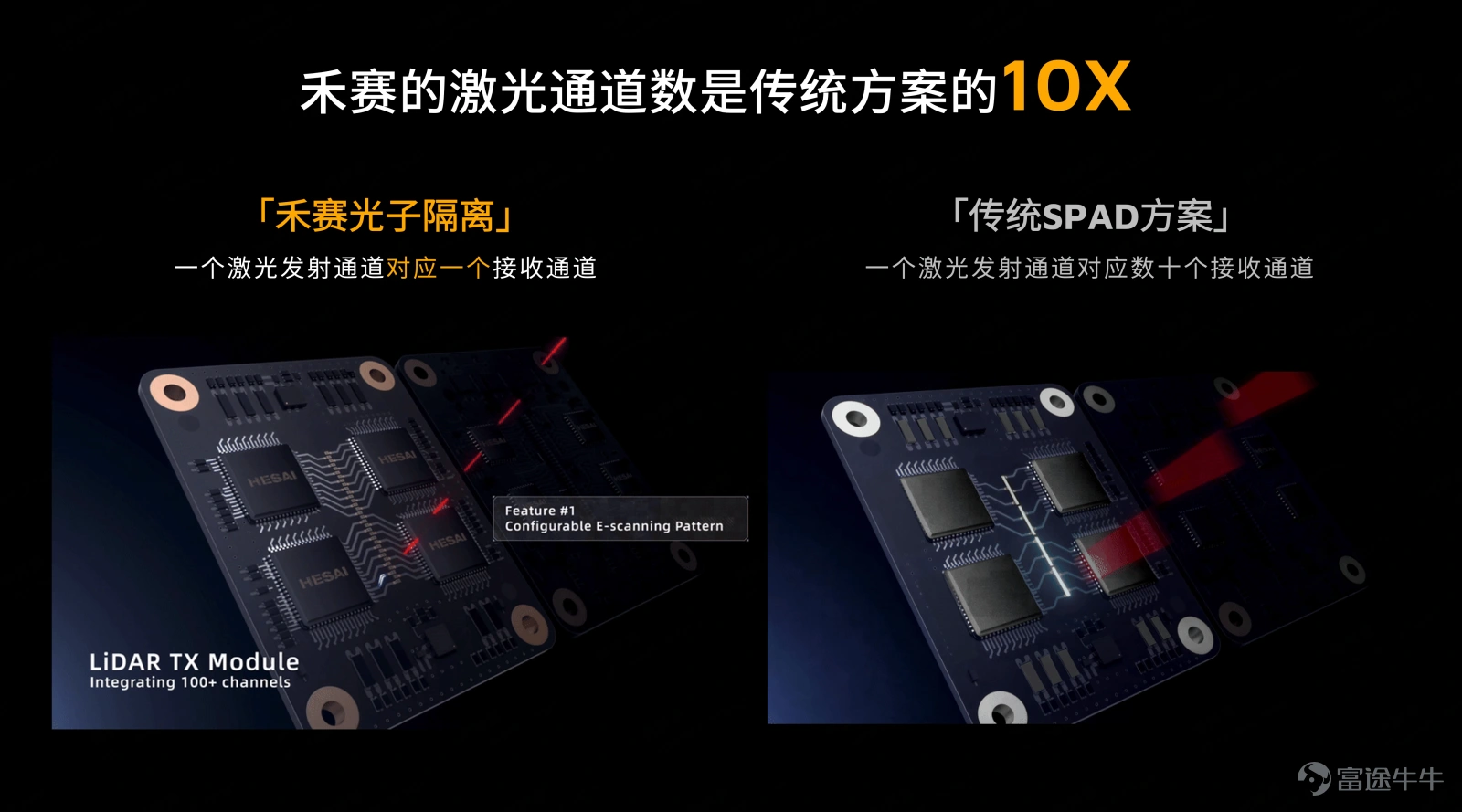
Hesai's LiDAR is more akin to a headlamp composed of a programmable LED array, where each LED can be controlled independently; in contrast, traditional SPAD solutions are more like conventional halogen headlights made up of several large bulbs, which can only illuminate an area all at once. Hesai’s photon isolation technology has been integrated into its various main LiDAR models, including the Pandar series, AT series, and ETX, achieving 'zero false alarms' at the physical level and offering reliability far surpassing industry standards.
The upgraded version of ATX with doubled performance has secured orders for 4 million units.
This time, Hesai has significantly updated the ATX LiDAR by launching the revamped ATX equipped with the Fermi C500 chip, a 256-line SiPM LiDAR. The ATX is Hesai’scompact long-range LiDAR designed to meet the safety requirements of L2 autonomous driving systems in connected vehicles.With its exceptional long-distance measurement capability, it can detect potential hazards in advance, significantly enhancing the proactive safety of vehicles. Mass production of the ATX will commence in the first quarter of 2025, and so far,nearly 1 million units have been delivered cumulatively,(5)making it the most widely adopted standard safety component for mass-produced models in 2025.
As a product that achieves optimal performance and minimal safety thresholds, the flagship configuration of the upgraded ATX features 256 lines, with the best angular resolution reaching 0.08° x 0.05°, a detection range of up to 230 meters (@10% reflectivity), and a point frequency of 3,840,000 points per second—double the performance compared to the previous generation.(7)Moreover, Hesai has implemented numerous enhancements to elevate safety standards, such as embedding photon isolation technology and integrating the point cloud intelligence engine (IPE) into the Fermi C500 chip. These innovations ensure robust performance under high reflection expansion, rain, fog, and noise conditions, vastly improving all-weather capabilities.
Currently, the order volume for the revamped ATX model has exceeded 4 million units, placed by multiple global leading automakers, with mass production and delivery scheduled to commence in April 2026.

Market demand for application scenarios is growing exponentially, with Hesai continuing to lead the industry.
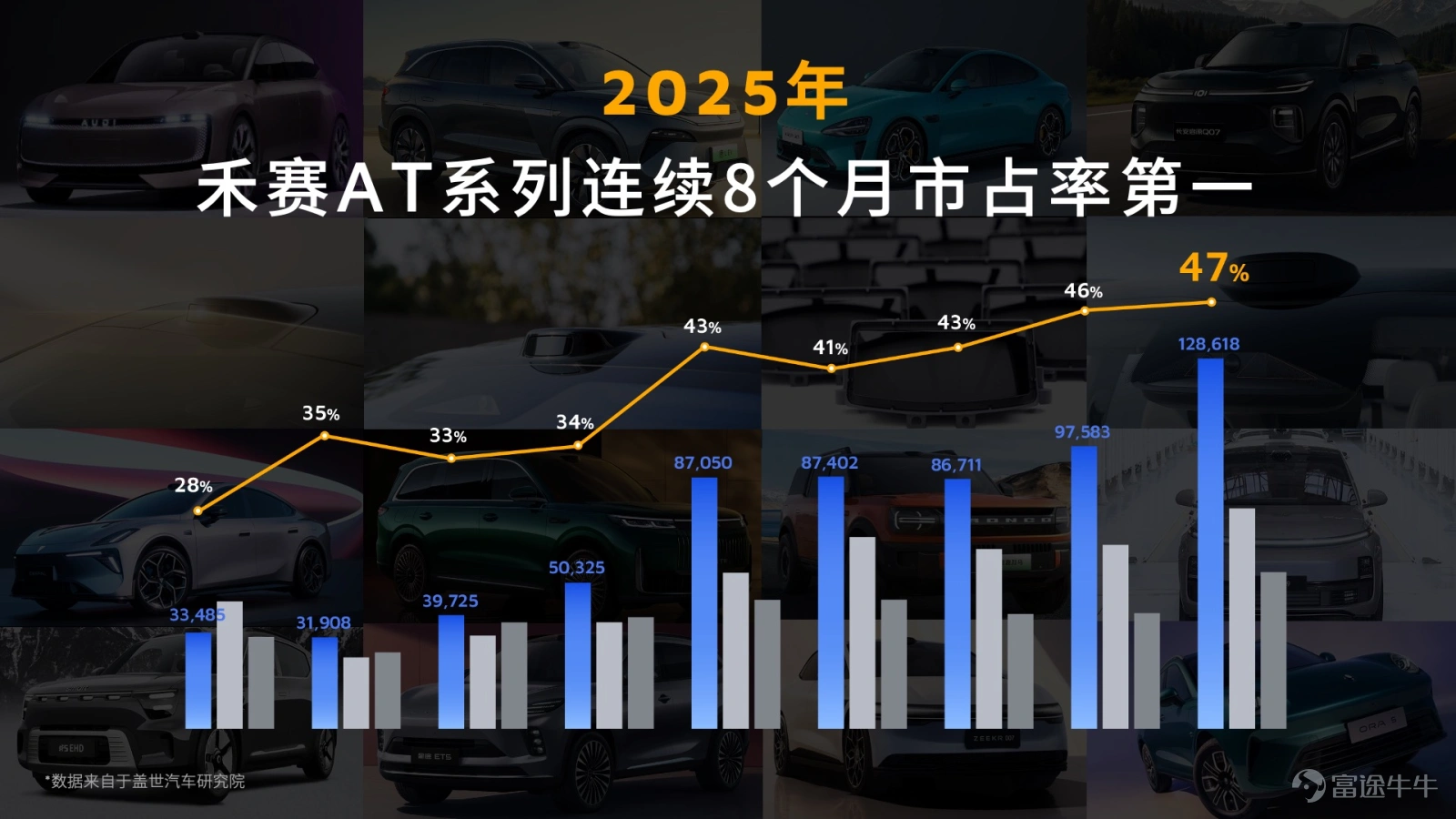
Hesai's cumulative 2 millionth LiDAR unit officially rolled off the production line and was delivered to customers in mid-November, marking another significant milestone in the industry. In September, both monthly production and global delivery volumes surpassed 200,000 units for the first time. In terms of market share, Hesai has ranked first in China’s primary LiDAR market for eight consecutive months and continues to maintain rapid growth (6).
At present, the penetration rate of LiDAR in new energy passenger vehicles has reached 20%, with one-fifth of new cars featuring it as a standard configuration.(8) Hesai's key clients include a top European automaker, the world’s best-selling new energy vehicle manufacturer, Li Auto, Xiaomi, Changan, Geely, Great Wall, Chery, Zeekr, Leapmotor, Smart, Ford Bronco, SAIC Audi, SAIC-GM Cadillac, and Toyota’s joint ventures, among other leading automakers. Moreover, Hesai has secured full-model定点 cooperation with its top two ADAS clients for 2026, achieving 100% standard configuration. The imminent implementation of L3 functionality is driving exponential demand for LiDAR, ushering the industry into an era of multi-LiDAR adoption. As safety redundancy requirements increase and relevant regulations gradually improve, the market is strongly pushing the automotive industry to equip L3 conditional autonomous driving models with multiple (3-6) LiDAR units.
Hesai has become the preferred choice for global leading robotics companies. According to data from the Gaogong Robotics Industry Research Institute (GGII), Hesai ranked first in 3D LiDAR shipments in China’s robotics sector in the first half of 2025. Nine out of the top ten global Robotaxi companies have chosen Hesai as their primary LiDAR supplier.
Currently, Hesai has provided the most critical three-dimensional perception capabilities for Physical AI 1.0—smart vehicles—and is now offering various foundational capabilities, including LiDAR, for Physical AI 2.0—robotics. In the future, Hesai will leverage its outstanding performance and extensive experience in high-end sensing semiconductor R&D, intelligent manufacturing, product iteration, and overall quality control to expand into more infrastructure business areas beyond perception. As the wave of 'intelligent autonomy for everything' sweeps in, Hesai Group is committed to becoming a core cornerstone of this transformation.
(1) According to data from CIC Consulting.
(2) Refers to the cumulative delivery volume of self-developed chips and semiconductor devices.
(3) Data cited from Yole Group's 'Global Automotive LiDAR Market Report 2025', Lidar for Automotive 2025.
(4) Data as of October 31, 2025.
(5) It is projected that by December 2025, the cumulative deliveries of the AT series will exceed 2 million units, with both the AT128 and ATX models each surpassing 1 million units.
(6) According to the rankings of China's automotive LiDAR installations for January to September 2025 released by Gasgoo Automotive Research Institute, Hesai has ranked first in China’s main LiDAR market share for eight consecutive months and continues to maintain rapid growth. Its market share rose to 47% in September.
(7) This represents the flagship configuration of the upgraded version of the ATX. Actual production parameters may vary due to customization.
(8) Based on Gasgoo Automotive Research Institute data from September 2025.
Risk Disclaimer: The above content only represents the author's view. It does not represent any position or investment advice of Futu. Futu makes no representation or warranty.Read more

Comments
to post a comment
3
1