
English
Back
Open Account
JINMA ENERGY
wrote a column ·

Beware of new types of scams: the traps behind the shopping card money laundering scheme.

Be vigilant.
"Shopping card" fraud.

Be vigilant. "Shopping card" scam. In recent years With the popularity of Mobile Payments and electronic Consumer spending. Supermarket shopping cards.It has become a common tool for daily Consumer due to its convenience. However, scammers target this medium. They design highly concealedmoney laundering scams. This makes ordinary consumers become"money laundering tools." This article will expose the operational techniques of such scams. And remind the public to strengthen prevention measures. How do shopping cards become tools for money laundering? The dual criminal chain of fraud and money laundering. Fraud groups impersonate authorities, e-commerce customer service, investment mentors, and other identities, luring victims to transfer money to specific accounts under reasons such as "Account Exception," "Rebate for Order Completion," and "Paying Deposit." To evade tracking of funds, they require victims to convert money into supermarket gift cards (such as Walmart, Carrefour, JD.com cards, etc.), and then resell them for cash to complete money laundering.Advantages and Vulnerabilities of Gift Cards AnonymityGift cards are non-nominal, without real-name authentication, making transactions difficult to trace.High LiquidityBlack market recovery channels are mature, allowing for quick depreciation and cash realization.High DeceptivenessOrdinary Consumers have low vigilance towards the "buy card" behavior and can be easily manipulated by rhetoric. Typical fraud scene restoration. Case One The "compensation trap" impersonating customer service.   The victim received a call from someone claiming to be the customer service of an e-commerce platform. It was stated that there was a quality issue with the purchased commodity and a refund was needed. However, it is necessary to first purchase a shopping card of a specified amount. As a 'verification certificate'. After the victim provides the card number and password as instructed. The scammers immediately sell the card for cash. Case Two Fraud involving the "Security Account" by law enforcement...
In recent years
With the popularity of Mobile Payments and electronic Consumer spending.
Supermarket shopping cards.It has become a commonly used tool for daily Consumer due to its convenience.
However, scammers target this medium.
They design highly concealedmoney laundering scams.
This makes ordinary consumers become"money laundering tools."
This article will expose the operational techniques of such scams.
And remind the public to strengthen prevention measures.

Be vigilant. "Shopping card" scam. In recent years With the popularity of Mobile Payments and electronic Consumer spending. Supermarket shopping cards.It has become a common tool for daily Consumer due to its convenience. However, scammers target this medium. They design highly concealedmoney laundering scams. This makes ordinary consumers become"money laundering tools." This article will expose the operational techniques of such scams. And remind the public to strengthen prevention measures. How do shopping cards become tools for money laundering? The dual criminal chain of fraud and money laundering. Fraud groups impersonate authorities, e-commerce customer service, investment mentors, and other identities, luring victims to transfer money to specific accounts under reasons such as "Account Exception," "Rebate for Order Completion," and "Paying Deposit." To evade tracking of funds, they require victims to convert money into supermarket gift cards (such as Walmart, Carrefour, JD.com cards, etc.), and then resell them for cash to complete money laundering.Advantages and Vulnerabilities of Gift Cards AnonymityGift cards are non-nominal, without real-name authentication, making transactions difficult to trace.High LiquidityBlack market recovery channels are mature, allowing for quick depreciation and cash realization.High DeceptivenessOrdinary Consumers have low vigilance towards the "buy card" behavior and can be easily manipulated by rhetoric. Typical fraud scene restoration. Case One The "compensation trap" impersonating customer service.   The victim received a call from someone claiming to be the customer service of an e-commerce platform. It was stated that there was a quality issue with the purchased commodity and a refund was needed. However, it is necessary to first purchase a shopping card of a specified amount. As a 'verification certificate'. After the victim provides the card number and password as instructed. The scammers immediately sell the card for cash. Case Two Fraud involving the "Security Account" by law enforcement...
How do shopping cards become tools for money laundering?
Be vigilant. "Shopping card" scam. In recent years With the popularity of Mobile Payments and electronic Consumer spending. Supermarket shopping cards.It has become a common tool for daily Consumer due to its convenience. However, scammers target this medium. They design highly concealedmoney laundering scams. This makes ordinary consumers become"money laundering tools." This article will expose the operational techniques of such scams. And remind the public to strengthen prevention measures. How do shopping cards become tools for money laundering? The dual criminal chain of fraud and money laundering. Fraud groups impersonate authorities, e-commerce customer service, investment mentors, and other identities, luring victims to transfer money to specific accounts under reasons such as "Account Exception," "Rebate for Order Completion," and "Paying Deposit." To evade tracking of funds, they require victims to convert money into supermarket gift cards (such as Walmart, Carrefour, JD.com cards, etc.), and then resell them for cash to complete money laundering.Advantages and Vulnerabilities of Gift Cards AnonymityGift cards are non-nominal, without real-name authentication, making transactions difficult to trace.High LiquidityBlack market recovery channels are mature, allowing for quick depreciation and cash realization.High DeceptivenessOrdinary Consumers have low vigilance towards the "buy card" behavior and can be easily manipulated by rhetoric. Typical fraud scene restoration. Case One The "compensation trap" impersonating customer service.   The victim received a call from someone claiming to be the customer service of an e-commerce platform. It was stated that there was a quality issue with the purchased commodity and a refund was needed. However, it is necessary to first purchase a shopping card of a specified amount. As a 'verification certificate'. After the victim provides the card number and password as instructed. The scammers immediately sell the card for cash. Case Two Fraud involving the "Security Account" by law enforcement...
The dual criminal chain of fraud and money laundering.
Fraud groups impersonate authorities, e-commerce customer service, investment mentors, and other identities, luring victims to transfer money to specific accounts under reasons such as "Account Exception," "Rebate for Order Completion," and "Paying Deposit." To evade tracking of funds, they require victims to convert money into supermarket gift cards (such as Walmart, Carrefour, JD.com cards, etc.), and then resell them for cash to complete money laundering.Advantages and Vulnerabilities of Gift Cards
AnonymityGift cards are non-nominal, without real-name authentication, making transactions difficult to trace.High LiquidityBlack market recovery channels are mature, allowing for quick depreciation and cash realization.High DeceptivenessOrdinary Consumers have low vigilance towards the "buy card" behavior and can be easily manipulated by rhetoric.
Typical fraud scene restoration.

Be vigilant. "Shopping card" scam. In recent years With the popularity of Mobile Payments and electronic Consumer spending. Supermarket shopping cards.It has become a common tool for daily Consumer due to its convenience. However, scammers target this medium. They design highly concealedmoney laundering scams. This makes ordinary consumers become"money laundering tools." This article will expose the operational techniques of such scams. And remind the public to strengthen prevention measures. How do shopping cards become tools for money laundering? The dual criminal chain of fraud and money laundering. Fraud groups impersonate authorities, e-commerce customer service, investment mentors, and other identities, luring victims to transfer money to specific accounts under reasons such as "Account Exception," "Rebate for Order Completion," and "Paying Deposit." To evade tracking of funds, they require victims to convert money into supermarket gift cards (such as Walmart, Carrefour, JD.com cards, etc.), and then resell them for cash to complete money laundering.Advantages and Vulnerabilities of Gift Cards AnonymityGift cards are non-nominal, without real-name authentication, making transactions difficult to trace.High LiquidityBlack market recovery channels are mature, allowing for quick depreciation and cash realization.High DeceptivenessOrdinary Consumers have low vigilance towards the "buy card" behavior and can be easily manipulated by rhetoric. Typical fraud scene restoration. Case One The "compensation trap" impersonating customer service.   The victim received a call from someone claiming to be the customer service of an e-commerce platform. It was stated that there was a quality issue with the purchased commodity and a refund was needed. However, it is necessary to first purchase a shopping card of a specified amount. As a 'verification certificate'. After the victim provides the card number and password as instructed. The scammers immediately sell the card for cash. Case Two Fraud involving the "Security Account" by law enforcement...

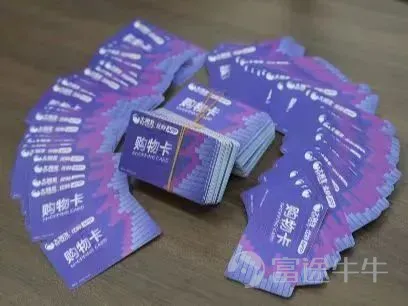
Case One
Be vigilant. "Shopping card" scam. In recent years With the popularity of Mobile Payments and electronic Consumer spending. Supermarket shopping cards.It has become a common tool for daily Consumer due to its convenience. However, scammers target this medium. They design highly concealedmoney laundering scams. This makes ordinary consumers become"money laundering tools." This article will expose the operational techniques of such scams. And remind the public to strengthen prevention measures. How do shopping cards become tools for money laundering? The dual criminal chain of fraud and money laundering. Fraud groups impersonate authorities, e-commerce customer service, investment mentors, and other identities, luring victims to transfer money to specific accounts under reasons such as "Account Exception," "Rebate for Order Completion," and "Paying Deposit." To evade tracking of funds, they require victims to convert money into supermarket gift cards (such as Walmart, Carrefour, JD.com cards, etc.), and then resell them for cash to complete money laundering.Advantages and Vulnerabilities of Gift Cards AnonymityGift cards are non-nominal, without real-name authentication, making transactions difficult to trace.High LiquidityBlack market recovery channels are mature, allowing for quick depreciation and cash realization.High DeceptivenessOrdinary Consumers have low vigilance towards the "buy card" behavior and can be easily manipulated by rhetoric. Typical fraud scene restoration. Case One The "compensation trap" impersonating customer service.   The victim received a call from someone claiming to be the customer service of an e-commerce platform. It was stated that there was a quality issue with the purchased commodity and a refund was needed. However, it is necessary to first purchase a shopping card of a specified amount. As a 'verification certificate'. After the victim provides the card number and password as instructed. The scammers immediately sell the card for cash. Case Two Fraud involving the "Security Account" by law enforcement...
The "compensation trap" impersonating customer service.

Be vigilant. "Shopping card" scam. In recent years With the popularity of Mobile Payments and electronic Consumer spending. Supermarket shopping cards.It has become a common tool for daily Consumer due to its convenience. However, scammers target this medium. They design highly concealedmoney laundering scams. This makes ordinary consumers become"money laundering tools." This article will expose the operational techniques of such scams. And remind the public to strengthen prevention measures. How do shopping cards become tools for money laundering? The dual criminal chain of fraud and money laundering. Fraud groups impersonate authorities, e-commerce customer service, investment mentors, and other identities, luring victims to transfer money to specific accounts under reasons such as "Account Exception," "Rebate for Order Completion," and "Paying Deposit." To evade tracking of funds, they require victims to convert money into supermarket gift cards (such as Walmart, Carrefour, JD.com cards, etc.), and then resell them for cash to complete money laundering.Advantages and Vulnerabilities of Gift Cards AnonymityGift cards are non-nominal, without real-name authentication, making transactions difficult to trace.High LiquidityBlack market recovery channels are mature, allowing for quick depreciation and cash realization.High DeceptivenessOrdinary Consumers have low vigilance towards the "buy card" behavior and can be easily manipulated by rhetoric. Typical fraud scene restoration. Case One The "compensation trap" impersonating customer service.   The victim received a call from someone claiming to be the customer service of an e-commerce platform. It was stated that there was a quality issue with the purchased commodity and a refund was needed. However, it is necessary to first purchase a shopping card of a specified amount. As a 'verification certificate'. After the victim provides the card number and password as instructed. The scammers immediately sell the card for cash. Case Two Fraud involving the "Security Account" by law enforcement...
The victim received a call from someone claiming to be the customer service of an e-commerce platform.
It was stated that there was a quality issue with the purchased commodity and a refund was needed.
However, it is necessary to first purchase a shopping card of a specified amount.
As a 'verification certificate'.
After the victim provides the card number and password as instructed.
The scammers immediately sell the card for cash.

Be vigilant. "Shopping card" scam. In recent years With the popularity of Mobile Payments and electronic Consumer spending. Supermarket shopping cards.It has become a common tool for daily Consumer due to its convenience. However, scammers target this medium. They design highly concealedmoney laundering scams. This makes ordinary consumers become"money laundering tools." This article will expose the operational techniques of such scams. And remind the public to strengthen prevention measures. How do shopping cards become tools for money laundering? The dual criminal chain of fraud and money laundering. Fraud groups impersonate authorities, e-commerce customer service, investment mentors, and other identities, luring victims to transfer money to specific accounts under reasons such as "Account Exception," "Rebate for Order Completion," and "Paying Deposit." To evade tracking of funds, they require victims to convert money into supermarket gift cards (such as Walmart, Carrefour, JD.com cards, etc.), and then resell them for cash to complete money laundering.Advantages and Vulnerabilities of Gift Cards AnonymityGift cards are non-nominal, without real-name authentication, making transactions difficult to trace.High LiquidityBlack market recovery channels are mature, allowing for quick depreciation and cash realization.High DeceptivenessOrdinary Consumers have low vigilance towards the "buy card" behavior and can be easily manipulated by rhetoric. Typical fraud scene restoration. Case One The "compensation trap" impersonating customer service.   The victim received a call from someone claiming to be the customer service of an e-commerce platform. It was stated that there was a quality issue with the purchased commodity and a refund was needed. However, it is necessary to first purchase a shopping card of a specified amount. As a 'verification certificate'. After the victim provides the card number and password as instructed. The scammers immediately sell the card for cash. Case Two Fraud involving the "Security Account" by law enforcement...
Case Two
Be vigilant. "Shopping card" scam. In recent years With the popularity of Mobile Payments and electronic Consumer spending. Supermarket shopping cards.It has become a common tool for daily Consumer due to its convenience. However, scammers target this medium. They design highly concealedmoney laundering scams. This makes ordinary consumers become"money laundering tools." This article will expose the operational techniques of such scams. And remind the public to strengthen prevention measures. How do shopping cards become tools for money laundering? The dual criminal chain of fraud and money laundering. Fraud groups impersonate authorities, e-commerce customer service, investment mentors, and other identities, luring victims to transfer money to specific accounts under reasons such as "Account Exception," "Rebate for Order Completion," and "Paying Deposit." To evade tracking of funds, they require victims to convert money into supermarket gift cards (such as Walmart, Carrefour, JD.com cards, etc.), and then resell them for cash to complete money laundering.Advantages and Vulnerabilities of Gift Cards AnonymityGift cards are non-nominal, without real-name authentication, making transactions difficult to trace.High LiquidityBlack market recovery channels are mature, allowing for quick depreciation and cash realization.High DeceptivenessOrdinary Consumers have low vigilance towards the "buy card" behavior and can be easily manipulated by rhetoric. Typical fraud scene restoration. Case One The "compensation trap" impersonating customer service.   The victim received a call from someone claiming to be the customer service of an e-commerce platform. It was stated that there was a quality issue with the purchased commodity and a refund was needed. However, it is necessary to first purchase a shopping card of a specified amount. As a 'verification certificate'. After the victim provides the card number and password as instructed. The scammers immediately sell the card for cash. Case Two Fraud involving the "Security Account" by law enforcement...
Fraudulent activities disguised as a 'safe Account' involving law enforcement.
Be vigilant. "Shopping card" scam. In recent years With the popularity of Mobile Payments and electronic Consumer spending. Supermarket shopping cards.It has become a common tool for daily Consumer due to its convenience. However, scammers target this medium. They design highly concealedmoney laundering scams. This makes ordinary consumers become"money laundering tools." This article will expose the operational techniques of such scams. And remind the public to strengthen prevention measures. How do shopping cards become tools for money laundering? The dual criminal chain of fraud and money laundering. Fraud groups impersonate authorities, e-commerce customer service, investment mentors, and other identities, luring victims to transfer money to specific accounts under reasons such as "Account Exception," "Rebate for Order Completion," and "Paying Deposit." To evade tracking of funds, they require victims to convert money into supermarket gift cards (such as Walmart, Carrefour, JD.com cards, etc.), and then resell them for cash to complete money laundering.Advantages and Vulnerabilities of Gift Cards AnonymityGift cards are non-nominal, without real-name authentication, making transactions difficult to trace.High LiquidityBlack market recovery channels are mature, allowing for quick depreciation and cash realization.High DeceptivenessOrdinary Consumers have low vigilance towards the "buy card" behavior and can be easily manipulated by rhetoric. Typical fraud scene restoration. Case One The "compensation trap" impersonating customer service.   The victim received a call from someone claiming to be the customer service of an e-commerce platform. It was stated that there was a quality issue with the purchased commodity and a refund was needed. However, it is necessary to first purchase a shopping card of a specified amount. As a 'verification certificate'. After the victim provides the card number and password as instructed. The scammers immediately sell the card for cash. Case Two Fraud involving the "Security Account" by law enforcement...
The scammer falsely claims that the victim is suspected of money laundering.
Requests that the victim transfer funds.
to a 'National Security Account' to prove their innocence.
To evade Banks' risk control.
They turn to requiring the purchase of shopping cards and submission of card details.
Claiming 'will be returned after verification.'
Case Three
Be vigilant. "Shopping card" scam. In recent years With the popularity of Mobile Payments and electronic Consumer spending. Supermarket shopping cards.It has become a common tool for daily Consumer due to its convenience. However, scammers target this medium. They design highly concealedmoney laundering scams. This makes ordinary consumers become"money laundering tools." This article will expose the operational techniques of such scams. And remind the public to strengthen prevention measures. How do shopping cards become tools for money laundering? The dual criminal chain of fraud and money laundering. Fraud groups impersonate authorities, e-commerce customer service, investment mentors, and other identities, luring victims to transfer money to specific accounts under reasons such as "Account Exception," "Rebate for Order Completion," and "Paying Deposit." To evade tracking of funds, they require victims to convert money into supermarket gift cards (such as Walmart, Carrefour, JD.com cards, etc.), and then resell them for cash to complete money laundering.Advantages and Vulnerabilities of Gift Cards AnonymityGift cards are non-nominal, without real-name authentication, making transactions difficult to trace.High LiquidityBlack market recovery channels are mature, allowing for quick depreciation and cash realization.High DeceptivenessOrdinary Consumers have low vigilance towards the "buy card" behavior and can be easily manipulated by rhetoric. Typical fraud scene restoration. Case One The "compensation trap" impersonating customer service.   The victim received a call from someone claiming to be the customer service of an e-commerce platform. It was stated that there was a quality issue with the purchased commodity and a refund was needed. However, it is necessary to first purchase a shopping card of a specified amount. As a 'verification certificate'. After the victim provides the card number and password as instructed. The scammers immediately sell the card for cash. Case Two Fraud involving the "Security Account" by law enforcement...
The "recharge channel" of fraudulent investment platforms.

Be vigilant. "Shopping card" scam. In recent years With the popularity of Mobile Payments and electronic Consumer spending. Supermarket shopping cards.It has become a common tool for daily Consumer due to its convenience. However, scammers target this medium. They design highly concealedmoney laundering scams. This makes ordinary consumers become"money laundering tools." This article will expose the operational techniques of such scams. And remind the public to strengthen prevention measures. How do shopping cards become tools for money laundering? The dual criminal chain of fraud and money laundering. Fraud groups impersonate authorities, e-commerce customer service, investment mentors, and other identities, luring victims to transfer money to specific accounts under reasons such as "Account Exception," "Rebate for Order Completion," and "Paying Deposit." To evade tracking of funds, they require victims to convert money into supermarket gift cards (such as Walmart, Carrefour, JD.com cards, etc.), and then resell them for cash to complete money laundering.Advantages and Vulnerabilities of Gift Cards AnonymityGift cards are non-nominal, without real-name authentication, making transactions difficult to trace.High LiquidityBlack market recovery channels are mature, allowing for quick depreciation and cash realization.High DeceptivenessOrdinary Consumers have low vigilance towards the "buy card" behavior and can be easily manipulated by rhetoric. Typical fraud scene restoration. Case One The "compensation trap" impersonating customer service.   The victim received a call from someone claiming to be the customer service of an e-commerce platform. It was stated that there was a quality issue with the purchased commodity and a refund was needed. However, it is necessary to first purchase a shopping card of a specified amount. As a 'verification certificate'. After the victim provides the card number and password as instructed. The scammers immediately sell the card for cash. Case Two Fraud involving the "Security Account" by law enforcement...
In fraudulent financial management apps.
Scammers lure victims to recharge with "high returns."
But require payment to be made by purchasing gift cards.
Claiming to "avoid handling fees."
Once they succeed,
they immediately cut off contact.

How does the money laundering chain operate?
Be vigilant. "Shopping card" scam. In recent years With the popularity of Mobile Payments and electronic Consumer spending. Supermarket shopping cards.It has become a common tool for daily Consumer due to its convenience. However, scammers target this medium. They design highly concealedmoney laundering scams. This makes ordinary consumers become"money laundering tools." This article will expose the operational techniques of such scams. And remind the public to strengthen prevention measures. How do shopping cards become tools for money laundering? The dual criminal chain of fraud and money laundering. Fraud groups impersonate authorities, e-commerce customer service, investment mentors, and other identities, luring victims to transfer money to specific accounts under reasons such as "Account Exception," "Rebate for Order Completion," and "Paying Deposit." To evade tracking of funds, they require victims to convert money into supermarket gift cards (such as Walmart, Carrefour, JD.com cards, etc.), and then resell them for cash to complete money laundering.Advantages and Vulnerabilities of Gift Cards AnonymityGift cards are non-nominal, without real-name authentication, making transactions difficult to trace.High LiquidityBlack market recovery channels are mature, allowing for quick depreciation and cash realization.High DeceptivenessOrdinary Consumers have low vigilance towards the "buy card" behavior and can be easily manipulated by rhetoric. Typical fraud scene restoration. Case One The "compensation trap" impersonating customer service.   The victim received a call from someone claiming to be the customer service of an e-commerce platform. It was stated that there was a quality issue with the purchased commodity and a refund was needed. However, it is necessary to first purchase a shopping card of a specified amount. As a 'verification certificate'. After the victim provides the card number and password as instructed. The scammers immediately sell the card for cash. Case Two Fraud involving the "Security Account" by law enforcement...
Inducing Purchase Cards: Victims are manipulated by persuasive language to purchase a large number of shopping cards at supermarkets or online platforms.Obtaining Card Information: Scammers obtain the card numbers and passwords through remote manipulation, screen sharing, or direct requests.Monetizing on the Black Market: Quickly selling at 10-20% discount through underground trading groups, second-hand platforms, or colluding with merchants.Capital inflow: After multiple rounds of circulation, the illicit funds enter the scam group's account to complete the laundering.
How can the public identify and prevent it?
Remember the three major principles.
Do not trust easily.: Any request to "buy shopping cards for transfer" is a scam!Do not disclose.: Never provide shopping card numbers, passwords, or SMS verification codes to strangers.Do not assist.: Be wary of part-time traps like "proxy purchasing cards" and "order brushing rebates" to avoid becoming an accomplice in money laundering.
Key scenario response.
When receiving phone calls from "Customer Service" or "Public Security and Legal" calls, actively hang up and call the official number to verify. Investments and financial management should be conducted through legitimate platforms, refuse "non-legitimate payment channels". If a shopping card has already been purchased, immediately contact the issuer to freeze it and report to the police.

Be vigilant. "Shopping card" scam. In recent years With the popularity of Mobile Payments and electronic Consumer spending. Supermarket shopping cards.It has become a common tool for daily Consumer due to its convenience. However, scammers target this medium. They design highly concealedmoney laundering scams. This makes ordinary consumers become"money laundering tools." This article will expose the operational techniques of such scams. And remind the public to strengthen prevention measures. How do shopping cards become tools for money laundering? The dual criminal chain of fraud and money laundering. Fraud groups impersonate authorities, e-commerce customer service, investment mentors, and other identities, luring victims to transfer money to specific accounts under reasons such as "Account Exception," "Rebate for Order Completion," and "Paying Deposit." To evade tracking of funds, they require victims to convert money into supermarket gift cards (such as Walmart, Carrefour, JD.com cards, etc.), and then resell them for cash to complete money laundering.Advantages and Vulnerabilities of Gift Cards AnonymityGift cards are non-nominal, without real-name authentication, making transactions difficult to trace.High LiquidityBlack market recovery channels are mature, allowing for quick depreciation and cash realization.High DeceptivenessOrdinary Consumers have low vigilance towards the "buy card" behavior and can be easily manipulated by rhetoric. Typical fraud scene restoration. Case One The "compensation trap" impersonating customer service.   The victim received a call from someone claiming to be the customer service of an e-commerce platform. It was stated that there was a quality issue with the purchased commodity and a refund was needed. However, it is necessary to first purchase a shopping card of a specified amount. As a 'verification certificate'. After the victim provides the card number and password as instructed. The scammers immediately sell the card for cash. Case Two Fraud involving the "Security Account" by law enforcement...
Fraud prevention center friendly reminder.
1. When purchasing various shopping cards online,be sure to choose legitimate shopping platforms.Do not be misled by discounts; any issues should be consulted with official customer service.Do not transfer money privately.
Be cautious of unfamiliar links; do not scan QR codes indiscriminately.Scanning QR codes + password-free payments = asset loss.
When trading non-physical commodities such as gift cards and coupons.Do not disclose information such as card number and password to others.This is to prevent unauthorized transactions.
4.Anyone who asks to "buy a card and transfer funds" through unofficial channels is committing fraud!
Be vigilant. "Shopping card" scam. In recent years With the popularity of Mobile Payments and electronic Consumer spending. Supermarket shopping cards.It has become a common tool for daily Consumer due to its convenience. However, scammers target this medium. They design highly concealedmoney laundering scams. This makes ordinary consumers become"money laundering tools." This article will expose the operational techniques of such scams. And remind the public to strengthen prevention measures. How do shopping cards become tools for money laundering? The dual criminal chain of fraud and money laundering. Fraud groups impersonate authorities, e-commerce customer service, investment mentors, and other identities, luring victims to transfer money to specific accounts under reasons such as "Account Exception," "Rebate for Order Completion," and "Paying Deposit." To evade tracking of funds, they require victims to convert money into supermarket gift cards (such as Walmart, Carrefour, JD.com cards, etc.), and then resell them for cash to complete money laundering.Advantages and Vulnerabilities of Gift Cards AnonymityGift cards are non-nominal, without real-name authentication, making transactions difficult to trace.High LiquidityBlack market recovery channels are mature, allowing for quick depreciation and cash realization.High DeceptivenessOrdinary Consumers have low vigilance towards the "buy card" behavior and can be easily manipulated by rhetoric. Typical fraud scene restoration. Case One The "compensation trap" impersonating customer service.   The victim received a call from someone claiming to be the customer service of an e-commerce platform. It was stated that there was a quality issue with the purchased commodity and a refund was needed. However, it is necessary to first purchase a shopping card of a specified amount. As a 'verification certificate'. After the victim provides the card number and password as instructed. The scammers immediately sell the card for cash. Case Two Fraud involving the "Security Account" by law enforcement...
Risk Disclaimer: The above content only represents the author's view. It does not represent any position or investment advice of Futu. Futu makes no representation or warranty.Read more
49K Views
Report
Comments
Write a Comment...