
Checks and Balances and Game Theory: What Apple's Supply Chain Has Taught Tesla
In early November, Musk launched a Twitter poll asking netizens to decide whether he should sell his Tesla shares. After receiving a majority affirmative response, Musk didn't say much but instead proved it with action. Over the past month, Musk has sold approximately 169 million Tesla shares, worth nearly US$10 billion.
Every word and deed of Musk, as well as every move made by Tesla, captures the attention of stock investors. Following the release of the Q3 earnings report, Tesla's stock price soared, reaching a high of $1,230 at one point, before slightly retreating to over $1,080. Over the past six months, Tesla's stock has risen by another 70%.
Across the ocean, the three characters 'Tesla' have also become a golden touch in the stock market. More than 100 companies that have entered Tesla's supply chain have formed the 'Tesla concept,' with impressive gains in this sector.
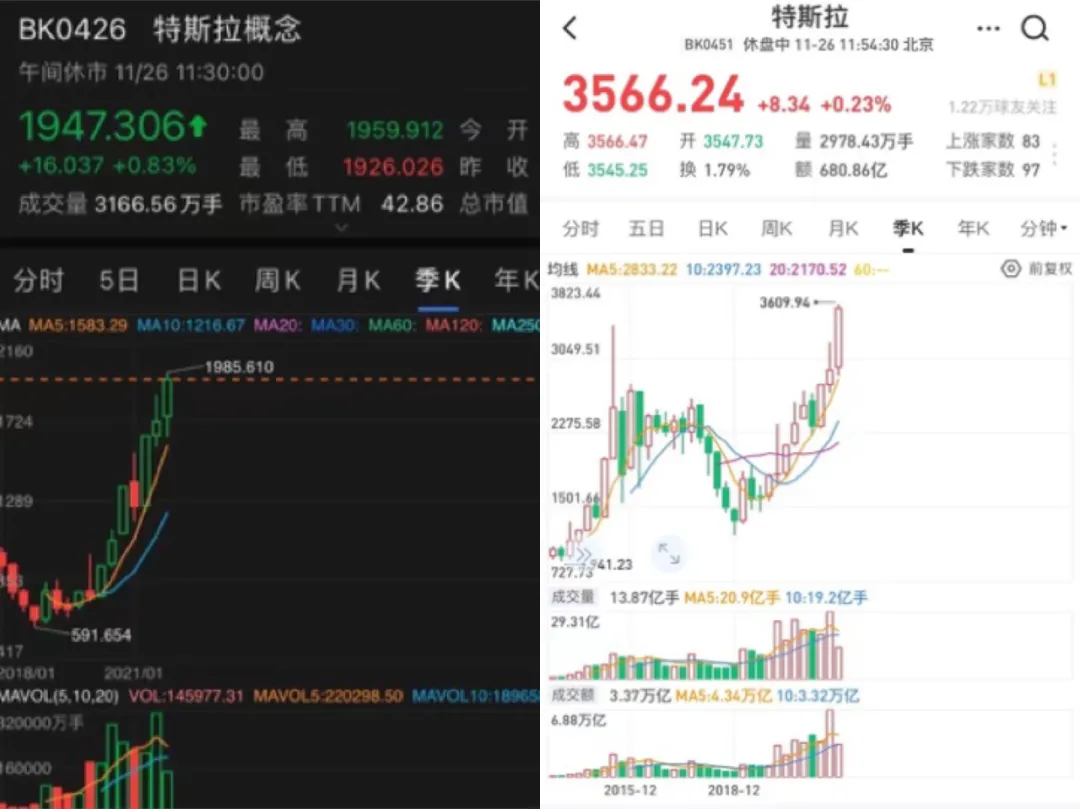
Among Tesla-related stocks, some focus on the three-electric system (batteries, motors, and electronic control), some on the car body and interior and exterior trim, and some on the chassis...
Take, for example, the well-known 'Electricity Mao,' CATL. As a key battery supplier for Tesla, it was only natural that CATL's performance would soar and its stock would enjoy tremendous success in the secondary market once Tesla's high growth began to materialize. Since 2020, CATL's share price has skyrocketed, more than quintupling to its current level of RMB 678, with its total market capitalization now exceeding RMB 1.5 trillion.
Another example is Sanhua, which is not in the 'three-electric' field. Sanhua's business focuses on thermal management centered on heat pump technology, and it has a leading edge in the field of electronic expansion valves for vehicles (which are core components in the thermal management systems of new energy vehicles), being one of Tesla's suppliers. Over the past two years, Sanhua has also attracted considerable attention and performed well in the secondary market.
Tesla-sector companies are now following the path once taken by Apple supply-chain firms. Past experiences have shown that, along this path, suppliers and Tesla will experience both sweetness and pain in tandem.
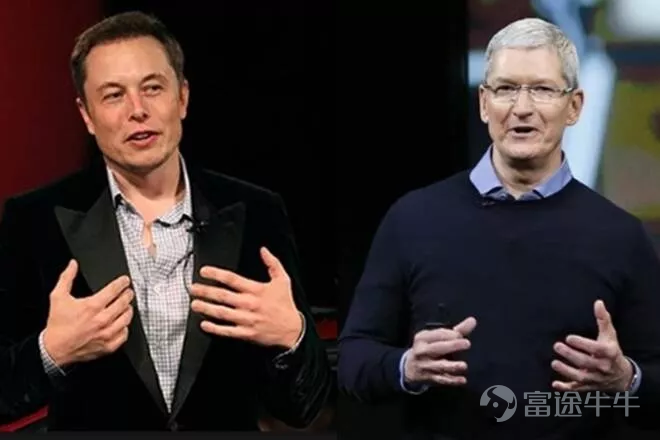
Apple is the world's most valuable company, with a market cap of over $2.6 trillion, while Tesla has surged over the past two years to become the world's most valuable automaker. The former defined the smartphone, while the latter defined the electric vehicle.
Apple and Tesla share many similarities, and it is well-founded for the outside world to use Apple as a benchmark for Tesla:
At the brand level, the founder has a distinct and incisive personality, and the design aesthetic consistently embraces minimalism, earning a large following across the tech industry, the consumer market—and, with Elon Musk thrown into the mix, the crypto community as well.
At the product strategy level, all companies choose to enter the market at the high end and gradually expand into more price segments, while consistently keeping the SKU portfolio lean.
At the level of core competitiveness, product innovation serves as the primary driving force, with seamless integration of software and hardware.
Under Tim Cook's leadership, Apple has become a 'supply chain management master,' with its orders not only benefiting a number of Chinese companies but also boosting the entire Chinese consumer electronics industry. Will Tesla produce similar benefits?
The Tesla concept is just beginning to take shape.
Elon Musk champions first-principles thinking—a way of viewing the world through the lens of physics: systematically stripping away surface appearances to get to the core, then building upward from that fundamental understanding.
This kind of in-depth, essential way of thinking determines his vision. Tesla's success is no accident. In 2006, Musk publicly released the first chapter of Tesla's Master Plan, outlining the following roadmap:
I. Developing a model with very low production volume but high price
II. Use the profits to develop a model with moderate production volume and a relatively low price.
III. Use the profits to develop a mass-produced, affordable vehicle.
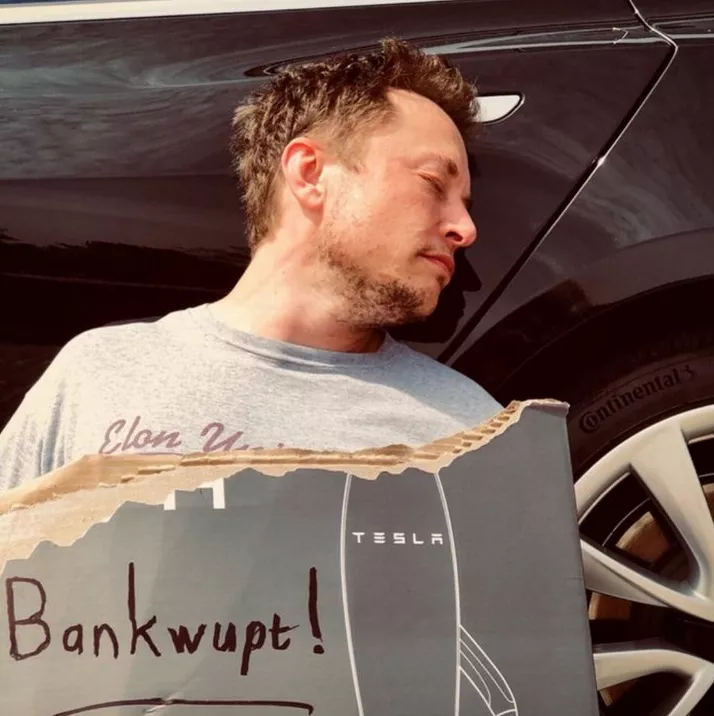
From its high-end models, the Model S and Model X, to the Model 3 and Model Y, Tesla has been following this seemingly straightforward path. However, the journey has been fraught with difficulties; at one point, Tesla was on the brink of bankruptcy and became the target of short-sellers on Wall Street.
2018 may have been the most challenging year on Musk's journey to realizing his grand vision, as the plan for a fully automated Gigafactory got off to a rough start, plunging Tesla into 'production hell' with major delays in Model 3 deliveries. At the mid-year shareholder meeting, Musk looked rather haggard, and the company’s financial situation was also very tight. Musk personally oversaw operations, setting up a 'tent factory' in the parking lot of the Fremont plant, building a new assembly line, celebrating his 47th birthday right there in the factory, and working overtime to get Model 3 production back on track.
In the last two quarters of 2018, Tesla's production capacity soared. In the third quarter, Tesla delivered a total of 56,065 Model 3 vehicles, nearly double the number from Q2, along with 27,710 Model S and Model X vehicles.
There was also good news in 2018: Tesla signed the contract for its Shanghai factory. Looking back now, this decision has enabled Tesla to embark on a major leap forward in both production capacity and sales.
For consumers, the price of Tesla will definitely drop after it is manufactured in China; for Tesla, the overall vehicle manufacturing cost will be 65% lower than that of the US production system, which is precisely what the Masterplan aims to achieve; and for suppliers in the industrial chain, this opportunity is no less significant than Apple's entry into the Chinese market back then.
Compared with smartphone manufacturing, automobile manufacturing is more complex, and its upstream and downstream industrial chains involve a wider and deeper range of enterprises. Who are the friends in Tesla’s Circle?
The upstream sector is dominated by metal resources, including lithium, cobalt, and rare-earth minerals, and the divergence in power-battery technology pathways as well as the scramble for raw materials are intensifying as the penetration rate of new-energy vehicles continues to rise.
The midstream segment extends around the three-electric system, with further subdivisions within each module—namely the powertrain system, the central control system, and the electric drive system—as well as components, interior and exterior trim, and body and chassis manufacturing.
The downstream comprises the vehicle market and sales, mainly OEMs and wholesale and retail systems, which Tesla basically handles on its own.
The aftermarket revolves around businesses such as electric vehicle charging and end-of-life vehicle recycling, primarily encompassing the manufacturing and operation of charging stations and battery recycling.
The entire industrial chain is vast, with numerous specialized segments and components. Taking just the lithium-ion battery pack within the powertrain as an example, it comprises PACK assembly, cathode materials, anode materials, separators, electrolytes, battery connectors, cover plates, protective casings, and more.
According to media reports, over the past few years, the number of Tesla's Tier 1 and Tier 2 suppliers has increased from 200 to 600.
Compared with the feature phones of the past, Apple's products have introduced incremental components and driven supply chain advancements. A similar supply chain growth trajectory can also be seen in Tesla.
First, Tesla is building a more open supply system. This was a necessary measure when Tesla's production volume was still low. Even now, although Tesla's market value is more than five times that of Toyota, its annual sales are only one-twentieth of Toyota's. In terms of the supply chain, this means that Tesla's bargaining power is weaker than that of traditional automotive giants at the beginning, and its appeal to large component suppliers is very limited.
However, precisely because of this, Tesla's supply chain has become more aggressively open, giving more component suppliers the opportunity to enter Tesla's "vertical procurement" supply chain.
Moreover, deeply influenced by Internet culture, Tesla's component iterations are faster than those of traditional automakers. For example, the Model 3 took only a year and a half from R&D to mass production, with frequent subsequent upgrades. As a result, suppliers are required to have stronger development capabilities and higher levels of collaboration.
More significantly, Tesla's electrified and intelligent products have reshaped the traditional automotive electronic architecture, fostering new industrial opportunities such as batteries and chips, which aligns with the macro policy direction of supporting the new energy industry chain.
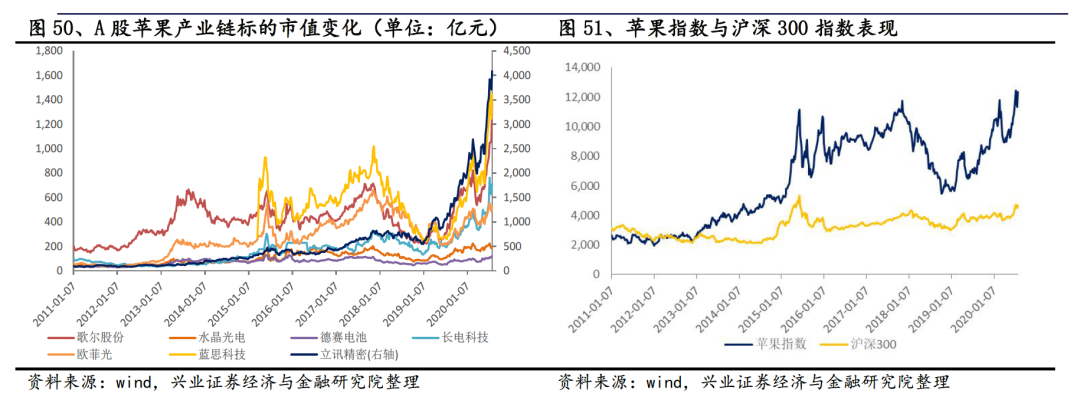
Apple's supply chain has enjoyed a golden decade, producing stocks that have increased 10- to 20-fold over the past ten years, such as Luxshare Precision and Goertek. The Apple index has significantly outperformed the CSI 300. Will the next decade belong to the Tesla supply chain?
As the Tesla supply chain takes shape, some core suppliers have already emerged.
According to media reports, in 2018, when Musk flew to Shanghai in person to sign the agreement for the Super Factory, he secretly met with Zeng Yuqun, Chairman of CATL. Although no substantive agreement was reached at the time, it had already laid the groundwork for their subsequent "marriage." In 2019, as the Shanghai Super Factory was about to begin investment and construction, Tesla's conflict with its "ex," Panasonic, intensified, making it urgent to find a new power battery supplier.
This relationship was officially made public on January 30, 2020, when Tesla explicitly stated for the first time during its quarterly earnings call that CATL would become its new partner. Subsequently, CATL issued an announcement stating that it would supply lithium-ion power battery products to Tesla from July 1, 2020, to June 30, 2022. On June 28 this year, CATL announced again that the order would be extended until 2025.
At the same time, CATL has experienced an increase in its installed capacity and market share, as well as a significant rise in its market capitalization. According to data from SNE Research, from January to August 2021, CATL retained its position as the world’s leading supplier of power batteries for the fourth consecutive year, with an installed capacity of 50 GWh and a global market share of 31%. LG Energy (LG's battery division), Panasonic, and BYD ranked second to fourth, with respective market shares of 24%, 14%, and 8%.
There is also Tesla’s capacity expansion, declining battery manufacturing costs, and reduced vehicle prices for the Model 3 and Model Y.
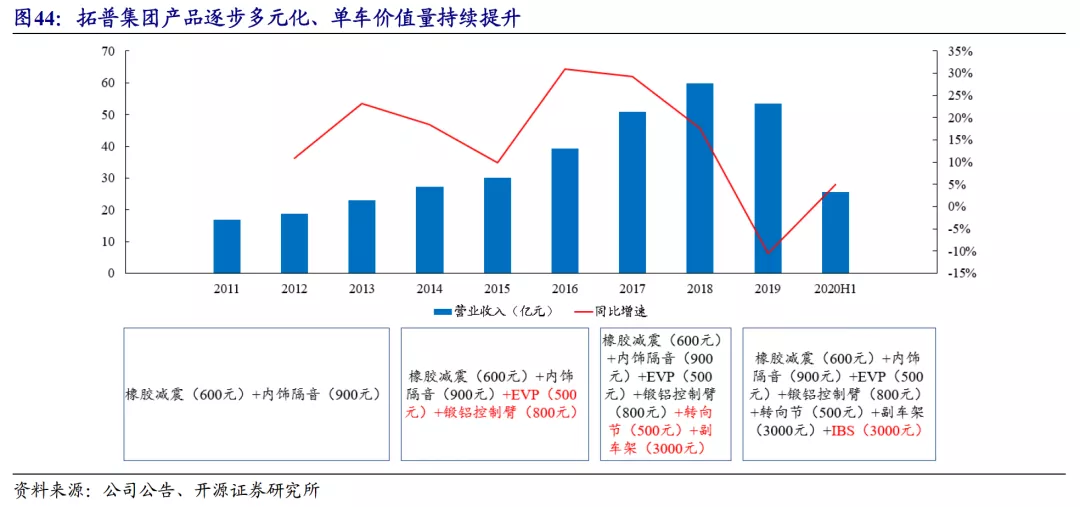
Ningbo Top Group has also been the subject of extensive institutional research over the past two years. Established in 1983, the company started with NVH (Noise, Vibration, Harshness) systems and has since diversified into four major product lines: interior components, vibration damping, lightweight chassis, and automotive electronics. Top Group supplies parts to traditional automakers and became a Tesla supplier as early as 2016, providing chassis structural components and large body structural components.
Top Group’s business model involves simultaneously acquiring new customers while expanding its product portfolio, evolving from a single-component parts supplier to an integrated solutions provider, with the per-vehicle value of its products steadily increasing. Over the past two years, Top Group’s stock price has nearly quadrupled.
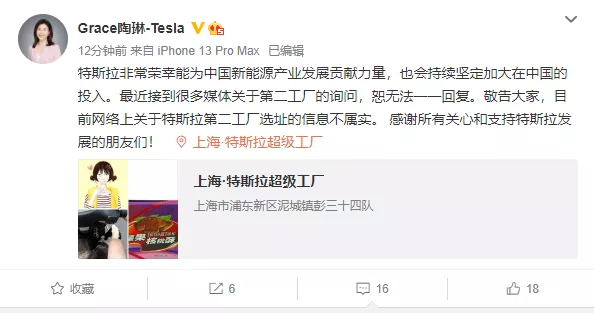
Since the Shanghai factory began operations, the localization rate of production has approached 100%, with capacity continuously expanding to an annual output of 450,000 vehicles. Complete vehicle exports commenced last year, and there have been persistent rumors about Tesla's second factory in China.
The opportunity for supply chain companies has only just begun to unfold.
Apple Supply Chain Faces Challenges
The long-term growth potential of electric vehicles far exceeds that of smartphones. Electric vehicles are in a phase of accelerating adoption, whereas the smartphone market has matured. If we take the Apple supply chain as a benchmark, Tesla’s supply chain is currently at an early stage similar to that of Apple’s.
The interdependent yet competitive relationship between Apple and its supply chain enterprises will also provide insights for Tesla’s industry chain partners — the honeymoon period will come to an end, and the seven-year itch will set in very soon.
One obvious sign is that, as Tesla’s bargaining power over the supply chain has significantly increased and it faces strong pressure to reduce costs, the profit margins of supply chain companies can no longer be guaranteed.
In its early days, Tesla did not have strong control over the industrial chain and implemented a "three-year price-locking period" policy for some supply-chain companies, with price adjustments made only after the lock-in period.
Xusheng Co., Ltd., an aluminum alloy auto parts company, entered Tesla's supply chain in 2013. From 2014 to 2019, its sales to Tesla accounted for
61.5%/94.8%/83.1%/76.6%/77.1%/64.9%. Over the first three years, thanks to the lock-in pricing period, the company's automotive business gross margin continued to rise, reaching as high as 57.2% in 2016. However, with the expiration of the lock-in period and the subsequent acceptance of low-margin Model 3 component orders, Xusheng's gross margin declined significantly from 2017 to 2019. This policy may also be adopted less frequently going forward.
Some core links are under pressure from multiple fronts; for example, in the power battery sector, CATL is also feeling uneasy. On one hand, there is competitive anxiety arising from the choice of technological routes and the establishment of core barriers; on the other hand, there is anxiety about the sharp rise in raw material prices.
The primary driver behind the surge in upstream raw-material prices is resource scarcity—a challenge that battery manufacturers cannot resolve on their own. As of November 25, battery-grade lithium carbonate prices had risen for three consecutive days, breaking through RMB 200,000 per tonne—a 359.8% increase year-on-year and a 277.4% rise since the start of the year. Yet downstream vehicle manufacturers have not matched this price hike in their procurement. Caught in the middle, battery companies have absorbed the vast majority of the cost pressures stemming from supply-chain price increases.
Moreover, although it now appears to be deeply integrated, Tesla will definitely stick to the in-house R&D approach for high-barrier and core links. From the very beginning of its development, Tesla planned to build its own battery factory. The "pilot plant" in Fremont has already started production, with a target of 10 GWh per year by the end of 2021. Will this be the beginning of "de-Ninghua"?
When firms across the upstream and downstream segments of the industrial chain all grow to a certain scale, the struggle for influence and bargaining power intensifies. Suppliers must therefore "upgrade their capabilities."
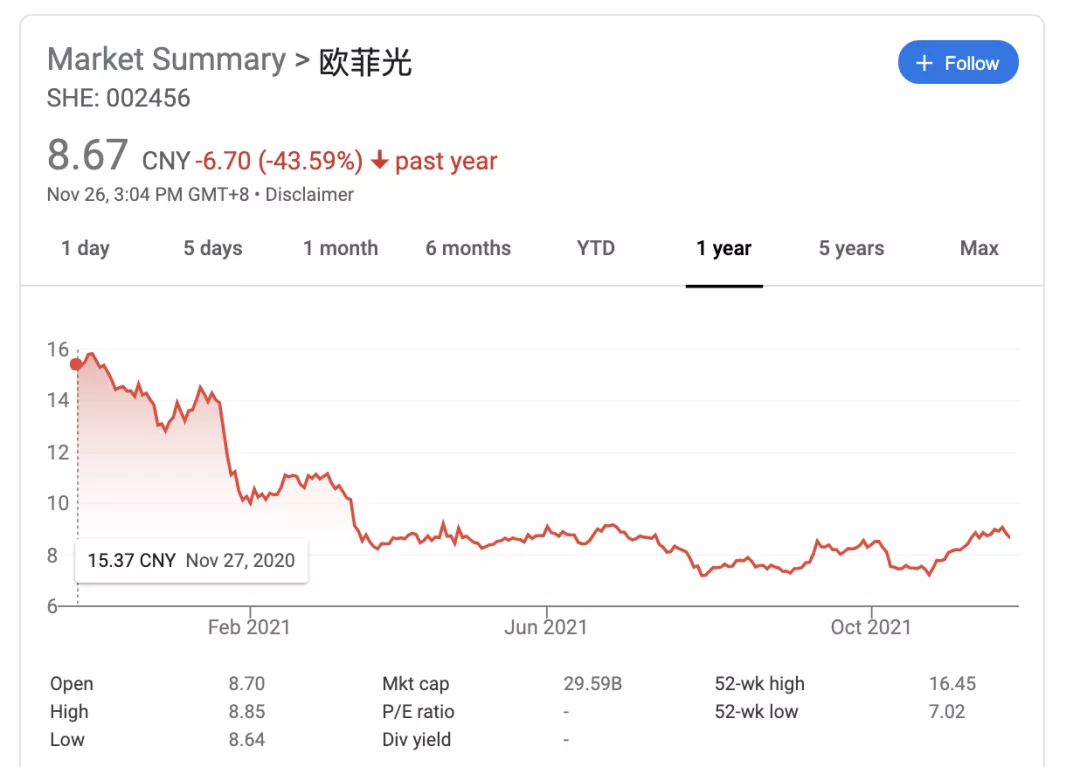
In addition, over-reliance on manufacturers poses significant risks, a scenario that is all too common in Apple's supply chain. For example, after OFILM was "kicked out of the Apple supply chain" in March this year, its market value plummeted. It rose thanks to Apple, and fell also because of Apple.
However, the positive aspect at present is that, compared with Apple's practice of locating core component production in Europe, the United States, Japan, and South Korea, Tesla has a significantly higher degree of "localization," and China's leading new-energy vehicle manufacturers are also getting off to a faster start. This is also an industrial opportunity brought about by the times—times have changed, and compared with ten years ago, the hard power of Chinese manufacturing has been upgraded.
(Cover photo courtesy of Reuters)
Author | Chen Wenqi
Risk Disclaimer: The above content only represents the author's view. It does not represent any position or investment advice of Futu. Futu makes no representation or warranty.Read more


Comments (2)
to post a comment
45
124