
AI Boom vs. Tight Liquidity: Will the US Stock Rally Continue?

Option Sir on Macro | A Song of Ice and Fire: PPI Soars, Wash Takes the Stage, and US Stocks Hit New Highs
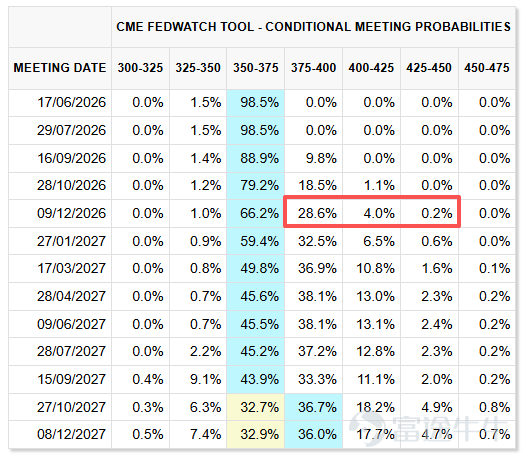
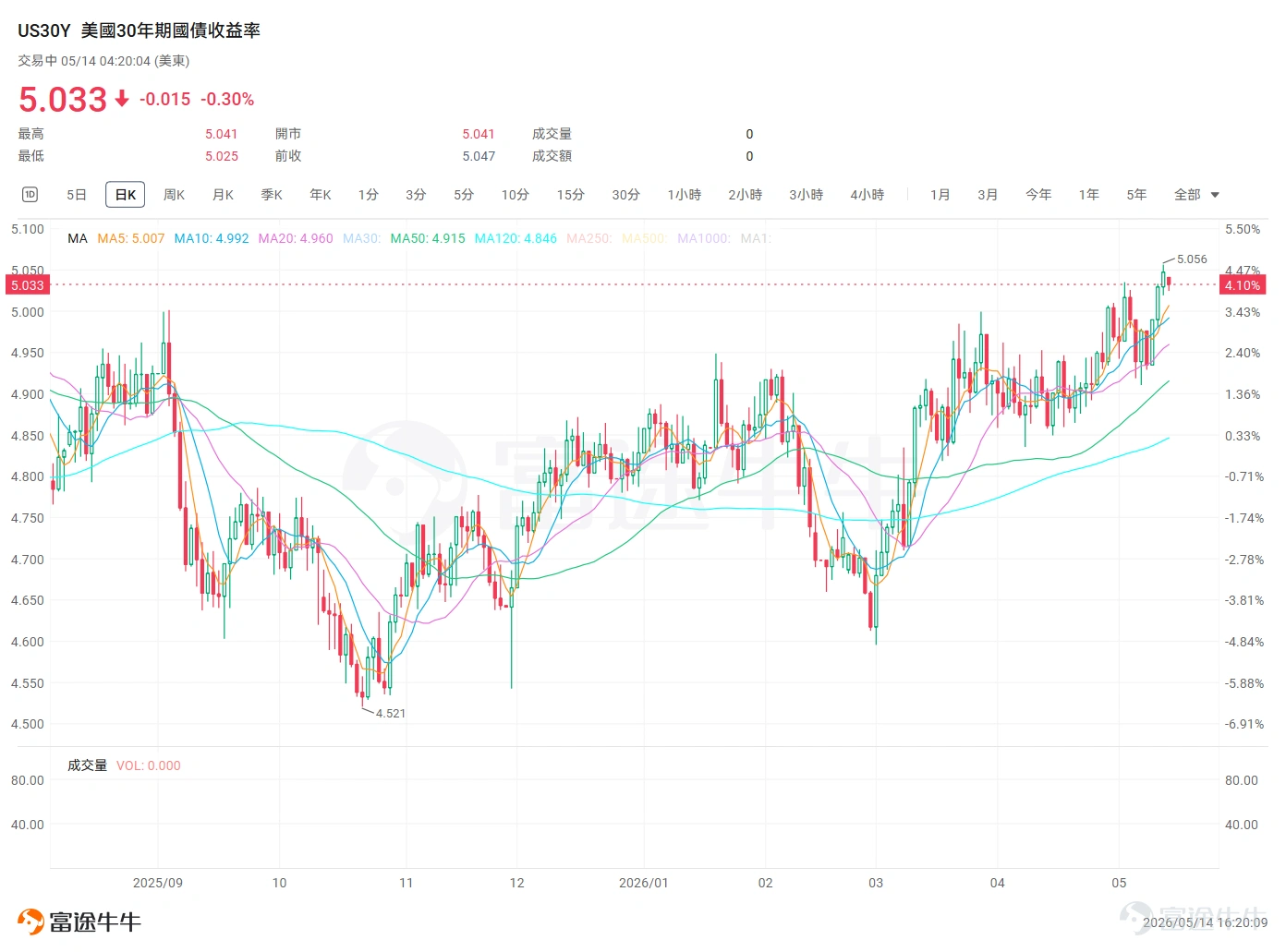
Last night (May 13), the US released its April PPI (Producer Price Index): a year-on-year surge of 6%, far exceeding market expectations of 4.9%, hitting a new high since December 2022; month-on-month, it soared by 1.4%, the largest monthly increase since March 2022.On that day,$U.S. 30-Year Treasury Bonds Yield (US30Y.BD)$Breaking through the 5% threshold. While Federal Funds futures still indicate that the Fed is likely to remain on hold, expectations for a rate hike before the end of the year have further strengthened.
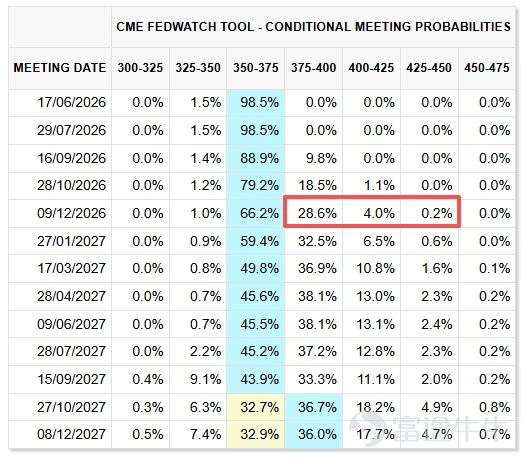
By common sense, such a terrible inflation figure would be enough to cause a sharp drop in the stock market.However, after a brief digestion of the news, both the Nasdaq and S&P 500 indices hit new all-time highs, with the Nasdaq closing up 1.20%. On the same day, the US Senate officially approved Kevin Warsh as the new Federal Reserve Chairman with 54 votes in favor and 45 against.
This contradictory picture forms the core narrative of global capital markets in mid-May 2026: on one side, high inflation and rumors of a hawkish new chairman present a 'chill,' while on the other, AI-driven tech stocks blaze like a 'fire.'
Why the PPI Surge: Structure and Underlying Drivers
Let's break down yesterday's explosive PPI data: energy prices were the main culprit.Data shows that nearly three-quarters of the increase in commodity prices in the April PPI came from the surge in energy prices, with gasoline prices skyrocketing 15.6% in a single month, directly contributing to over 40% of the rise on the commodities side.
The macro backdrop behind this is the more than two-month-long US-Iran conflict, which has led to tensions in the Strait of Hormuz and kept international oil prices at persistently high levels, with US retail gasoline prices also breaking through $4 per gallon.
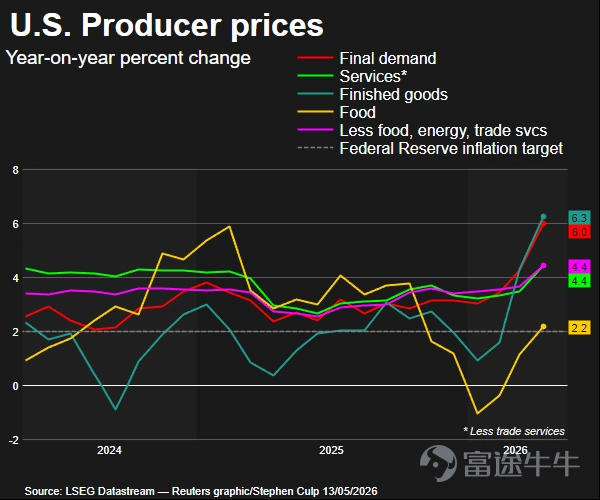
Data source: Reuters. The data in the chart are year-over-year figures.
However, deeper concerns lie in the fact that inflationary pressures are spreading comprehensively from the energy sector. As the 'lifeblood of industry,' the impact of surging energy prices will not be confined to the commodities sector.
Cost pressures are rapidly and extensively spreading along the industrial chain to the service sector and earlier stages of production, creating an inflation pattern driven by both 'goods and services.' In April, service prices in the PPI rose 1.2% month-over-month, the largest increase in four years, with transportation and warehousing costs jumping 5%. Economists have started to worry that this is no longer just a temporary 'energy shock.'
A Difficult Choice: Wash’s Dilemma
At this critical moment when inflationary pressures have reignited, the Federal Reserve is undergoing a transition of power. Yesterday, the Senate officially confirmed Wash as the new Federal Reserve Chair. Powell's term as the current chair will end tomorrow (May 15), although he will continue to serve as a Fed governor.
Wash’s nomination earlier this year once made the market highly nervous about the future monetary policy trajectory. He was seen as a staunch hawk who had publicly criticized the Fed’s balance sheet expansion for 'distorting capital allocation.' However, to secure Trump’s nomination, he proposed a policy framework of 'rate cuts plus balance sheet reduction.'
For the incoming Wash, facing the current environment, his situation is extremely challenging:
Trump’s Pressure: As the Fed chair nominated by Trump, Wash had promised before taking office to support interest rate cuts to stimulate the economy. The Trump administration urgently needs low interest rates to boost economic growth to address the midterm elections.
The reality of inflation: The significantly higher-than-expected PPI and Tuesday's slightly above-expected CPI clearly indicate that inflationary pressures have not eased but have intensified due to Middle East conflicts and rising trade costs.Forcing an interest rate cut at this time would be like adding fuel to the fire, potentially causing inflation to spiral out of control and undermining the credibility of the US dollar.
Internal checks and balances: Powell is only stepping down as chairman but has not left. He will continue to stay on as a governor at the Fed and has made it clear that the mission to combat inflation is not yet complete, even bringing rate hikes back into the discussion.
In September last year, Trump’s confidant and former Chairman of the White House Council of Economic Advisers, Stephen Miran, joined the Fed to fill a vacancy. At every interest rate meeting, he advocated for aggressive rate cuts, becoming the 'outlier' in every dot plot and failing to gain support from his colleagues.As a governor with extensive experience and broad influence, Powell’s presence will continue to act as a check on Warsh’s decision-making, making it difficult for him to quickly consolidate internal consensus and push forward policy framework reforms with his personal touch.
The divergence between stocks and bonds: What is the market trading?
So why is the stock market hitting new highs in such an environment? This is because stock market investors are trading on a different logic:The 'earnings growth narrative' has triumphed over the 'interest rate concern narrative'。
Despite deteriorating interest rate expectations, technological innovation represented by artificial intelligence is driving significant profit growth. Morgan Stanley announced yesterday that it is raising its 2026 target from 7,800 points to 8,000 points, with the core rationale being 'profit performance of companies, rather than growth in valuation multiples.' It expects S&P 500 earnings to grow by 23% this year, mainly driven by efficiency improvements brought by AI applications.$S&P 500 Index (.SPX.US)$This narrative of 'profit growth' has given investors the confidence to overlook high interest rates. Especially for key AI leaders such as Nvidia, their strong profit growth expectations are sufficient to offset valuation pressures caused by rising interest rates. This is why we see funds rapidly flowing back into tech giants led by AI after the market digested the PPI data, pushing Nasdaq and the S&P 500 to new highs.
In addition to the AI-driven trend, some sectors have also shown a phased recovery in risk appetite.$NVIDIA (NVDA.US)$ 、 $Alphabet-A (GOOGL.US)$ 、 $Apple (AAPL.US)$Boosted by expectations of improved interactions between Chinese and U.S. senior officials and a temporary easing of trade relations, the Nasdaq China Golden Dragon Index surged by 3.89%, with notable overnight performances. However, today once again saw the familiar pattern of a high open followed by a low close.
Meanwhile, bond market investors remain more cautious.They are more focused on the stubbornness of inflation and the risks of interest rate hikes revealed by the PPI data. As a result, the yield on 30-year U.S. Treasuries broke through 5% after the data was released and continues to fluctuate at high levels as of this writing. The divergence between the stock and bond markets reflects extreme market uncertainty. The stock market is betting that the 'AI revolution' can surpass the interest rate cycle, while the bond market is pricing in a 'higher for longer' interest rate environment.$Alibaba (BABA.US)$、 $Baidu (BIDU.US)$It posted a strong overnight performance. However, today…$Hang Seng TECH Index (800700.HK)$Once again, we've seen the all-too-familiar pattern of a high open followed by a lower close.
Meanwhile, bond market investors have adopted a more cautious stance.They are paying closer attention to the persistence of inflation and the risks of further rate hikes as signaled by PPI data. Consequently, the yield on the 30-year U.S. Treasury bond broke above 5% after the release and remained volatile at elevated levels as of press time. The divergence between the equity and bond markets is a clear reflection of extreme market uncertainty: equities are betting that the "AI revolution" will outpace interest-rate cycles, while bonds are pricing in a prolonged period of higher rates.
This division also reflects the market's complex interpretation of the incoming chairman Wash's policies. Wash's mixed traits (the contradictory policy concept of 'rate cuts and balance sheet reduction at the same time') have left room for market speculation.Despite severe inflation data, Wash’s view that AI will enhance productivity and lead to long-term deflationary effects might prevent monetary policy from being as aggressive as priced in by the bond market, thus giving risk assets some breathing space.
Options strategy: Finding 'asymmetric' opportunities amid great divergence
In such a highly polarized environment, how should investors respond? Traditional 'buy and hold' or 'simple diversification' strategies may face significant challenges. At this point, options strategies become an important tool to deal with the current complexity due to their flexibility and asymmetry.
The current market is in a state where 'high growth expectations' and 'high tail risks' coexist. Investors should abandon one-sided directional bets and instead use options to construct strategies that are 'protected on the downside and flexible on the upside.'
(1) Protective Put
If you already hold a heavy position but lack confidence in the current valuation and are worried about systemic pullbacks, you can deploy protective puts on major ETFs like $SPDR S&P 500 ETF (SPY.US)$ 、 $Invesco QQQ Trust (QQQ.US)$ , using limited costs to hedge against tail risks.

(The design images displayed on the screen are for demonstration purposes only and do not constitute any investment advice or guarantee; market movements are frequent, and the illustrated option prices do not represent actual conditions)
Its greatest advantage lies in capping the maximum loss of the position at a fixed level while fully retaining the upside potential of the underlying stock. The trade-off is the premium payment, which functions like an insurance fee if the market remains stable.
(2) Income enhancement and opportunistic profit-taking: Using Covered Calls to 'collect rent'
If you already hold popular sector stocks such as $Intel (INTC.US)$ 、 $Micron Technology (MU.US)$ and have already achieved good returns, you might consider implementing a Covered Call strategy. Based on holding the underlying stock, sell a corresponding number of call options. If the stock price does not reach the strike price by expiration, you can pocket the entire premium; if the stock price exceeds the strike price, your holdings will need to be sold at the strike price.
Given the current market situation where a few AI-related stocks are driving gains while overall breadth is lacking, this strategy holds some logic. The risk is that if AI hardware-related stocks continue to rise sharply, your position may get assigned (exercised), causing you to miss out on subsequent upward movements.
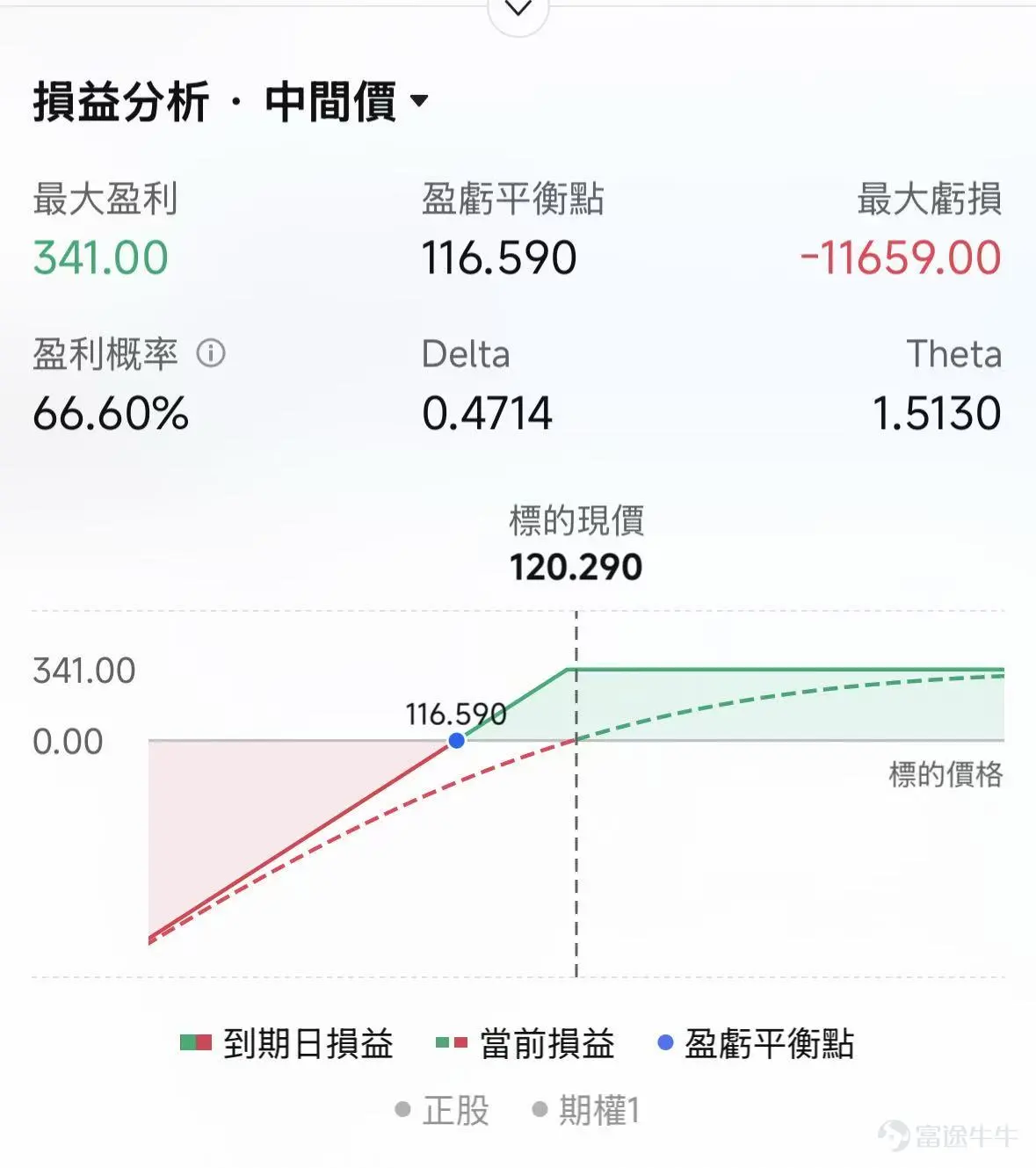
(The design images displayed on the screen are for demonstration purposes only and do not constitute any investment advice or guarantee; market movements are frequent, and the illustrated option prices do not represent actual conditions)
Finally, here's a small perk for fellow Futubull investors, welcome to claim it.Options Beginner Pack
*This event is exclusive to invited HK users. Click to learn more.Detailed event rules>>
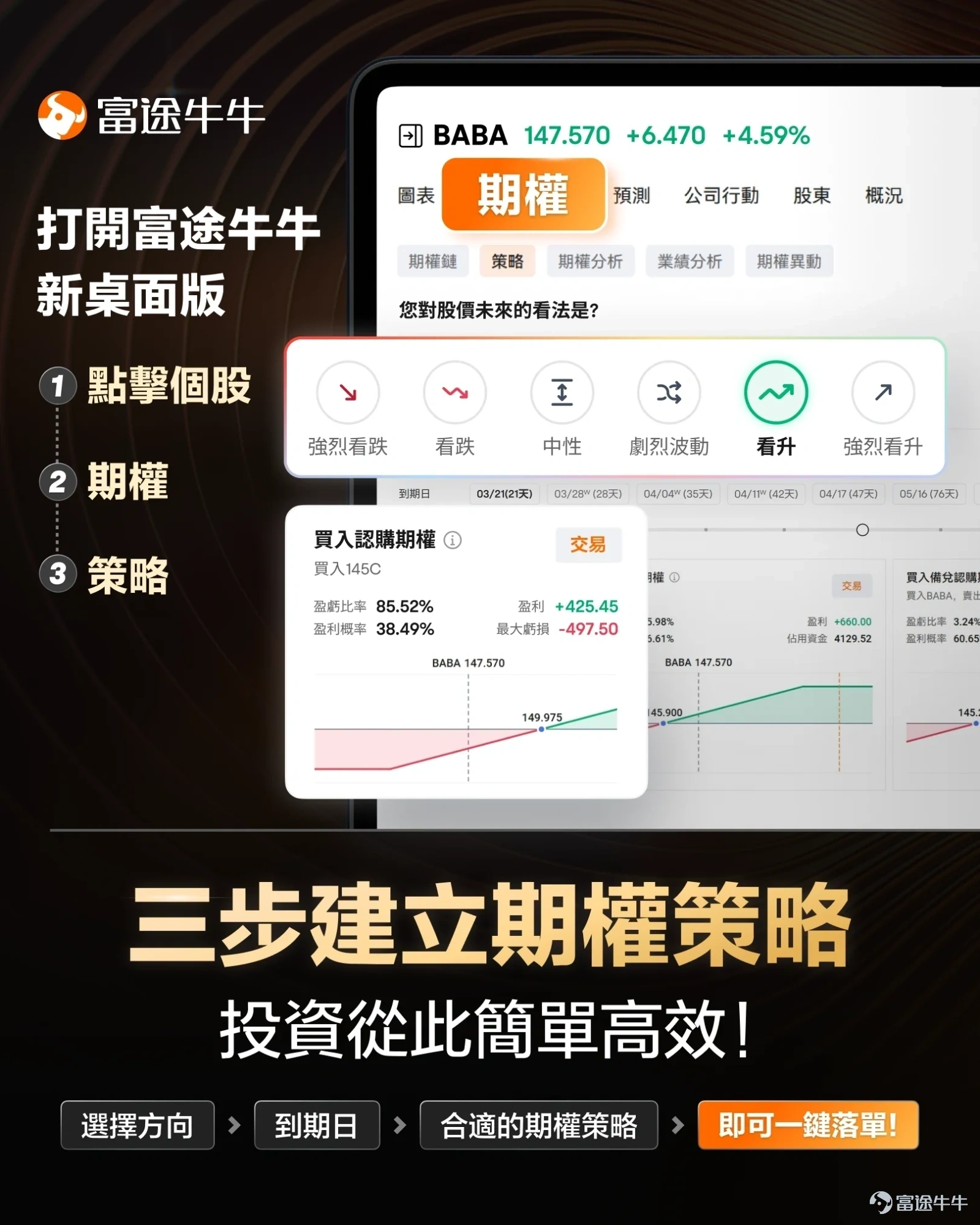
Market conditions are complex and volatile,Options StrategyOverwhelmed by choices? Futubull helps you build a portfolio in three steps.Options Strategymaking investing simple and efficient!
Disclaimer
This content does not constitute any offer, solicitation, recommendation, opinion, or guarantee for any securities, financial products, or instruments. The risk of loss in trading options can be substantial. In some cases, your losses may exceed the initial margin amount deposited. Even if you have set contingent orders, such as 'stop-loss' or 'limit' orders, they may not necessarily prevent losses. Market conditions may render these orders unexecutable. You may be required to deposit additional margin within a short period. If you fail to provide the required amount within the specified time, your open positions may be liquidated. However, you will still be responsible for any deficit balance in your account. Therefore, before trading, you should study and understand options and carefully consider whether such trading is suitable for you based on your financial situation and investment objectives. If you trade options, you should be familiar with the procedures upon exercising options and at expiration, as well as your rights and obligations when exercising options and at expiration.
Risk Disclaimer: The above content only represents the author's view. It does not represent any position or investment advice of Futu. Futu makes no representation or warranty.Read more


Comment (1)
to post a comment
43
38