

Yiviva Medical has only RMB 17.04 million in cash remaining, with Zhou Guoying betting on both its bladder cancer pipeline and exosome platform to break through

Produced by | Bullet Finance
Author | Meng Xiangna
Edited by Hu Fangjie
Art Direction by | Qianqian
Reviewed | Songwen
When an innovative biopharmaceutical company’s cash reserves are sufficient only for a few months of operations, its survival no longer hinges solely on the strength of its clinical data but becomes tightly linked to financing windows in capital markets.
In July 2026, Yiviva Medical filed its prospectus with the Hong Kong Stock Exchange for the third time. The filing revealed the company’s extremely dire financial situation—As of May 31, 2026, cash and cash equivalents stood at only RMB 17.04 million. For a biotech company with multiple clinical-stage pipelines, this level of reserves indicates extremely limited operational runway.
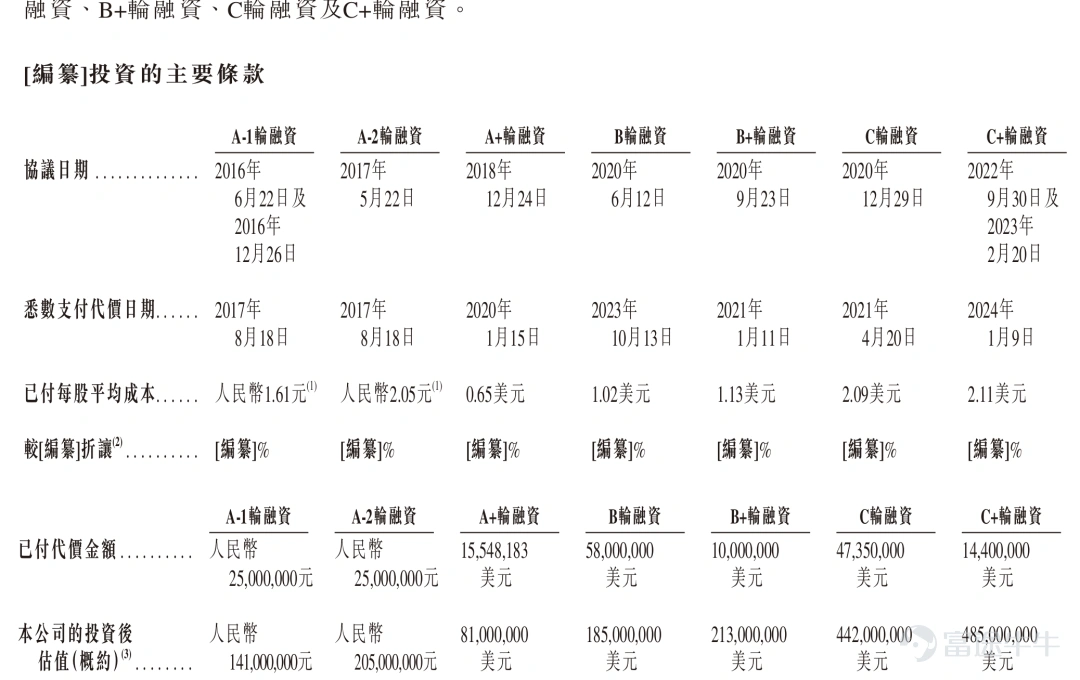
Founded 11 years ago, the company has completed seven rounds of financing and is backed by top-tier investors including CGC Healthcare, Hillhouse Capital, and the Shanghai Biopharmaceutical Industry Equity Investment Fund.
The team led by founder Zhou Guoying was once regarded as a pioneer in China’s oncolytic virus field, simultaneously advancing the development of novel oncolytic virus therapies for cancer treatment and exploring engineered exosomes for applications in both aesthetics and disease therapeutics—aiming to unlock commercialization through a dual-pronged strategy.
However, the central question facing investors remains: In the oncolytic virus sector—which had a global market size of just USD 100 million in 2025 and a compound annual growth rate below 7% over the past six years—can Enochian BioSciences break the curse of 'high concept appeal but weak commercialization'? And can its highly anticipated engineered exosome platform truly become a substantive 'second growth curve'?
1. Raised over RMB 1 billion yet failed to retain core talent; cash reserves now down to RMB 17.04 million
Enochian BioSciences originated from an effort by a team of world-class virologists based overseas to translate scientific research into industrial applications upon returning to China.
Founder Zhou Guoying brings over three decades of expertise in herpesvirus research. A protégé of Bernard Roizman, known as the 'father of herpesvirus,' Zhou served for many years as an associate professor in the Department of Microbiology at the University of Chicago and is widely recognized as one of the key inventors of the core backbone of T-VEC—the first FDA-approved oncolytic virus therapy, a genetically modified oncolytic herpes simplex virus type 1.
After years of deep research in overseas laboratories, Zhou realized that T-VEC could only be administered via intratumoral injection for superficial lesions, and the industry still lacked a next-generation oncolytic virus drug platform capable of targeting deep-seated tumors and supporting intravenous delivery—leaving a significant unmet clinical need.
In 2015, coinciding with the FDA’s formal approval of T-VEC—a pivotal validation milestone for the oncolytic virus field—Zhou chose to leave his stable academic position overseas. That May, he co-founded Enochian BioSciences in Shenzhen alongside Bernard Roizman, Thomas Shenk, Ralph Weichselbaum, and other leading international experts in virology and oncology.
Leveraging resources from its founding scientist team, Enochian BioSciences has completed seven rounds of financing to date,The company attracted a host of top-tier investors, including Summitstone Capital, Hillhouse Venture Partners, and the Shanghai Biopharmaceutical Industry Equity Investment Fund, raising a total of USD 152.3 million (approximately RMB 1.03 billion). Following its Series C+ round, the company’s valuation reached USD 485 million.
However, as of today, the company’s last funding round remains dated to 2023, marking nearly three years without any new capital inflow.
For a biopharmaceutical company still in the clinical development stage and requiring continuous investment to advance its pipeline, a cutoff in external financing is akin to losing supply stations during a marathon.
(Source: Company prospectus)
Founded over a decade ago, Iovance Biotherapeutics has yet to secure regulatory approval or achieve commercialization for any product. The company’s revenue primarily stems from out-licensing and collaboration arrangements, which have continued to shrink in recent years.
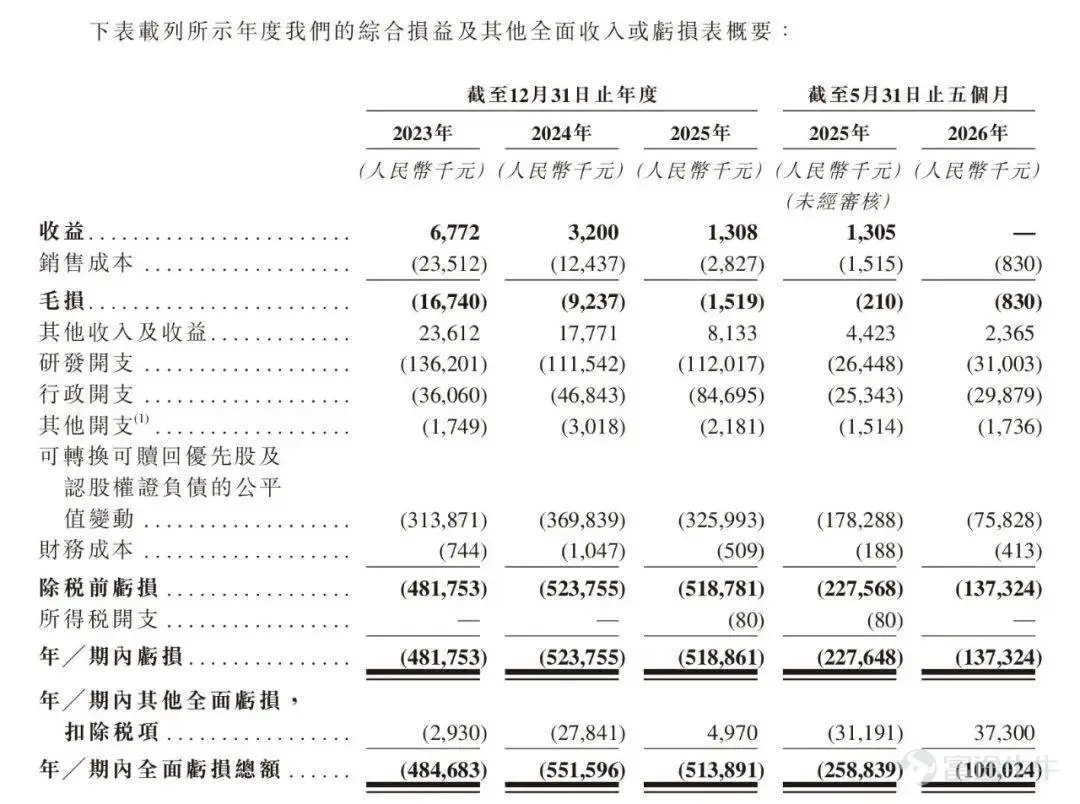
The company reported revenue of RMB 6.772 million in 2023, which declined to RMB 3.2 million in 2024 and further contracted to RMB 1.308 million in 2025. In the first five months of 2026, the company generated no revenue whatsoever.From 2023 through the first five months of 2025, the company has accumulated losses totaling RMB 11 billion.
(Source: Company prospectus)
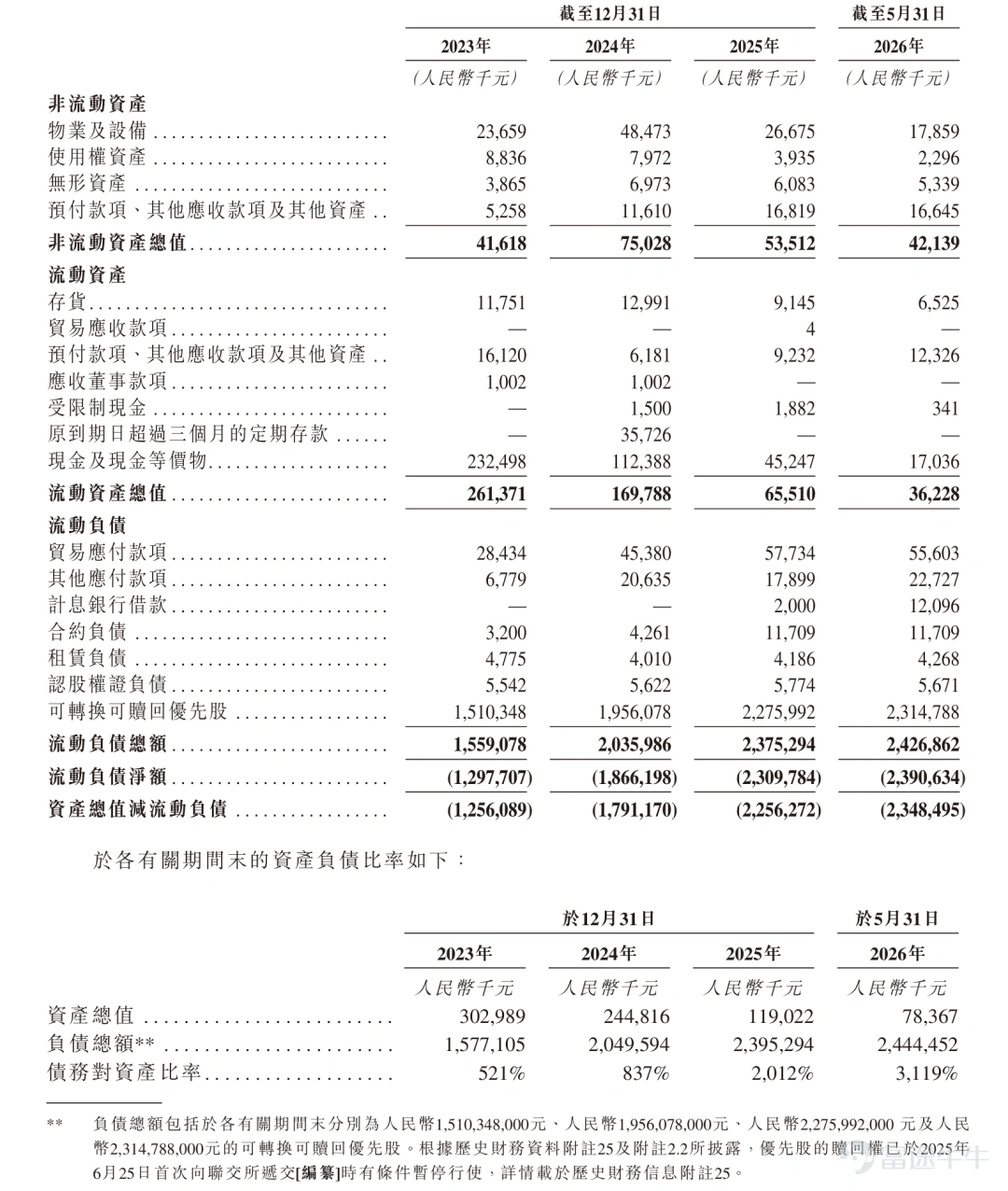
As of the end of May 2026, the company held only RMB 17.036 million in cash, with total assets of RMB 78.367 million and total liabilities amounting to RMB 24.44 billion, resulting in a debt-to-asset ratio soaring to 3,119%.
The substantial liabilities stem from convertible redeemable preferred shares classified as debt, rather than conventional credit borrowings. However, because these shares carry redemption clauses, investor redemption rights could be triggered if the IPO process stalls.With no new financing inflows over the past three years, the company—like other clinical-stage biotech firms that continuously burn cash—now faces imminent pressure on its cash runway.
(Source: Company prospectus)
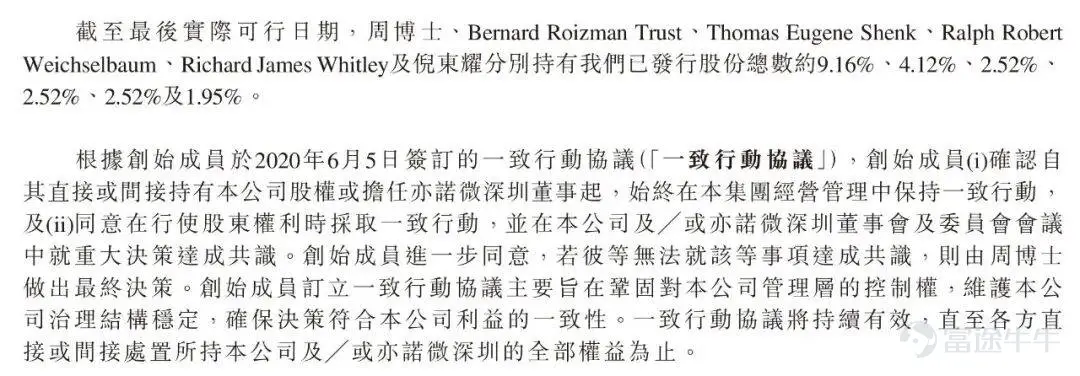
Following multiple rounds of financing, the company’s ownership structure has become relatively fragmented.Zhou Guoying is the single largest shareholder, holding a 9.16% stake. In June 2020, Zhou Guoying entered into a concerted action agreement with several scientists, including Ni Shuyao and the Bernard Roizman Trust, collectively holding 22.8% of shares.
(Source: Company prospectus)
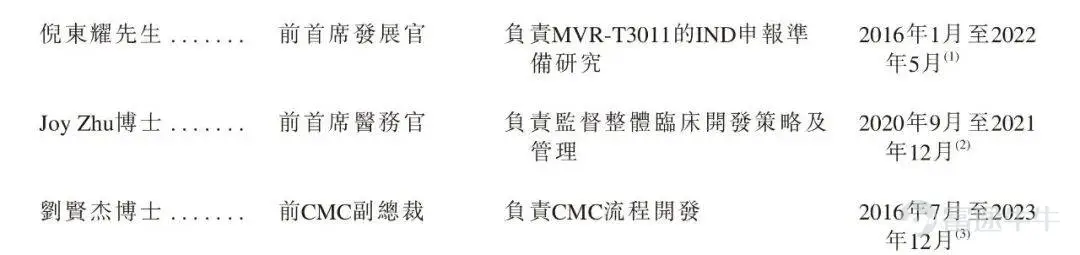
Among these concerted parties, founding member Ni Shuyao resigned from his position as director in June 2025 but still holds a 1.95% equity stake.
He joined Yiviva in 2016 and served successively as Medical Director, Chief Development Officer, and Director, playing a key role in translational medicine and preclinical research. He stepped down as Chief Development Officer in May 2022 and withdrew from day-to-day operations.
Compounding this, Dr. Joy Zhu, former Chief Medical Officer, and Liu Xianjie, former Vice President of CMC, left the company in 2021 and 2023 respectively, resulting in the recent departure of multiple core personnel across clinical development, manufacturing processes, and business expansion functions.
Although the company stated in its prospectus that these personnel changes would not impede R&D progress and that departing employees have no disputes with the company, the ongoing exodus of senior management continues to raise market concerns about the stability of its pipeline advancement and its ability to retain talent internally.
(Source: Company prospectus)
Amid multiple challenges—including executive turnover and funding pressures—Yiviva has submitted its IPO application to the Hong Kong Stock Exchange three times. A successful listing and subsequent fundraising could become a critical turning point in alleviating its current difficulties.
2. Oncolytic virus sector faces commercial headwinds; pipeline narrowed to focus on bladder cancer
Oncolytic immunotherapy involves using genetically engineered viruses to selectively kill cancer cells and stimulate systemic anti-tumor immunity. As an innovative oncology treatment approach, it has long attracted significant attention from both academia and investors.However, despite sustained conceptual enthusiasm, the sector has faced considerable hurdles in achieving commercialization.
Data shows that in 2025, the global oncolytic immunotherapy market was valued at only USD 107 million, with the U.S. market accounting for USD 70.9 million and the domestic market just around USD 7 million. From 2019 to 2025, the sector’s compound annual growth rate (CAGR) was merely 6.1%. Compared with popular oncology therapies such as ADCs and PD-1 inhibitors, this segment remains small in scale and lacks robust growth momentum, making it unlikely to produce blockbuster drugs.
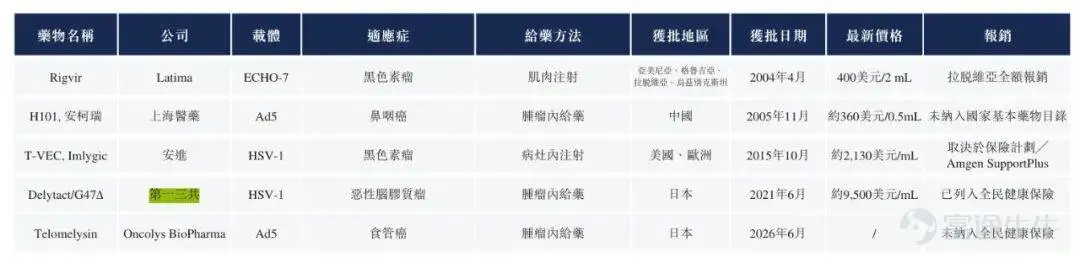
Globally, oncolytic immunotherapy has undergone decades of research and development, yet its commercialization remains in the industry's nascent stage, with only a scarce number of approved products. To date, only five oncolytic products have successfully reached the market worldwide, and in China, only Shanghai Pharmaceuticals’ H101 has received approval, limited to the indication of nasopharyngeal carcinoma.
Amgen’s T-VEC was the first product approved by the FDA, indicated for advanced melanoma. However, due to its narrow indication, limited efficacy as monotherapy, and inconvenient administration, its global sales have recently stagnated at only USD 20–30 million annually—far below expectations.
In terms of administration, oncolytic virus products heavily rely on intratumoral injection, limiting their effectiveness against non-superficial or deep-seated tumors.
(Source: Company prospectus)
For the oncolytic virus field to achieve a paradigm-shifting breakthrough and unlock long-term potential, two key developments must be closely monitored: first, whether next-generation oncolytic viruses capable of stable systemic intravenous delivery can successfully translate into clinical practice; and second, whether combination regimens pairing oncolytic virus therapeutics with immunotherapies or targeted agents can consistently demonstrate survival benefits across multiple randomized, controlled Phase III trials.
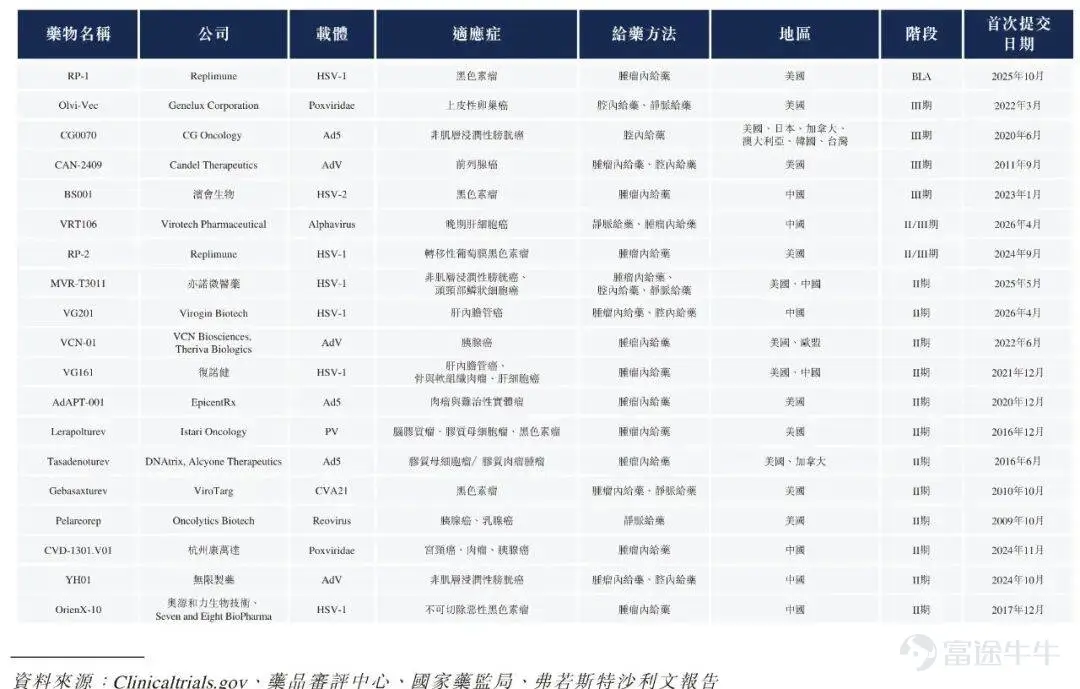
Pipeline data reveal a pronounced pyramid structure in global oncolytic immunotherapy development: while early-stage candidates are abundant, very few advance to late-stage clinical trials. Currently, only one candidate has entered the NDA stage, four are in Phase III, two in Phase II/III, twelve in Phase II, and the vast majority remain in early development phases such as Phase I or I/II.
Within China, only BioNovo’s BS001 (a company that has filed for a Hong Kong listing) has progressed to Phase III, with one additional candidate in Phase II/III. Meanwhile, six candidates—including Yiviva’s MVR-T3011—are clustered in the crowded Phase II segment.
The current global oncolytic virus market is valued at less than USD 110 million, and Yiviva has staked the entire future of MVR-T3011 on bladder cancer—a therapeutic indication for which no oncolytic virus has yet been approved.
Notably, no oncolytic virus has received global regulatory approval for bladder cancer to date, making this untapped therapeutic area a critical differentiator and strategic advantage for MVR-T3011’s path to market.
(Source: Company prospectus)
MVR-T3011 is Yiviva’s proprietary armed HSV-1-based oncolytic immunotherapy.Through extensive engineering, the viral backbone demonstrates a thousand-fold increase in intratumoral replication capacity compared to first-generation products. It simultaneously lyses tumor cells directly and locally expresses IL-12 and anti-PD-1 antibodies within the tumor microenvironment, thereby reversing immunosuppression. The therapy is theoretically compatible with three administration routes—intratumoral injection, intravesical instillation, and intravenous infusion—potentially enabling treatment across a broad range of solid tumors.
Leveraging an FDA umbrella IND—a ‘one-permit-multiple-uses’ clinical trial authorization in the U.S.—the drug can flexibly pursue multiple routes of administration and indications in clinical trials.
Earlier on, Ikena Oncology initiated two Phase I studies of MVR-T3011—via intratumoral and intravenous administration—and successfully established the safety profile and preliminary efficacy.
At the end of 2023, the company adjusted its R&D strategy, discontinuing the Phase IIa portions of two trials targeting melanoma and halting further clinical development for this indication. Resources were reallocated to focus on more strategically favorable indications, such as intravesical administration for bladder cancer.
The company stated that this adjustment was a strategic decision based on resource allocation, with no negative signals regarding safety or efficacy, and that resumption remains possible in the future.
Nevertheless, this decision has sparked market debate: intravenous delivery represents the core value proposition of next-generation oncolytic viruses. Once matured, it could overcome the limitations of localized delivery and treat systemic metastatic tumors. The temporary pause in this route significantly extends the timeline for realizing this key expectation.
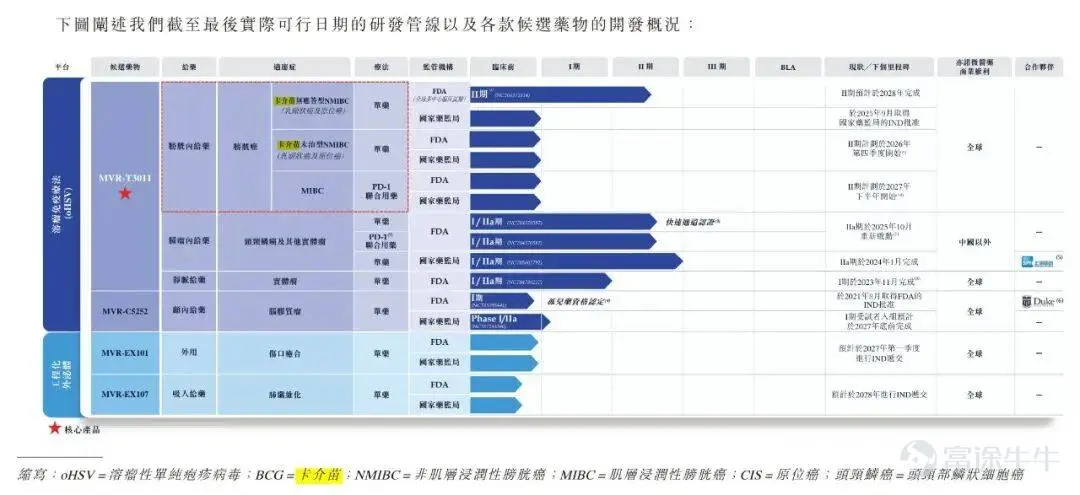
The company is currently focusing its R&D efforts on high-risk non-muscle-invasive bladder cancer(NMIBC),with the goal of developing a novel bladder-sparing therapy.Among these patients, many who fail BCG (Bacillus Calmette-Guérin) treatment ultimately face cystectomy, highlighting urgent unmet clinical needs.
MVR-T3011 is currently undergoing a Phase II clinical trial in the U.S., administered intravesically to treat BCG-unresponsive patients.
Additionally, in 2025, the company plans to restart the Phase IIa portion of its Phase I/IIa study in the U.S. for MVR-T3011 (administered intratumorally) in patients with advanced or metastatic solid tumors, with head and neck squamous cell carcinoma as the primary indication. Meanwhile, intravenous administration completed its Phase I clinical trial in 2023, but there have been no further updates since then, nor any timeline for restarting development.
(Source: Company prospectus)
Pipeline contraction also reflects a common reality facing biotech companies: innovative drug development continues to burn cash, and with limited funding, they must prioritize which therapeutic areas to pursue.
3. Can engineered exosomes become the second growth curve for hematopoiesis?
To hedge against the lengthy R&D timelines of innovative drugs and ease cash flow pressure, Yiviva has built a dual-technology platform combining oncolytic virotherapy and engineered exosomes.
If MVR-T3011 represents the long-term potential of innovative oncology therapies, the engineered exosome pipeline is viewed by the company as a second growth curve with the potential for earlier commercialization.

(Image / Shutterstock, licensed under VRF agreement)
In the exosome space, Yiviva’s strategic approach is equally clear: rather than pursuing a single therapeutic path, it leverages the rapid targeted delivery capability and excellent skin and mucosal penetration of engineered exosomes to develop two distinct commercial pathways.
One follows the traditional clinical regulatory pathway,covering therapeutic indications such as wound healing (MVR-EX101) and pulmonary fibrosis (MVR-EX107).
The other focuses on daily chemical and consumer applications,developing functional aesthetic products targeting skin concerns (MVR-EX103), hair loss (MVR-EX104), and localized fat accumulation (MVR-EX105). The latter only requires INCI (International Nomenclature of Cosmetic Ingredients) certification to enter overseas retail markets directly, bypassing the lengthy clinical trial process.
Currently, all three products targeting the aforementioned daily consumer care applications have achieved substantial progress. In April 2025, MVR-EX103 became the first engineered exosome globally to receive INCI nomenclature; MVR-EX104 and MVR-EX105 followed with their certifications in July of the same year.
In 2025, the company entered into an option agreement with Merz, a global leader in aesthetic medicine based in Germany, for MVR-EX103.Under the agreement, Merz has already paid an upfront fee of USD 111,000; if it exercises the option formally at a later stage, it will pay an additional USD 446,000 and subsequently pay quarterly royalties based on net sales after product launch.
Compared to oncolytic virus therapies, which often require clinical trials spanning several years, exosome ingredients certified under INCI theoretically offer a shorter commercialization pathway. The company expects to generate ongoing cash flow through licensing and supply of exosome ingredients to support its oncolytic immunotherapy R&D.
However, the exosome business also faces practical challenges: it has generated only modest upfront payments from collaborations so far and has yet to establish stable, recurring revenue. Meanwhile, competition in the engineered exosome ingredient segment for aesthetic medicine continues to intensify, and building long-term competitive advantages will require sustained investment in process optimization and market promotion.
Overall, the company’s long-term narrative rests on the technical potential of its oncolytic virus pipeline and the commercial promise of its exosome platform—yet every validation milestone for these narratives lies firmly in the future.
The reality facing Iovance (Yinuowei) is clear: no new financing in the past three years, continuous losses, and changes in its core team—all risk factors point to the same conclusion: the company urgently needs fresh capital to sustain its basic R&D operations.
The outcome of this Hong Kong IPO attempt will directly determine whether the company can stay in the game. If successful, the market will closely watch the bladder cancer clinical data for MVR-T3011 and progress on the Merz collaboration; if unsuccessful, it will likely trigger a series of cascading consequences. Until the result is announced, everything remains uncertain.
*The featured image in this article is sourced from SheTu.com under the VRF license.
Risk Disclaimer: The above content only represents the author's view. It does not represent any position or investment advice of Futu. Futu makes no representation or warranty.Read more
Comments
to post a comment